Normal Geography Worksheets for Ages 5-7 - Page 2
46 filtered results
-
From - To
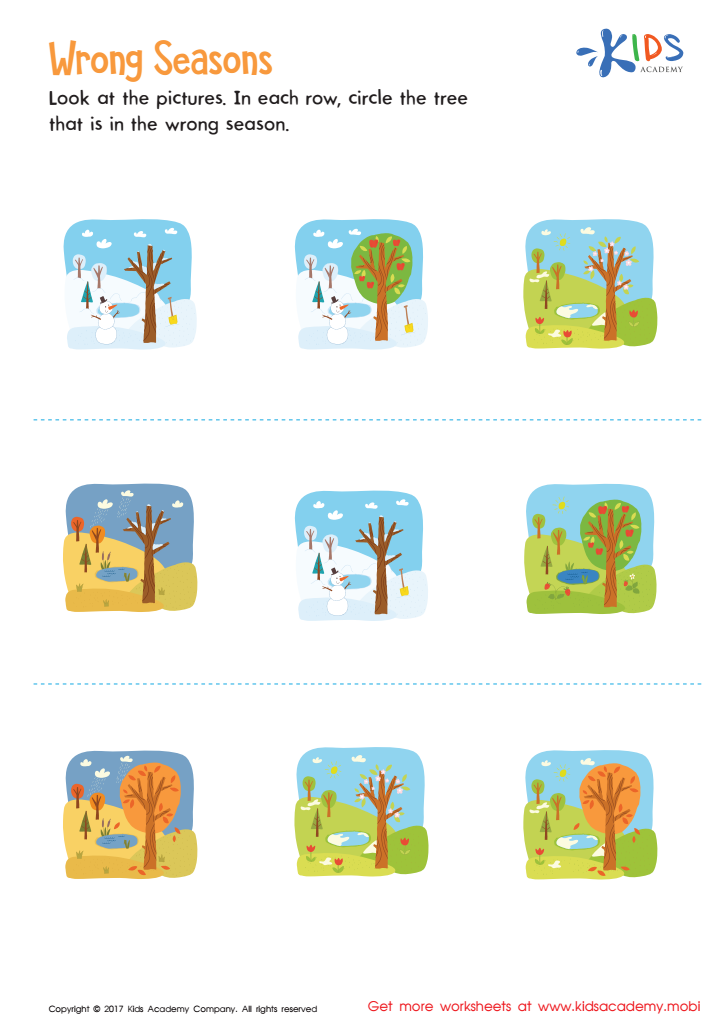
Wrong Seasons Worksheet
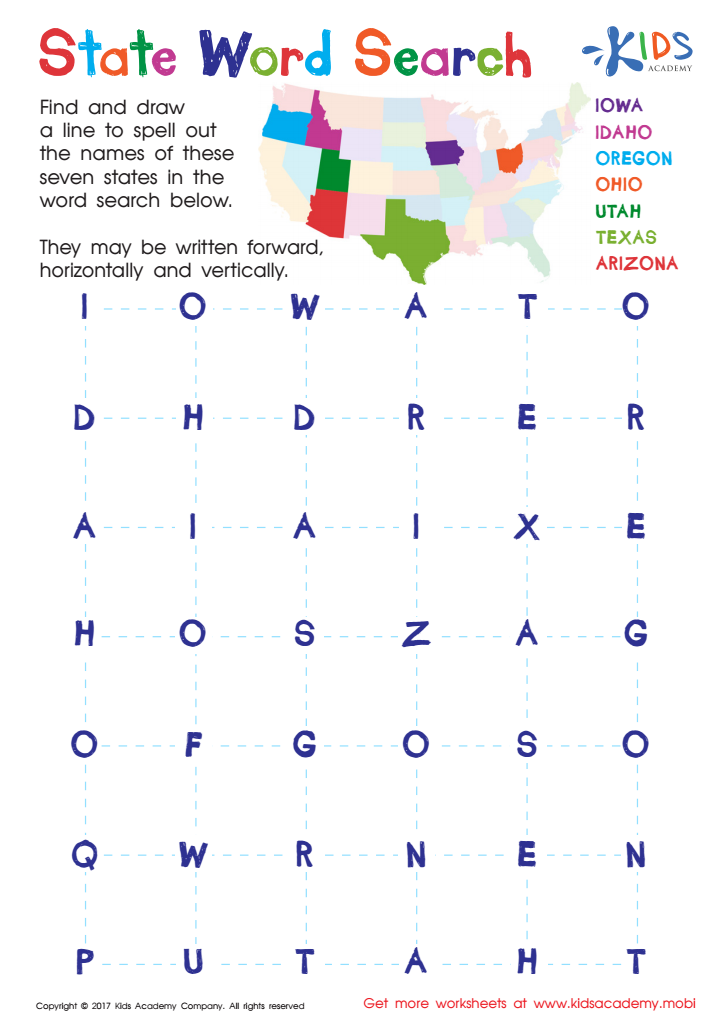
State Word Search Worksheet
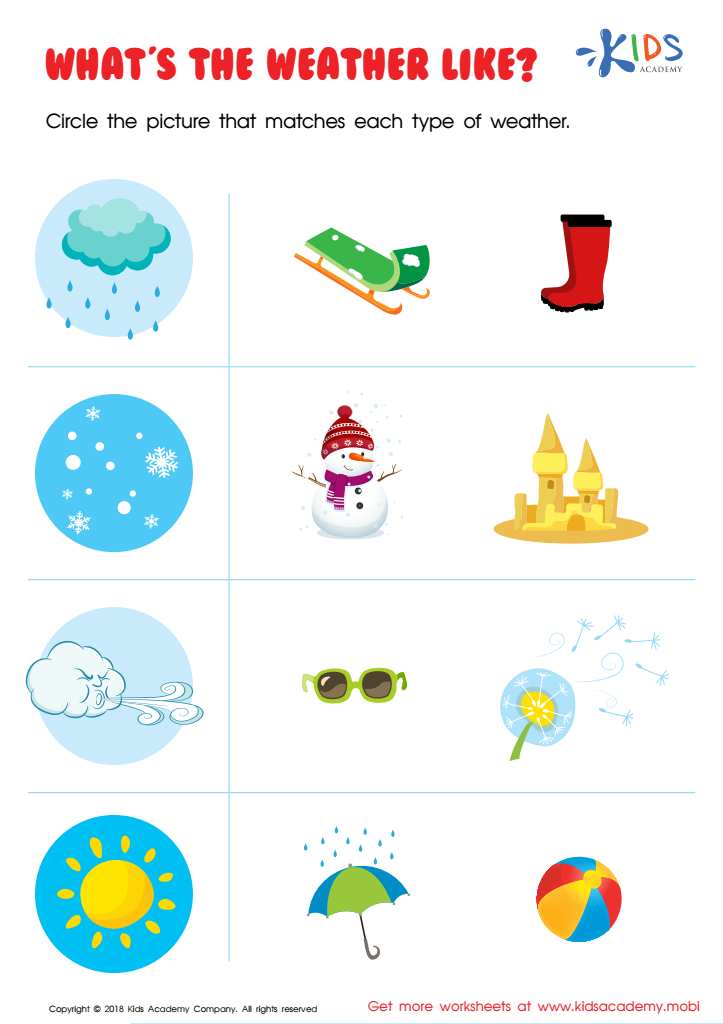
What's the Weather Like? Worksheet
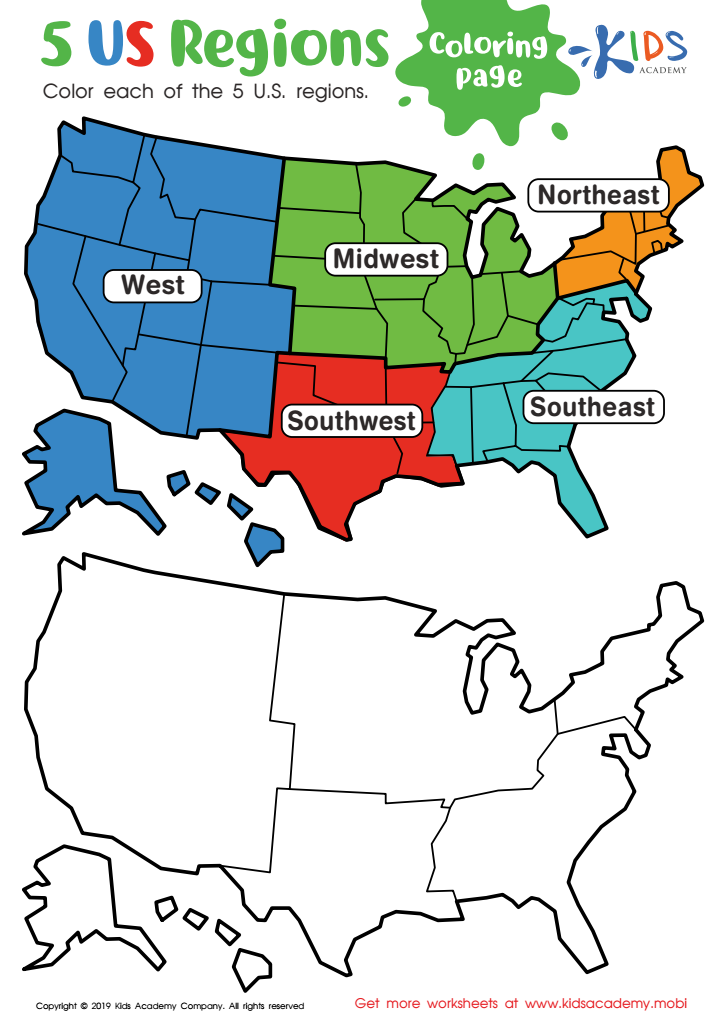
US Regions Coloring Page Worksheet
 Assign to My Students
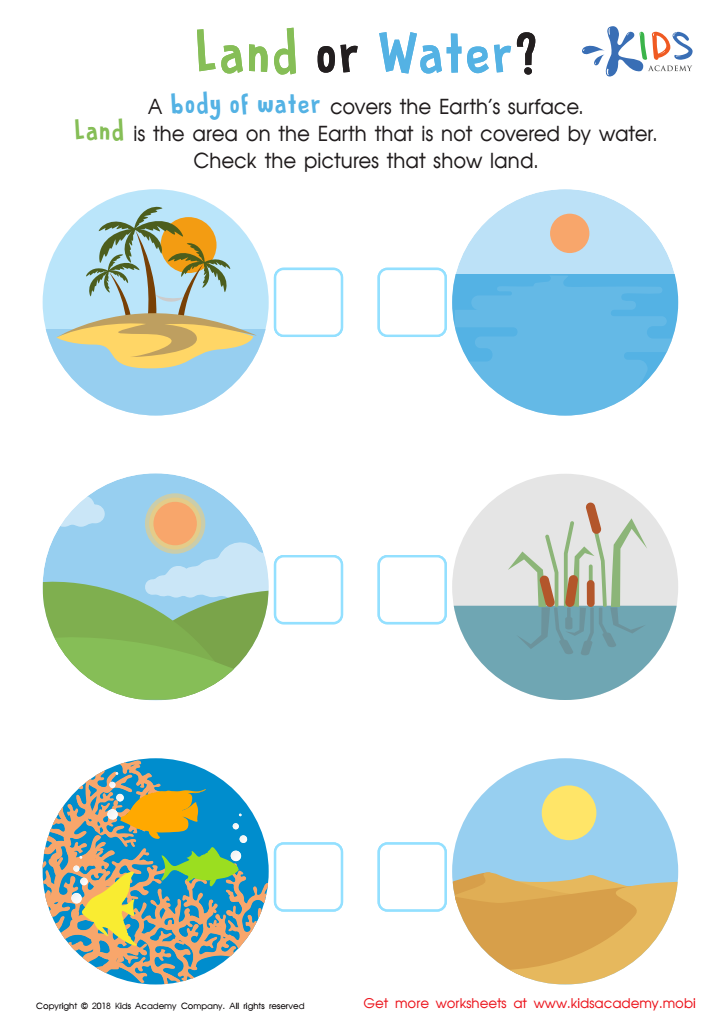
Land or Water Worksheet
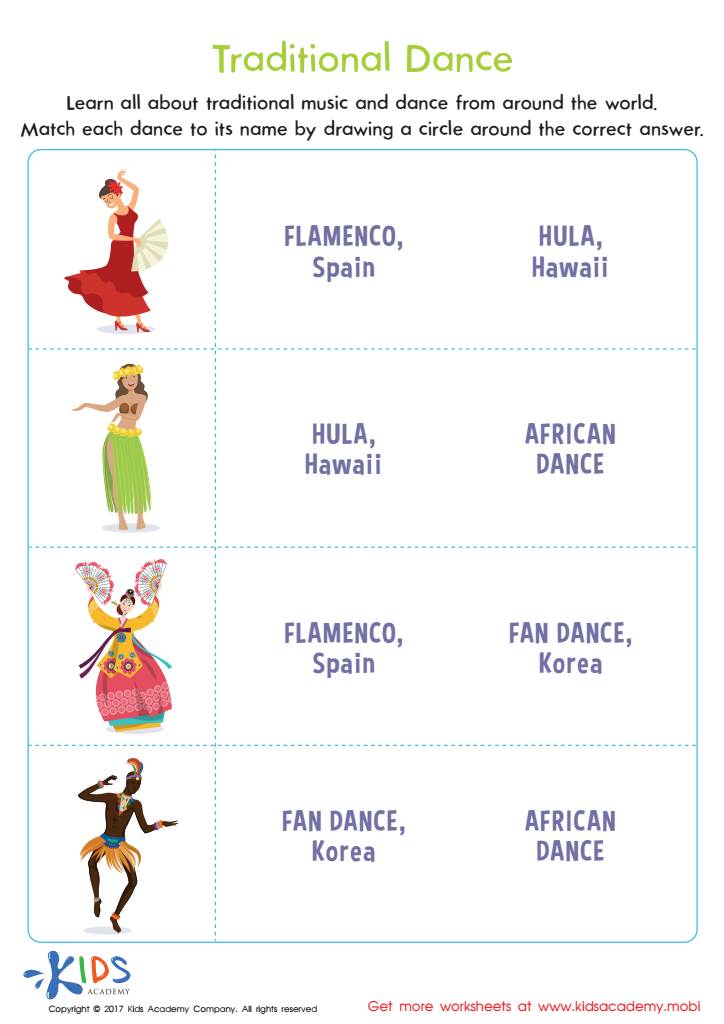
Traditional Dance Printable
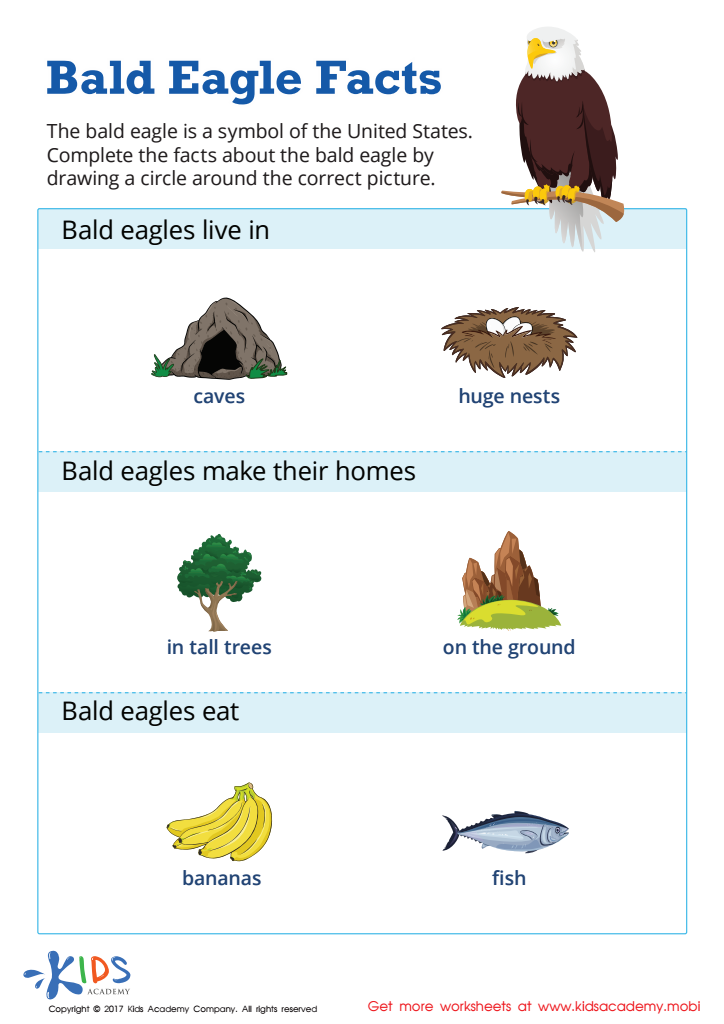
Bald Eagle Facts Worksheet
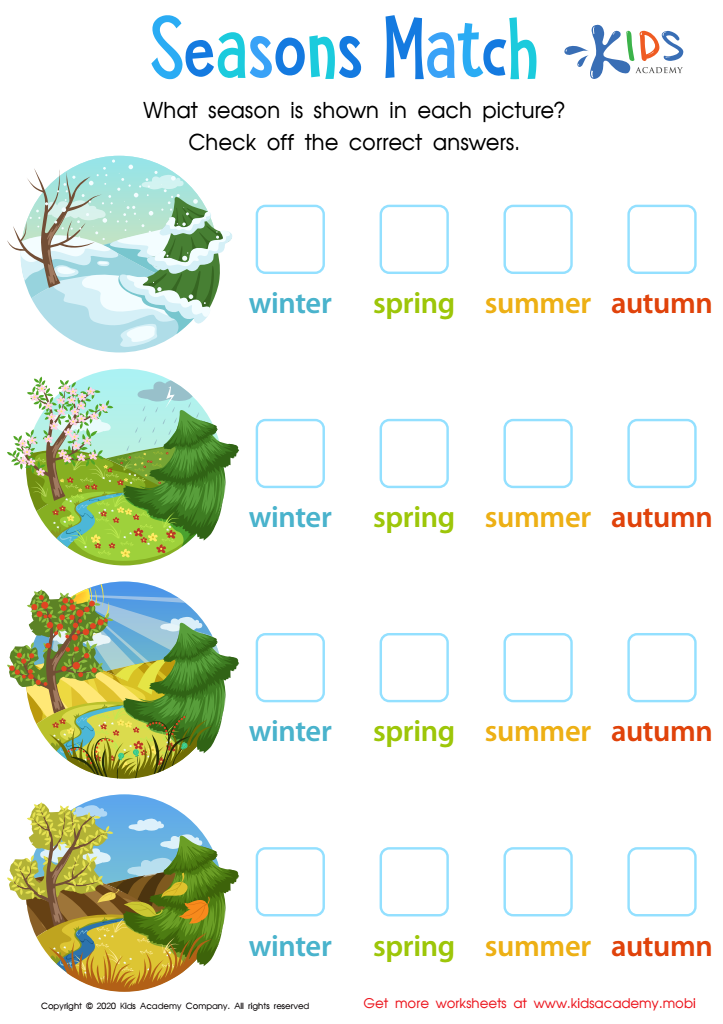
Seasons Match Worksheet
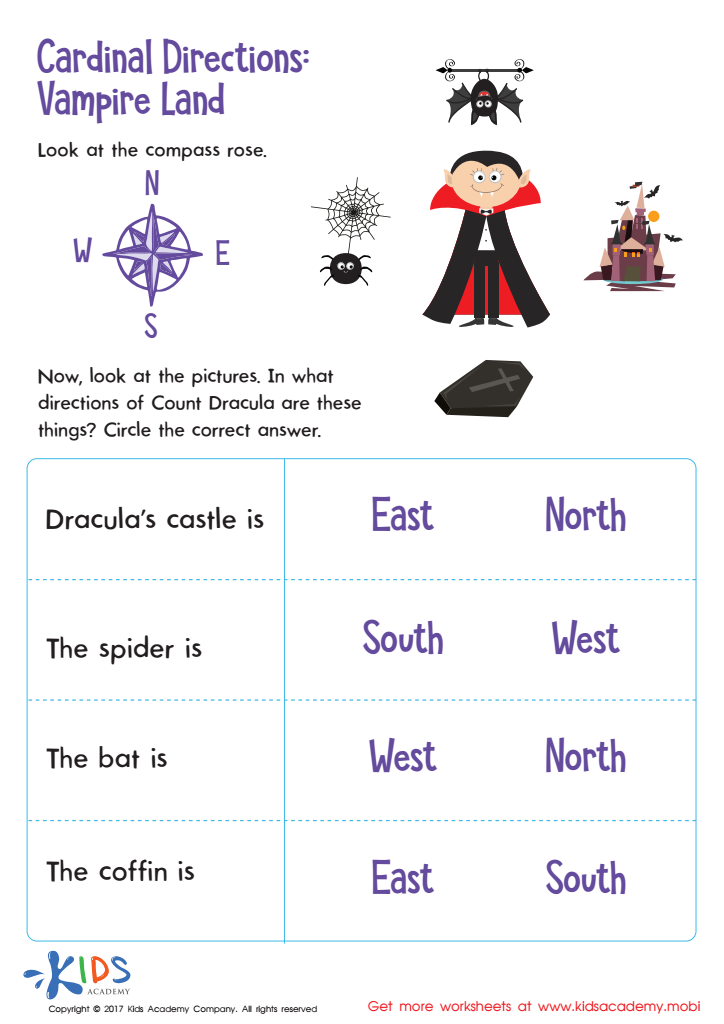
Cardinal Directions Printable
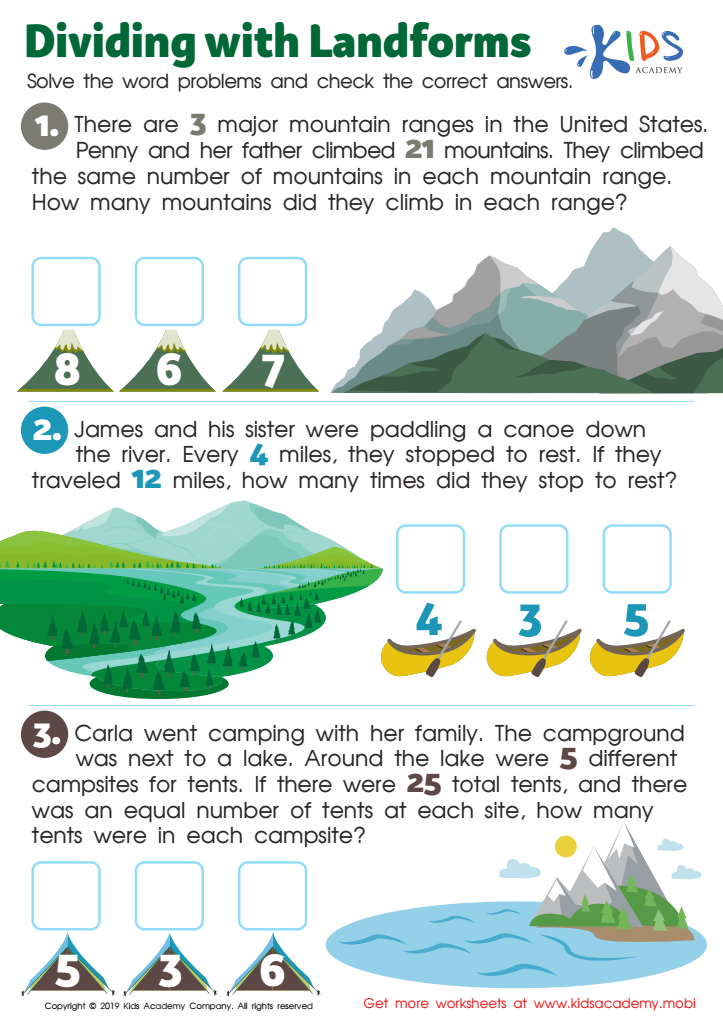
Dividing with Landforms
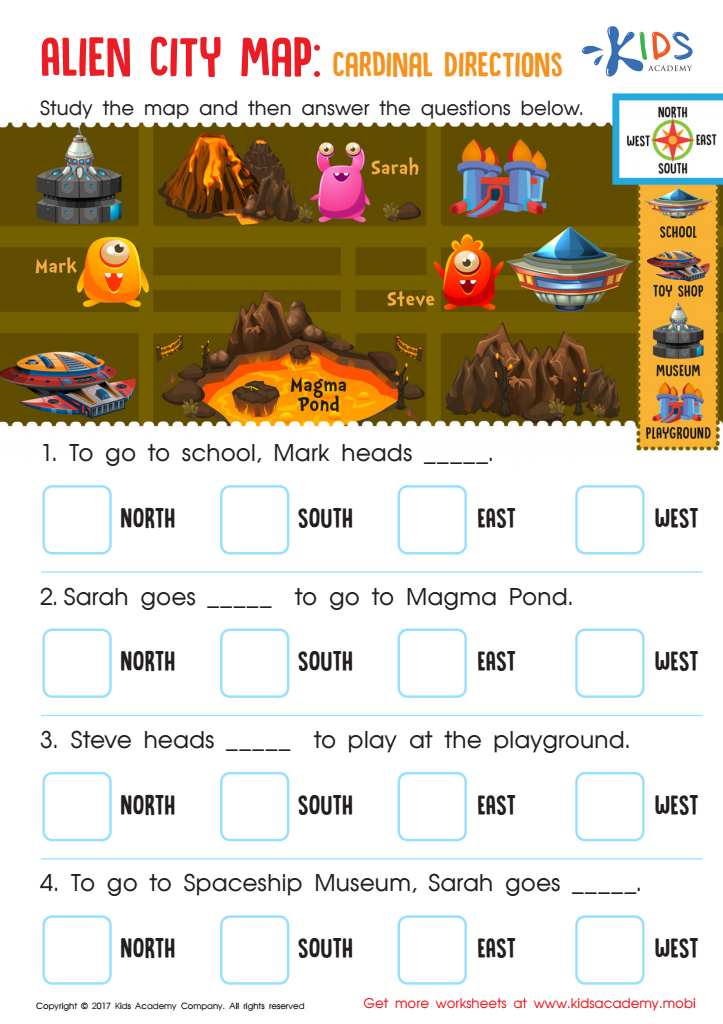
Alien City Map: Cardinal Directions Worksheet
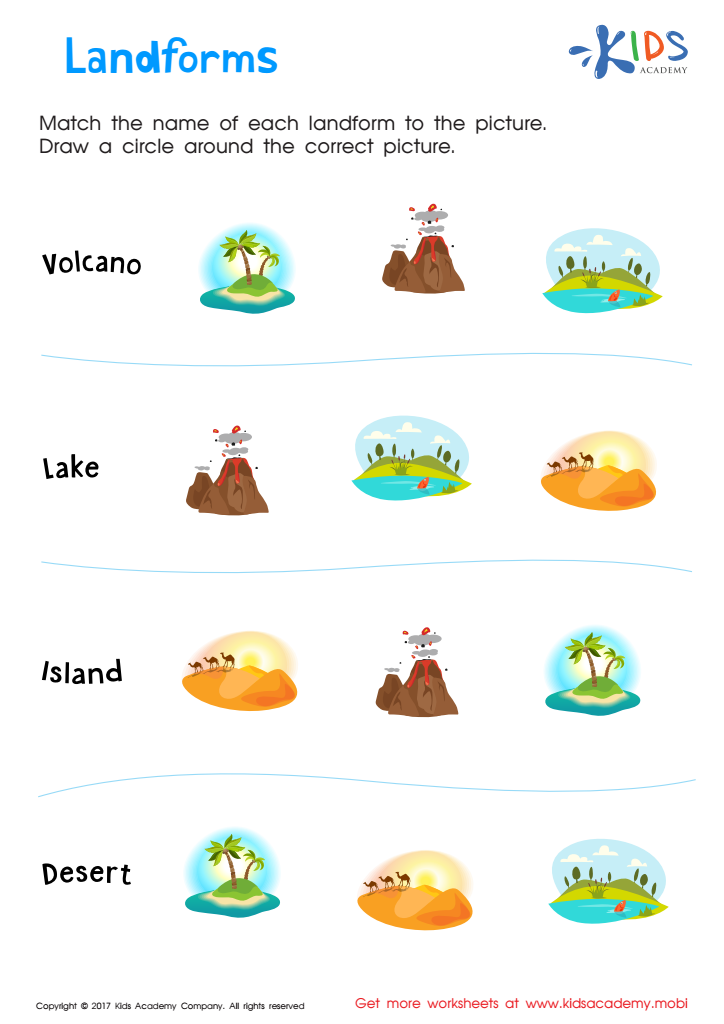
Landforms Printable
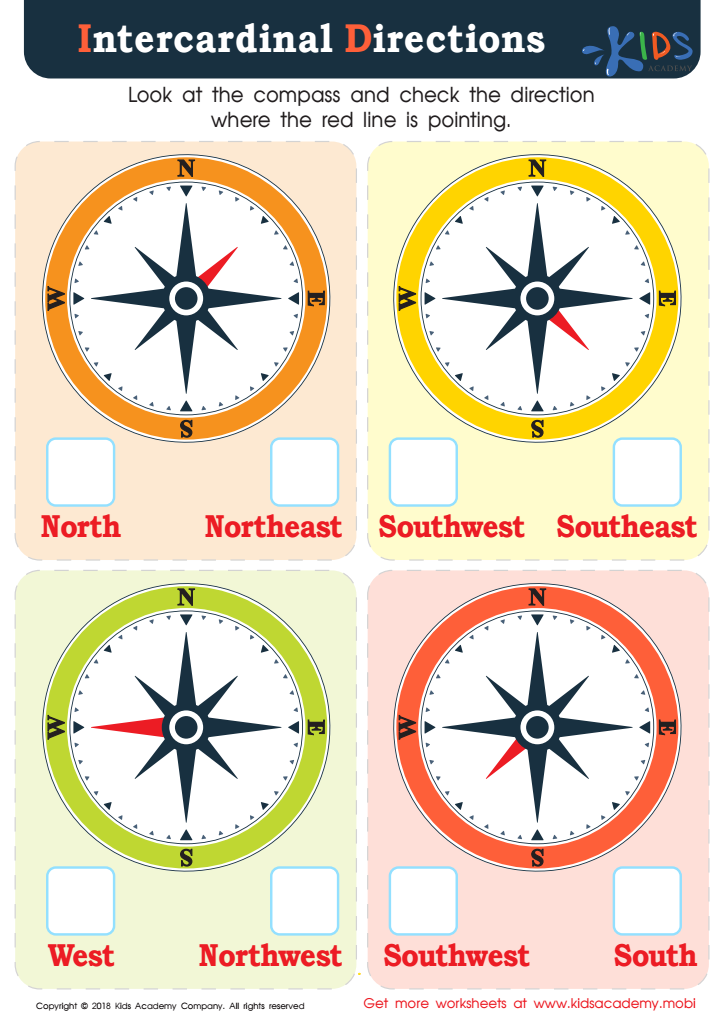
Intercardinal Directions Worksheet
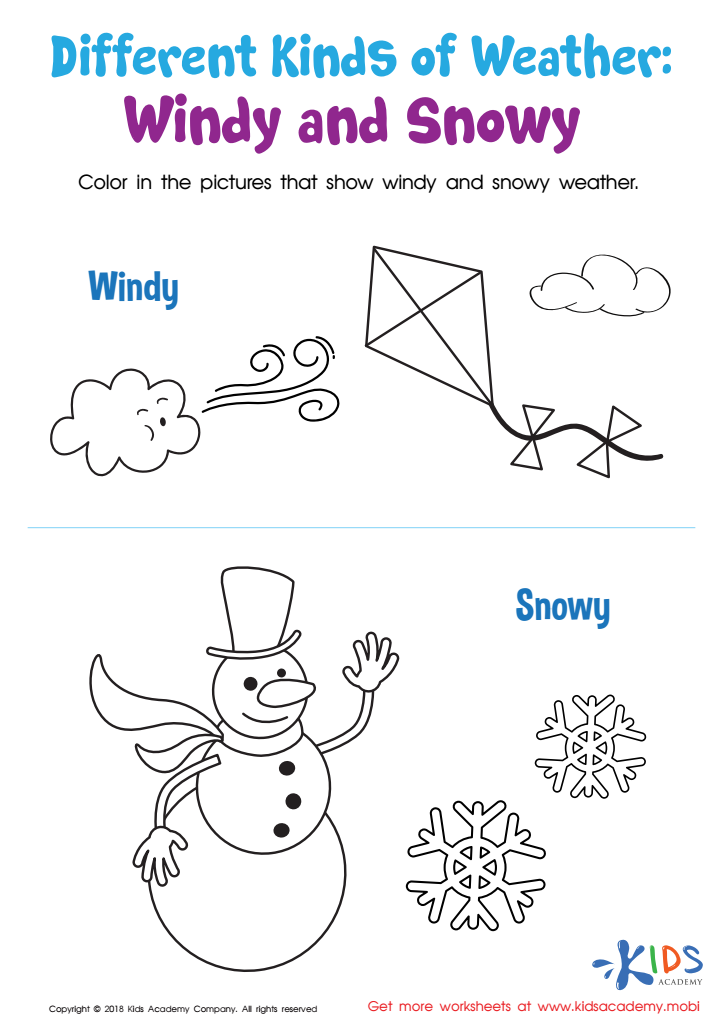
Different Kinds of Weather: Windy and Snowy Worksheet
Assign to My Students
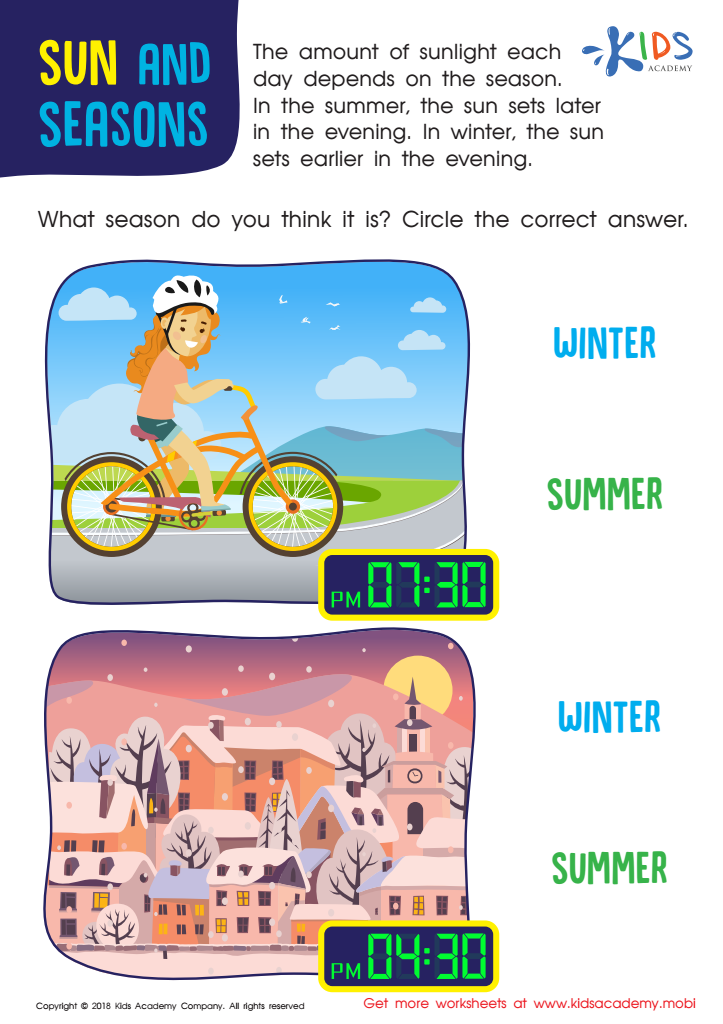
Sun and Seasons Worksheet
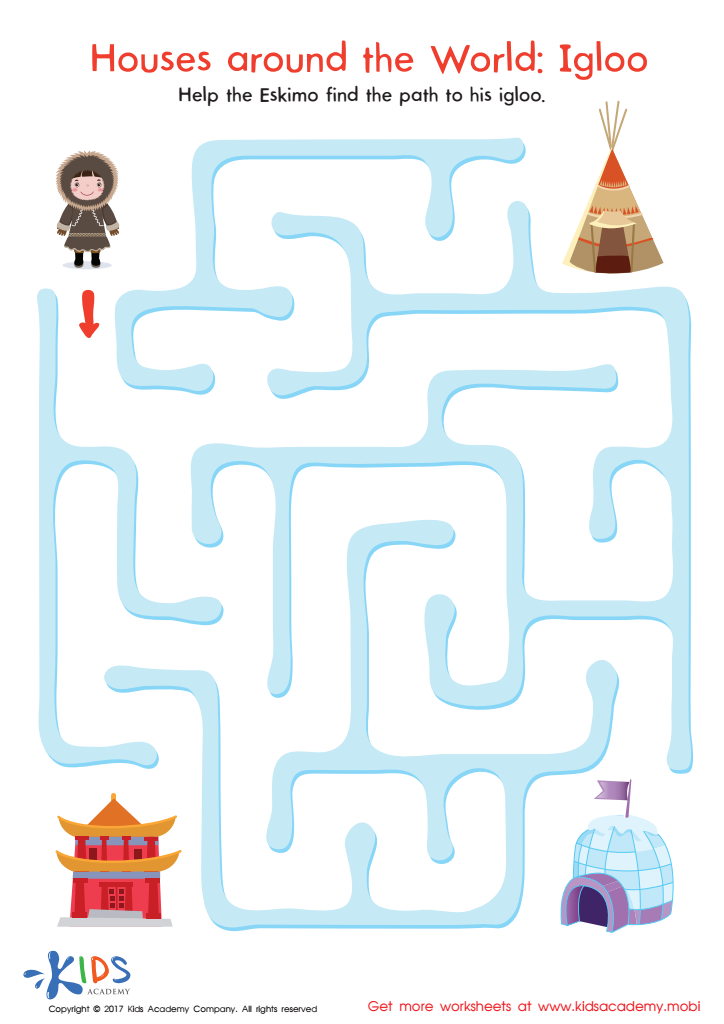
Houses Around the World: Igloo Printable
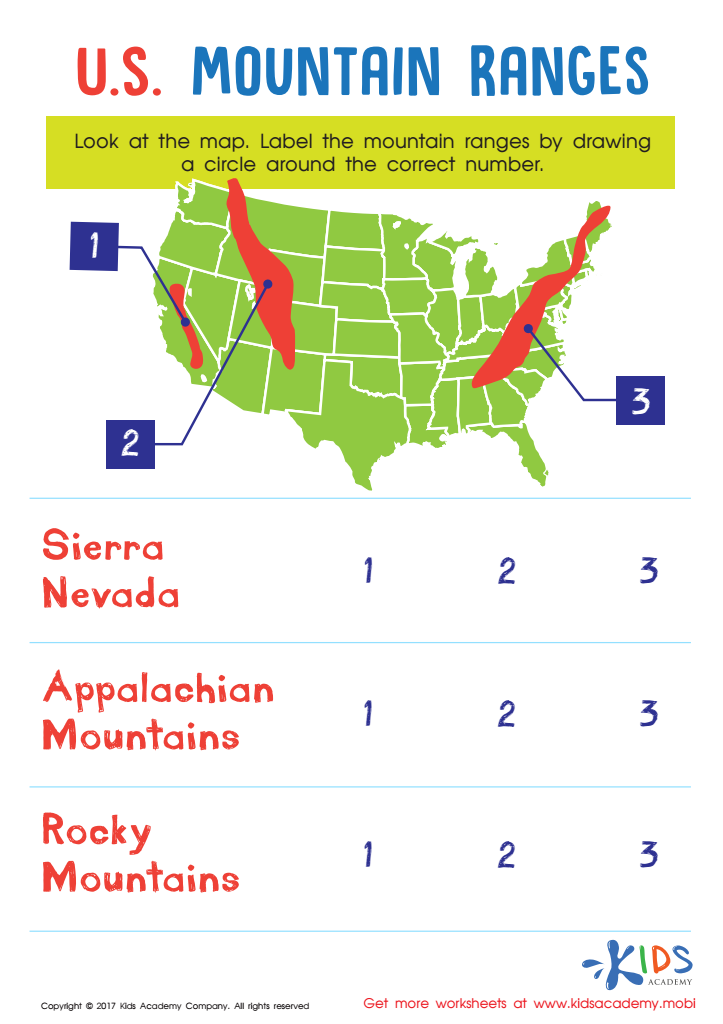
US Mountain Ranges Worksheet
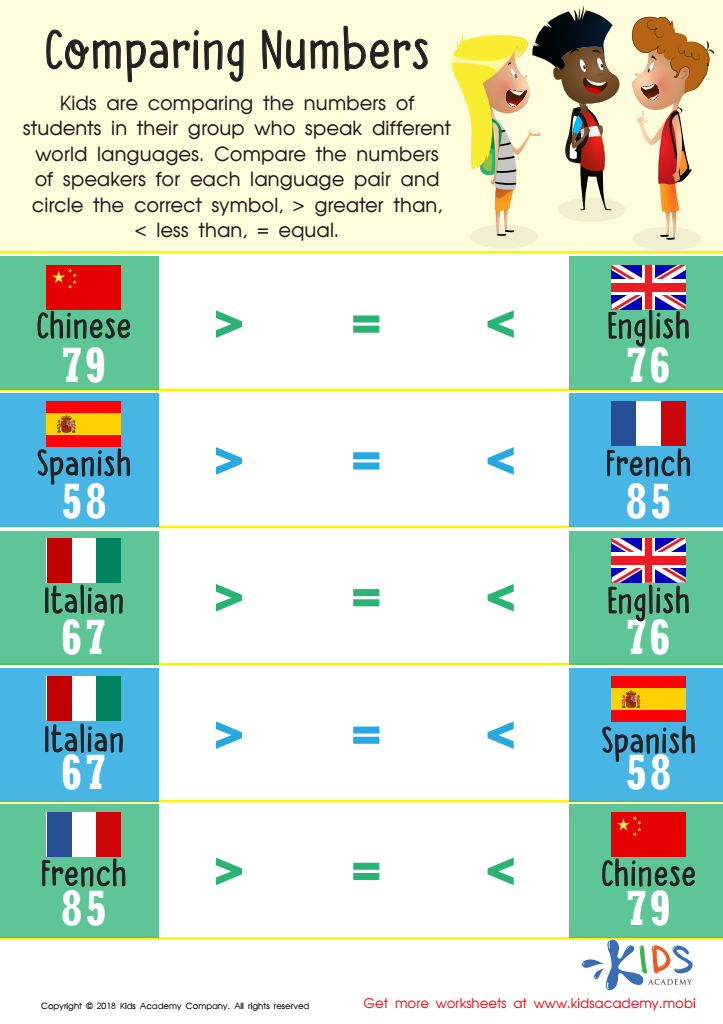
Comparing Numbers Worksheet for 1st Grade
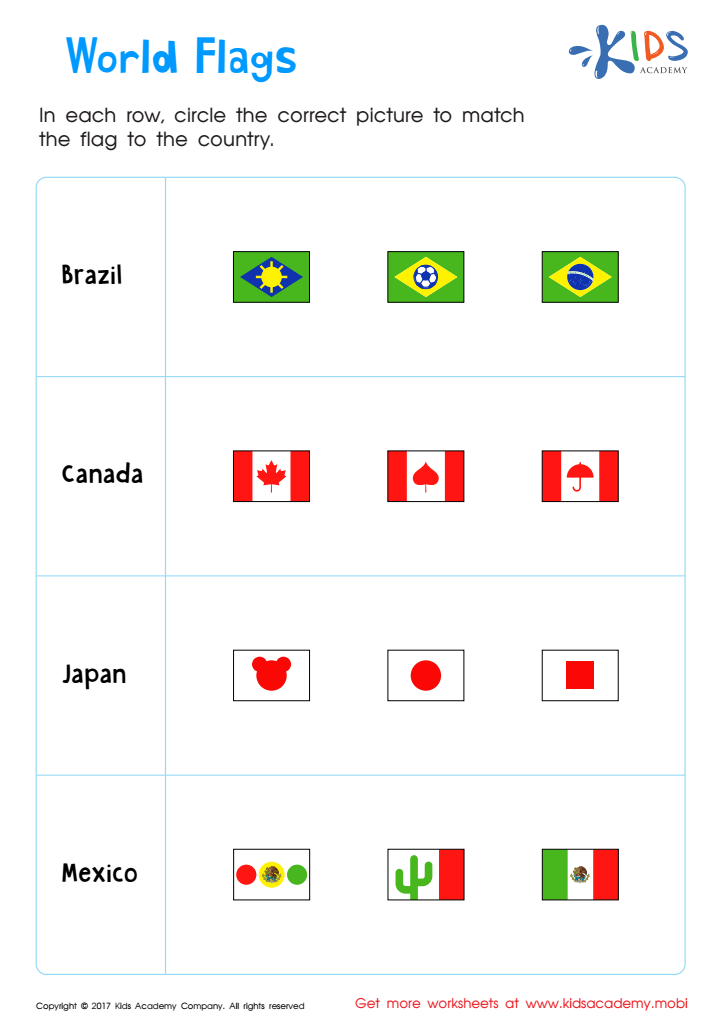
World Flags Printable
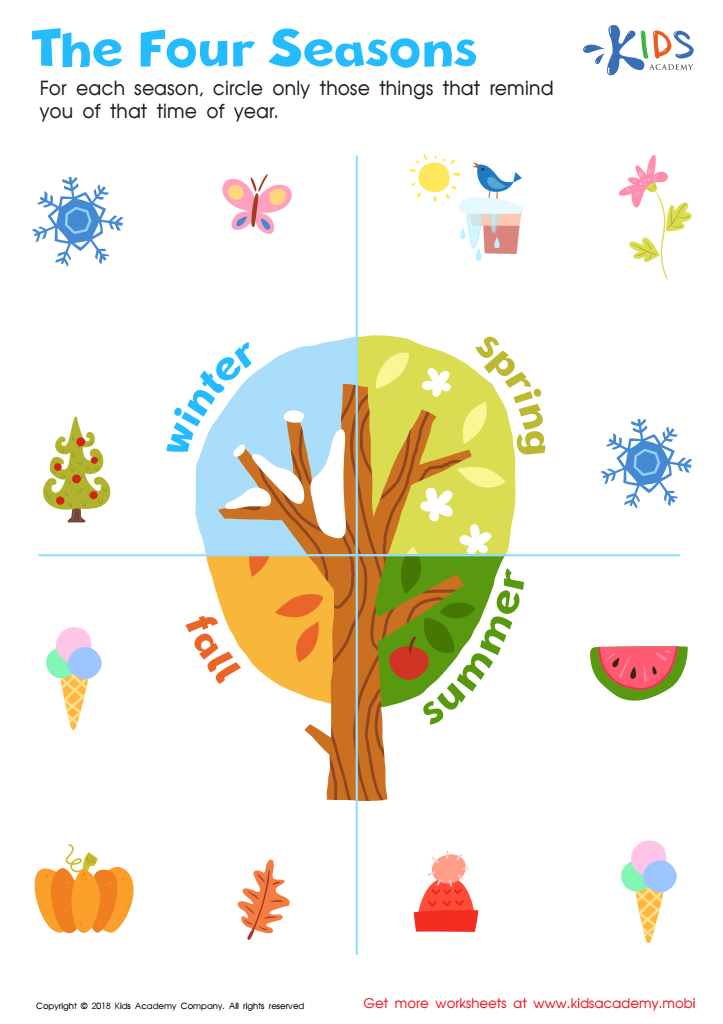
The Four Seasons Worksheet
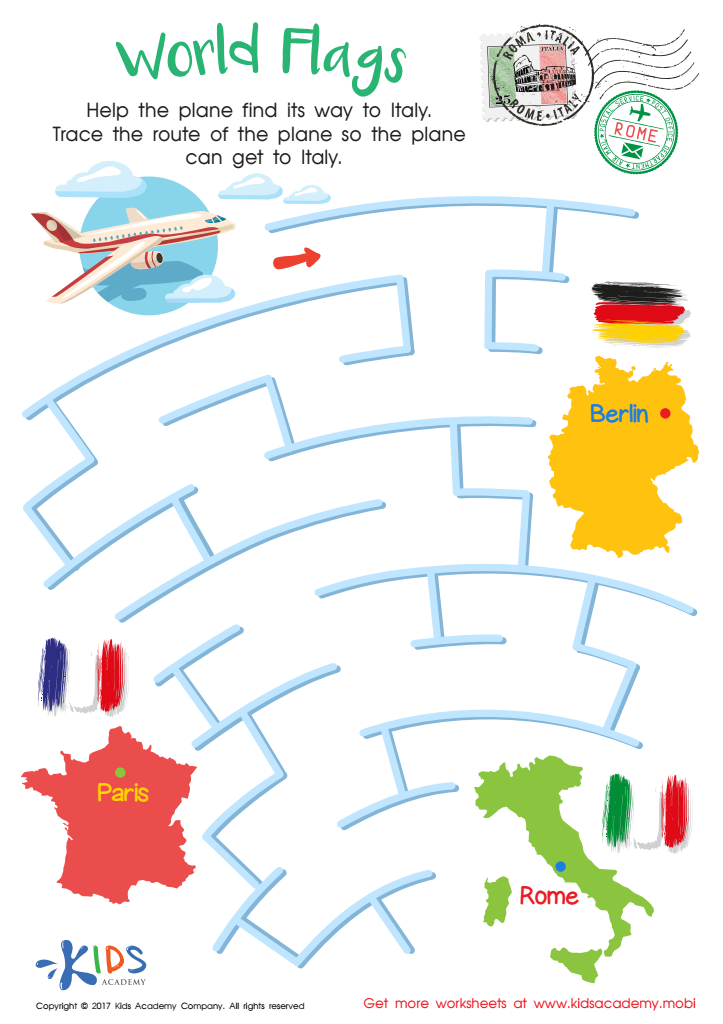
World Flags Maze Worksheet
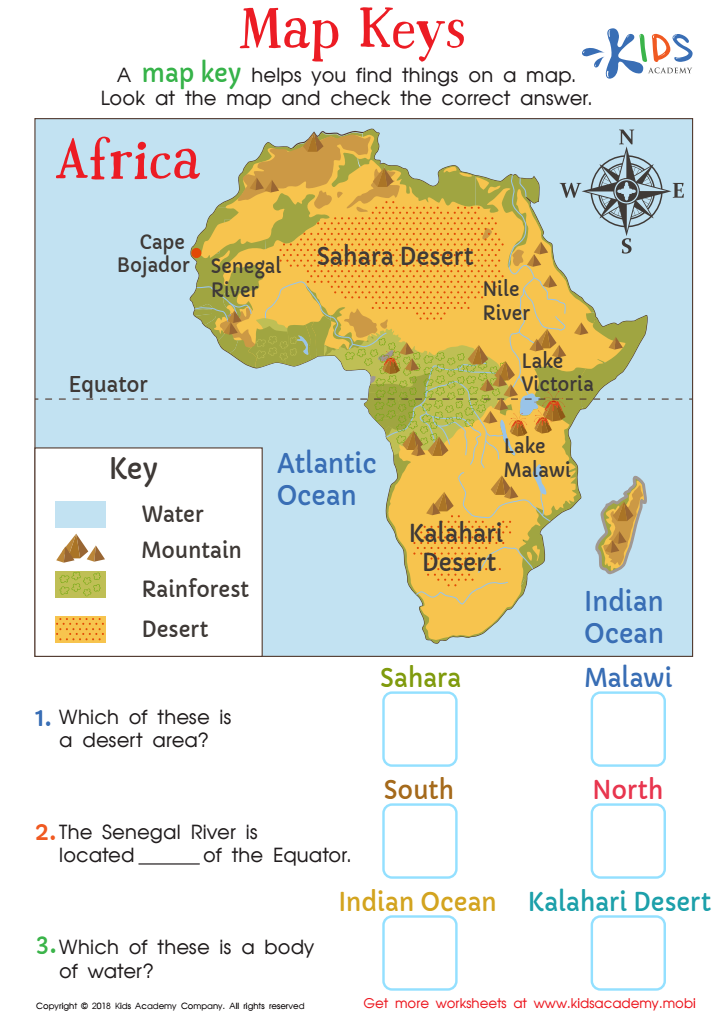
Map Keys Worksheet




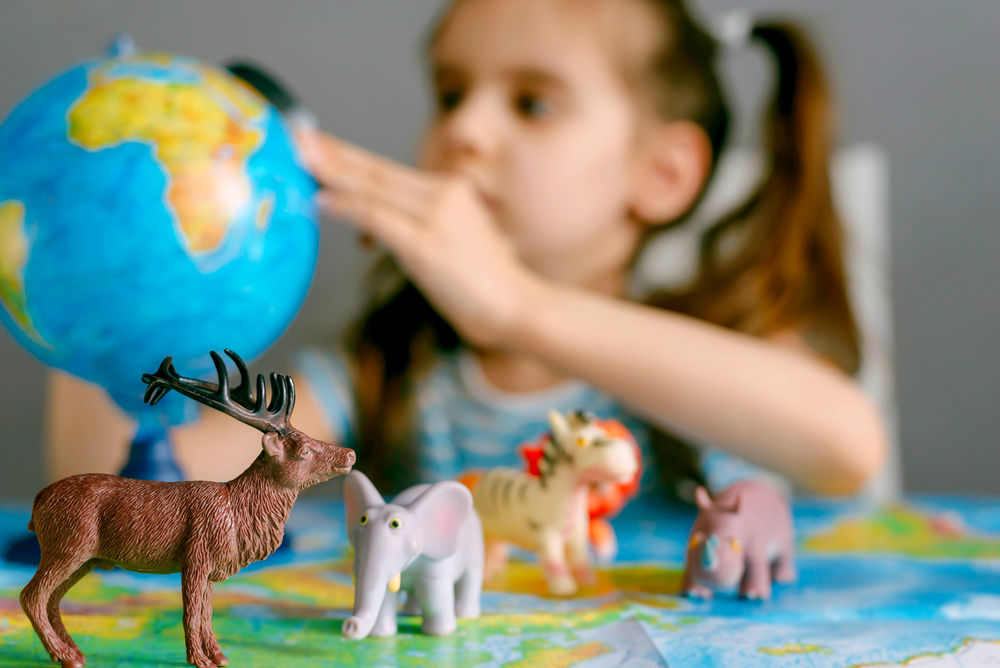


Understanding Normal Geography is crucial for children aged 5-7 as it lays the foundation for their worldview and critical thinking skills. At this early age, children's brains are highly receptive, making it the perfect time to introduce them to the basic concepts of geography. Awareness of their immediate environment fosters curiosity and a sense of belonging, as they learn about their community, country, and our planet.
Geography education at this level promotes essential skills like spatial awareness, map reading, and understanding cultural diversity. By exploring maps, landscapes, and the relationships between people and places, children absorb important lessons in empathy and respect for different cultures. Furthermore, incorporating geography into daily learning encourages interdisciplinary connections—art, science, and mathematics can all be enhanced through a geographical lens.
Moreover, parents and teachers who prioritize geography help cultivate environmentally conscious citizens. As children learn about nature, climate, and sustainable practices early on, they become more aware of their responsibilities in protecting the planet. This foundational knowledge not only enriches their education but also shapes them into informed, engaged individuals, ready to participate in a global society. By investing time in Normal Geography, adults empower children to nurture a lifelong curiosity and appreciation for the world around them.