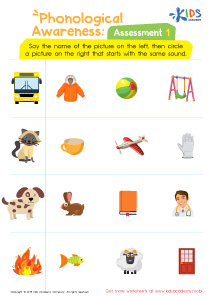
Normal Consonants Worksheets for Ages 5-8 - Page 2
26 filtered results
-
From - To
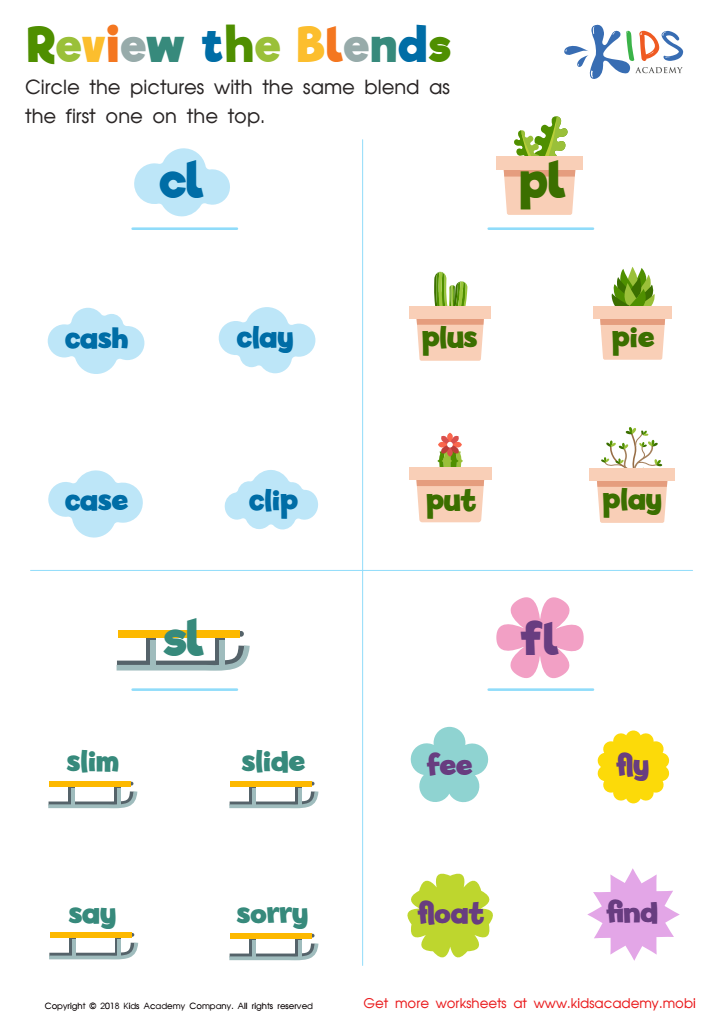
Review the Blends Worksheet
 Assign to My Students
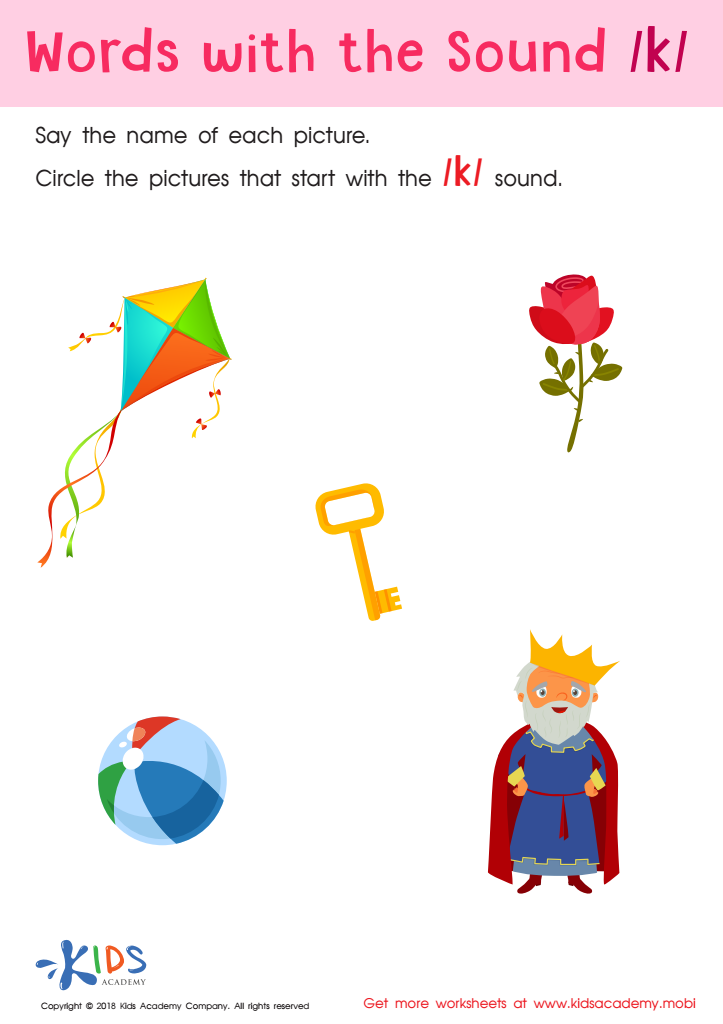
Words with sound k Reading Worksheet



Parents and teachers should focus on normal consonant development for children ages 5-8 because it plays a critical role in literacy and communication. At this age, children are in a pivotal stage of language development, and articulating consonant sounds correctly is crucial for clear speech. Mastery of these sounds affects their ability to read, spell, and understand words properly. If children mispronounce consonants, it can hinder their reading comprehension and writing skills, leading to academic struggles.
Moreover, appropriate consonant usage facilitates effective communication, which boosts a child's confidence in social interactions. Poor articulation can lead to misunderstandings and frustration, potentially impacting a child's social relationships and self-esteem.
Early detection and intervention can correct articulation issues before they become ingrained habits. Teachers equipped with the knowledge of normal consonant development can create targeted exercises and activities to support children who may be struggling.
Ultimately, focusing on normal consonant development sets a strong foundation for future academic success and helps ensure children can express themselves clearly and confidently. It's an essential component of early childhood education that supports a range of developmental milestones.