Normal Ending Sounds Worksheets for Ages 5-8
5 filtered results
-
From - To
Discover engaging and educational Normal Ending Sounds Worksheets designed for children ages 5-8. These printable activities help young learners master letter recognition and phonemic awareness by focusing on the concluding sounds in words. Our worksheets are colorful, fun, and specially crafted to reinforce essential reading skills and boost early literacy. Perfect for classroom or at-home use, each sheet provides a mix of visual aids, practice exercises, and interactive challenges to keep kids motivated and excited about learning. Give your child the tools they need for successful reading with our expertly-designed ending sounds worksheets.
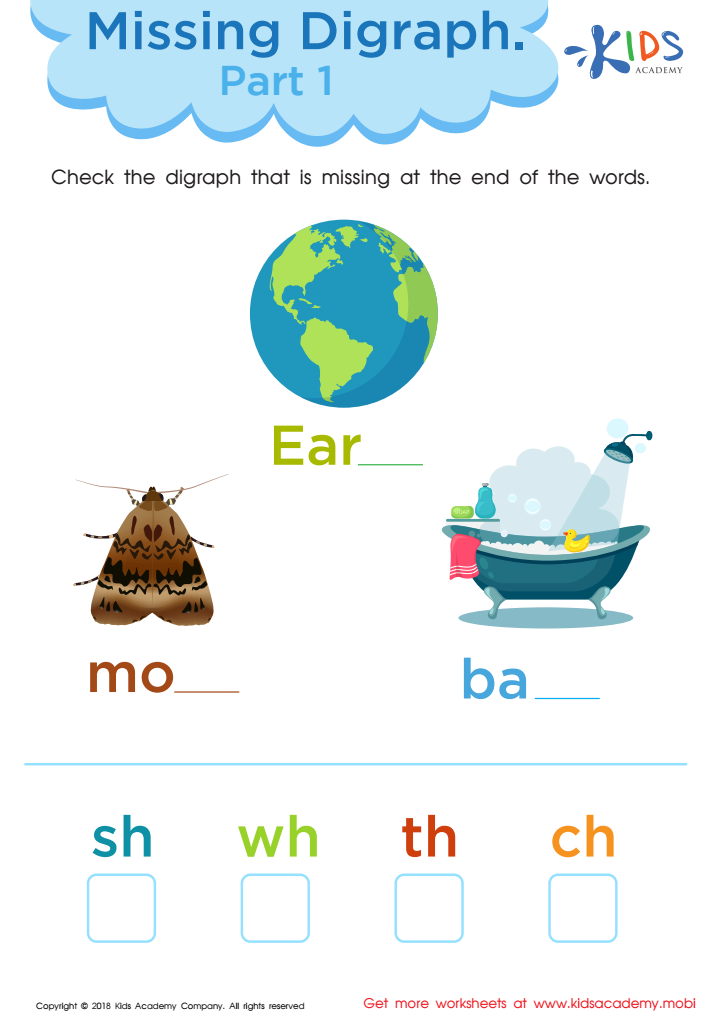
Missing Digraph: Part 1 Worksheet
 Assign to My Students
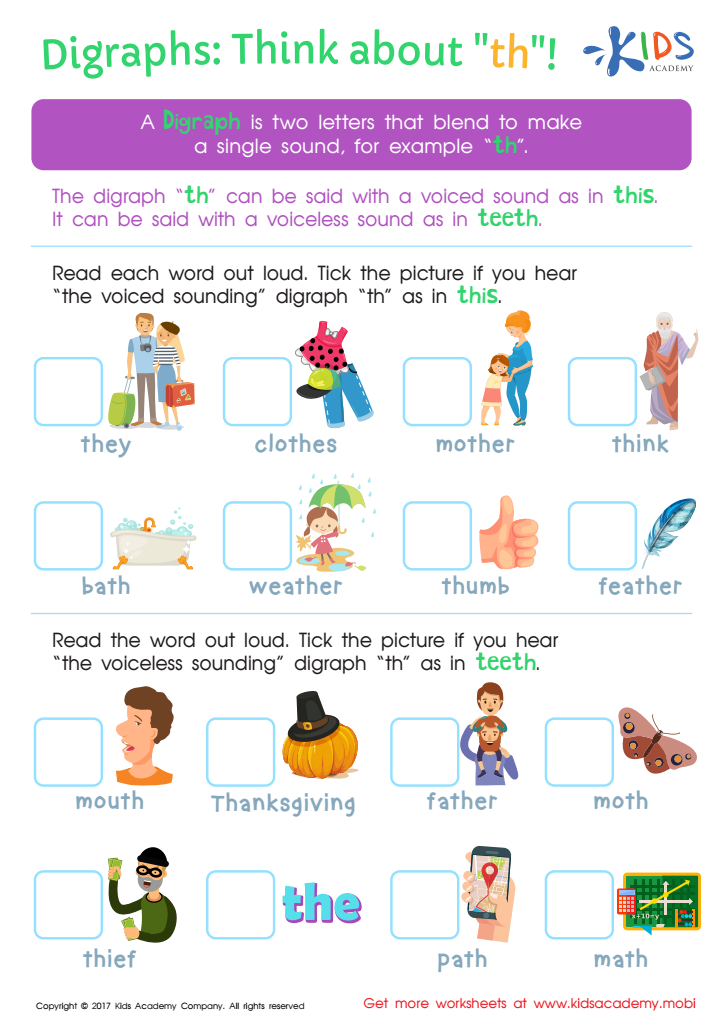
Digraphs: Think About "th" Worksheet
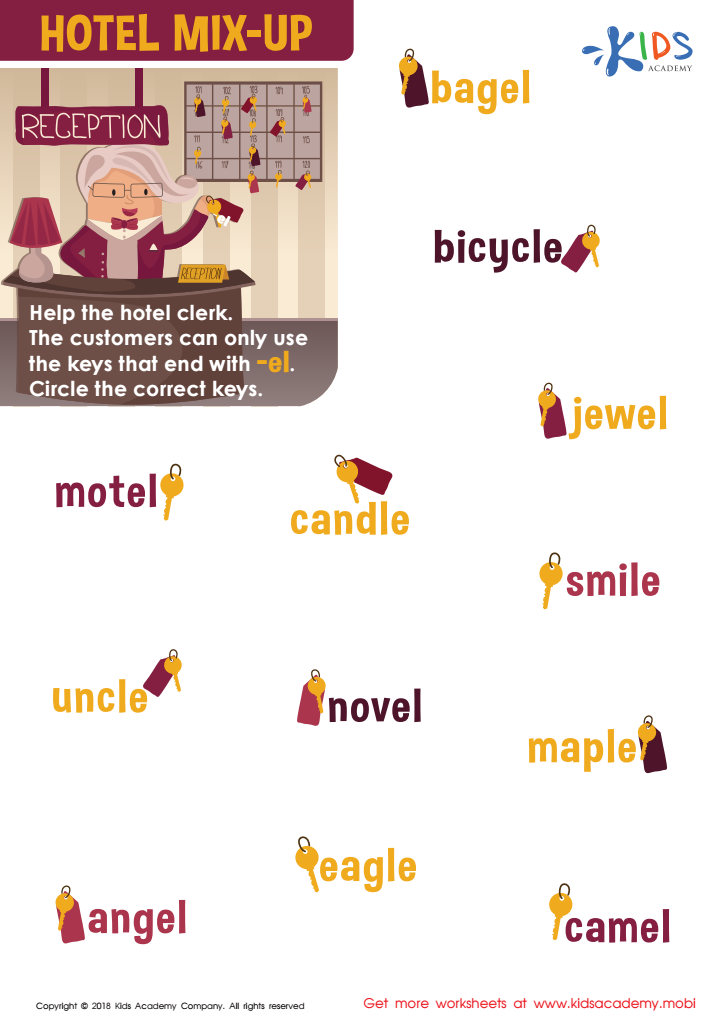
Hotel Mix-up Worksheet
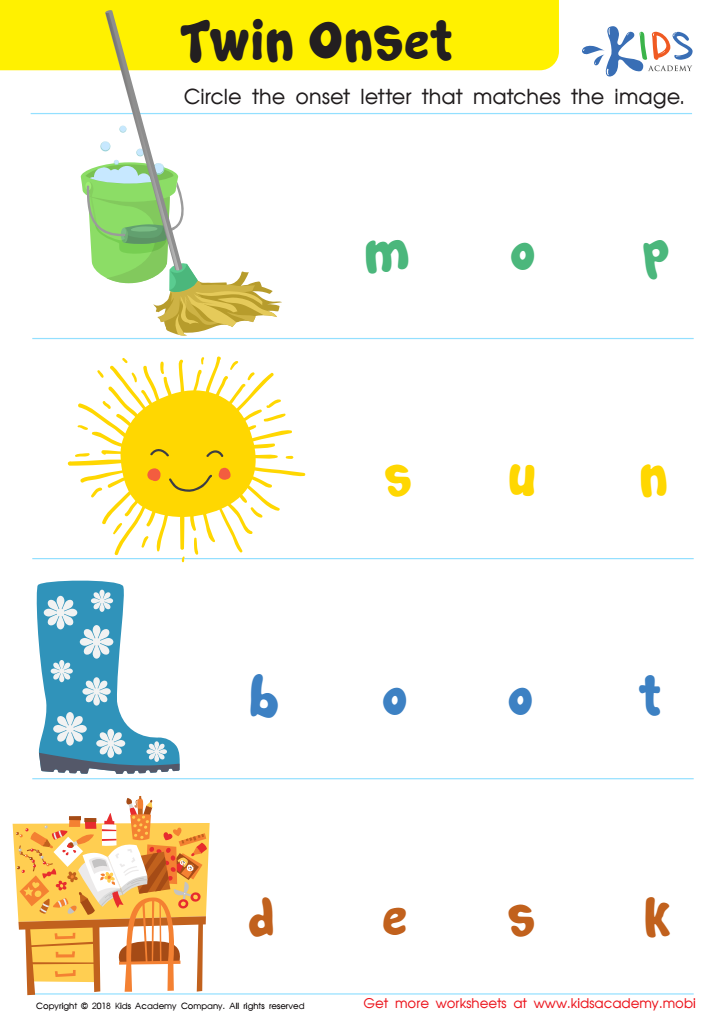
Twin Onset Worksheet
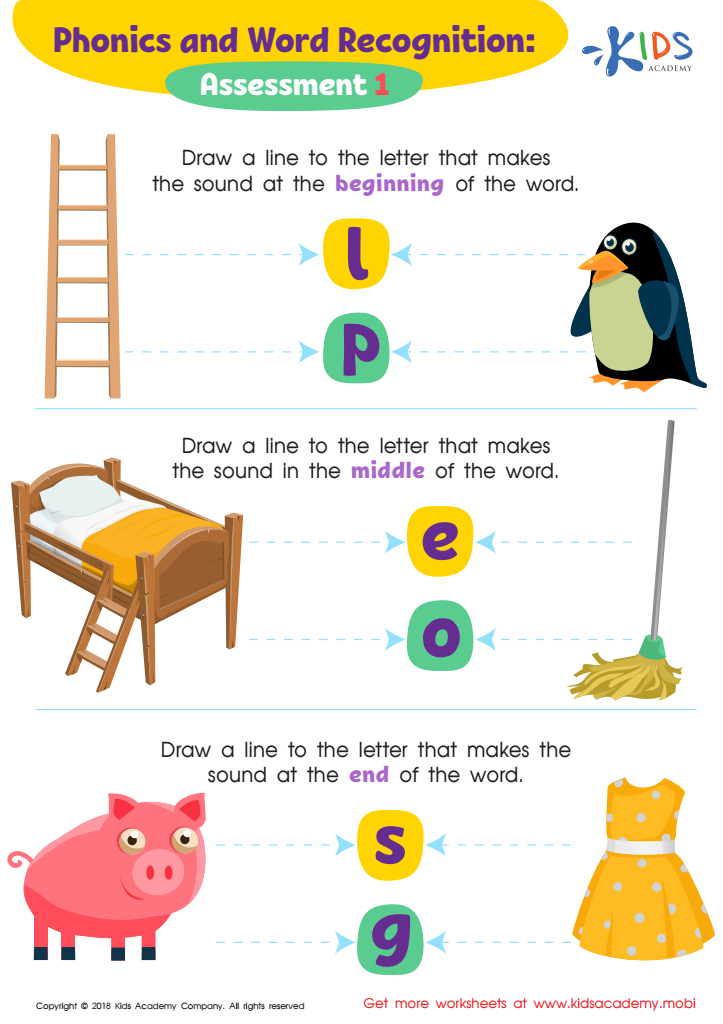
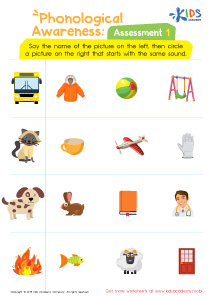
Phonics and Word Recognition: Assessment 1 ELA Worksheet






Normal ending sounds in words, often referred to as "final consonant sounds," are crucial for children aged 5-8 as they form a cornerstone of effective literacy development. Mastery of these sounds helps in accurate reading, spelling, and overall linguistic proficiency. When children can correctly identify and pronounce final consonant sounds, they enhance their phonemic awareness—a key ingredient for reading success. Skipping these sounds can lead to misunderstandings and miscommunications, as the meaning of words can dramatically change (e.g., "bat" vs. "bad").
Moreover, understanding ending sounds supports spelling skills, enabling children to transcribe words correctly and express their ideas more clearly. It aids them in breaking down and decoding new words while reading, enhancing their ability to tackle complex texts. This linguistic foundation not only improves academic outcomes but also boosts confidence, encouraging children to participate more actively in classroom discussions.
Parents and teachers should emphasize these sounds through playful, engaging activities like rhyming games, story time, and phoneme manipulation exercises. Such activities create a fun and supportive learning environment, fostering both enjoyment and educational growth. By prioritizing normal ending sounds, caregivers and educators build a robust platform for a child's future literacy and communication skills.