Sound recognition Normal Phonics Worksheets for Ages 5-8
11 filtered results
-
From - To
Explore our Sound Recognition Normal Phonics Worksheets designed for children ages 5-8! These engaging worksheets focus on helping young learners develop essential phonetic skills through interactive activities. By recognizing and matching sounds to letters, kids will build a strong foundation in reading and language comprehension. Our age-appropriate materials feature colorful illustrations and varied exercises that cater to different learning styles, ensuring every child stays motivated and entertained. Perfect for home or classroom use, these worksheets are an excellent resource for teachers and parents alike. Dive into the world of phonics and watch your child's reading abilities soar!
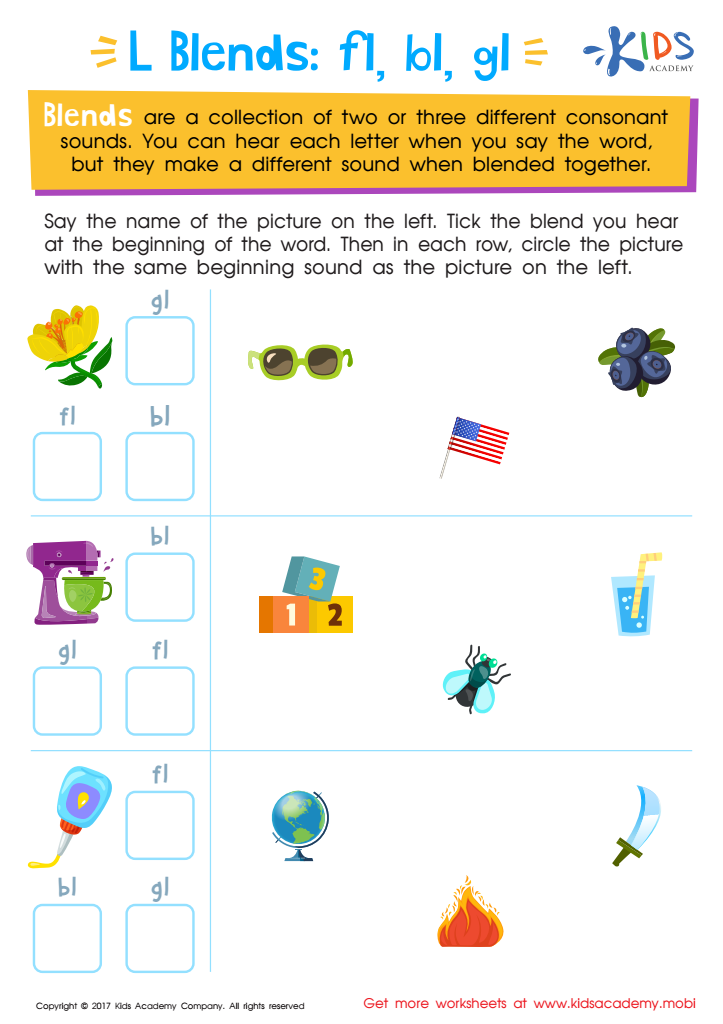
Blending Consonants: "Fl", "Bl" and "Gl" Printable
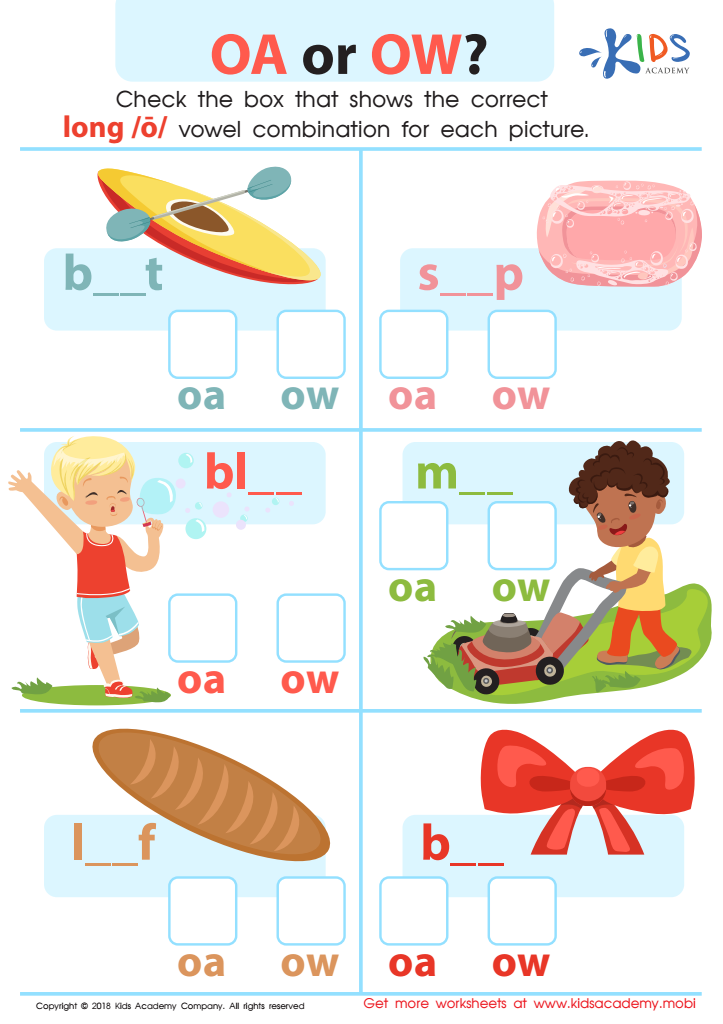
Reading: OA or OW Worksheet
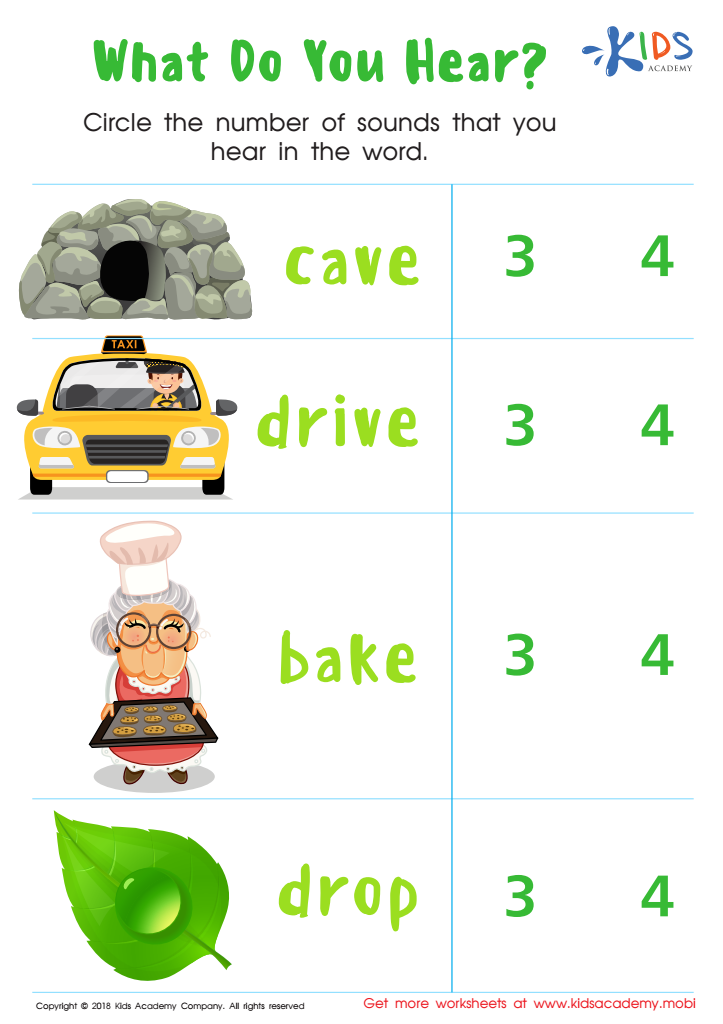
What Do You Hear? Worksheet
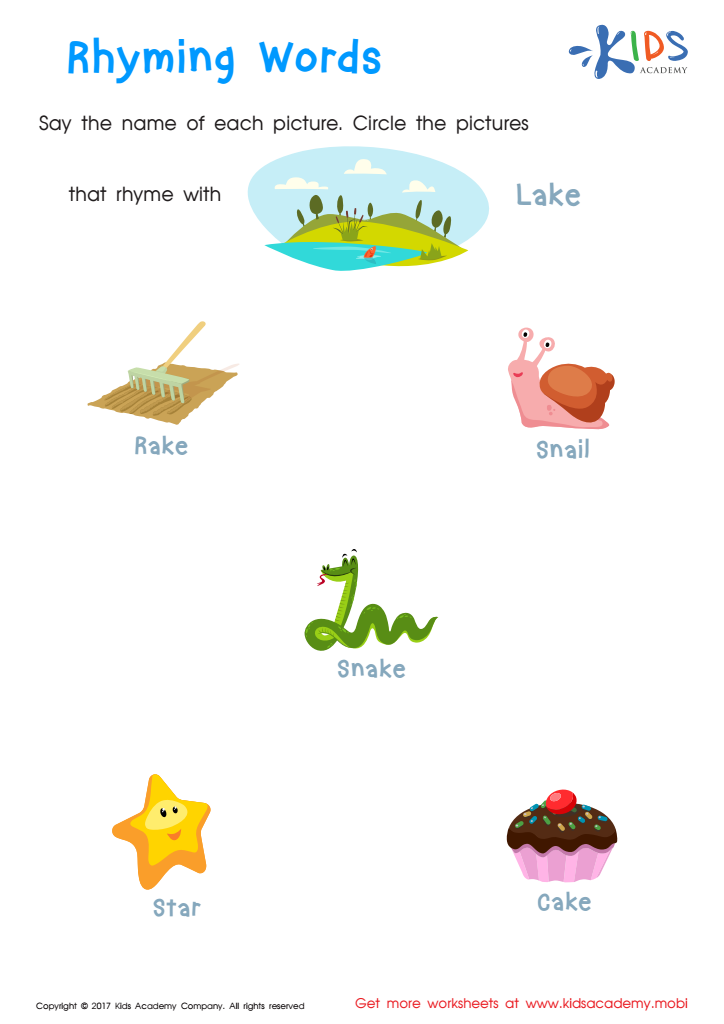
Rhyming Words Rhyming Worksheet
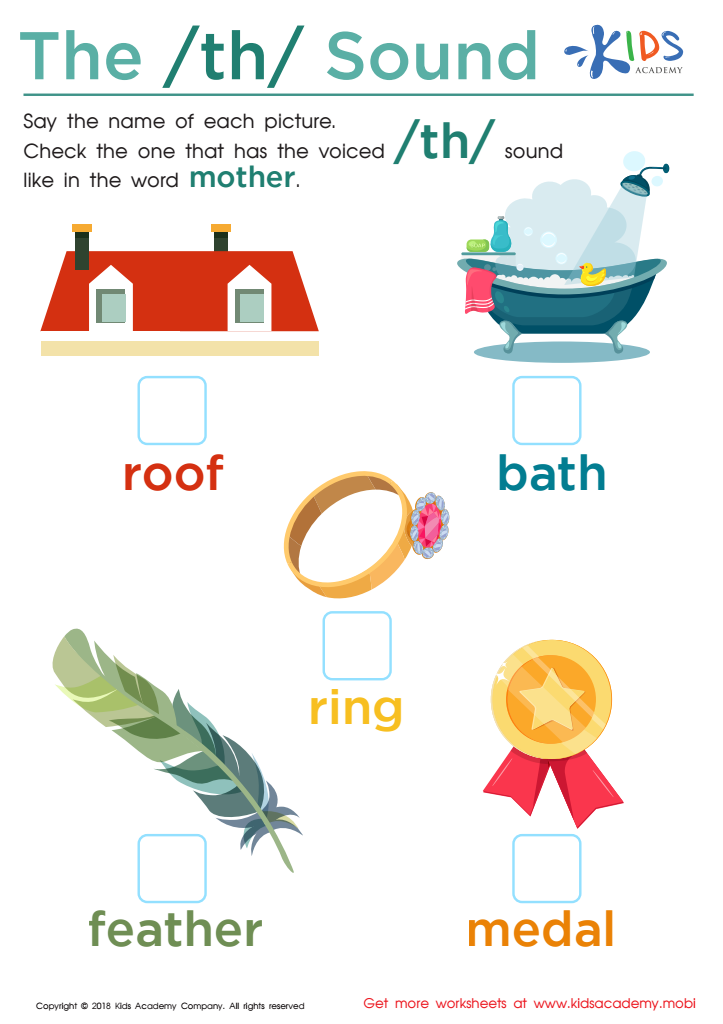
The /th/ Sound Worksheet
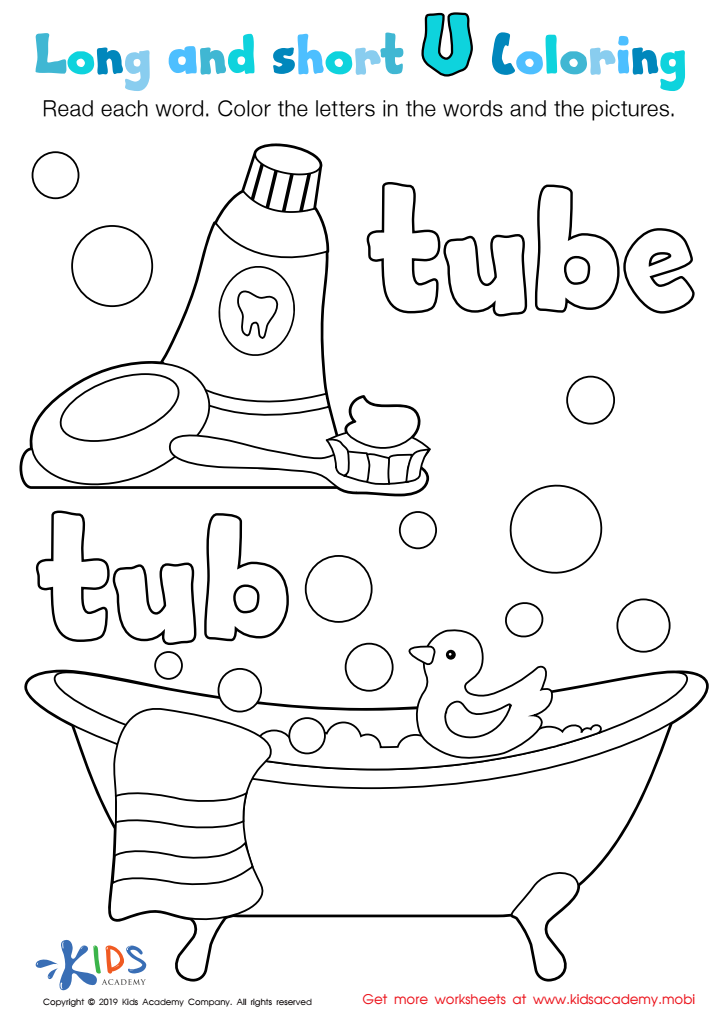
Long and Short U Worksheet
 Assign to My Students
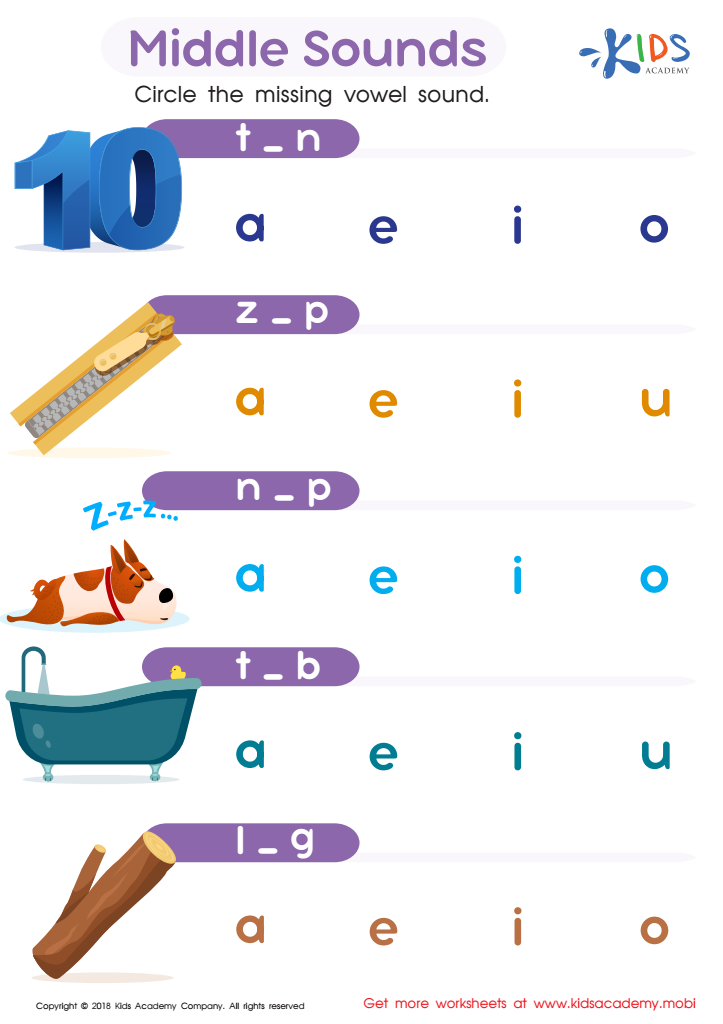
Middle Sounds Worksheet
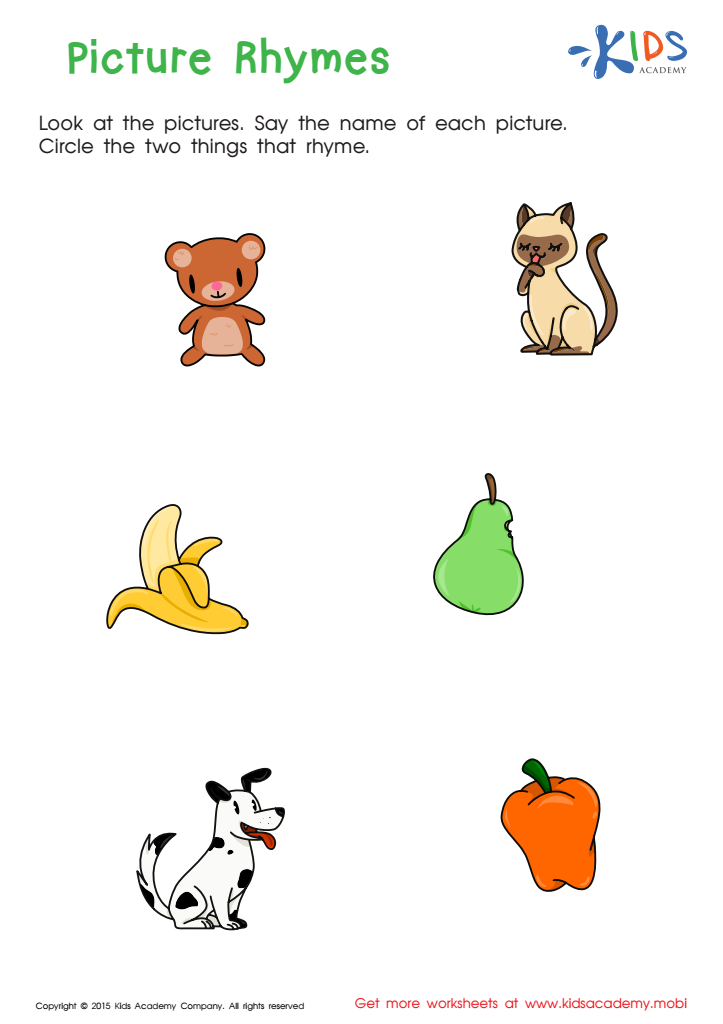
First Words: Picture Rhymes Worksheet
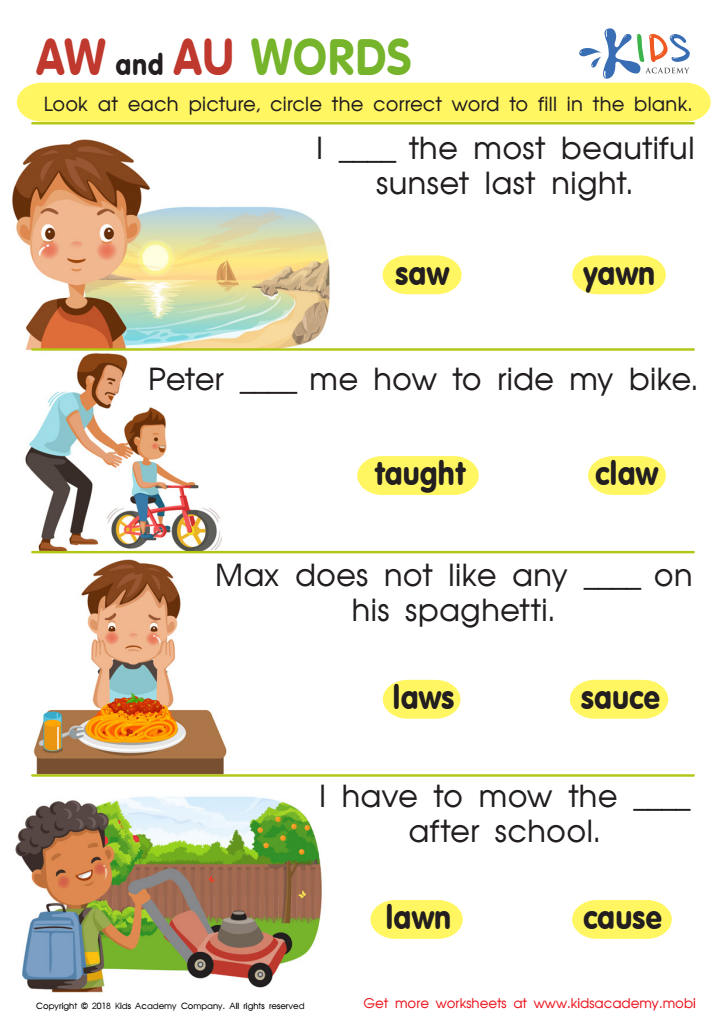
Reading: AW and AU Words Worksheet
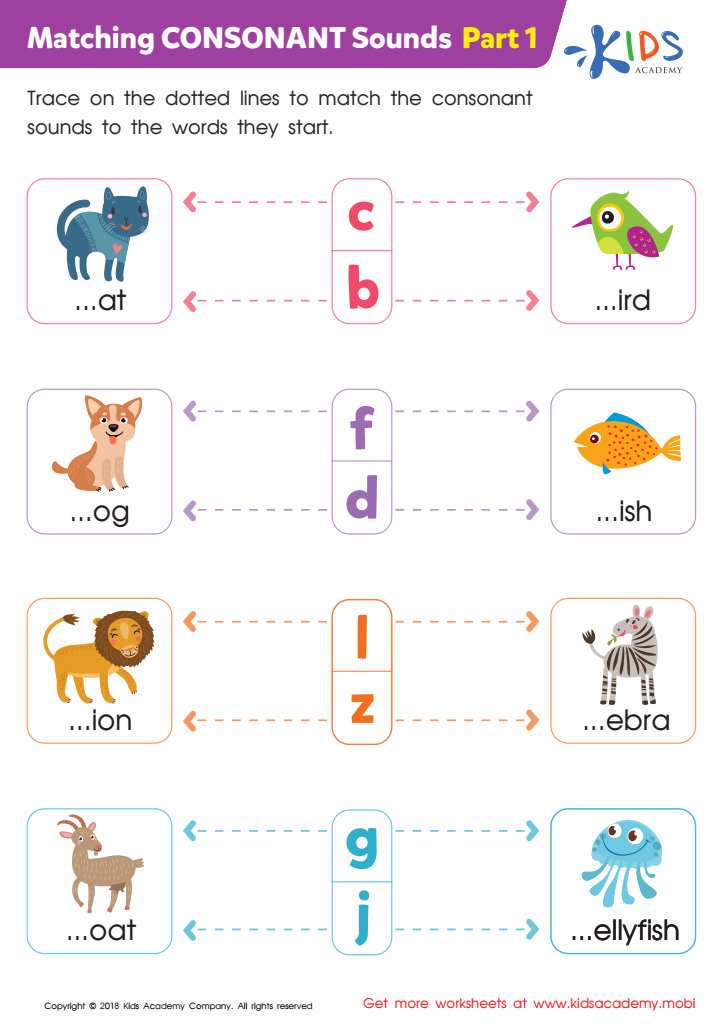
Matching Consonant Sounds: Part 1 Worksheet
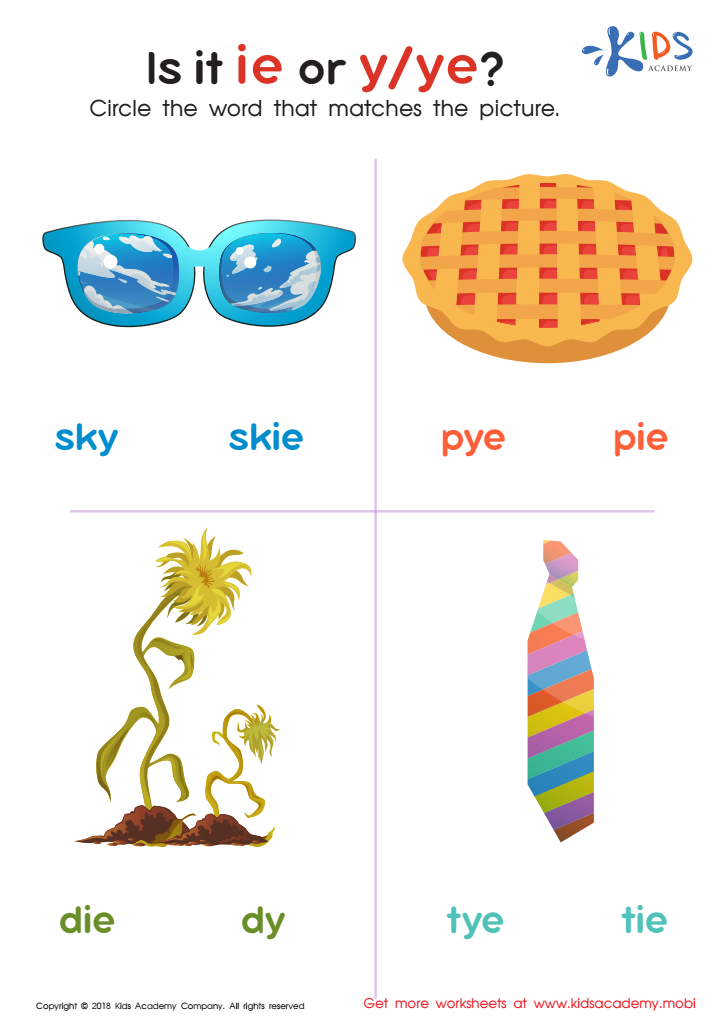
Is It IE or Y/Ye? Worksheet








Sound recognition and phonics play a crucial role in early literacy development for children aged 5-8. Understanding the relationship between sounds and their corresponding letters is essential for decoding words, which lays the foundation for reading fluency and comprehension. When parents and teachers prioritize sound recognition and phonics, they equip children with the tools needed to identify and manipulate sounds in words, fostering confidence in their reading abilities.
By focusing on normal phonics instruction, educators and caregivers help children develop essential skills that contribute to overall language development. Children learn to blend sounds to form words and segment words into their component sounds, enhancing their vocabulary and spelling. This method also supports early writing skills, allowing children to express their thoughts more clearly and effectively.
Moreover, engaging families in phonics activities creates a supportive literacy-rich environment that extends learning beyond the classroom. By working collaboratively, parents and teachers can reinforce sound recognition strategies at home, nurturing a child's enthusiasm for reading and learning. Ultimately, prioritizing sound recognition and normal phonics in early education ensures that children gain the confidence and competence they need for lifelong literacy success.







