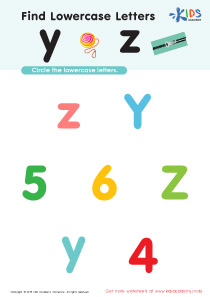
Alphabet Recognition Normal Uppercase Letters Worksheets for Ages 5-8
10 filtered results
-
From - To
Enhance your child's literacy skills with our Alphabet Recognition Normal Uppercase Letters Worksheets, designed specifically for ages 5-8. These engaging and colorful printables help young learners identify and familiarize themselves with uppercase letters through fun activities and exercises. Each worksheet focuses on strengthening alphabet recognition, promoting both fine motor skills and cognitive development. Ideal for home and classroom use, these worksheets provide variety and flexibility to cater to different learning styles. With engaging designs and clear instructions, your child will enjoy practicing their uppercase letter skills while building a solid foundation for reading and writing. Download now and make learning fun!
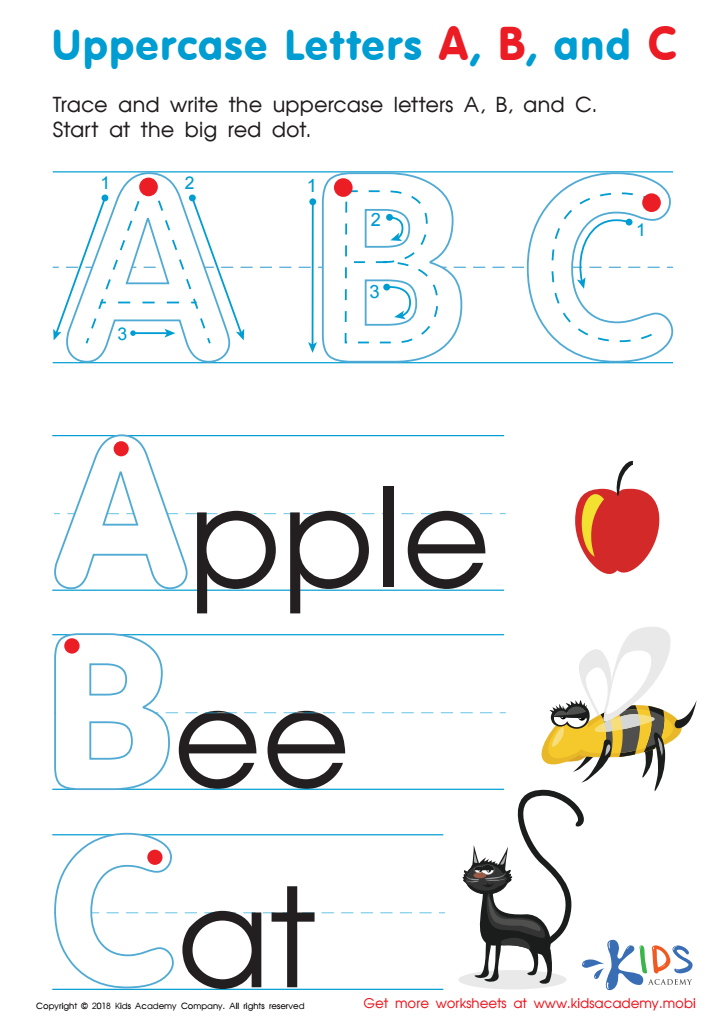
Uppercase Letters A, B, and C Worksheet
 Assign to My Students
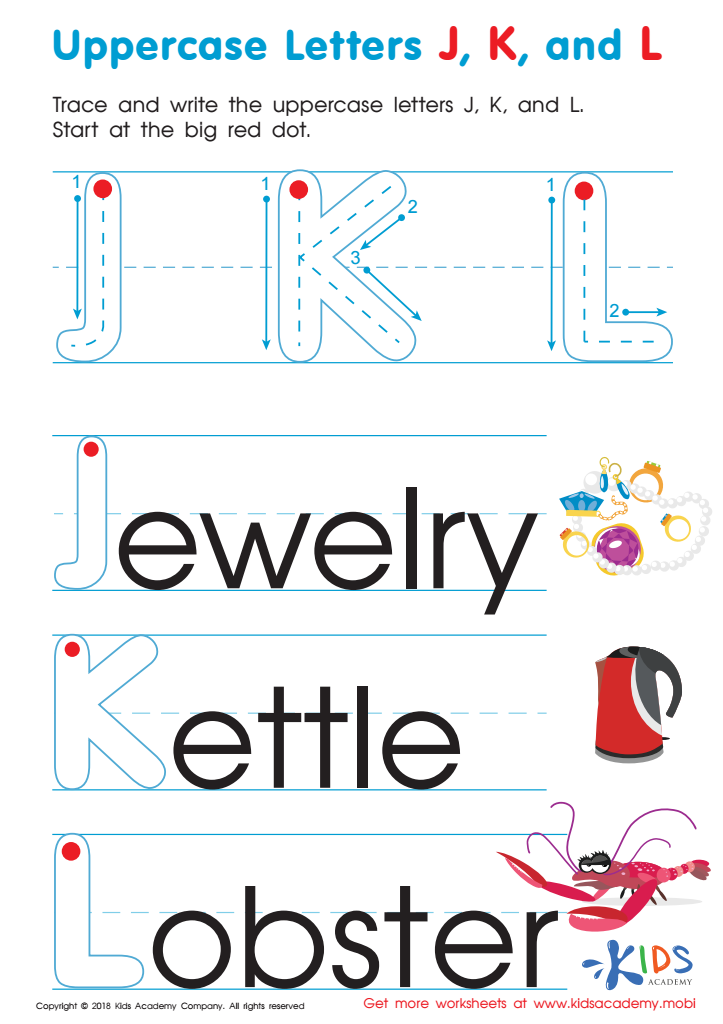
Uppercase Letters J, K, and L Worksheet
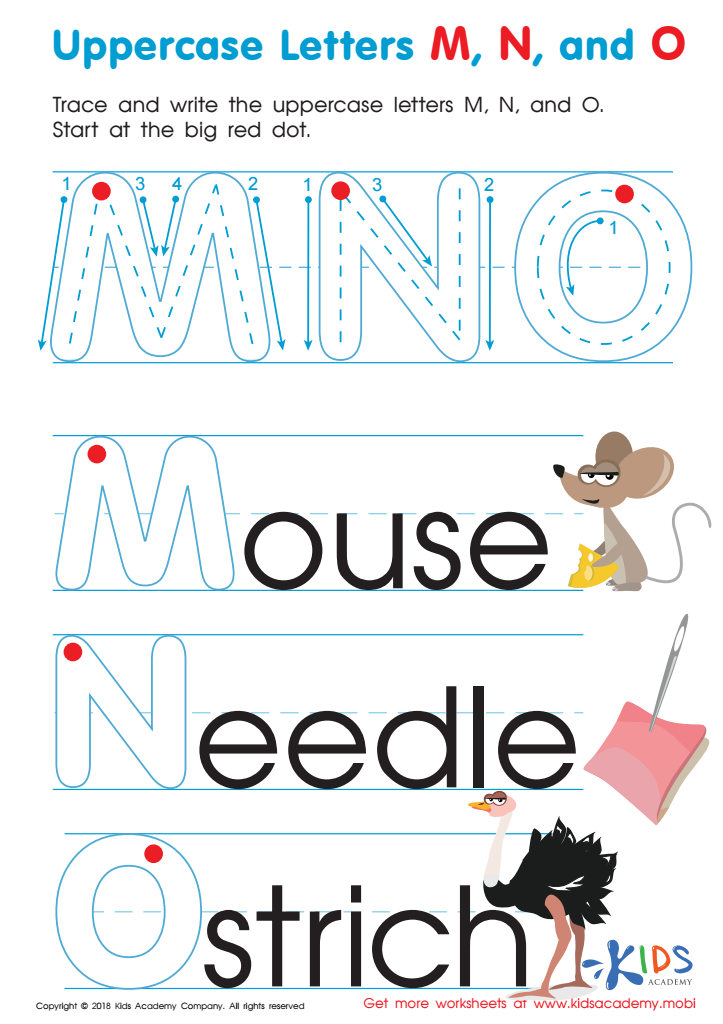
Uppercase Letters M, N, and O Worksheet
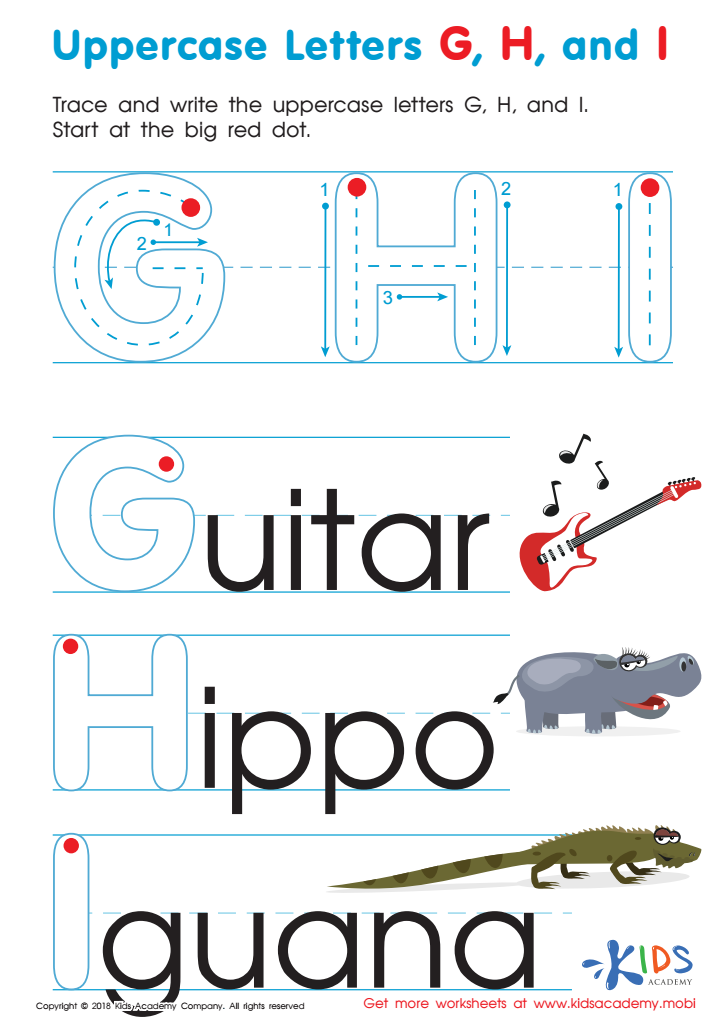
Uppercase Letters G, H, and I Worksheet
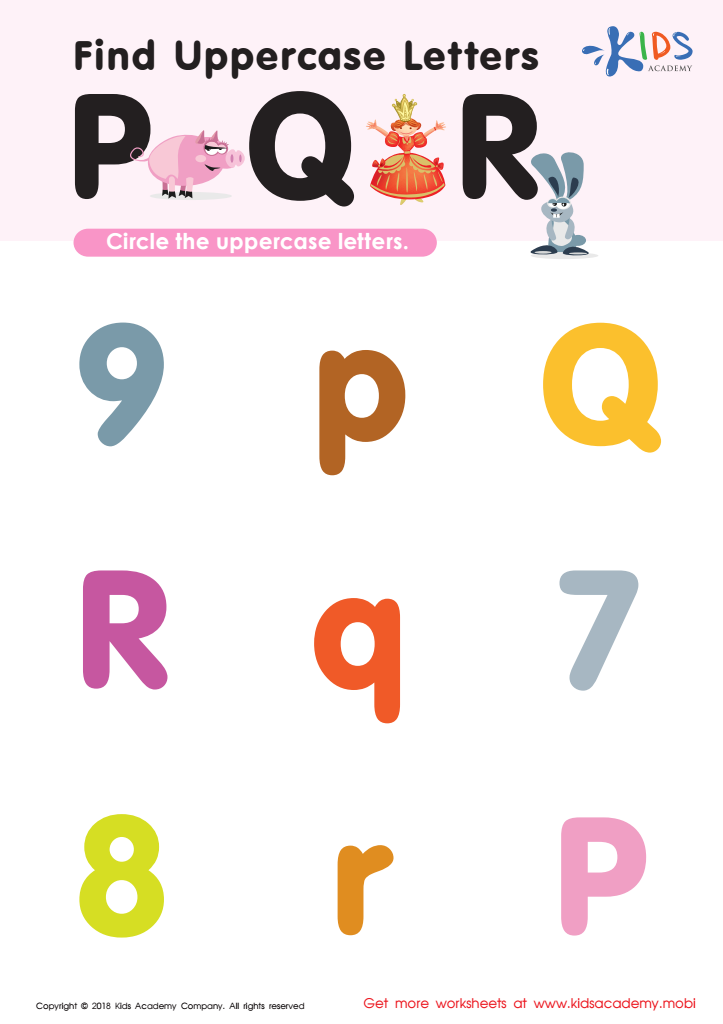
Find Uppercase Letters P, Q, and R Worksheet
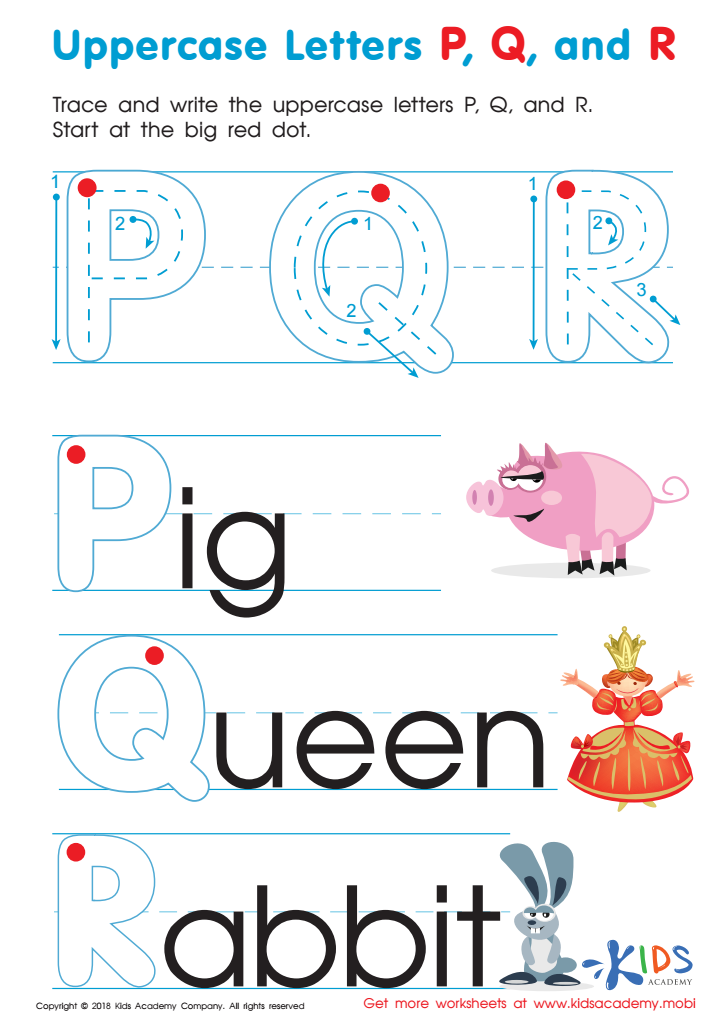
Uppercase Letters P, Q, and R Worksheet
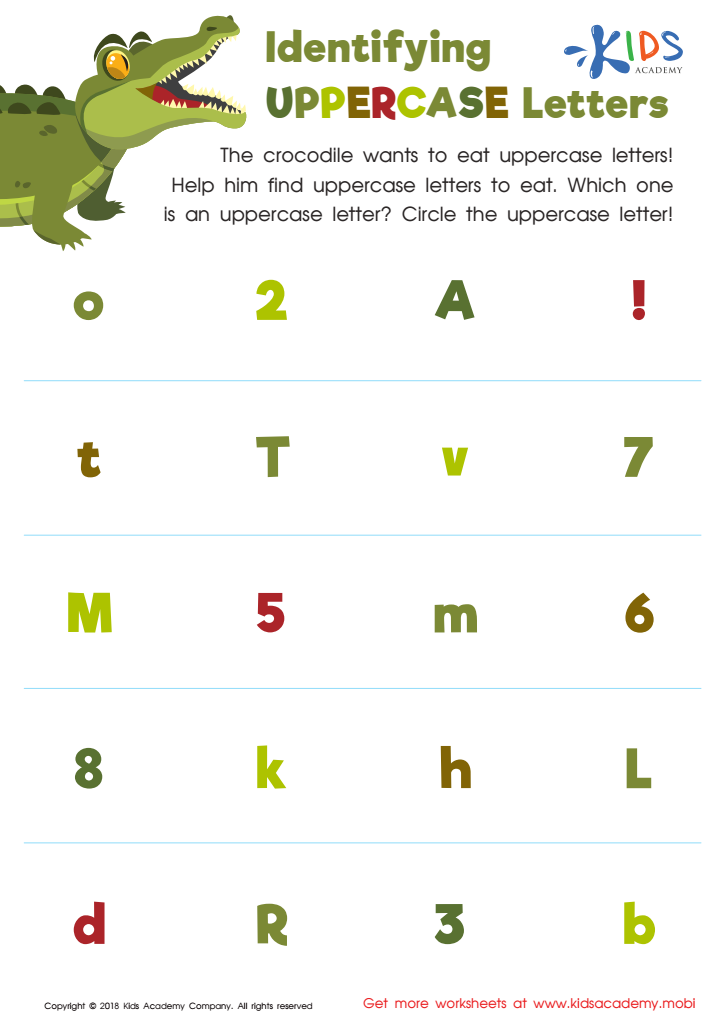
Identifying Uppercase Letters Worksheet
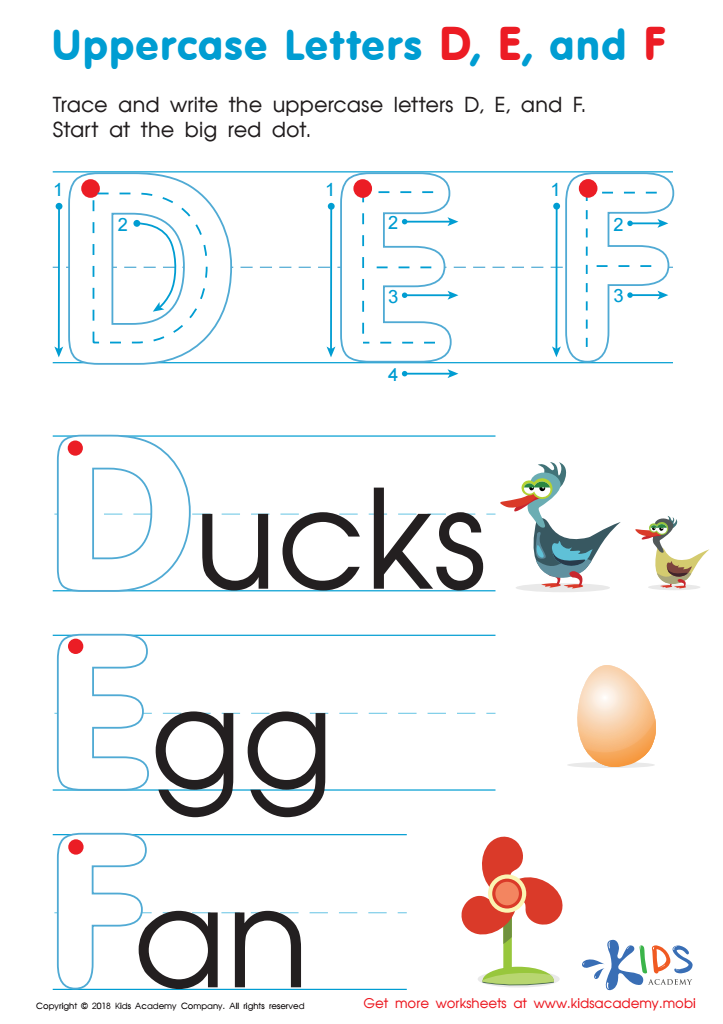
Uppercase Letters D, E, and F Worksheet
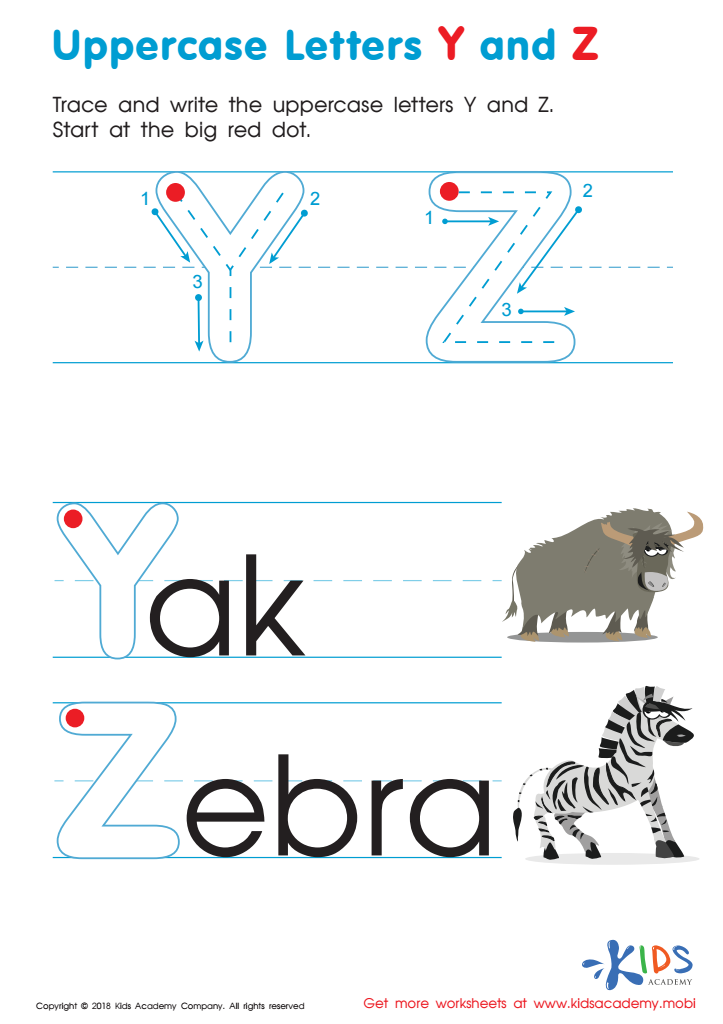
Uppercase Letters Y Z Worksheet
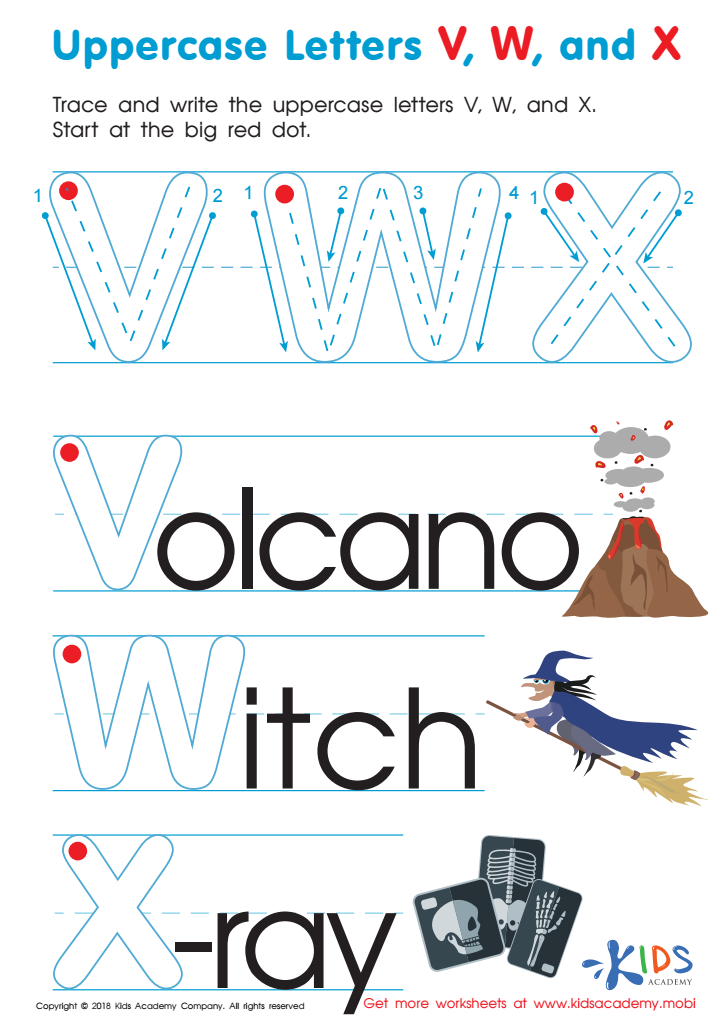
Uppercase Letters V, W, and X Worksheet








Alphabet recognition, particularly for uppercase letters, is a foundational literacy skill for children aged 5-8. Parents and teachers should prioritize this skill because it serves as the building block for reading and writing. Recognizing uppercase letters aids children in understanding the concept of letters as symbols representing sounds, which is essential for phonics development. This early recognition fosters a sense of confidence and curiosity in the learning process.
Uppercase letters are often more visually distinct and frequently appear in print, making them a logical starting point for alphabet mastery. As children progress in their literacy journey, they will encounter uppercase letters in their names, books, and classroom materials, reinforcing their importance in day-to-day communication.
Additionally, mastering letter recognition sets the stage for further academic success. Children who can confidently identify letters are more likely to excel in reading, spelling, and writing. It also promotes fine motor skills through writing practice. By engaging in activities that promote uppercase letter recognition—such as games, songs, or interactive reading—parents and teachers can support a child's literacy development while making learning fun and effective. Ultimately, this skill is vital for a successful start in the educational journey.