Associative learning Normal Worksheets for Ages 5-8
5 filtered results
-
From - To
Discover our engaging Associative Learning Normal Worksheets designed specifically for children aged 5-8. These interactive resources help young learners develop essential connections between concepts and enhance their cognitive abilities through fun activities. With colorful illustrations and age-appropriate challenges, children will explore relationships between objects, words, and ideas while boosting critical thinking skills. Perfect for classroom use or at-home learning, these worksheets make learning enjoyable and effective. Teachers and parents can easily access and print materials to supplement lessons and encourage a love for learning in young minds. Start building a strong foundation for lifelong learning with our Associative Learning Worksheets today!
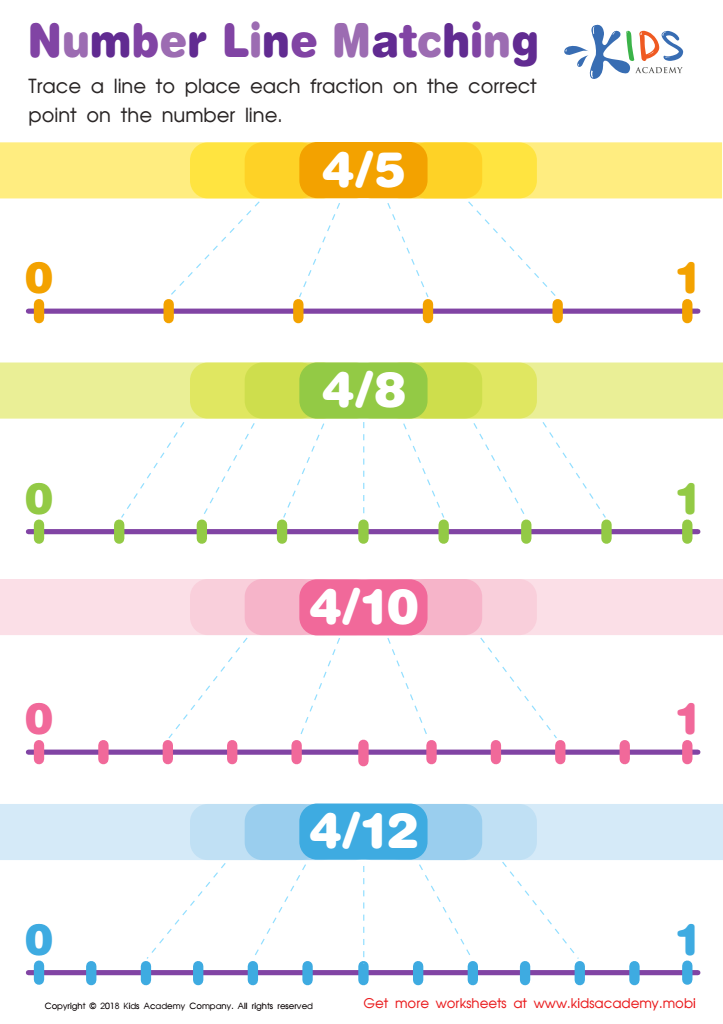
Number Line Matching Worksheet
 Assign to My Students
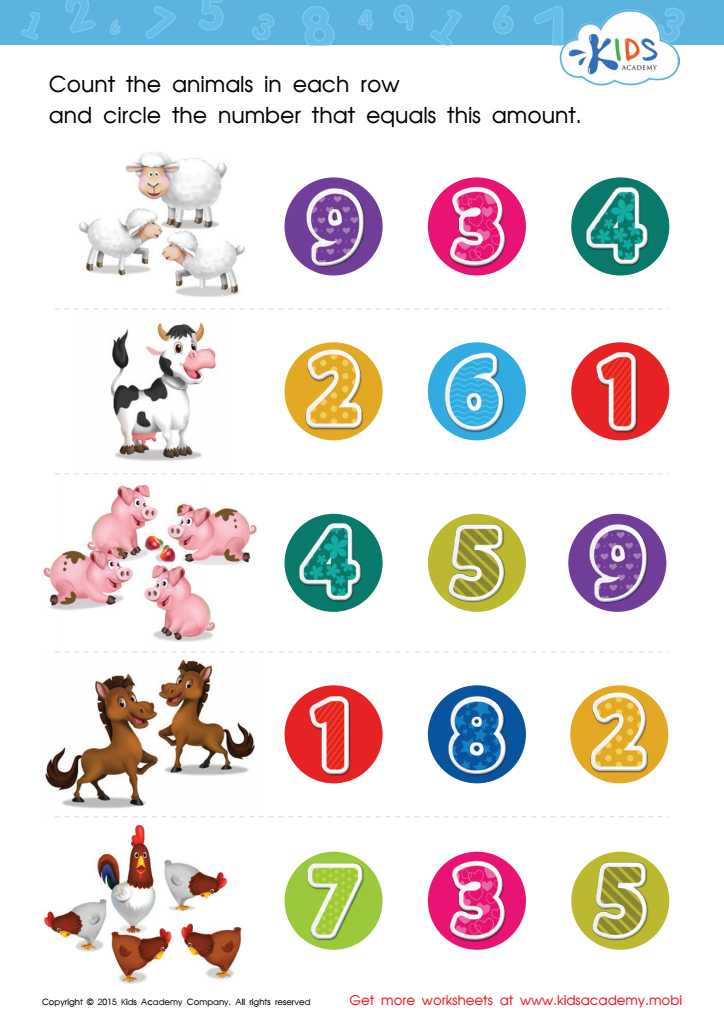
Count and Match 1 – 5 Math Worksheet
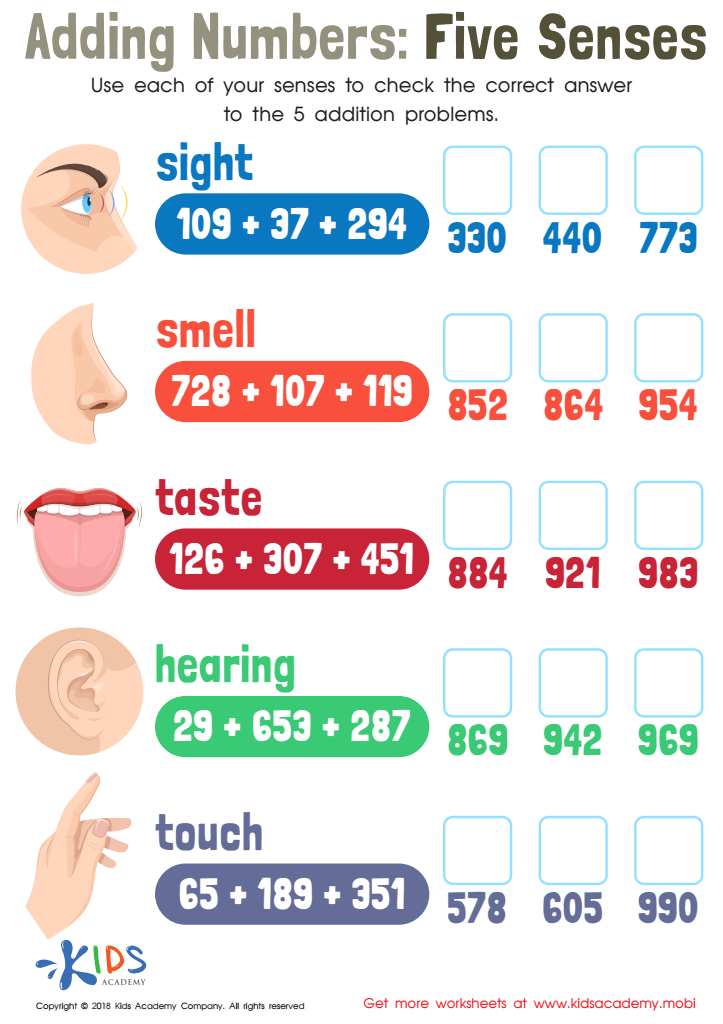
Adding Numbers: Five Senses Worksheet
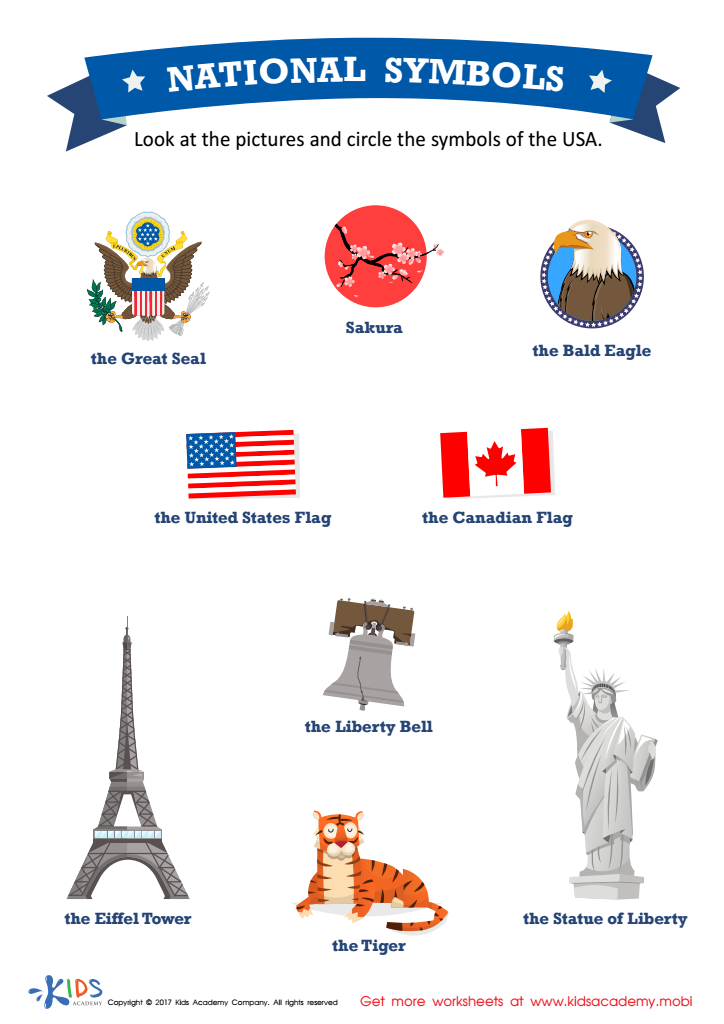
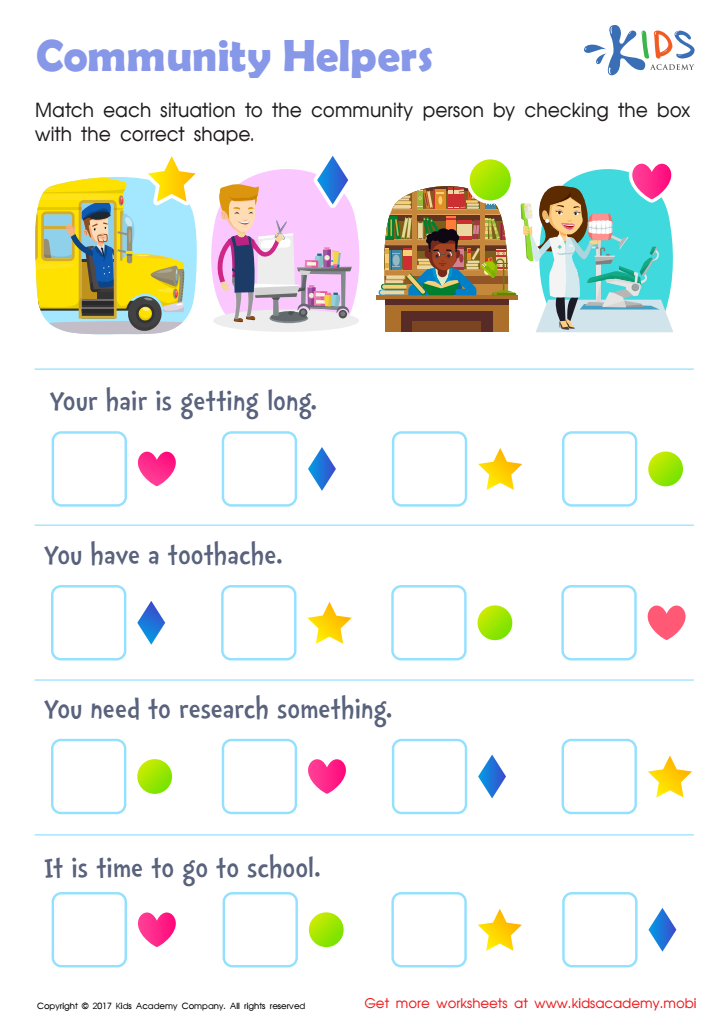






Associative learning is a fundamental cognitive process where children make connections between different stimuli and responses. For children aged 5-8, developing strong associative learning skills is crucial as it lays the foundation for problem-solving, memory retention, and academic success.
During these formative years, children are naturally inclined to explore and learn from their environments. Parents and teachers should care about associative learning because it enhances language development, aids in literacy skills, and supports math comprehension. For instance, when children associate letters with sounds, they are better equipped to read. Additionally, finding patterns and relationships helps them grasp mathematical concepts like addition and subtraction.
Moreover, associative learning promotes social skills as children learn to connect words and actions with feelings and reactions in their interactions. This understanding fosters empathy and conflict resolution abilities, which are vital for their overall emotional intelligence.
By fostering an environment rich in experiences and intentional connections, parents and teachers can encourage the development of associative learning. Engaging children with games, storytelling, and hands-on activities not only makes learning enjoyable but also ensures they build essential skills needed for lifelong learning. Overall, supporting associative learning contributes significantly to a child's holistic development.








