Basic counting skills Normal Worksheets for Ages 5-8
7 filtered results
-
From - To
Discover engaging Basic Counting Skills Normal Worksheets designed for kids aged 5-8! Our printable resources help young learners develop essential counting knowledge through fun activities and exercises. Filled with colorful graphics and interactive tasks, these worksheets make learning enjoyable. Students will practice number recognition, one-to-one correspondence, and basic arithmetic to boost their confidence and competence in math. Ideal for classroom use or at-home learning, our worksheets cater to diverse learning styles and abilities. Enhance your child’s foundational math skills while providing a playful educational experience. Start exploring our collection today and watch your child's counting skills flourish!
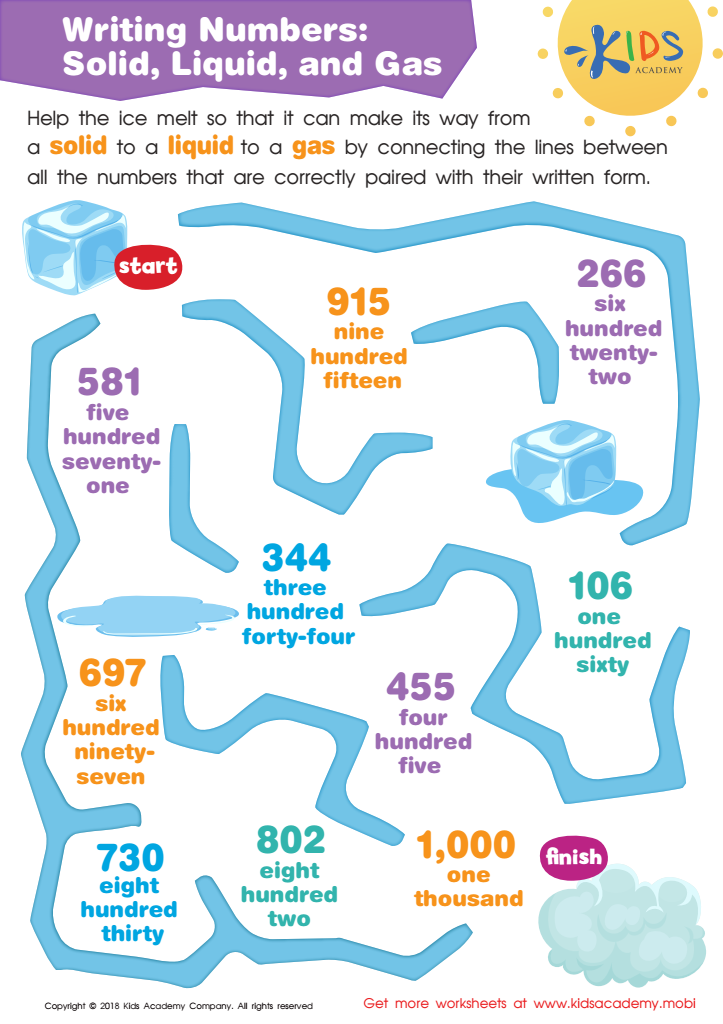
Solid, Liquid, and Gas Writing Numbers Worksheet
 Assign to My Students
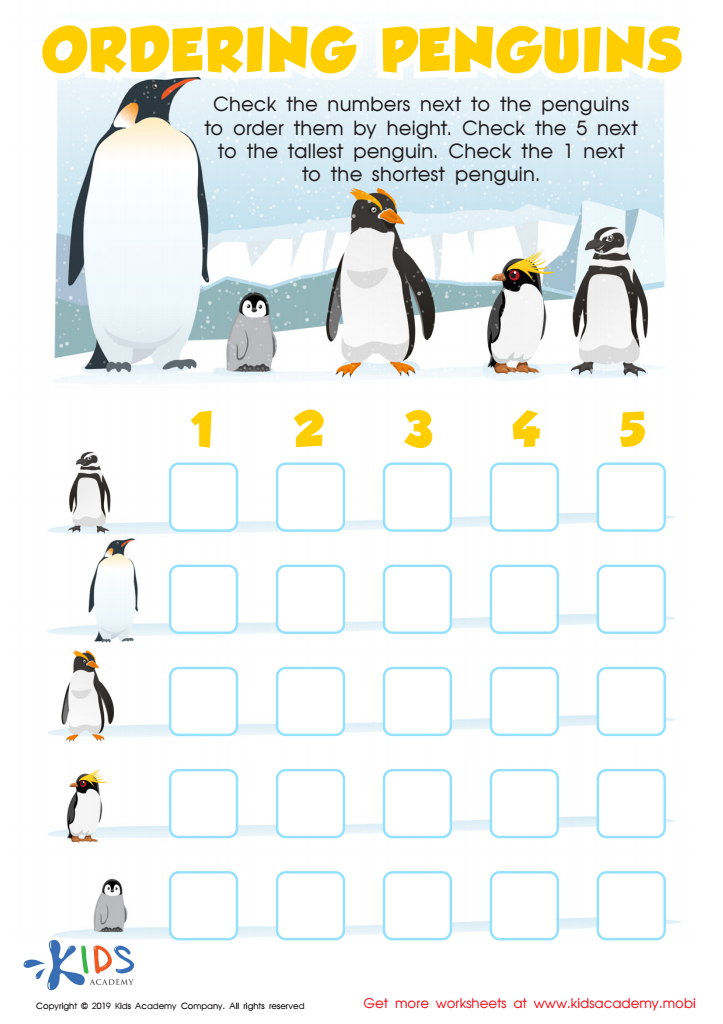
Ordering Penguins Worksheet
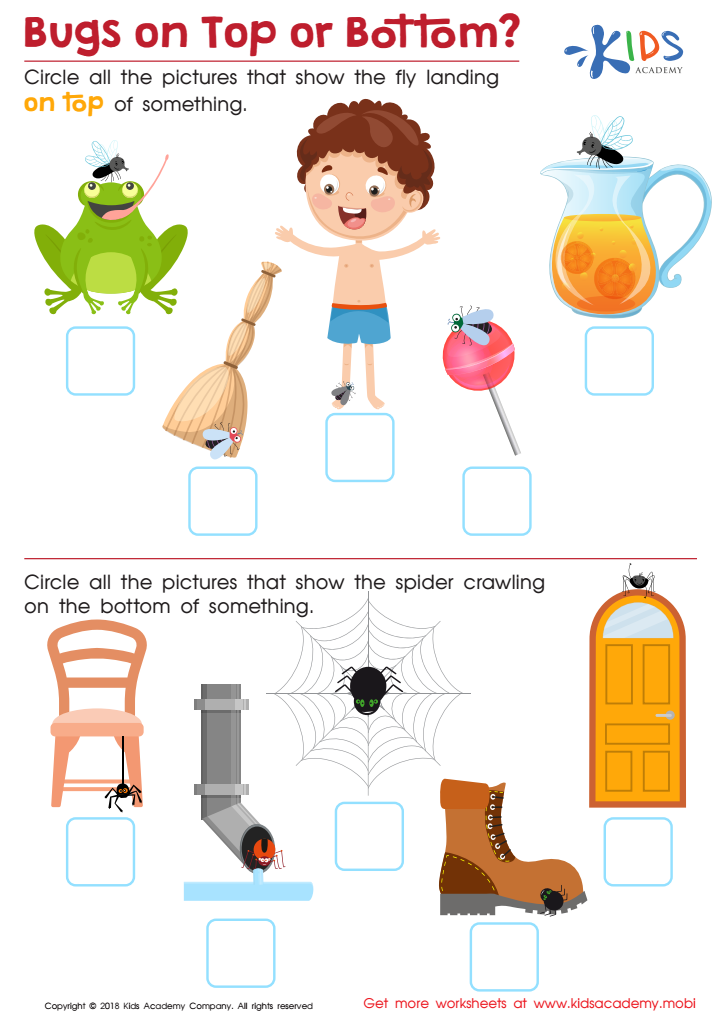
Bugs on Top or Bottom? Worksheet
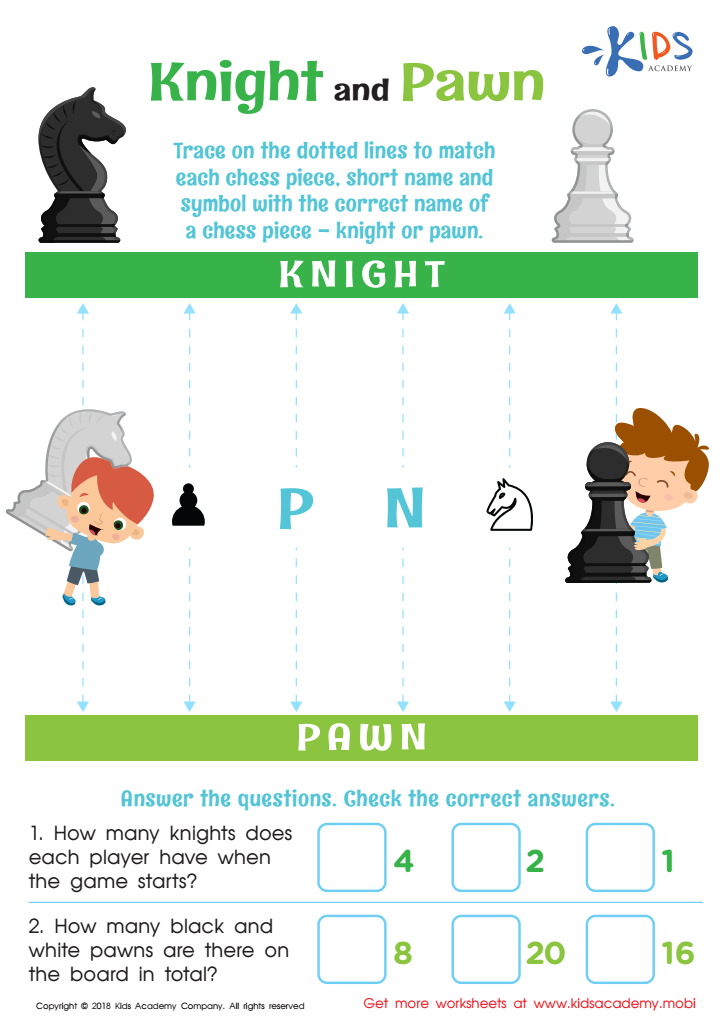
Knight and Pawn Worksheet
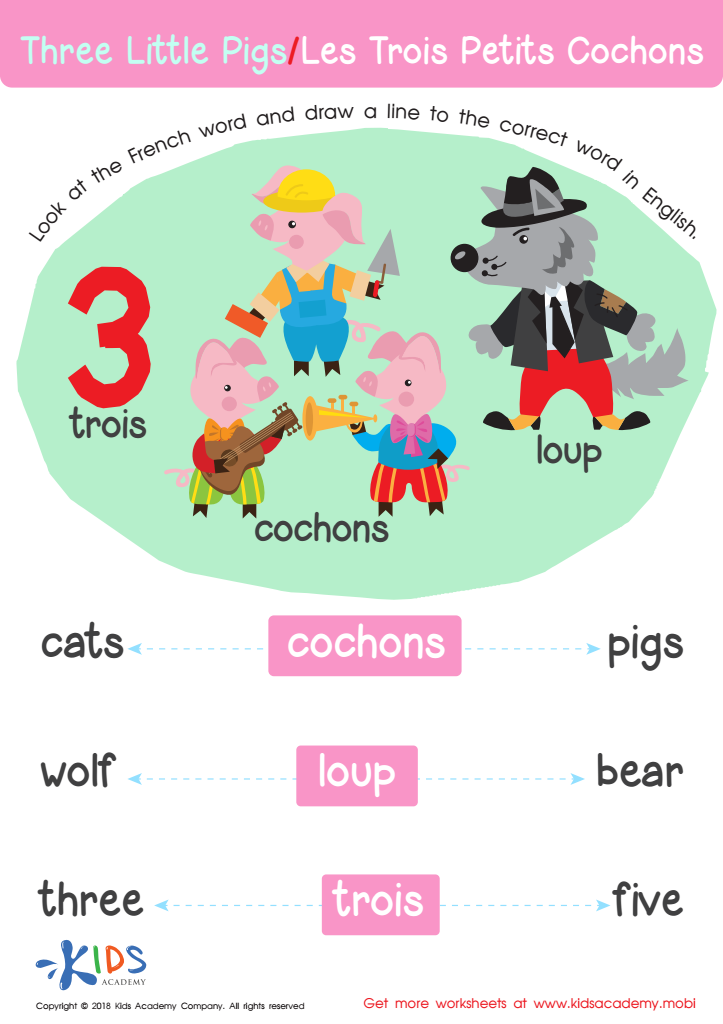
Three Little Pigs / Les Trois Petits Cochons Worksheet
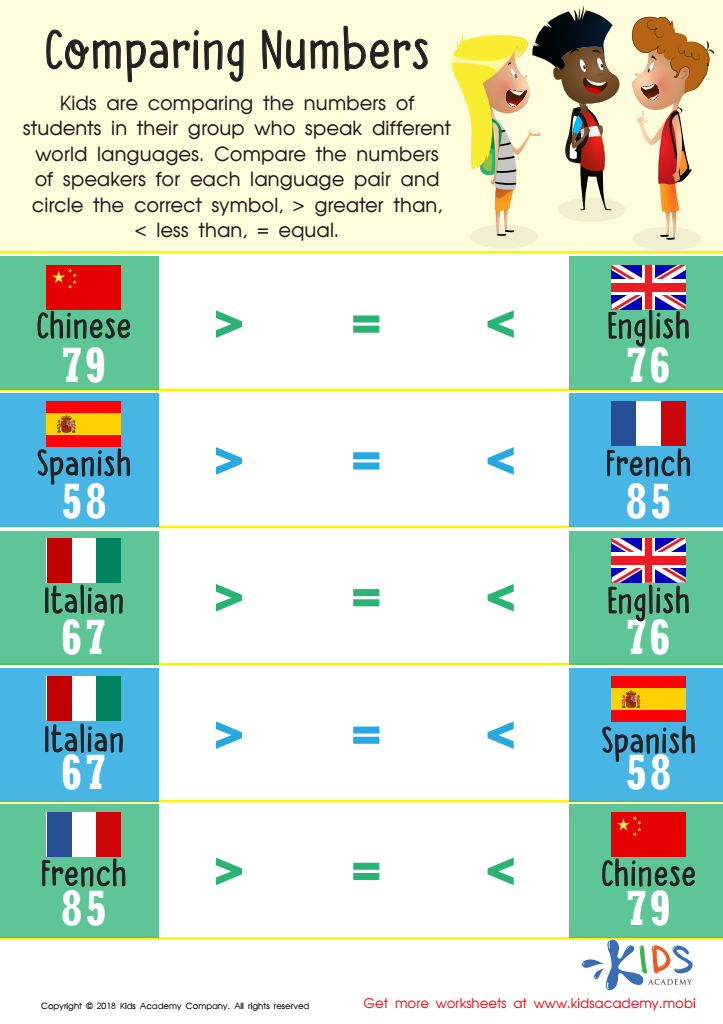
Comparing Numbers Worksheet for 1st Grade
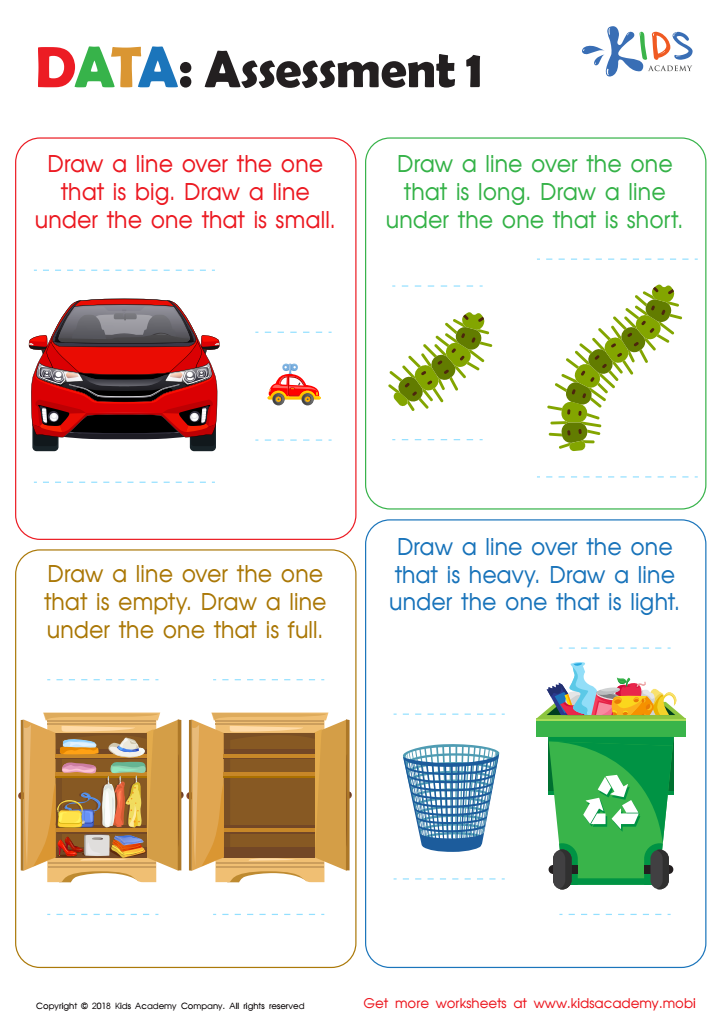
Data: Assessment 1 Worksheet





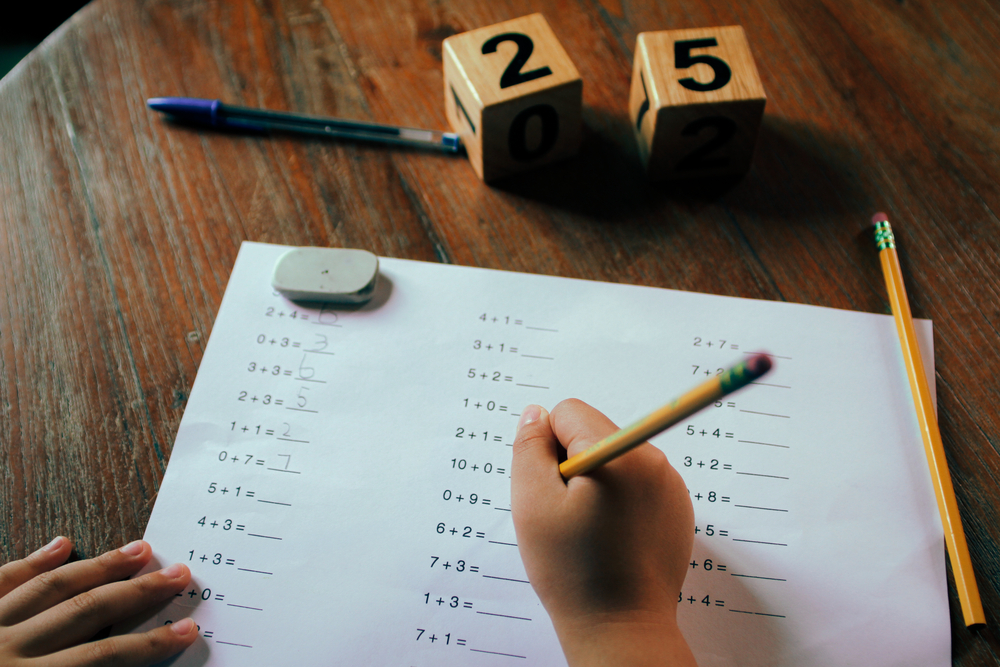

Basic counting skills are foundational to a child’s overall academic and cognitive development, making them critical for parents and teachers to prioritize. From ages 5 to 8, children are rapidly developing their mathematical understanding, and counting serves as the building block for all future math concepts. Mastery of counting enhances numerical fluency, enabling children to perform basic arithmetic operations, such as addition and subtraction, with confidence.
Furthermore, counting promotes critical thinking and problem-solving skills. As children learn to count, they begin to recognize patterns, quantify objects, and understand relationships between numbers. These skills are not only essential for math but also have applications in everyday situations, such as sharing equally or making decisions based on quantity.
Additionally, strong counting abilities contribute to a child’s self-esteem. When children feel competent in math, they are more likely to engage positively with the subject, leading to a lifelong appreciation for learning. Lastly, early counting skills lay the foundation for advanced mathematical concepts learned later, such as multiplication, division, and even algebra. Therefore, supporting children in developing these fundamental skills is crucial for their academic success and confidence in their mathematical abilities. Parents and teachers play a vital role in nurturing these abilities during these formative years.








