Coloring skills Normal Worksheets for Ages 5-8
5 filtered results
-
From - To
Explore our delightful collection of "Coloring Skills Normal Worksheets for Ages 5-8" designed to inspire creativity and develop fine motor skills. Each worksheet offers engaging images and patterns perfect for young artists. Our resources help children improve color recognition, hand-eye coordination, and attention to detail. Featuring fun themes, these printable sheets make learning enjoyable while boosting confidence and fostering artistic expression. Ideal for home or classroom use, these worksheets complement any educational curriculum. Visit Kids Academy to download and ignite your child's passion for coloring today!
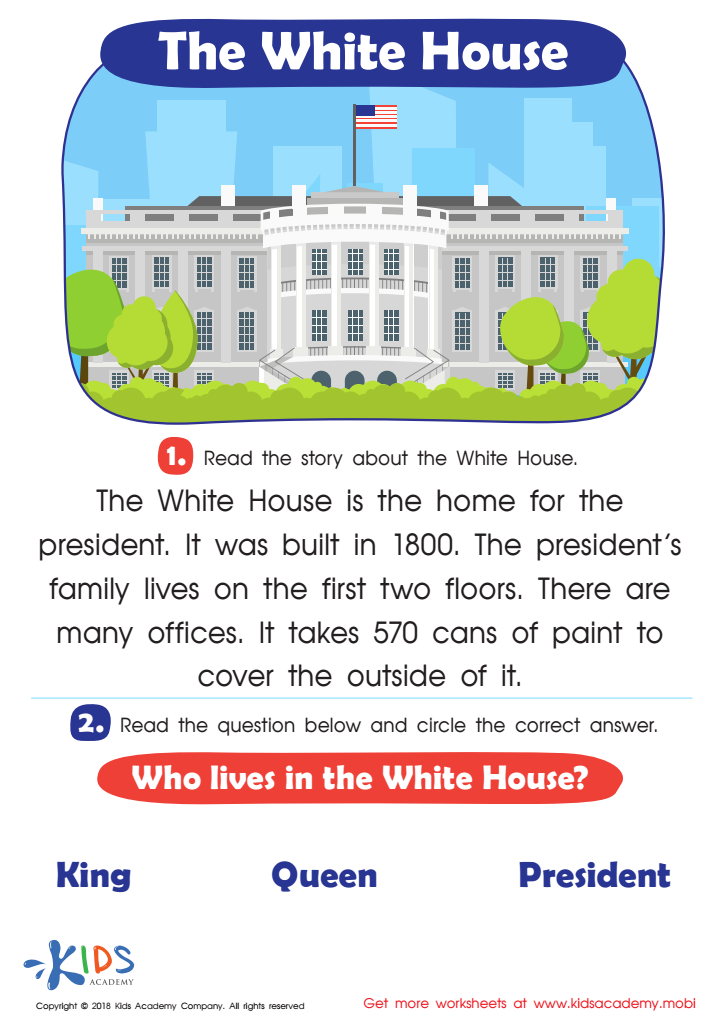
White House Worksheet
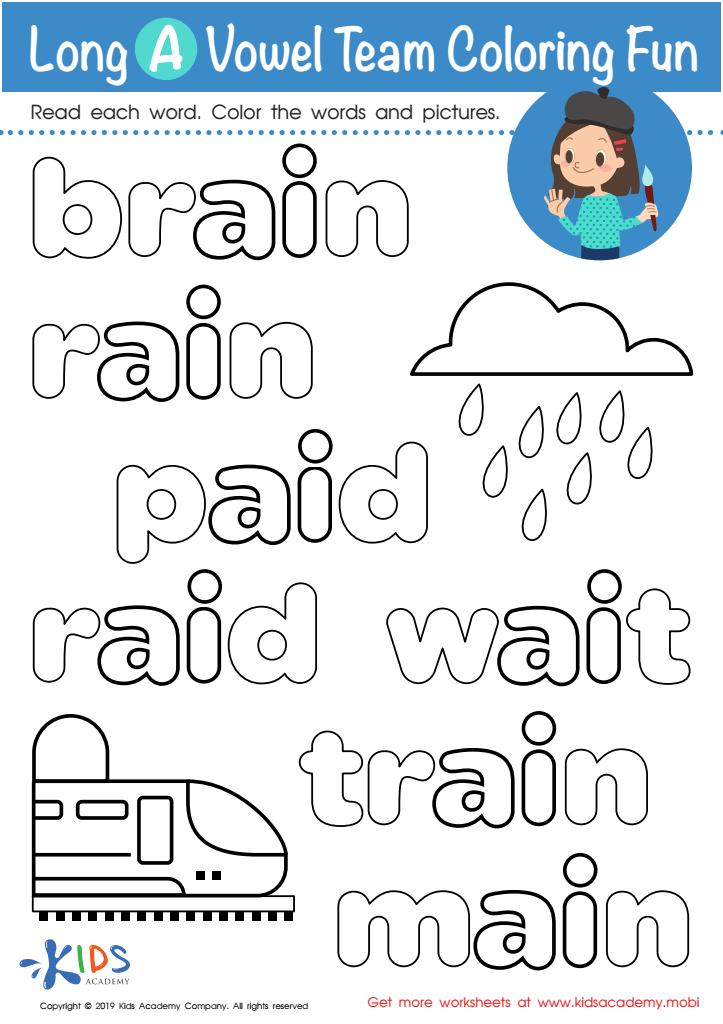
Long A Vowel Team Coloring Fun Worksheet
 Assign to My Students
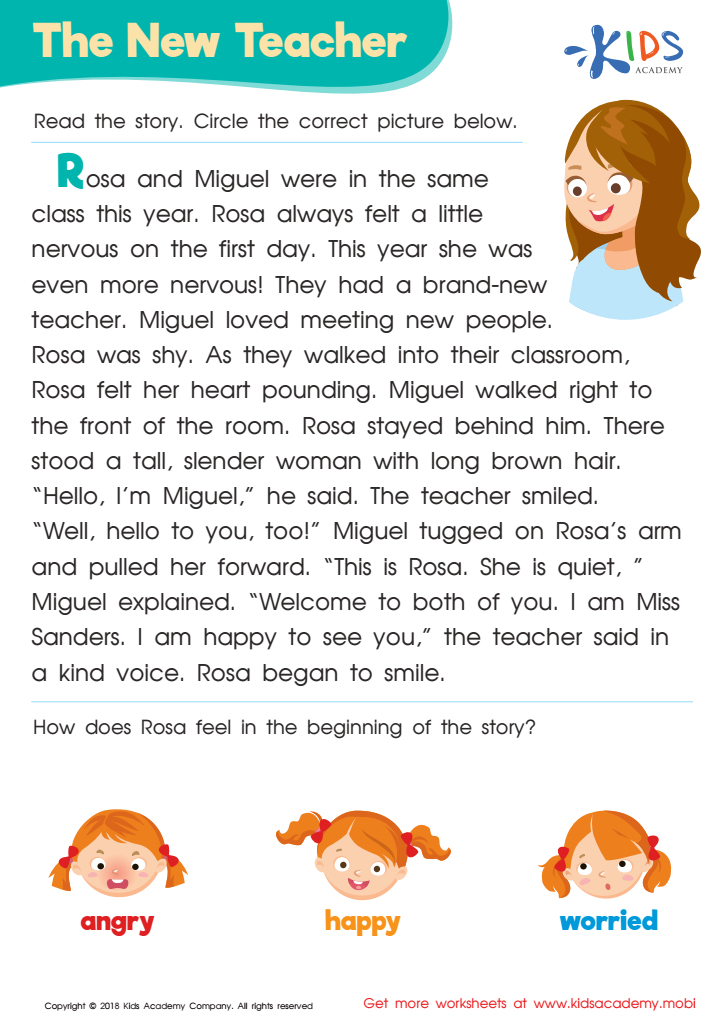
The New Teacher Worksheet
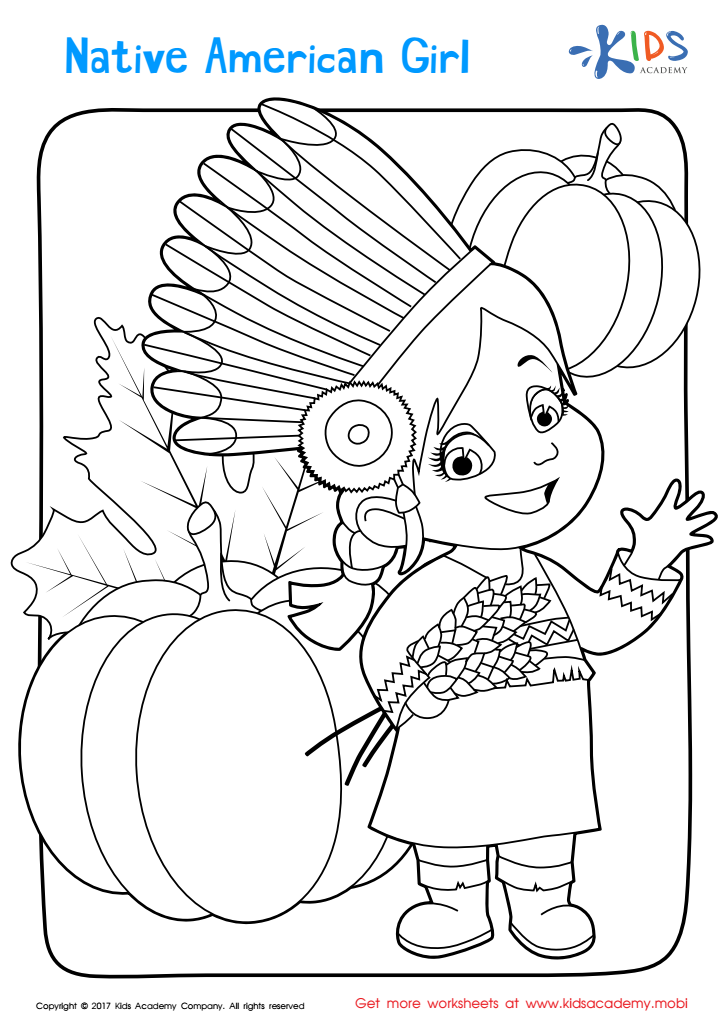
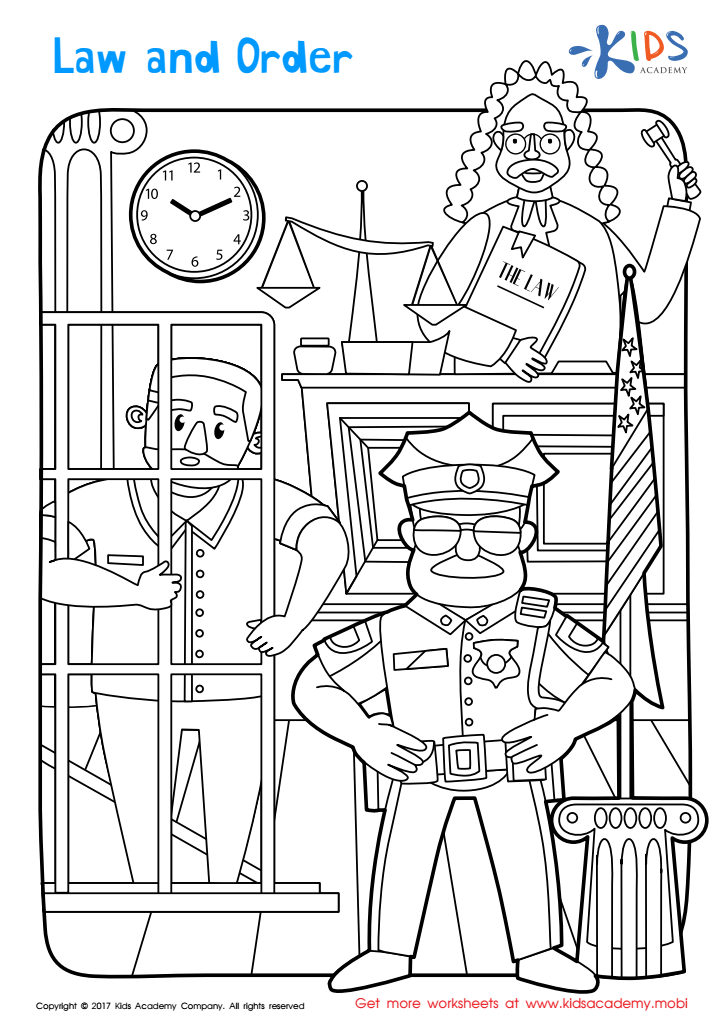
Law and Order Coloring Page Worksheet
Assign to My Students




.jpg)

Coloring might seem like a simple, fun activity, but it actually plays a significant role in the development of children aged 5-8. As parents or teachers, understanding and encouraging this skill can have multiple benefits.
Firstly, coloring helps to enhance fine motor skills. When children hold crayons and color within lines, they are practicing proper pencil grip and improving hand-eye coordination. These are foundational skills for handwriting and more complex tasks like tying shoelaces.
Secondly, coloring encourages creativity and self-expression. Children at this age are beginning to explore their imaginations and emotions. Coloring different scenes allows them to make choices about colors and styles, fostering decision-making abilities and personal expression.
Moreover, engaging in coloring activities promotes focus and patience. This act requires children to concentrate on the task at hand, which can improve attention span and mindfulness—essential skills for academic settings and daily life.
Additionally, discussing their artwork with peers or adults can improve social and verbal skills. It gives the child an opportunity to talk about choices and creative processes, encouraging the development of communication skills.
In summary, coloring isn't just about filling in blank spaces; it's a multifaceted educational tool that supports motor skills, creativity, attention, and communication, all of which are crucial for the overall development of children aged 5-8.








