Comparative analysis Normal Worksheets for Ages 5-8
6 filtered results
-
From - To
Explore our comparative analysis normal worksheets for ages 5-8, designed to enhance critical thinking and analytical skills in young learners. These engaging worksheets encourage children to compare various objects, images, and ideas, fostering their understanding of similarities and differences. With a focus on fun and interactive learning, our resources aid in developing cognitive skills and vocabulary, making learning enjoyable and effective. Ideal for both classroom activities and at-home practice, these worksheets provide a solid foundation for mathematical thinking and reasoning. Download our printable worksheets today to spark curiosity and support your child's educational journey!
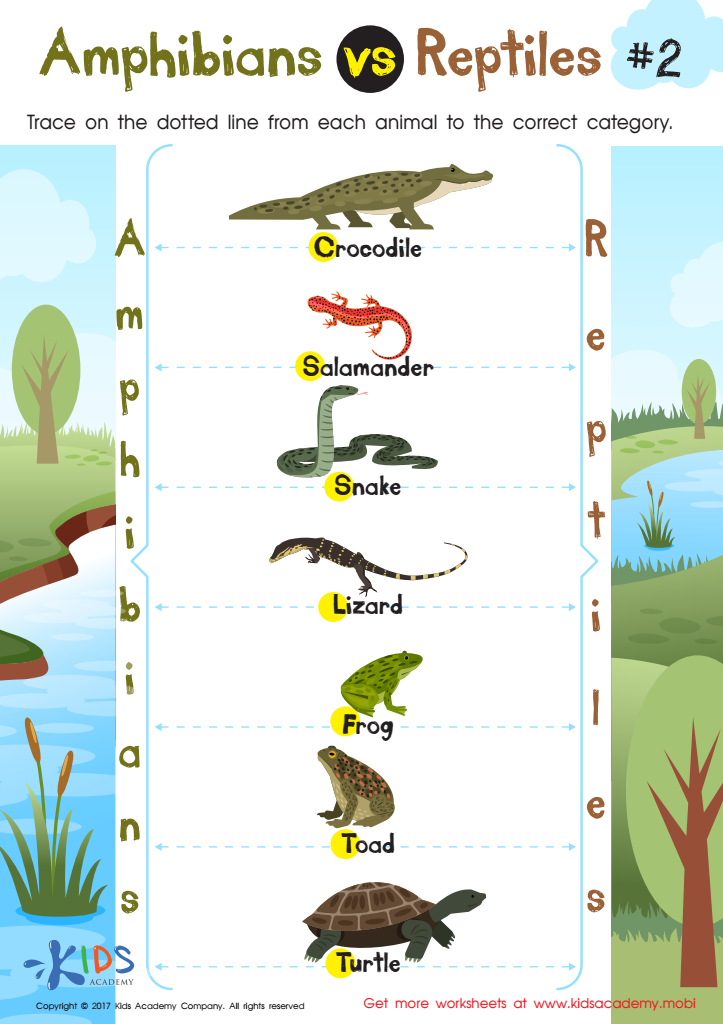
Amphibians vs Reptiles Worksheet for 3rd Grade
 Assign to My Students
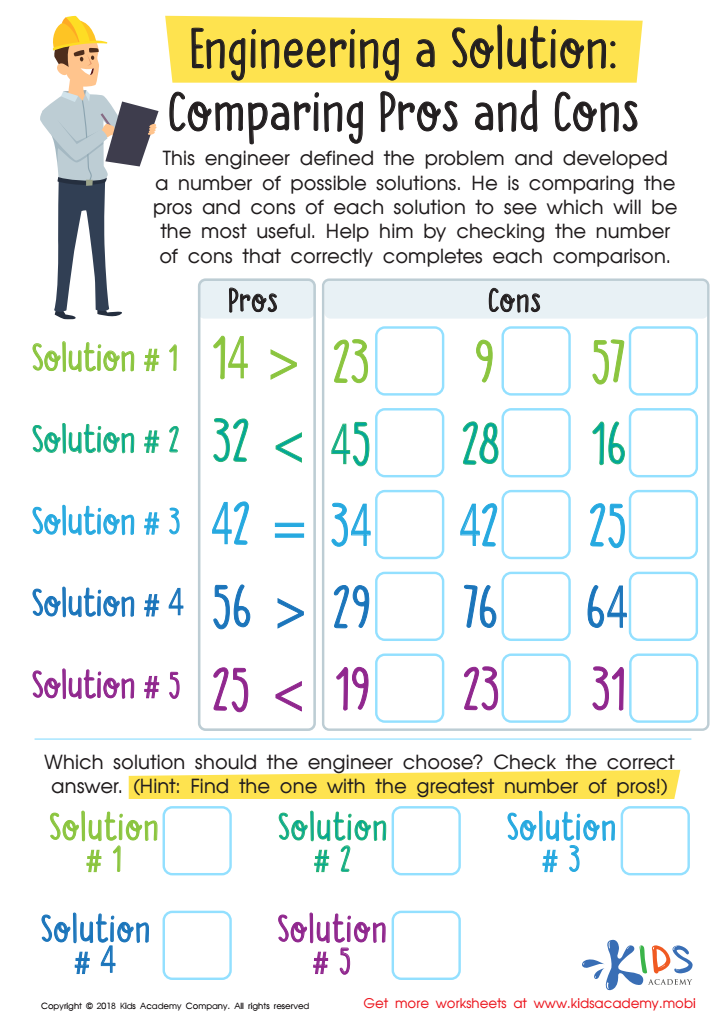
Engineering a Solution: Comparing Pros and Cons Worksheet
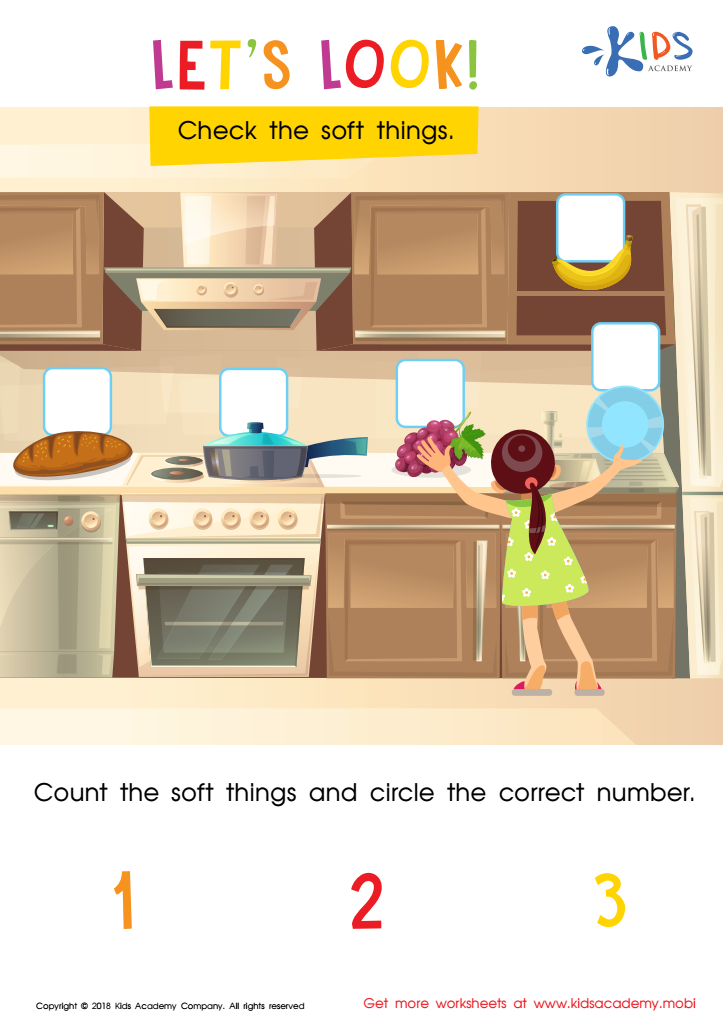
Let's Look! Assessment Worksheet
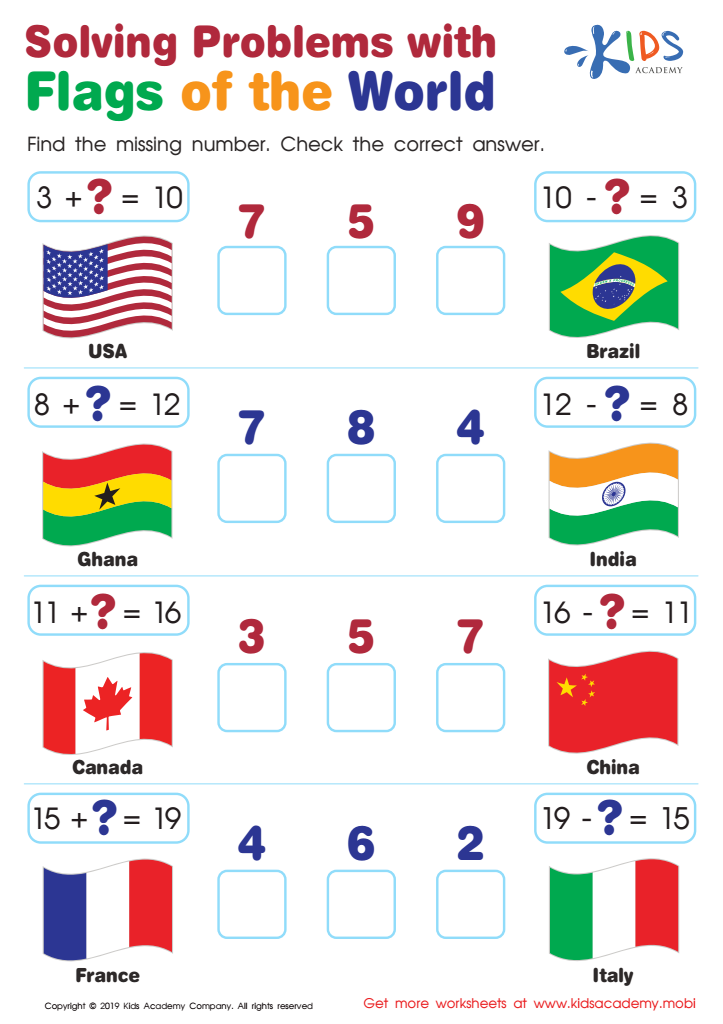
Solving Problems with Flags of the World Worksheet
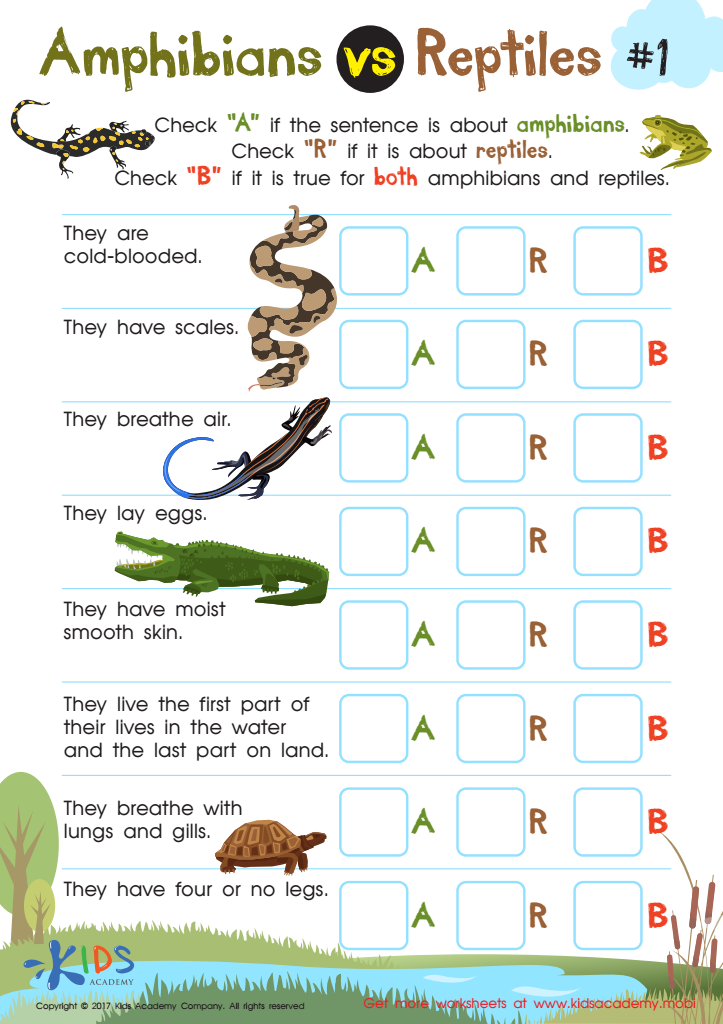
Amphibians vs Reptiles Worksheet
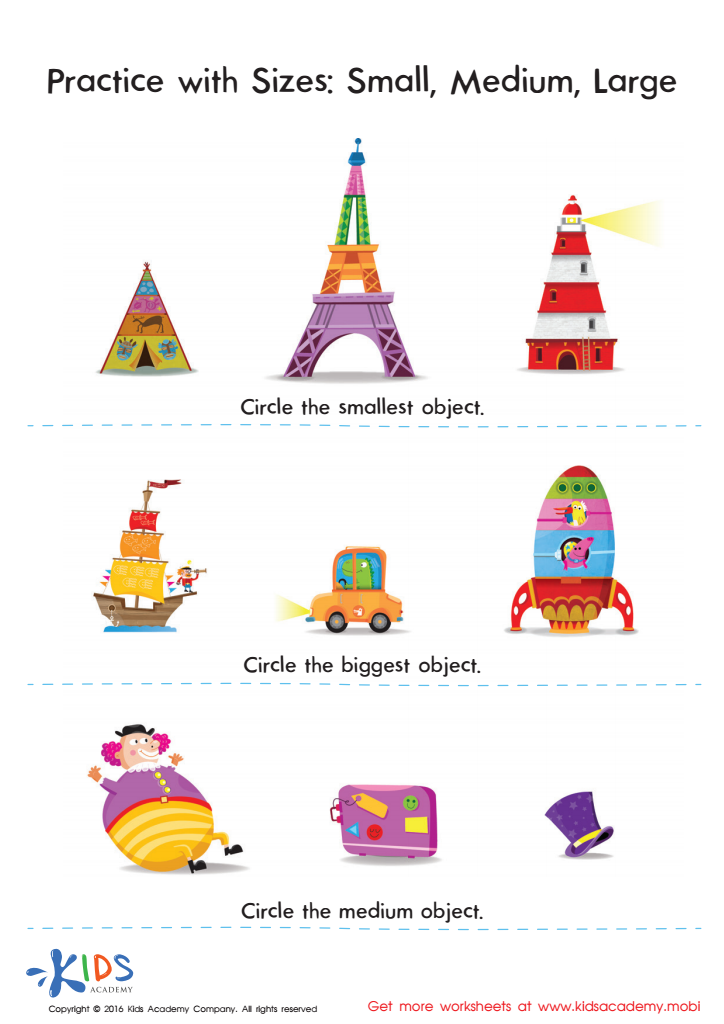








Comparative analysis norms for ages 5-8 are crucial for both parents and teachers as they provide valuable benchmarks for assessing child development in key areas such as language, literacy, math, and social skills. Understanding these norms allows parents and educators to identify where a child stands relative to their peers, helping to pinpoint strengths and areas requiring support or intervention.
For parents, being aware of these comparative norms can guide them in making informed decisions about their children's learning needs and catalyze proactive engagement in their education. They become equipped to advocate for appropriate resources or enrichment activities, tailoring support to foster their child’s growth.
Teachers benefit greatly as well; these norms enable them to implement differentiated instruction, adjusting their strategies to accommodate various learning styles and abilities within their classrooms. Moreover, tracking progress against these benchmarks can help educators identify trends or patterns, ensuring timely interventions as necessary.
Overall, caring about comparative analysis norms fosters a more nurturing educational environment. It reinforces the importance of monitoring development trajectories and understanding each child's unique learning journey, leading to more effective teaching and empowered parenting.








