Comparing Fractions Normal Worksheets for Ages 5-8
5 filtered results
-
From - To
Welcome to our "Comparing Fractions Normal Worksheets" designed specifically for children aged 5-8! These engaging worksheets help young learners grasp the concept of comparing fractions through fun activities and colorful illustrations. By using visual aids and relatable examples, kids will easily understand how to identify larger and smaller fractions. Ideal for classroom use or home practice, these worksheets promote essential math skills that lay a strong foundation for future learning. Encourage your child's confidence and success in mathematics as they explore the exciting world of fractions! Download your worksheets today and make learning math both fun and effective!
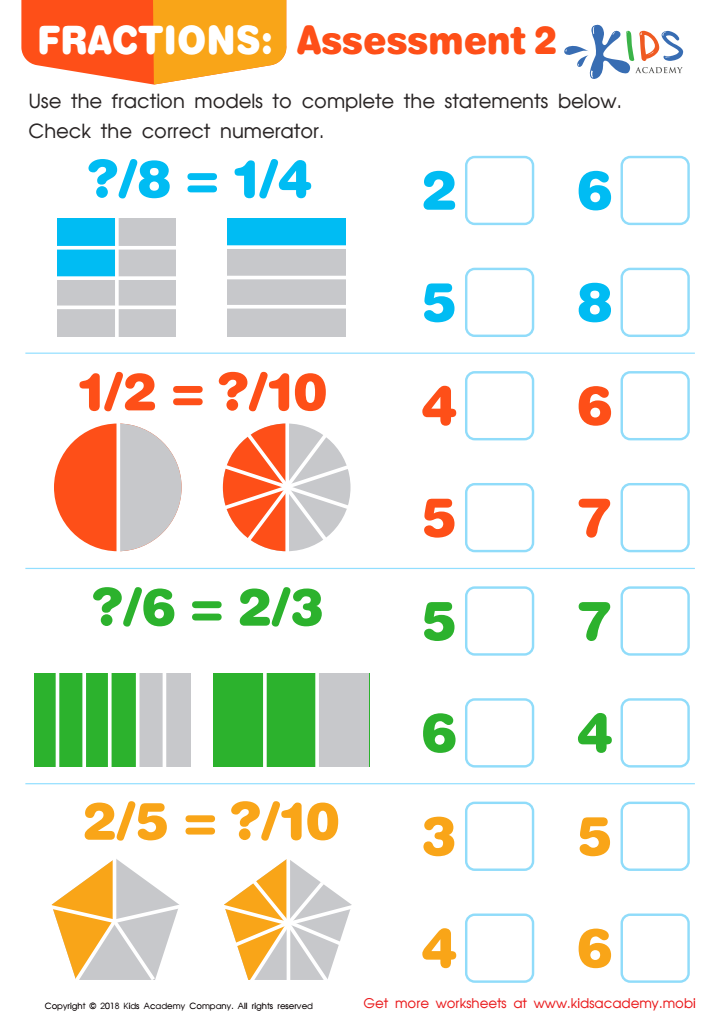
Fractions: Assessment 2 Worksheet
 Assign to My Students
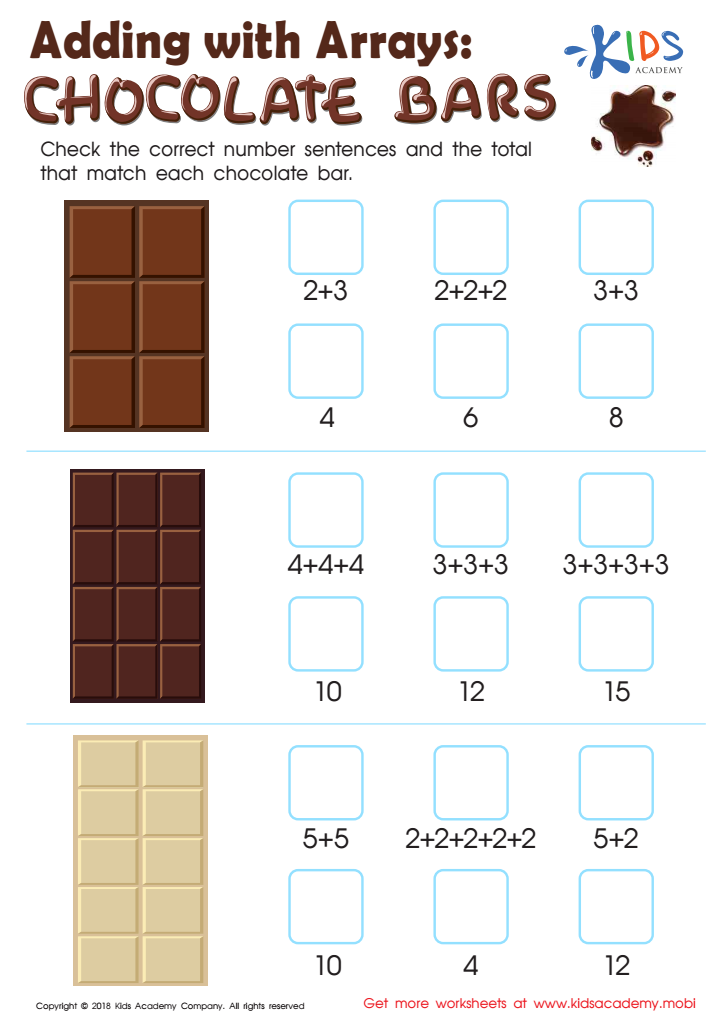
Adding with Arrays: Chocolate Bars Worksheet
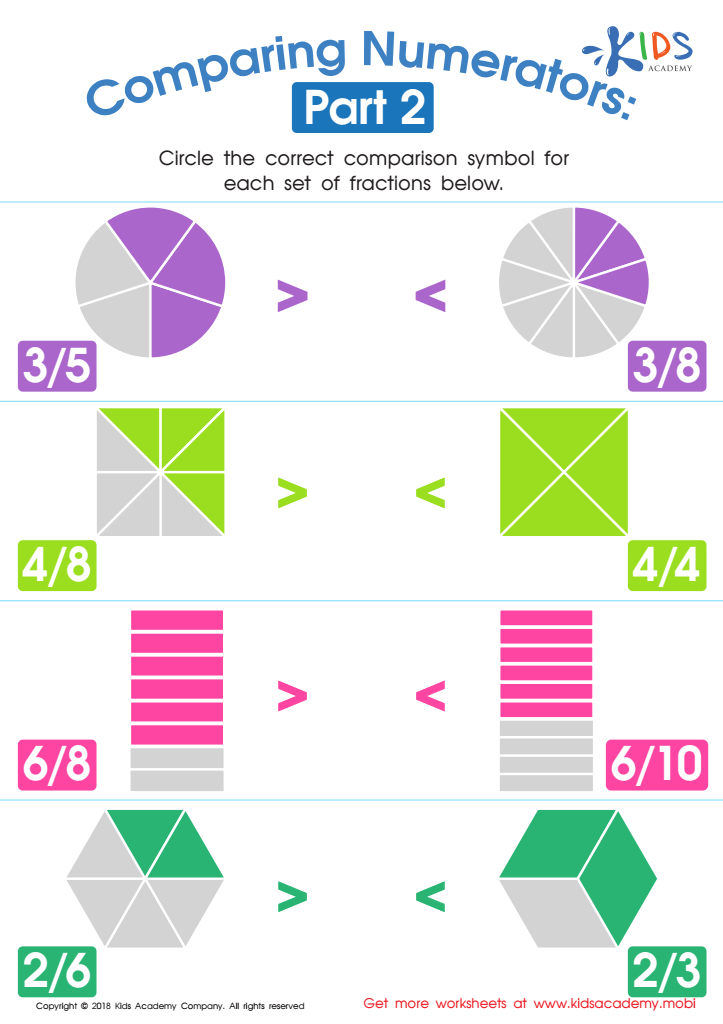
Comparing Numerators Part 2 Worksheet
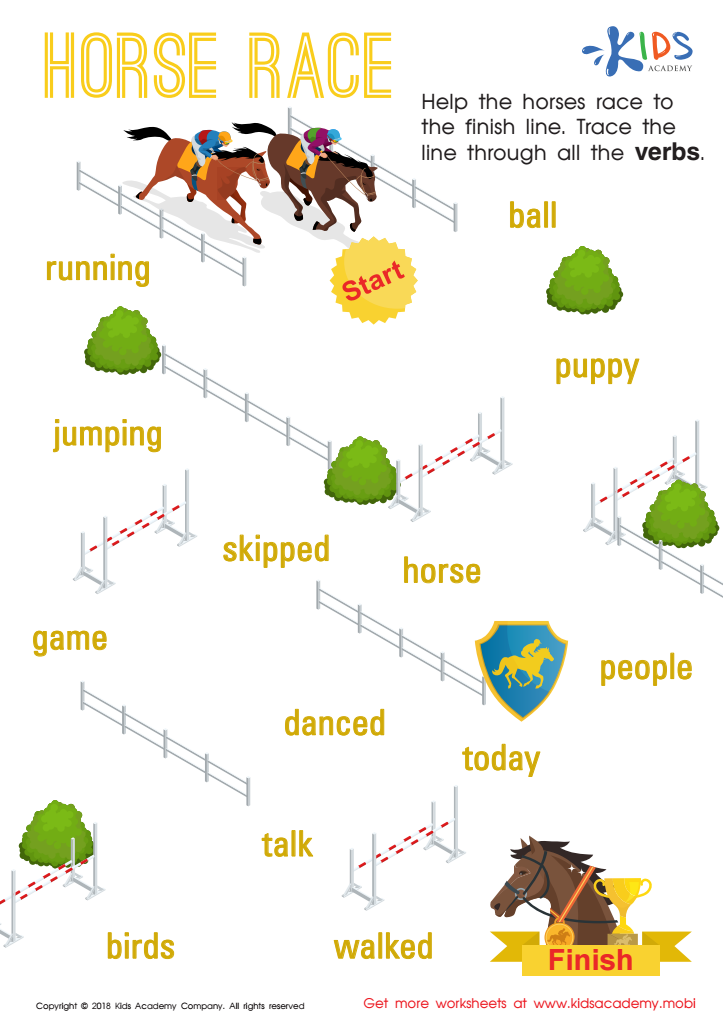
Horse Race Worksheet
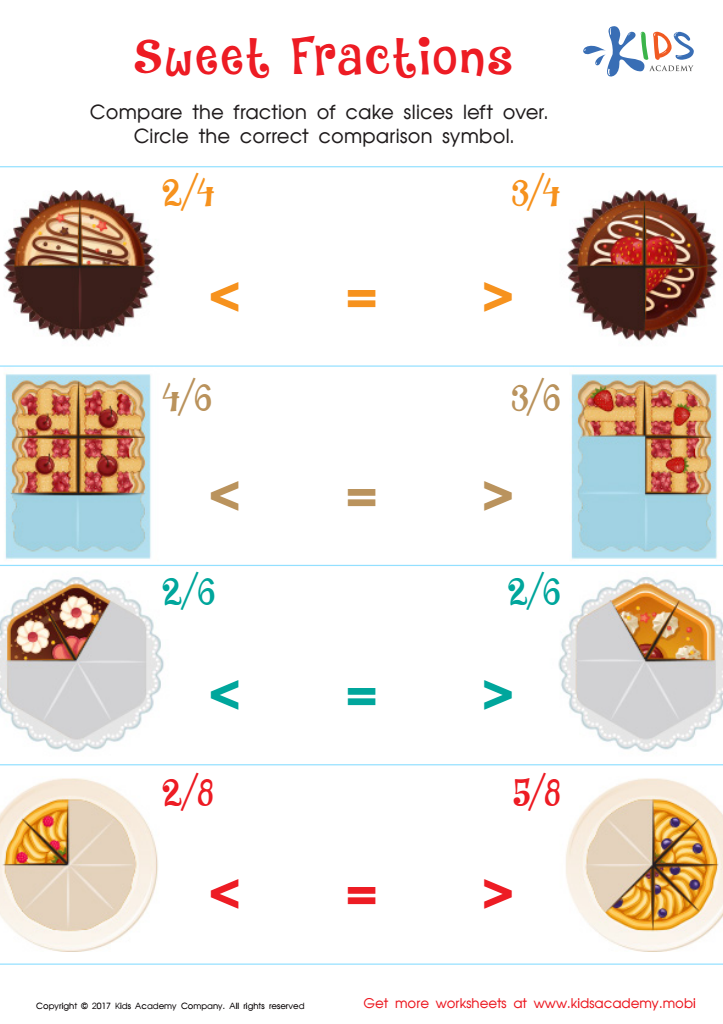
Compare Fractions Worksheet


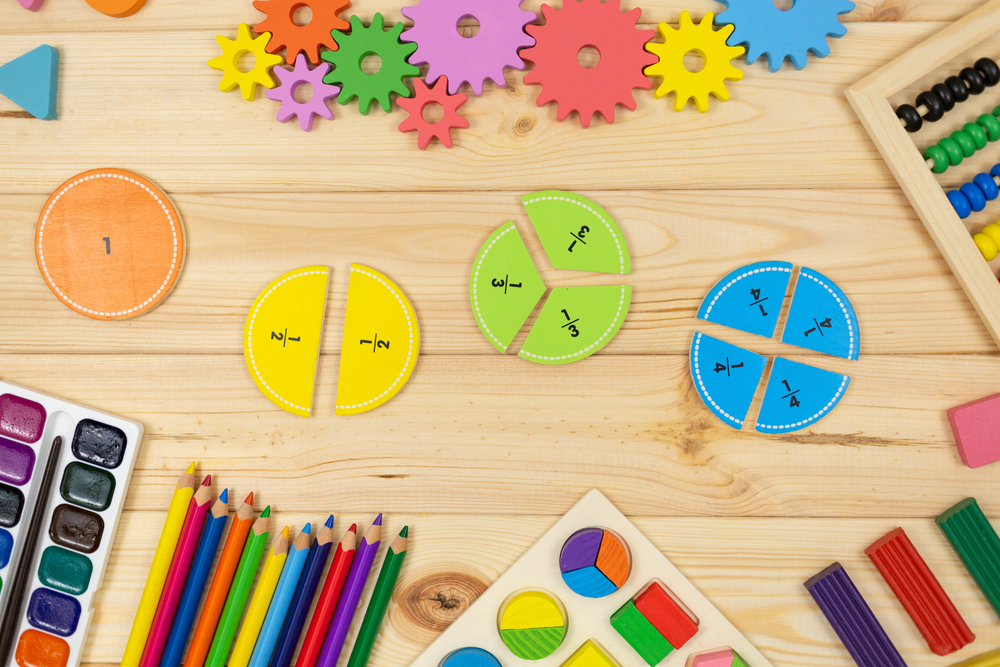




Understanding how to compare fractions is an essential skill for children aged 5-8, as it lays the foundation for their overall mathematical understanding. Parents and teachers should care about this concept because it fosters critical thinking and problem-solving abilities. Learning to compare fractions helps children recognize differences in quantities, paves the way to more advanced math skills, and enhances their confidence in handling numerical concepts.
At this developmental stage, children are developing their reasoning abilities, and comparing fractions encourages them to analyze, discuss, and visualize relationships between numbers. Engaging with fractions also introduces kids to concepts of equivalence and proportionality, which are vital in various real-life situations—like cooking, shopping, or sharing equally among friends.
Moreover, comparing fractions can be linked with concrete experiences, making learning more relatable and enjoyable. Parents can reinforce these lessons at home through games and activities that incorporate visuals and hands-on experiences. Teachers can use interactive lessons that encourage collaboration and discussion, enhancing social skills simultaneously. Ultimately, a solid grasp of comparing fractions prepares students for future mathematical concepts, equipping them with the necessary skills and confidence for academic success. This investment in their early education pays off in the long run.








