Enhances counting skills Normal Worksheets for Ages 5-8
3 filtered results
-
From - To
Welcome to our "Enhances Counting Skills Normal Worksheets" page for ages 5-8! These engaging worksheets are specifically designed to boost children’s counting abilities while making learning fun. Each activity focuses on essential counting concepts, from one-to-one correspondence to simple addition and subtraction. Bright illustrations and interactive exercises inspire young learners to enjoy numbers and develop a strong mathematical foundation. Ideal for home or classroom use, these worksheets provide opportunities for independent practice and skill reinforcement. Support your child's growth in counting and number recognition with our carefully crafted resources that meet educational standards and promote successful learning experiences.
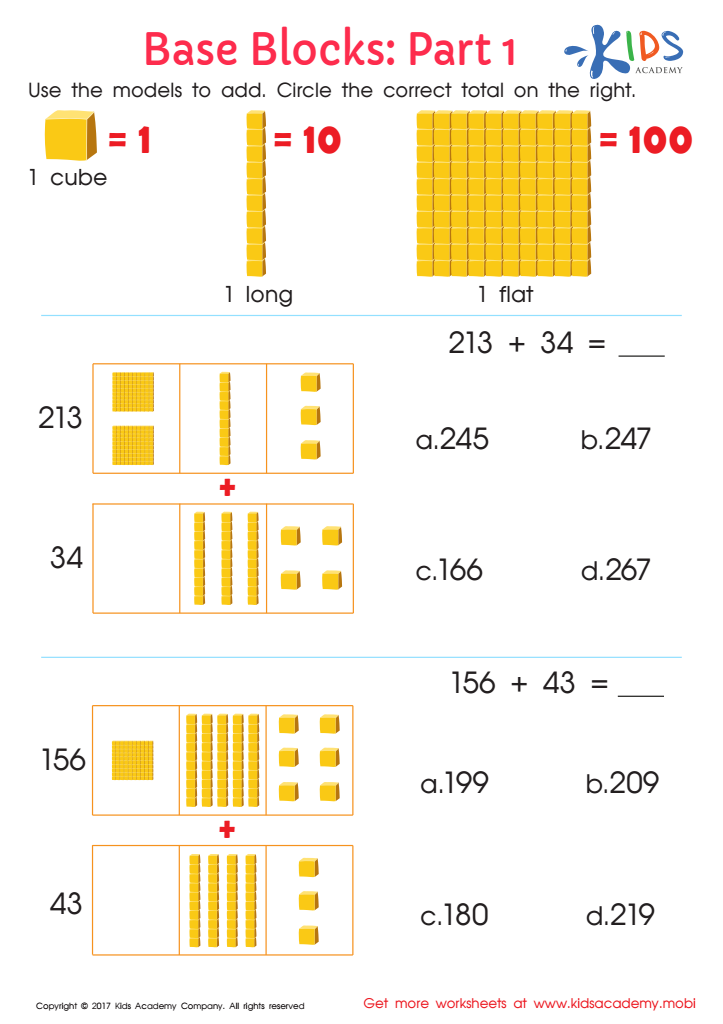
Base Ten Blocks Worksheet: Part 1
 Assign to My Students
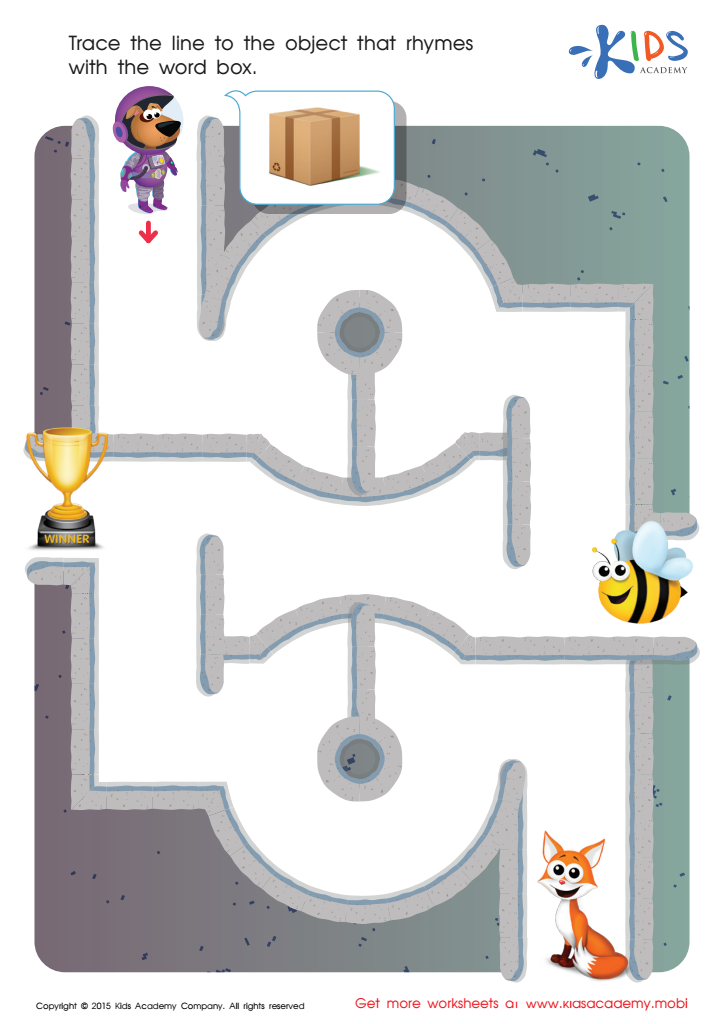
Box Rhyming Words Worksheet
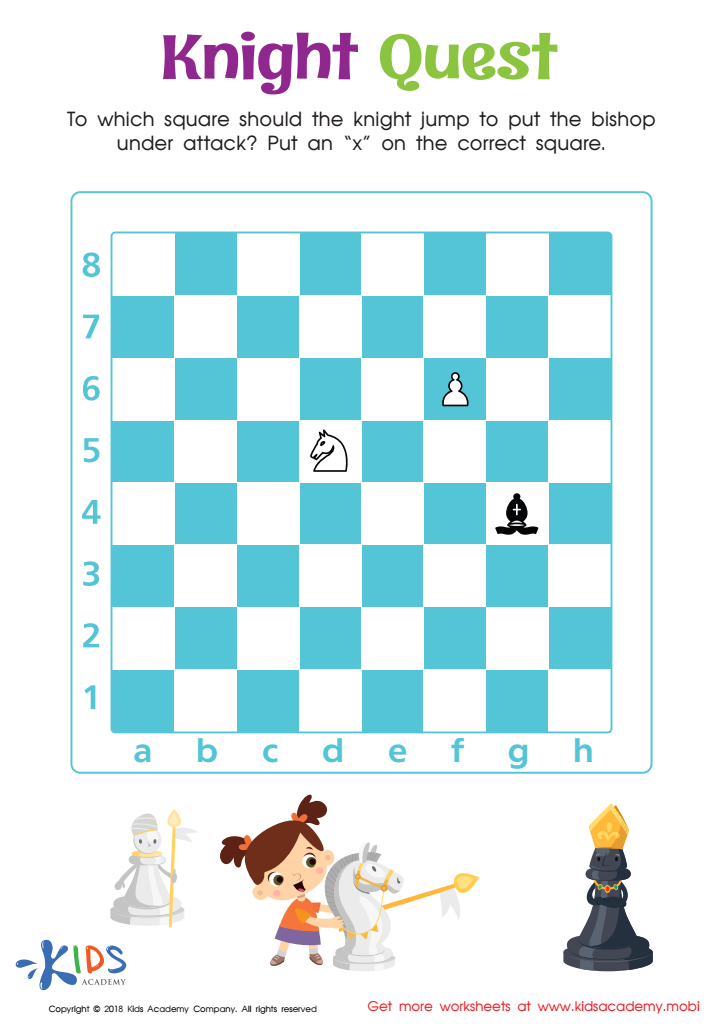
Knight Quest Worksheet








Enhancing counting skills in children aged 5-8 is crucial for their overall mathematical development and academic success. During these formative years, children are building foundational skills that will underpin future learning in math and other subjects. Proficiency in counting helps children understand number concepts, quantity recognition, and basic arithmetic operations, laying the groundwork for more complex mathematical principles.
Moreover, strong counting skills support critical thinking and problem-solving abilities, which are essential in both academic and everyday contexts. Children who can count well are better equipped to grasp concepts like addition and subtraction, making them more confident and capable learners.
Additionally, counting is not just a mathematical skill; it is connected to cognitive development, fine motor skills, and language acquisition. Engaging children in counting activities, such as incorporating it into play or everyday tasks, reinforces these skills in a fun and relatable way.
Parents and teachers play a vital role in nurturing these skills. By creating supportive learning environments, utilizing interactive tools, and reinforcing counting in daily activities, they can foster a love for math and ensure children are well-prepared for future educational challenges. Ultimately, strong counting skills correlate with better academic performance and increased self-confidence.








