Mental math practice Normal Worksheets for Ages 5-8
6 filtered results
-
From - To
Enhance your child's math skills with our engaging Mental Math Practice Normal Worksheets designed specifically for ages 5-8. These printable worksheets promote quick thinking and problem-solving abilities, making math fun and accessible. Tailored for early learners, each activity encourages children to practice addition, subtraction, and basic counting without the need for calculators. With colorful designs and varied exercises, these worksheets keep young learners entertained while building their confidence and mastery in mental arithmetic. Perfect for homeschooling or classroom use, our worksheets make effective learning easy and enjoyable. Boost your child's numerical fluency and watch them thrive in their math journey!
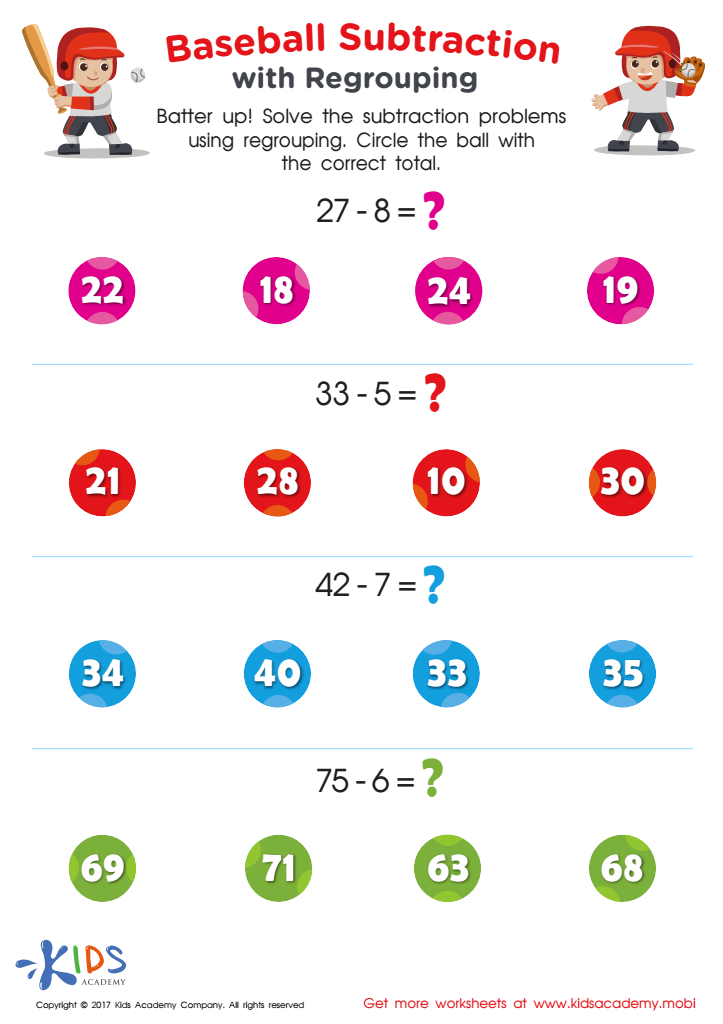
Subtraction With Regrouping for 2nd Grade Worksheet
 Assign to My Students
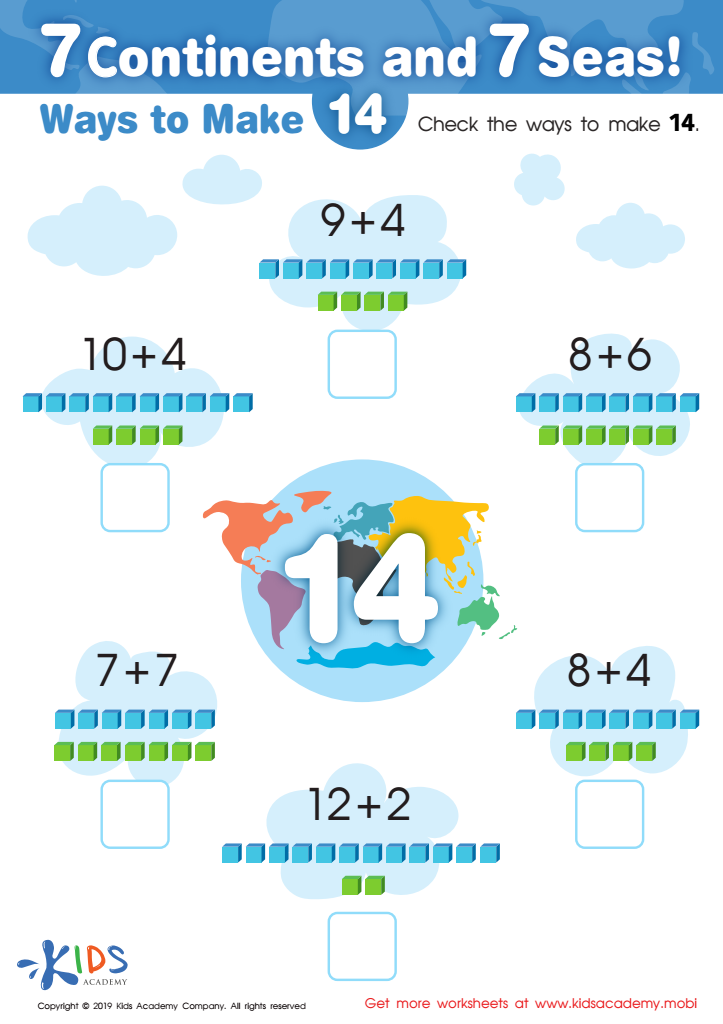
7 Continents and 7 Seas Worksheet
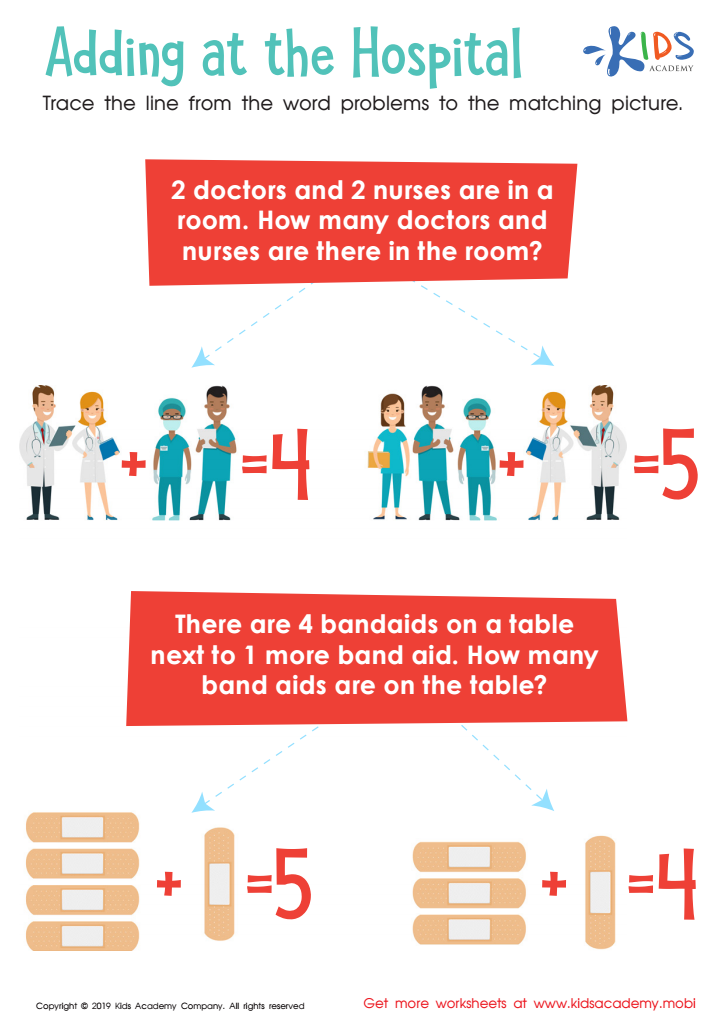
Adding at the Hospital Worksheet
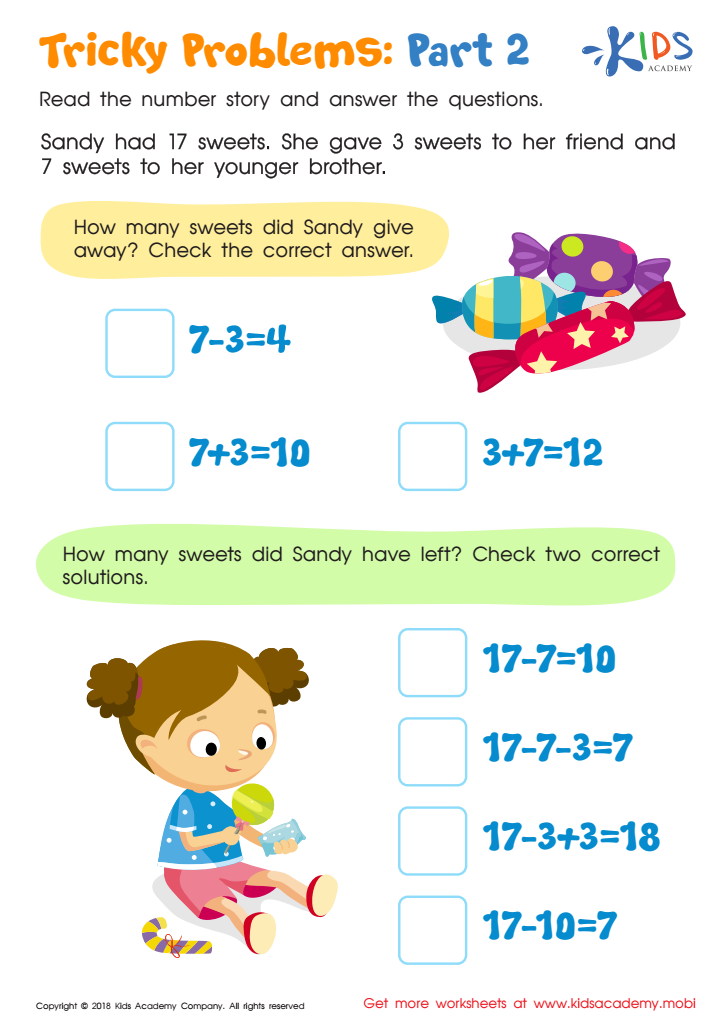
Tricky Problems Worksheet: Part 2
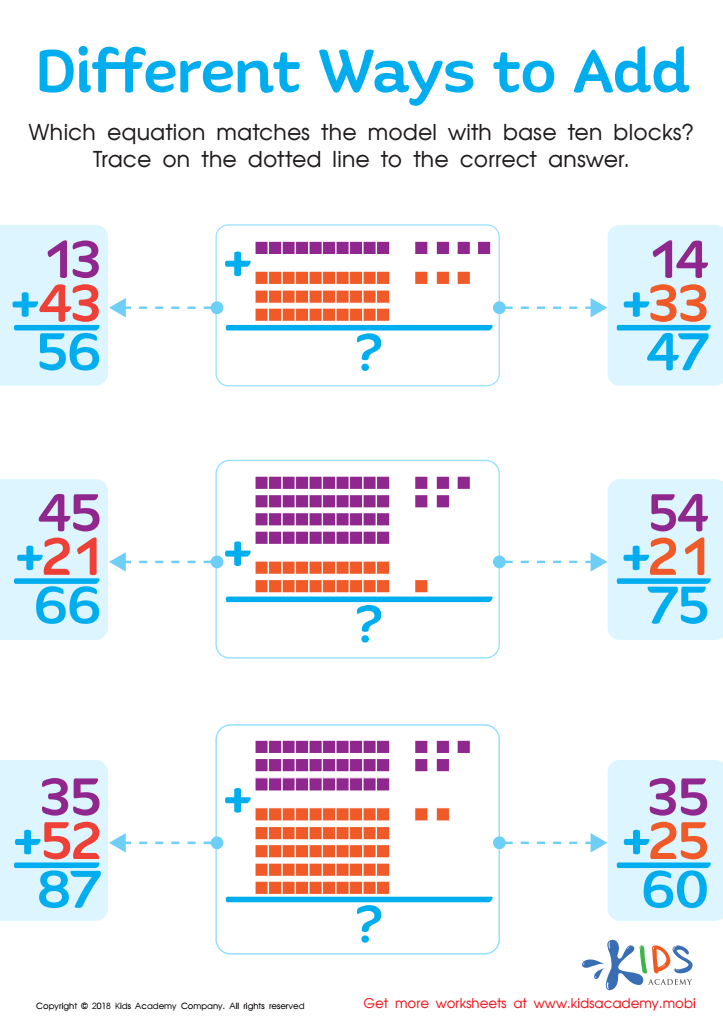
Different Ways to Add Worksheet
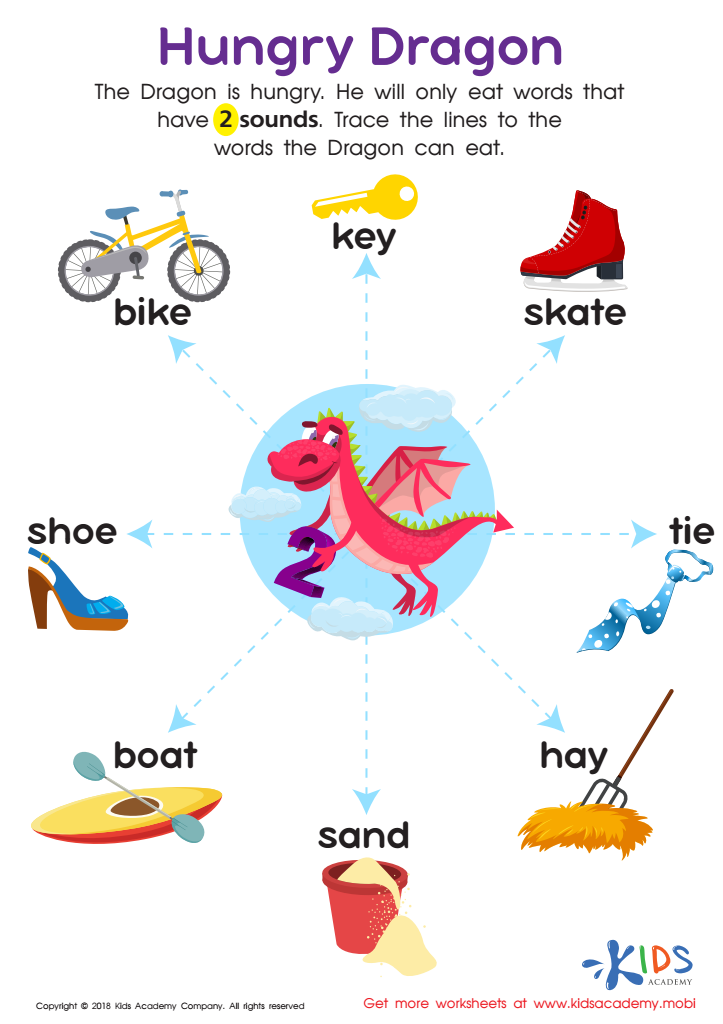
Hungry Dragon Worksheet








Mental math practice is essential for children aged 5-8 as it significantly promotes cognitive and academic development. During these formative years, children's brains are highly adaptable and primed for learning foundational skills in mathematics. Engaging in mental math exercises enhances their ability to process numbers, recognize patterns, and solve problems, which fosters critical thinking and analytical skills.
Parents and teachers should care about mental math practice because it builds confidence in children's mathematical abilities. When young learners master basic operations like addition and subtraction in their heads, they gain a sense of achievement, reducing math anxiety and encouraging a positive attitude towards the subject. Furthermore, mental math lays the groundwork for more complex math concepts they will encounter in later grades, establishing a strong mathematical foundation.
Additionally, mental math promotes flexibility in thinking. Children learn various strategies for solving problems, encouraging them to approach challenges with creativity. As they practice regularly, they develop better memory skills and improve their concentration. This not only benefits their math skills but extends to other learning areas. In summary, mental math practice is pivotal for a child’s overall development, equipping them with skills that are fundamental for academic success and daily life.








