Nutrition knowledge Normal Worksheets for Ages 5-8
3 filtered results
-
From - To
Discover engaging and educational nutrition worksheets designed for children aged 5-8. Our expertly crafted activities help young learners develop a solid understanding of healthy eating habits through fun and interactive exercises. Kids will explore a variety of topics, including food groups, balanced meals, and the benefits of nutritious foods. With vibrant visuals and age-appropriate content, these worksheets make learning about nutrition enjoyable and effortless. Perfect for classrooms, homeschooling, or additional practice, our resources foster lifelong healthy habits and essential knowledge. Equip your child with the tools they need to make smarter food choices and build a foundation for overall well-being.
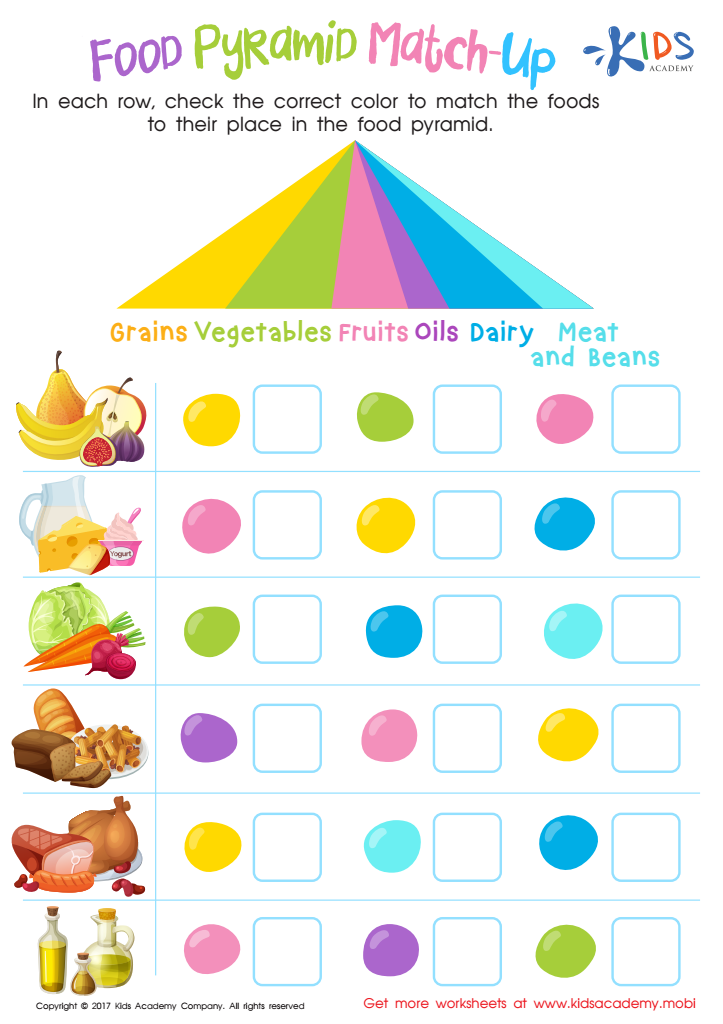
Health Food Worksheet
 Assign to My Students
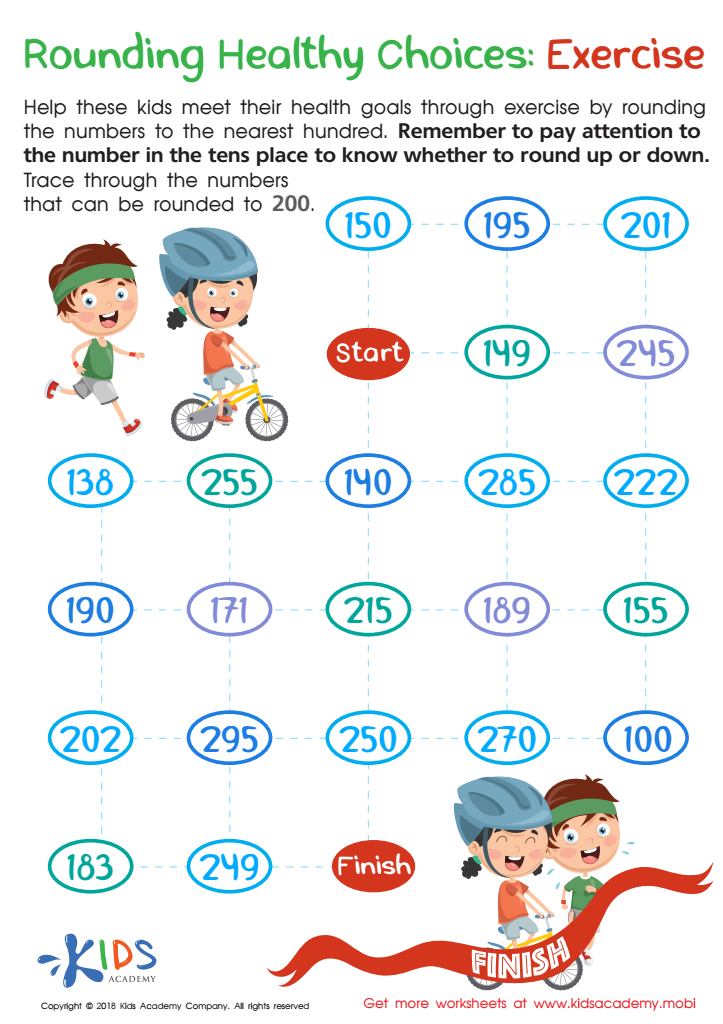
Rounding Healthy Choices Exercise Worksheet
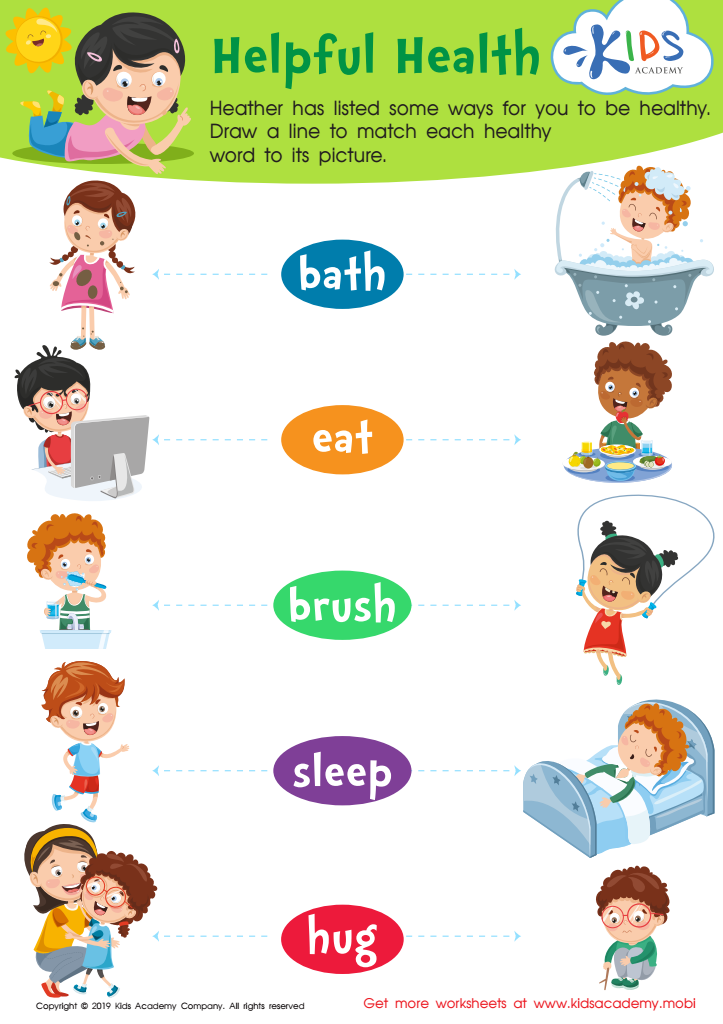
Helpful Health Worksheet







Nutrition is fundamental for the growth and development of children aged 5-8— a critical period for physical and cognitive development. Parents and teachers need to prioritize nutrition knowledge because it directly impacts children's health, learning capabilities, and overall well-being.
At this age, kids are growing rapidly, and their bodies require a balanced intake of nutrients to support heightened physical activity, brain development, and immune function. Proper nutrition ensures they have the right amount of energy, vitamins, and minerals to thrive. Malnutrition or poor eating habits can lead to deficiencies that harm their growth, learning, and even behavior. For instance, iron deficiency can impair cognitive development, while too much sugar can lead to concentration issues and obesity.
Educators and parents who understand nutrition can guide children in making healthy food choices, creating lifelong habits that prevent chronic diseases like diabetes and heart issues. Schools play a pivotal role by incorporating nutritional education into the curriculum and advocating for healthier meals in school cafeterias.
Good nutrition isn’t just about avoiding negative outcomes; it's about enabling children to reach their full potential academically and physically. Well-nutritioned children are more likely to be attentive in school, engage actively in physical activities, and develop social skills effectively. In essence, knowledge in nutrition empowers adults to foster environments where children can blossom into healthy, capable, and happy individuals.








