Phonics improvement Normal Worksheets for Ages 5-8
3 filtered results
-
From - To
Unlock the power of reading with our “Phonics Improvement Normal Worksheets” designed for children aged 5-8! These engaging worksheets foster essential phonics skills through fun activities tailored to enhance sound recognition, blending, and segmenting. Tailored to reinforce early literacy, each worksheet offers a mix of exercises that make learning enjoyable and effective. Whether it’s matching letters, filling in the blanks, or completing sound drills, these resources cater to various learning styles. Perfect for educators and parents alike, our worksheets provide the ideal foundation for young learners to build confidence and fluency in reading. Start your child’s phonics journey today!
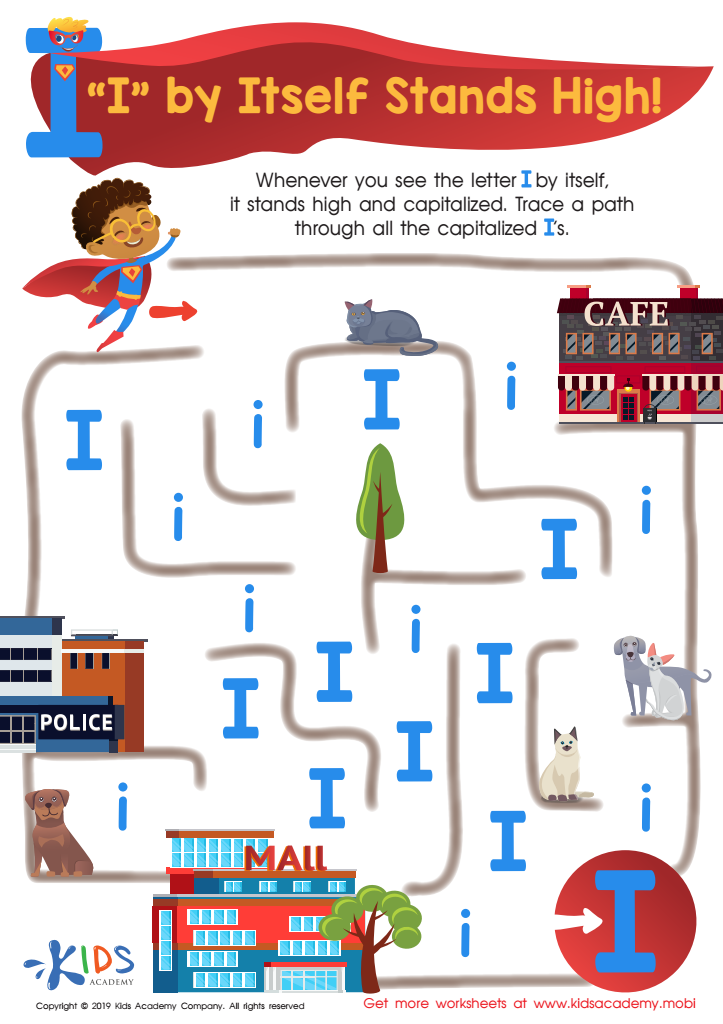
I Stands High Worksheet
 Assign to My Students
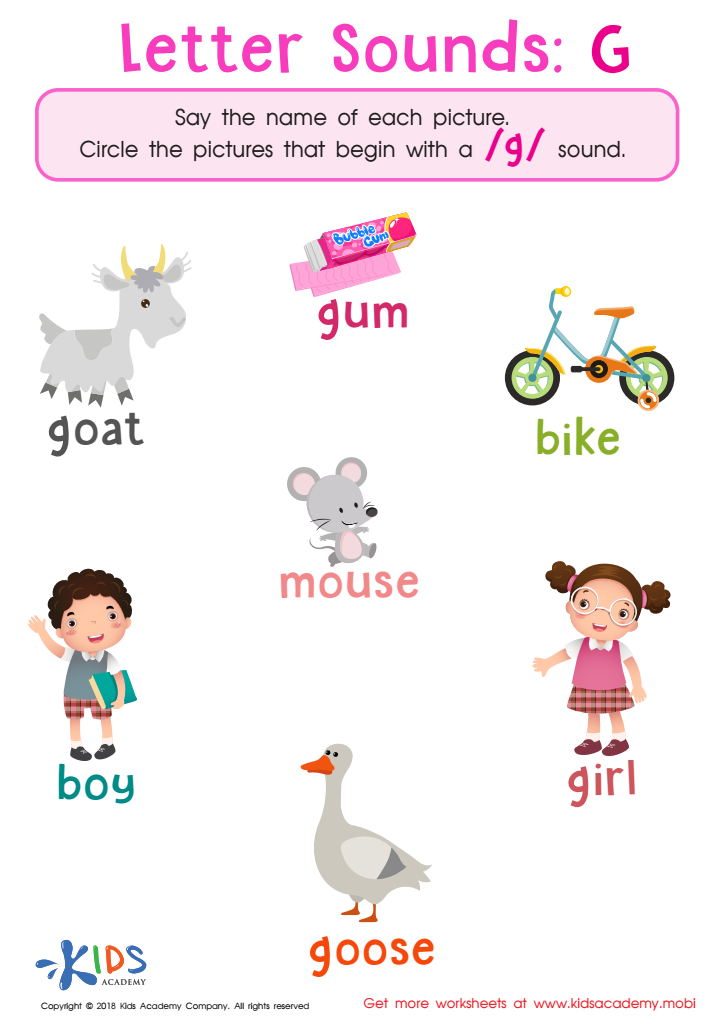
Letter G Sounds Worksheet







Phonics is a crucial component of early literacy, particularly for children aged 5-8, as it lays the foundation for reading and writing skills. During these formative years, children are not only learning to read but also beginning to understand the relationship between sounds and letters. Improving phonics skills enables children to decode unfamiliar words and enhance their reading fluency.
Parents and teachers should care about phonics improvement because it directly impacts children's academic success and social development. Strong phonics skills lead to greater reading comprehension, equipping children with the ability to understand and engage with texts, which fosters a love for reading. Additionally, effective phonics instruction aligns with the curriculum and prepares students for more advanced literacy skills they will encounter in higher grades.
Moreover, developing phonics competence can boost children’s confidence and encourage participation in classroom activities. Students with solid phonetic foundations are less likely to struggle with literacy, which can reduce frustration and anxiety associated with learning. Supporting phonics improvement ultimately fosters a positive learning environment where children can thrive, empowering them with the skills needed for lifelong learning and communication. Therefore, investing time and resources in phonics directly benefits children's futures academically and personally.








