Phonics skills development Normal Worksheets for Ages 5-8
6 filtered results
-
From - To
Welcome to our Phonics Skills Development Worksheets for Ages 5-8! Designed to enhance early literacy, these engaging worksheets help children master fundamental phonics concepts through fun and interactive activities. Young learners will practice letter sounds, blending, and segmenting words, laying a strong foundation for reading success. Each worksheet is thoughtfully crafted to cater to various skill levels, ensuring personalized learning experiences. Perfect for home or classroom settings, these resources support guided practice and independent learning. Foster a love for reading and boost confidence in phonics skills with our carefully curated collection, making phonics easy and enjoyable for young minds.
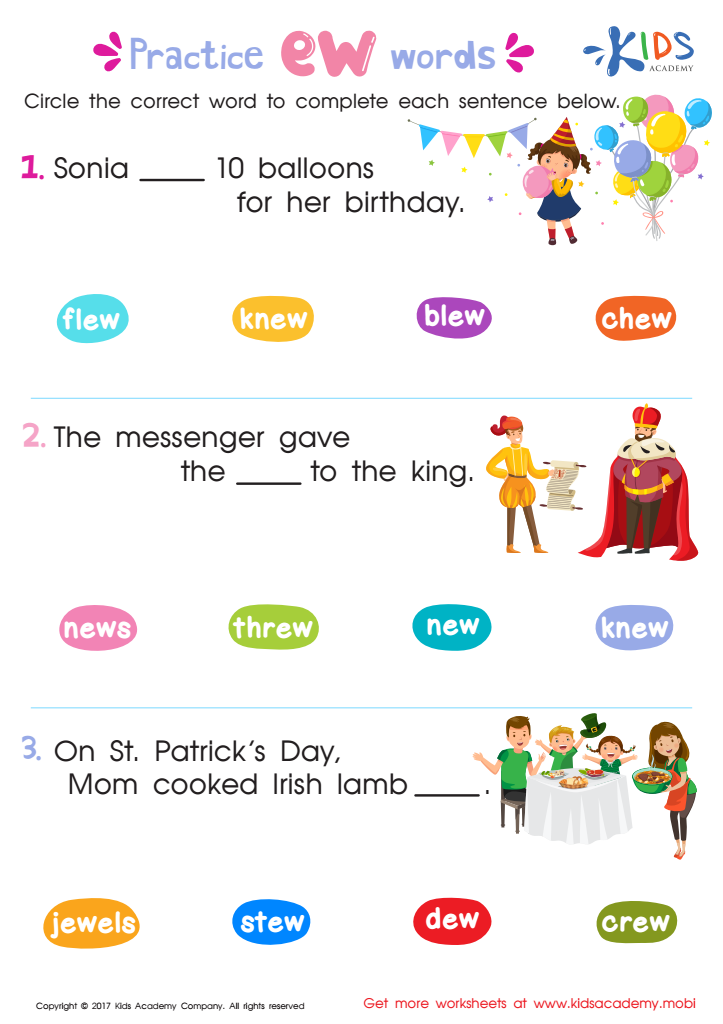
EW Words Worksheet
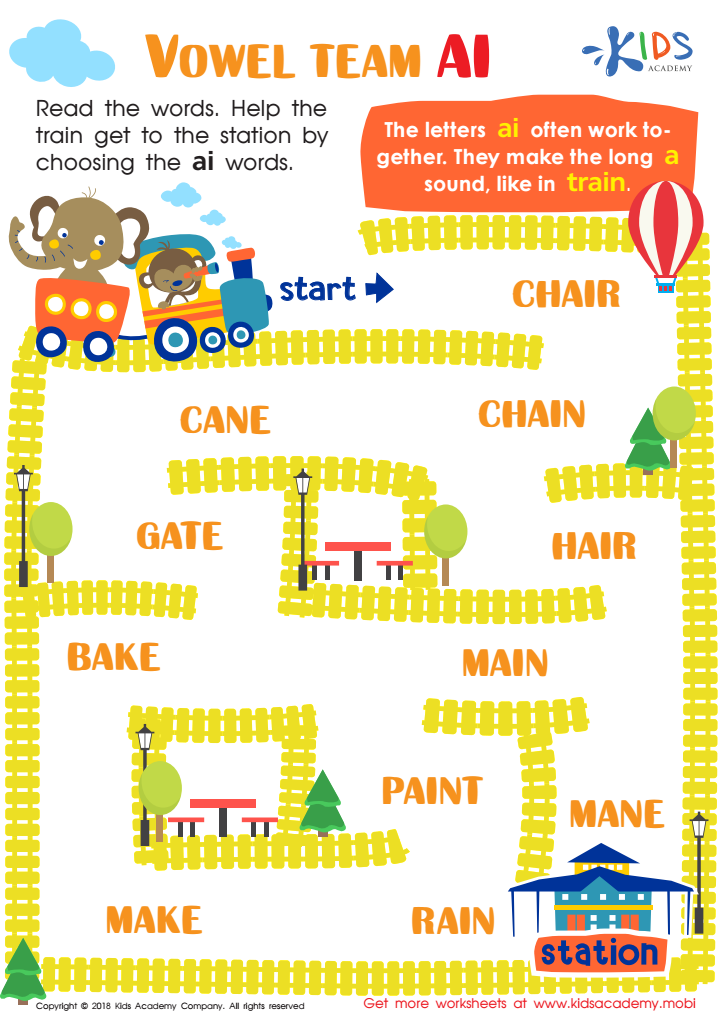
Vowel team ai Worksheet
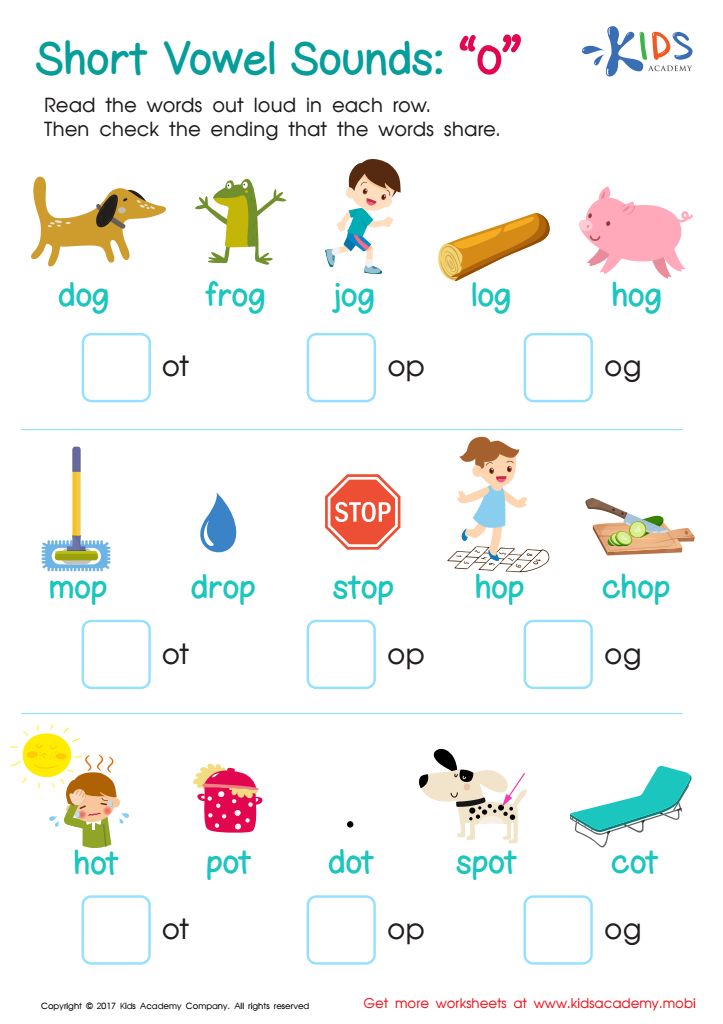
Short vowel Sounds "o" Spelling Worksheet
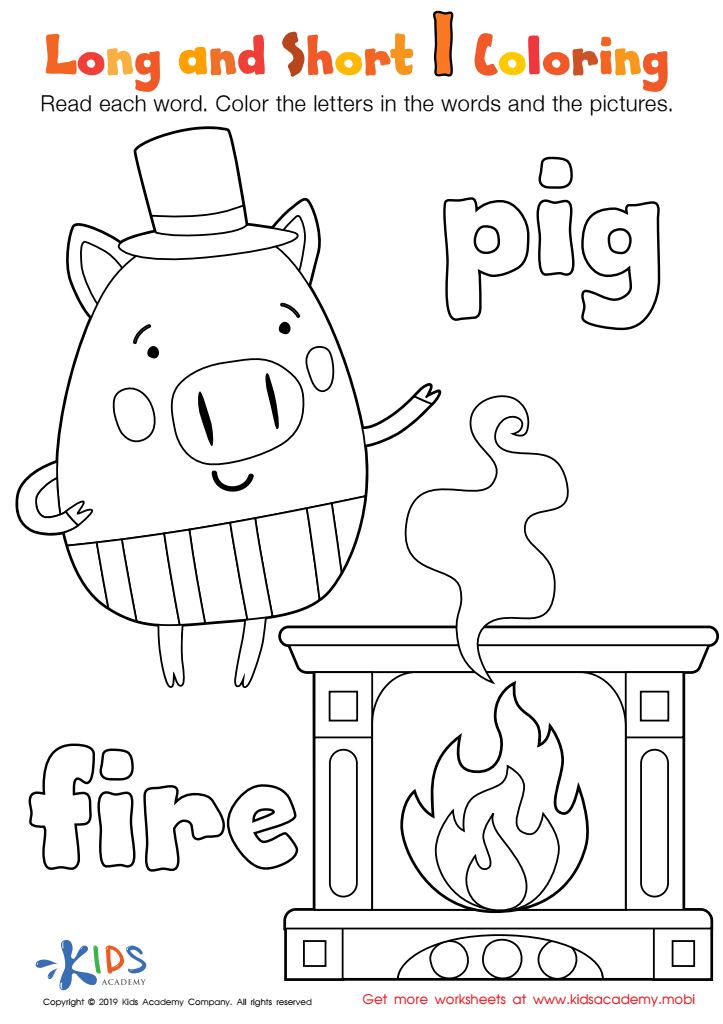
Long and Short I Worksheet
 Assign to My Students
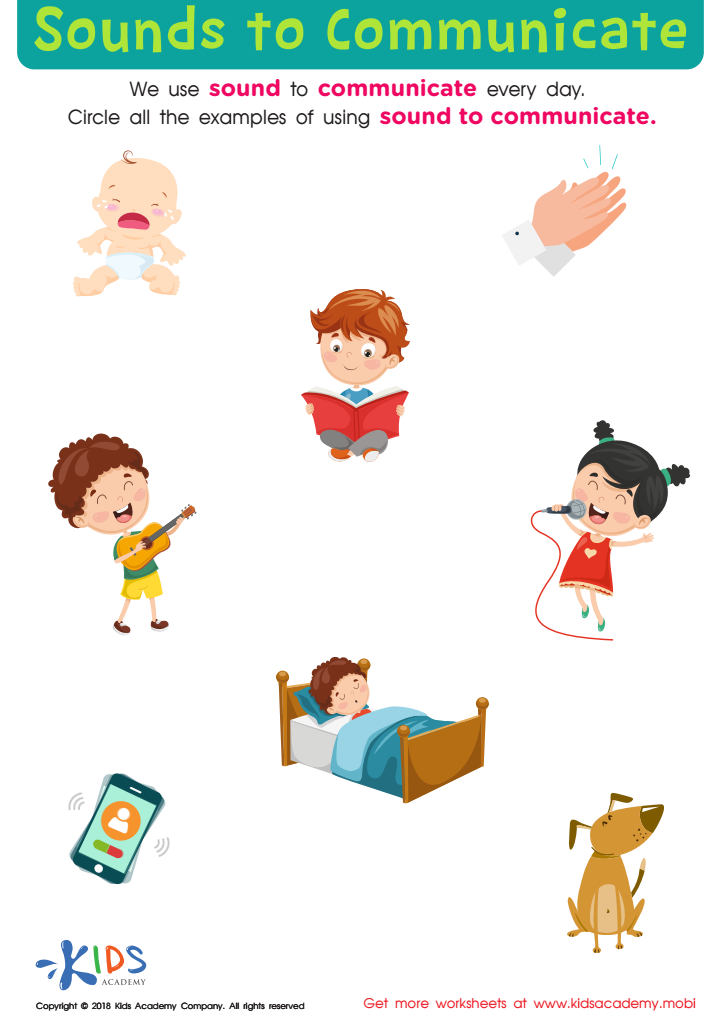
Sounds to Communicate Worksheet
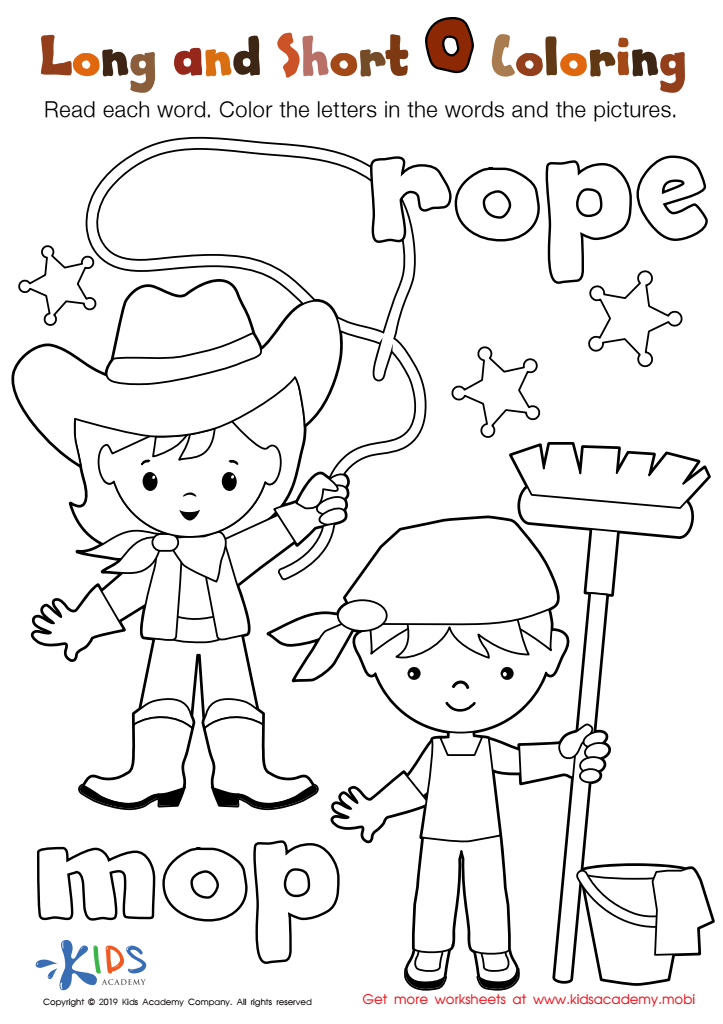
Long and Short O Worksheet
Assign to My Students







Phonics skills development is crucial for children aged 5-8, as it serves as the foundation for reading and writing proficiency. During these formative years, children are beginning to connect letters with their corresponding sounds, which is essential for decoding words. A solid understanding of phonics enables children to read more fluently and confidently, fostering a love for literature.
Furthermore, phonics aids in building essential vocabulary and comprehension skills. As children learn to sound out words, they become more adept at recognizing and understanding new terms, leading to improved academic performance across all subjects. Teachers and parents should prioritize phonics instruction because it directly impacts literacy success, setting the stage for future learning.
Additionally, proficient phonics skills encourage self-esteem and motivation; children who can read independently are more likely to engage actively in the classroom and seek out new reading experiences. Effective phonics programs often incorporate interactive and fun activities, making learning enjoyable. By supporting phonics development, parents and teachers not only enhance reading abilities but also nurture critical thinking, creativity, and a lifelong love of learning in children. Ultimately, fostering phonics skills at this age translates into broader educational success and personal growth.








