Phonics skills improvement Normal Worksheets for Ages 5-8
6 filtered results
-
From - To
Enhance your child's phonics skills with our customizable worksheets designed for ages 5-8! These engaging activities focus on phonemic awareness, letter-sound recognition, and decoding skills, providing a fun and effective way for young learners to improve their reading abilities. Each worksheet is tailored to promote skill development while encouraging a love for reading. With a variety of interactive exercises, children can practice at their own pace and boost their confidence in literacy. Perfect for classroom use or at-home learning, our phonics skills improvement worksheets are a valuable resource for parents and educators aiming to build essential reading foundations. Start fostering phonics success today!
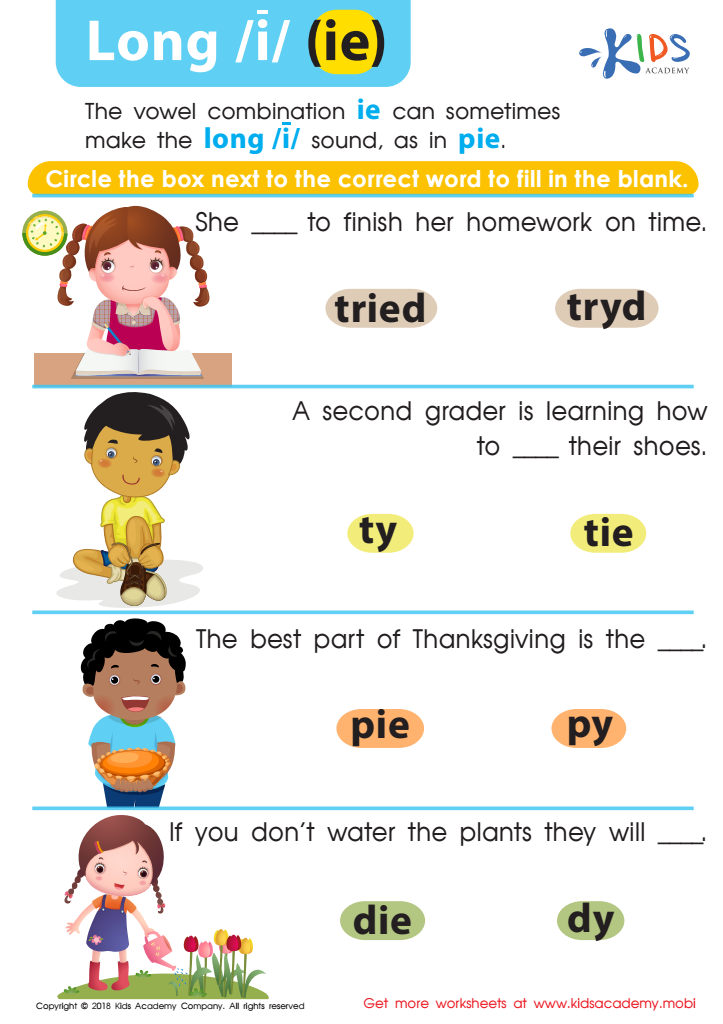
Reading: Long I and IE Worksheet
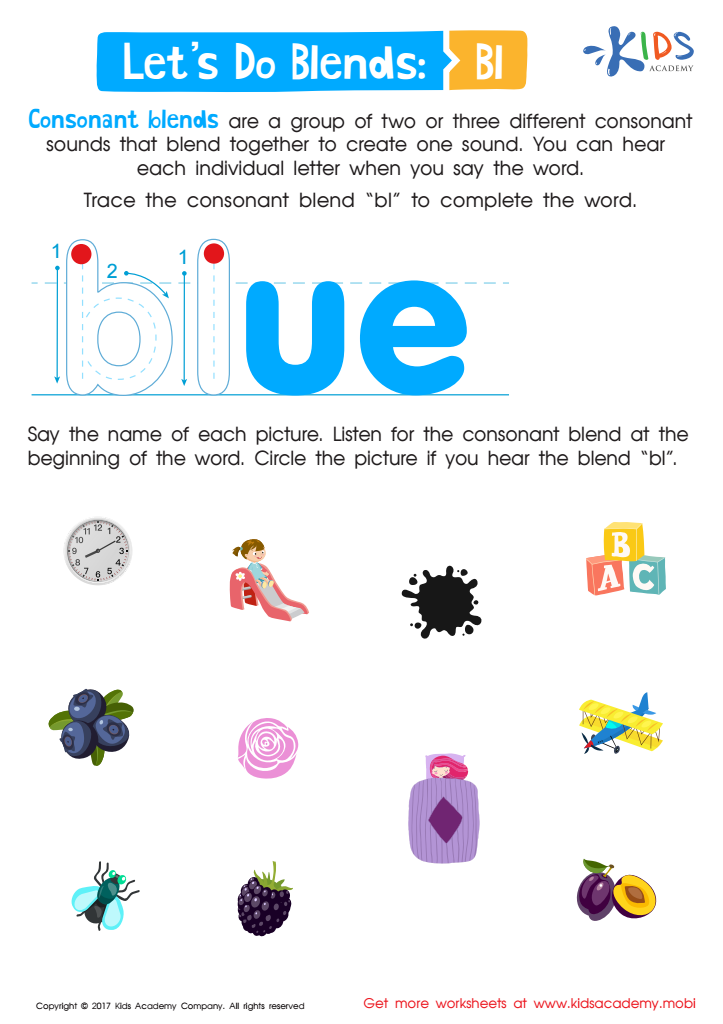
Beginning Blends: "Bl" Words Worksheet
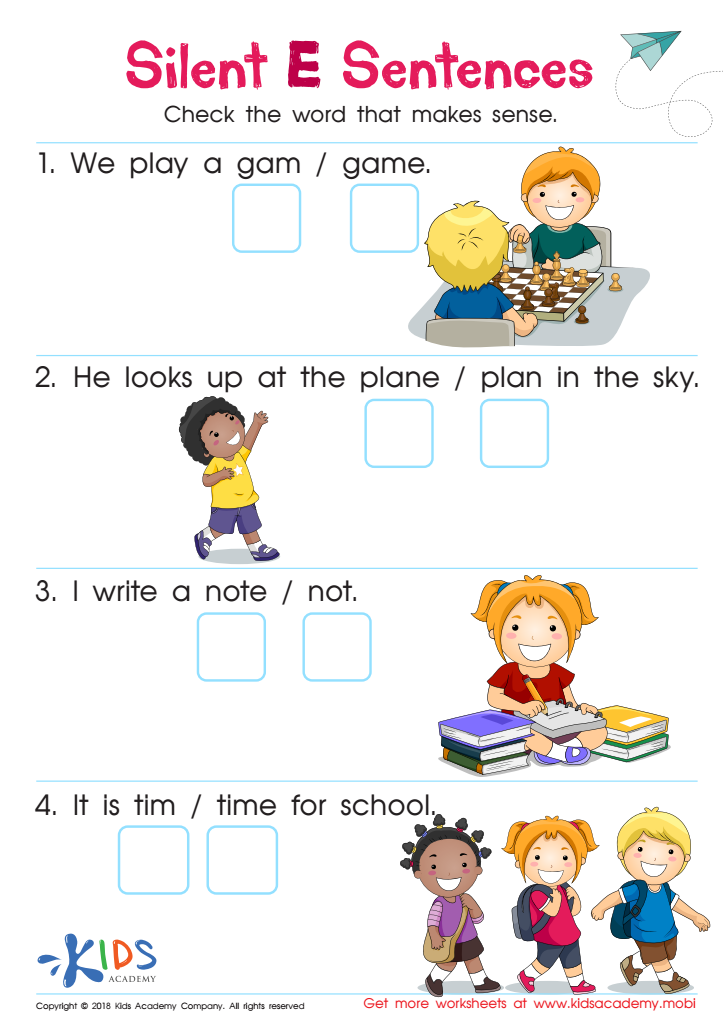
Silent E Sentences Worksheet
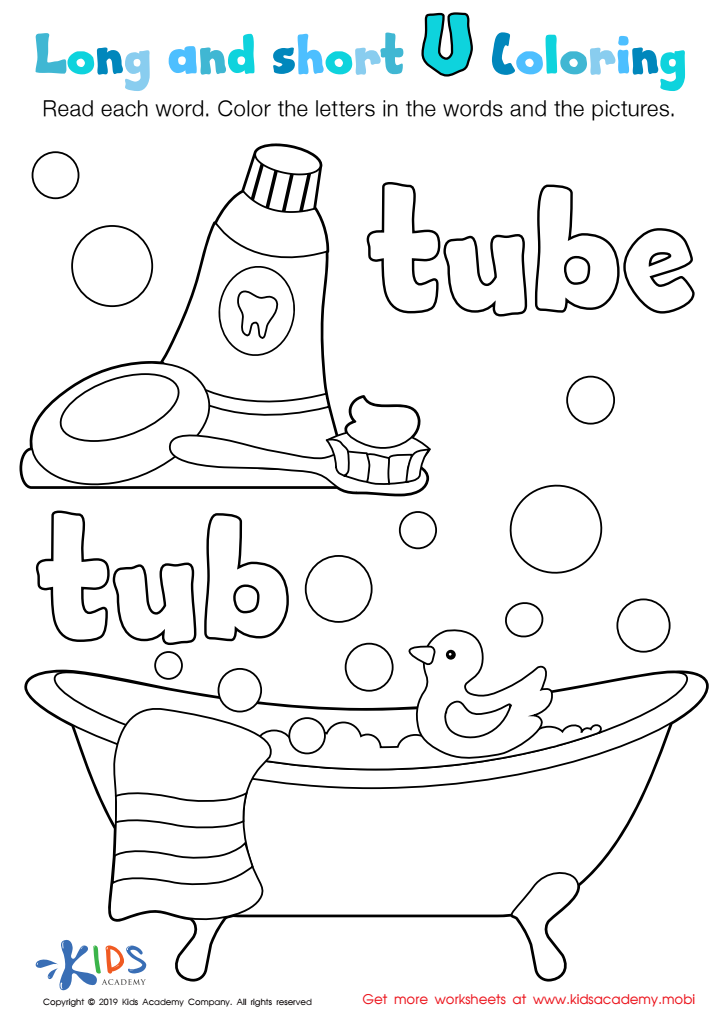
Long and Short U Worksheet
 Assign to My Students
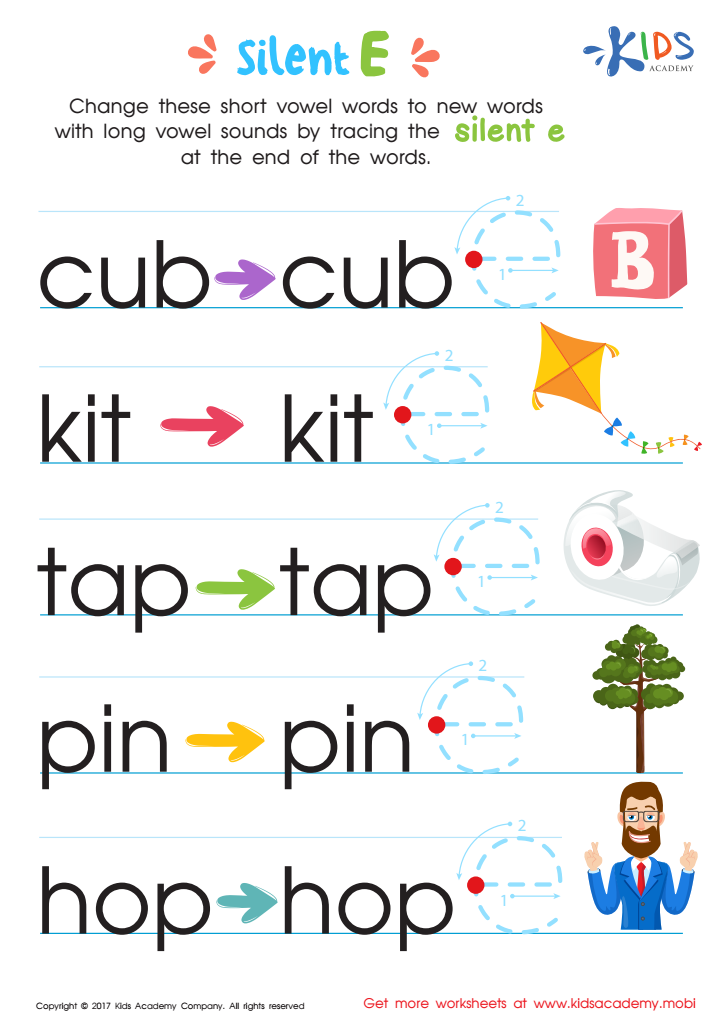
Silent E Words Worksheet
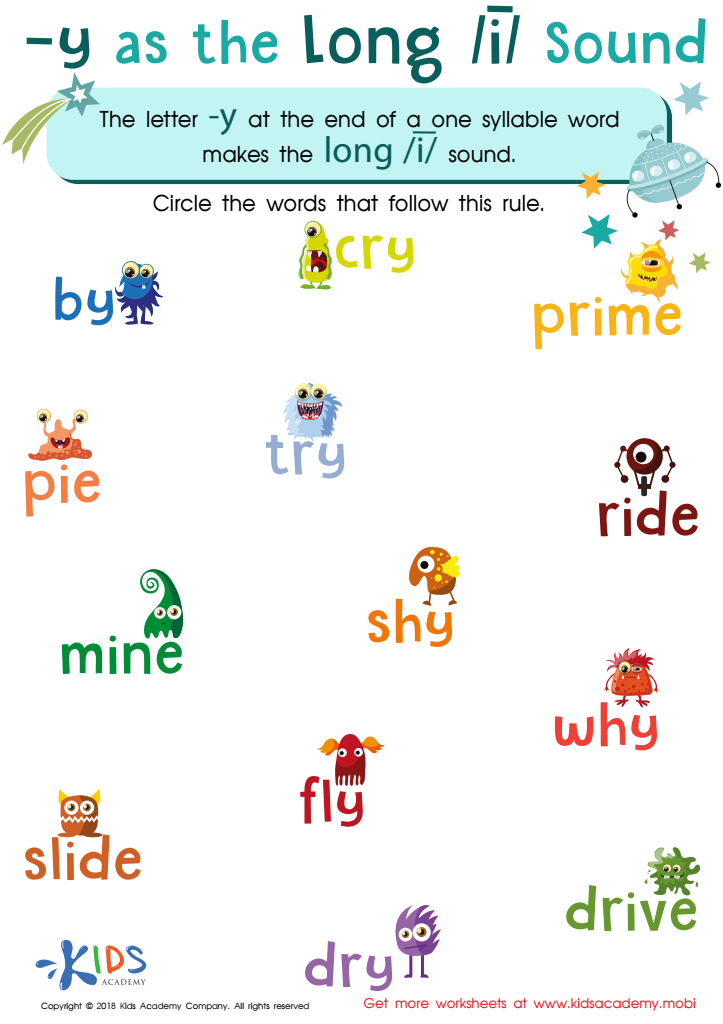
Reading: Y as Long I Worksheet



.jpg)




Phonics skills are crucial for children aged 5-8 as they lay the foundation for reading and writing proficiency. Understanding phonics helps children decode words, which is essential for developing reading fluency and comprehension. By recognizing the relationship between letters and sounds, children can tackle unfamiliar words, boosting their confidence in literacy.
For parents and teachers, focusing on phonics improvement is vital for several reasons. Firstly, strong phonics skills can lead to improved academic performance across all subjects, as reading is a fundamental skill required for learning. Secondly, children who struggle with phonics may face challenges in literacy development, potentially leading to long-term academic difficulties and anxiety about reading. Early intervention in phonics can prevent these issues, ensuring that children build a solid reading foundation.
Additionally, fostering a love for reading at this early stage can enhance children's overall communication skills, enabling them to express their thoughts and ideas more effectively. Ultimately, prioritizing phonics skills not only supports children's current educational journeys but also equips them with lifelong tools for success. It’s a shared responsibility among parents and educators to ensure young learners receive the support they need for effective literacy development.








