Science vocabulary expansion Normal Worksheets for Ages 5-8
4 filtered results
-
From - To
Explore our engaging Science Vocabulary Expansion Worksheets designed for children ages 5-8! These printable resources aim to enhance young learners' understanding of key science concepts while building their vocabulary. With fun activities that encourage exploration and creativity, kids will discover scientific terms through matching, fill-in-the-blank exercises, and engaging visuals. Perfect for classroom or at-home learning, these worksheets help solidify foundational knowledge in topics like biology, geology, and astronomy. Strengthen your child's vocabulary skills while sparking their curiosity about the world around them. Start your adventure in science today and watch your child's confidence soar!
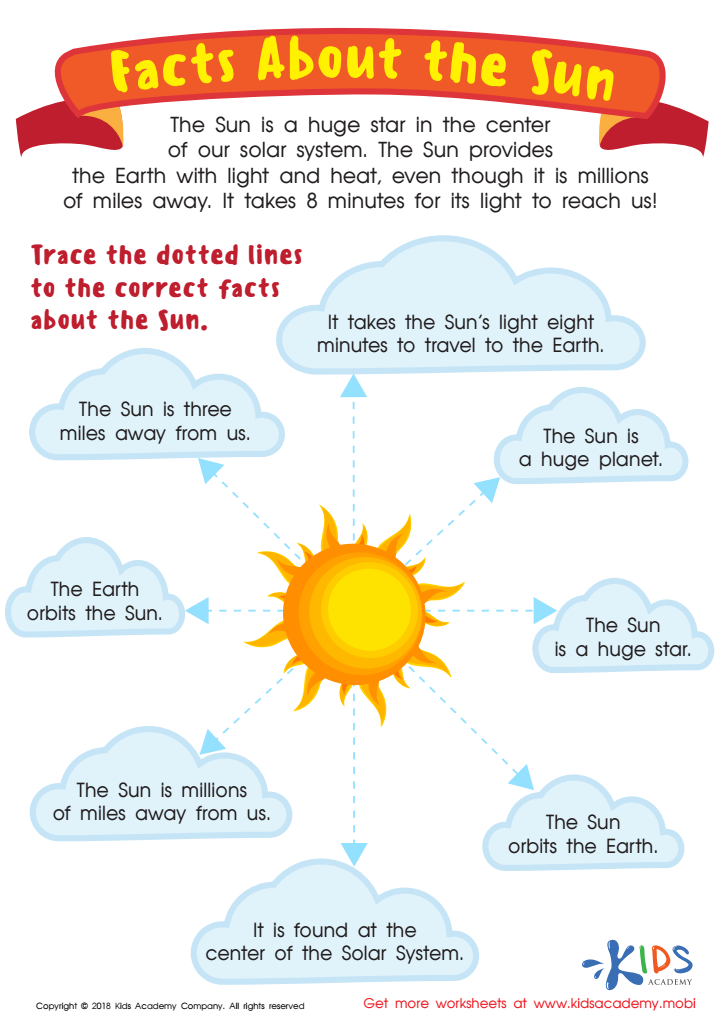
Facts About the Sun Worksheet
 Assign to My Students
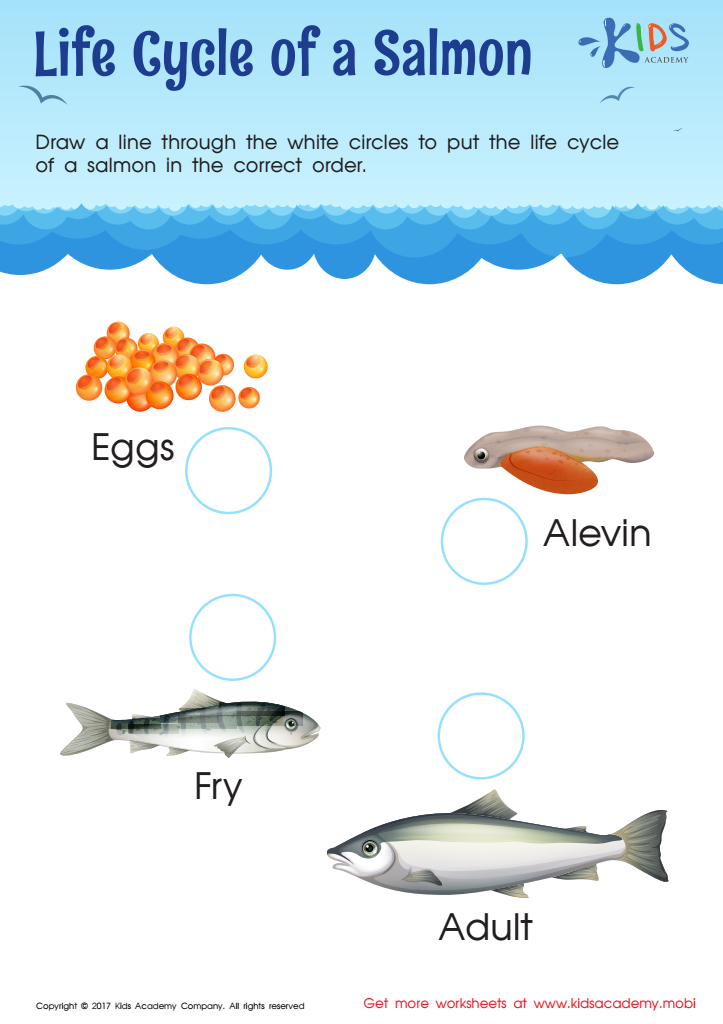
Cycle Of Salmon Worksheet
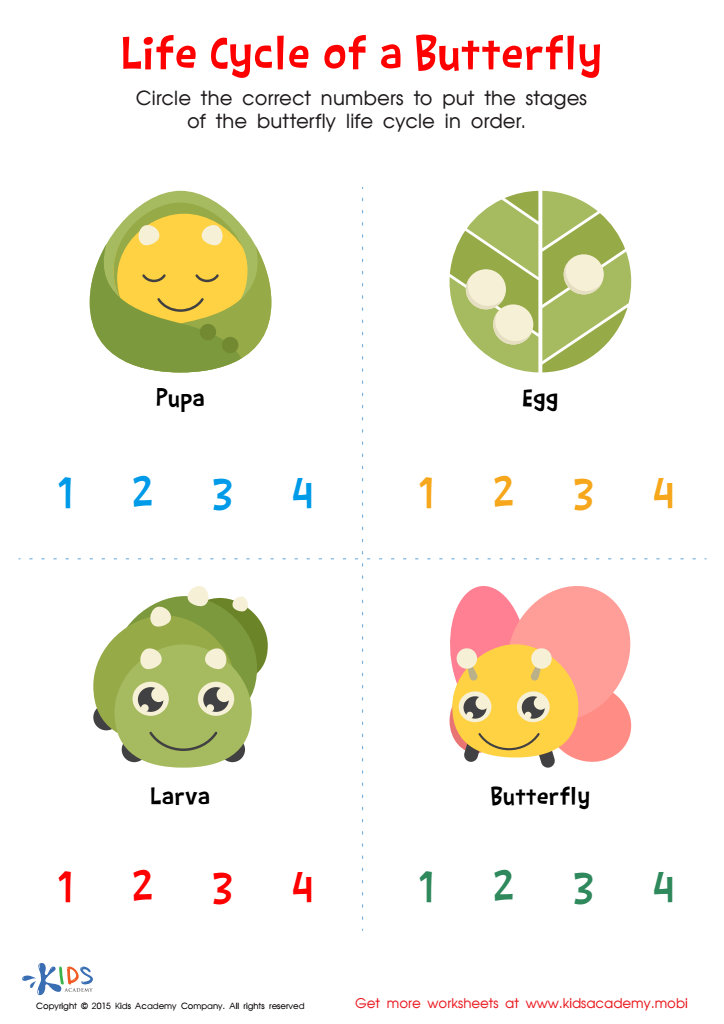
Life Cycle of Butterfly Printable
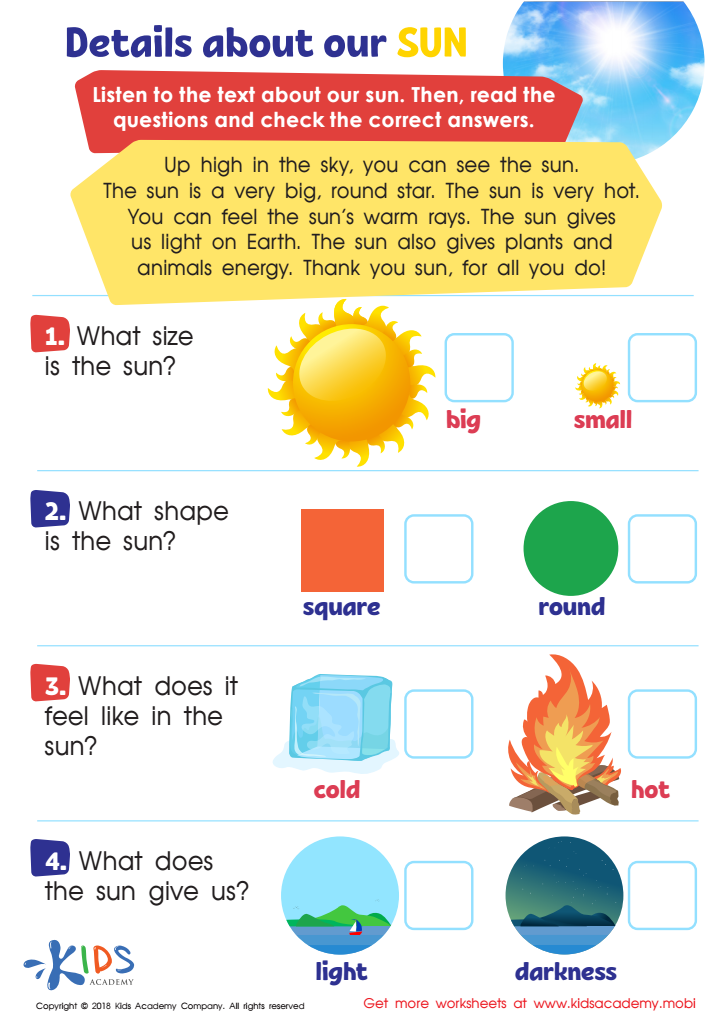
Details About Our Sun Worksheet








Expanding science vocabulary for children aged 5-8 is crucial for several reasons. At this developmental stage, children are naturally curious about the world around them, and science vocabulary serves as a foundation for their understanding of complex concepts. By introducing terms related to biology, physics, and chemistry, parents and teachers enable children to articulate their observations and questions, fostering critical thinking and exploratory skills.
Furthermore, a strong science vocabulary enhances literacy development. As children learn new words, they become more confident readers and communicators. This linguistic growth not only aids in comprehension of scientific texts but also enriches their overall academic performance.
Additionally, a robust vocabulary prepares children for future learning. Understanding essential terms early on enables them to grasp complex subjects in later grades more easily. It also fosters a lasting interest in STEM fields, which are vital in our technology-driven society.
Moreover, science vocabulary discussions can promote collaborative learning. By engaging in conversations about scientific concepts, children develop social skills and the ability to share ideas respectfully. Consequently, cultivating a rich science vocabulary is essential for empowering young learners and equipping them with the skills they need for future success.








