Sound recognition Normal Worksheets for Ages 5-8
13 filtered results
-
From - To
Welcome to our Sound Recognition Normal Worksheets for Ages 5-8! Designed to enhance auditory skills and boost early literacy, these engaging worksheets help children identify and differentiate various sounds. Perfect for young learners, our resources offer a fun way to build vocabulary and listening abilities through interactive activities. With vibrant illustrations and age-appropriate exercises, kids will explore sound recognition in a playful context. Whether at home or in the classroom, our worksheets support essential learning milestones while fostering a love for language. Browse our collection today and watch your child's confidence in sound recognition grow! Ideal for both educators and parents.
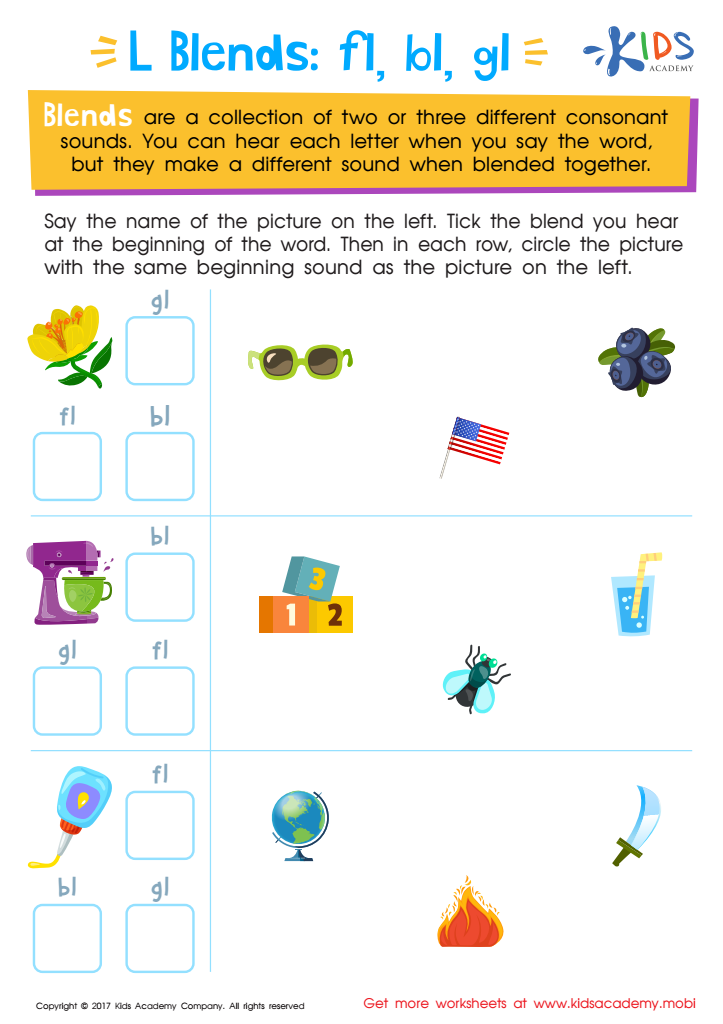
Blending Consonants: "Fl", "Bl" and "Gl" Printable
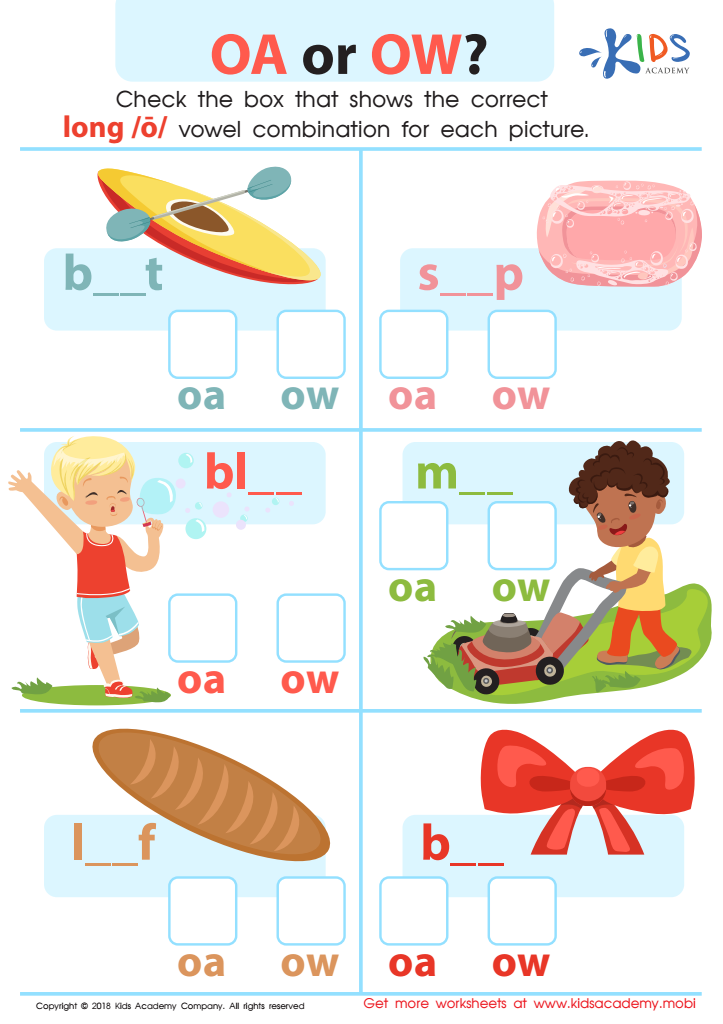
Reading: OA or OW Worksheet
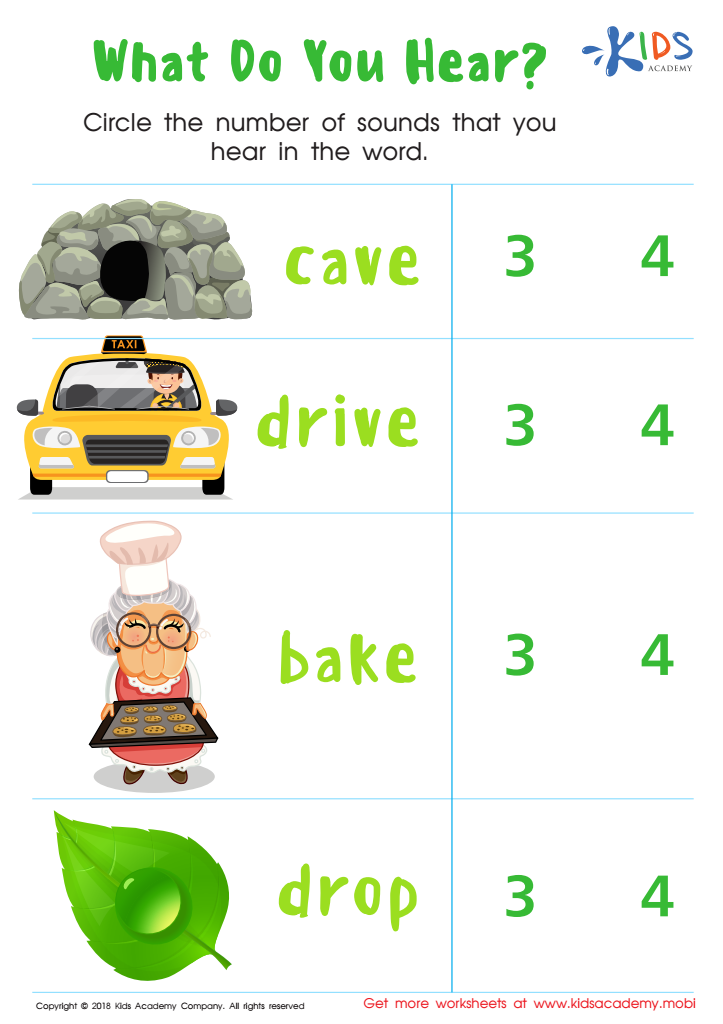
What Do You Hear? Worksheet

Rhyming Words Rhyming Worksheet
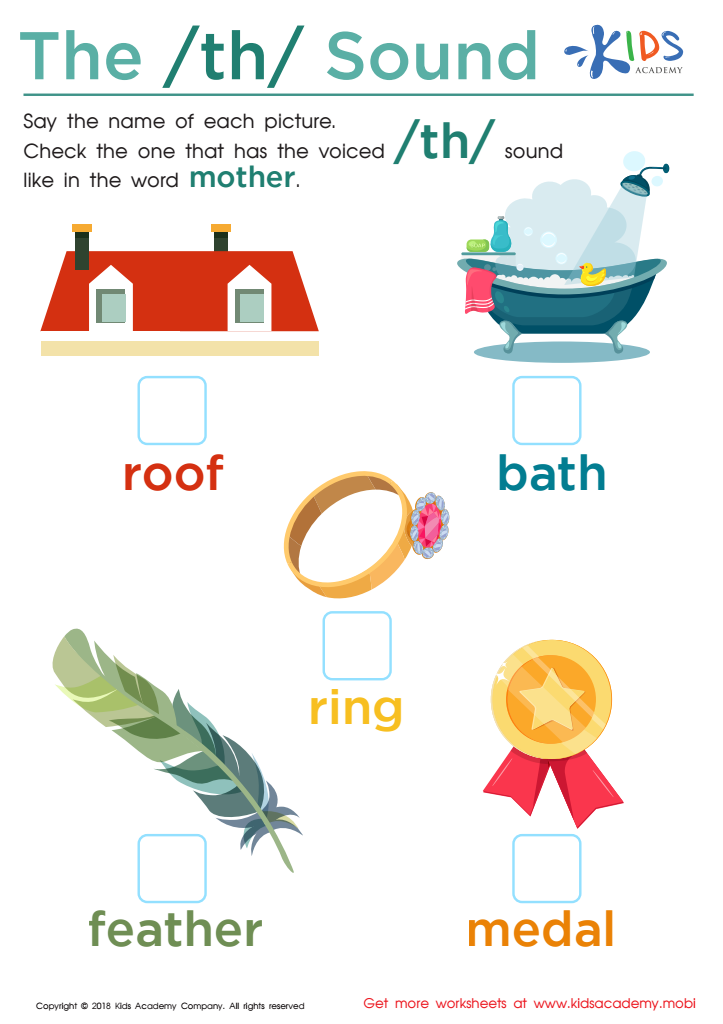
The /th/ Sound Worksheet
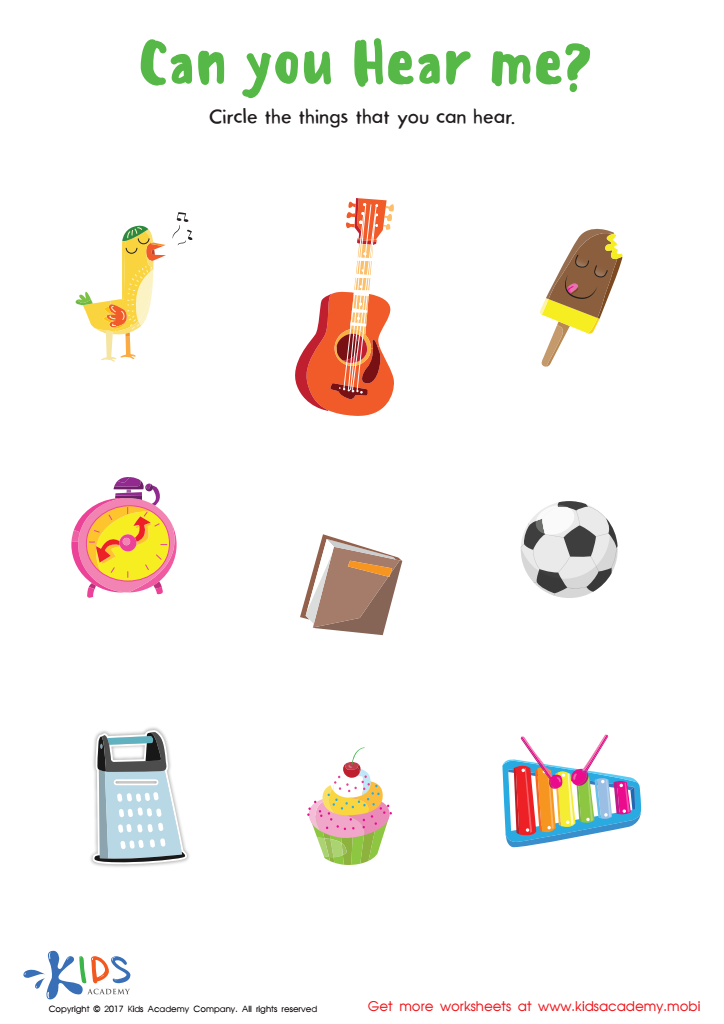
Can You Hear Me Worksheet
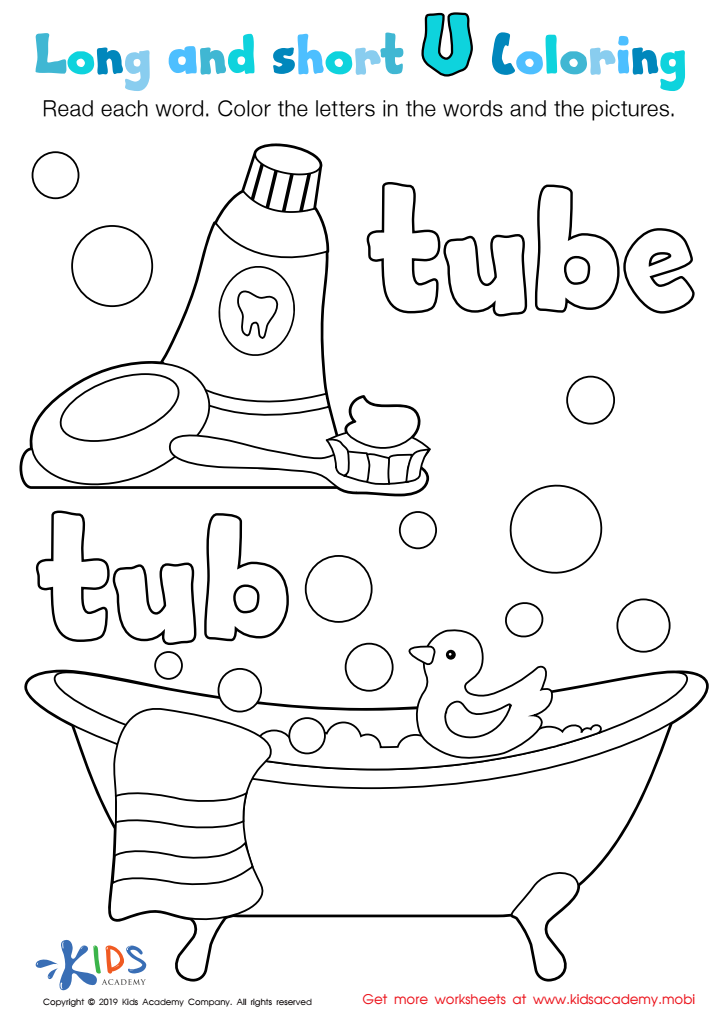
Long and Short U Worksheet
 Assign to My Students
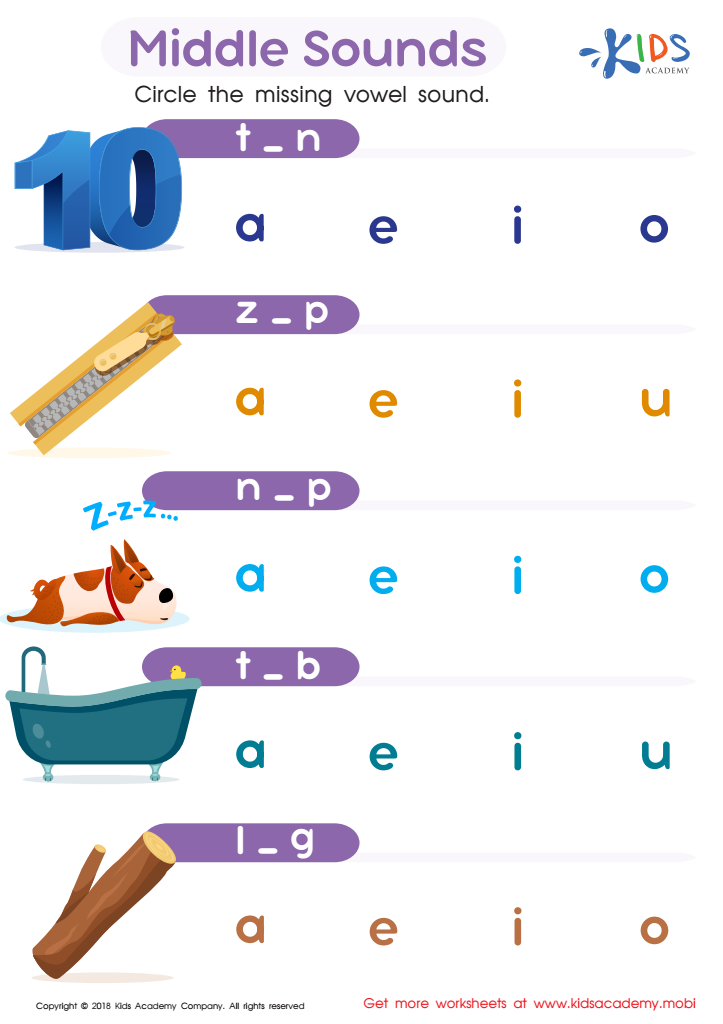
Middle Sounds Worksheet

First Words: Picture Rhymes Worksheet
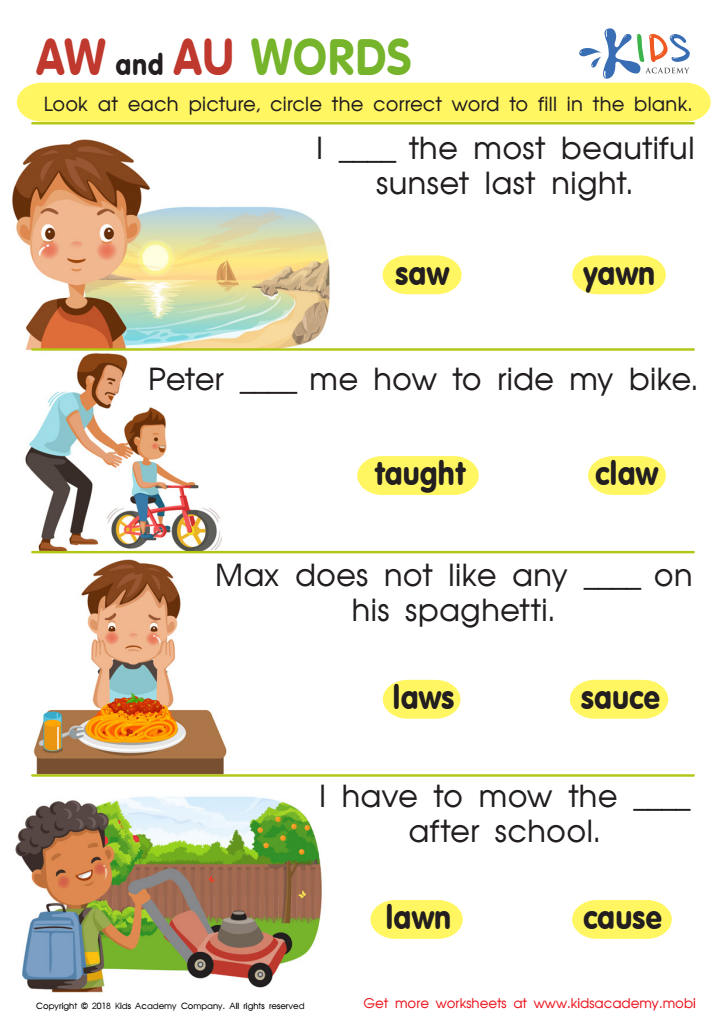
Reading: AW and AU Words Worksheet
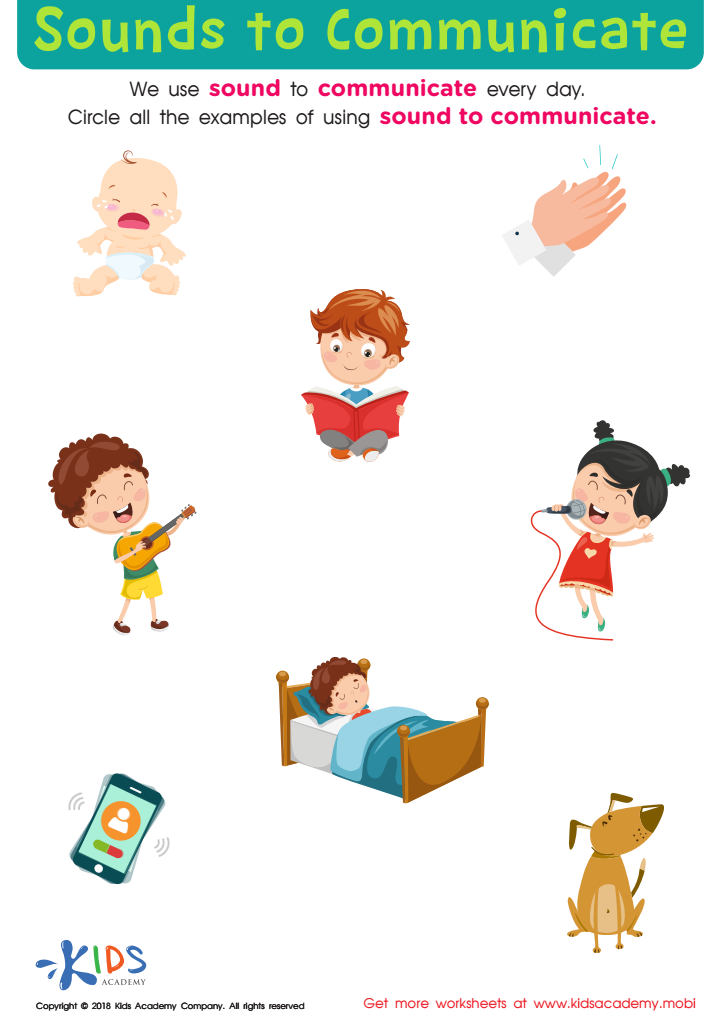
Sounds to Communicate Worksheet
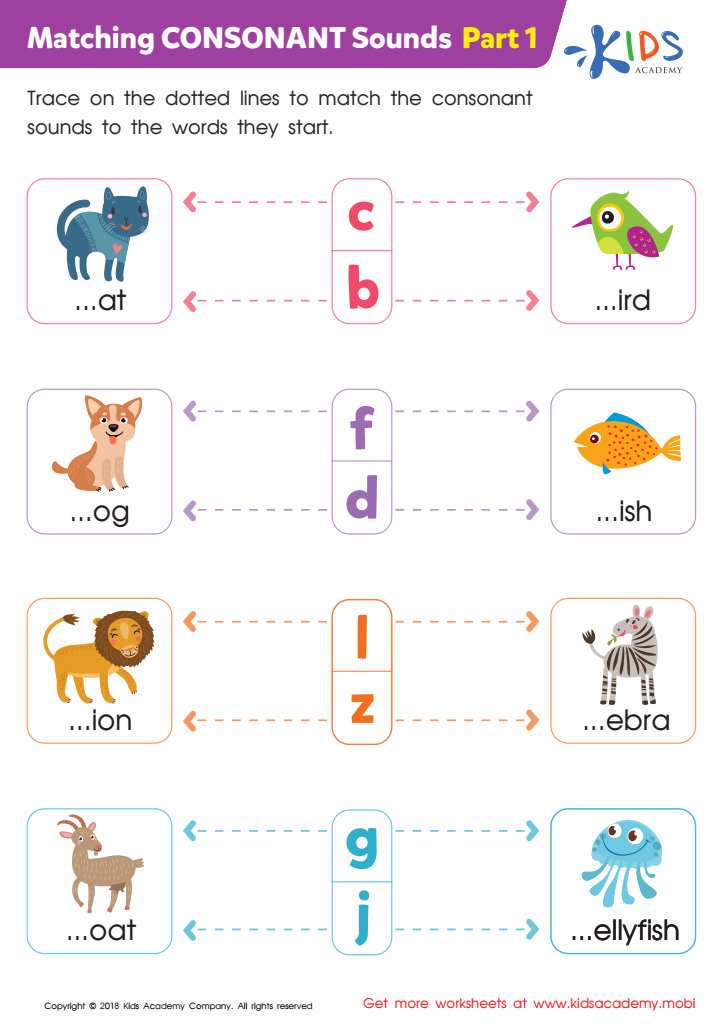
Matching Consonant Sounds: Part 1 Worksheet
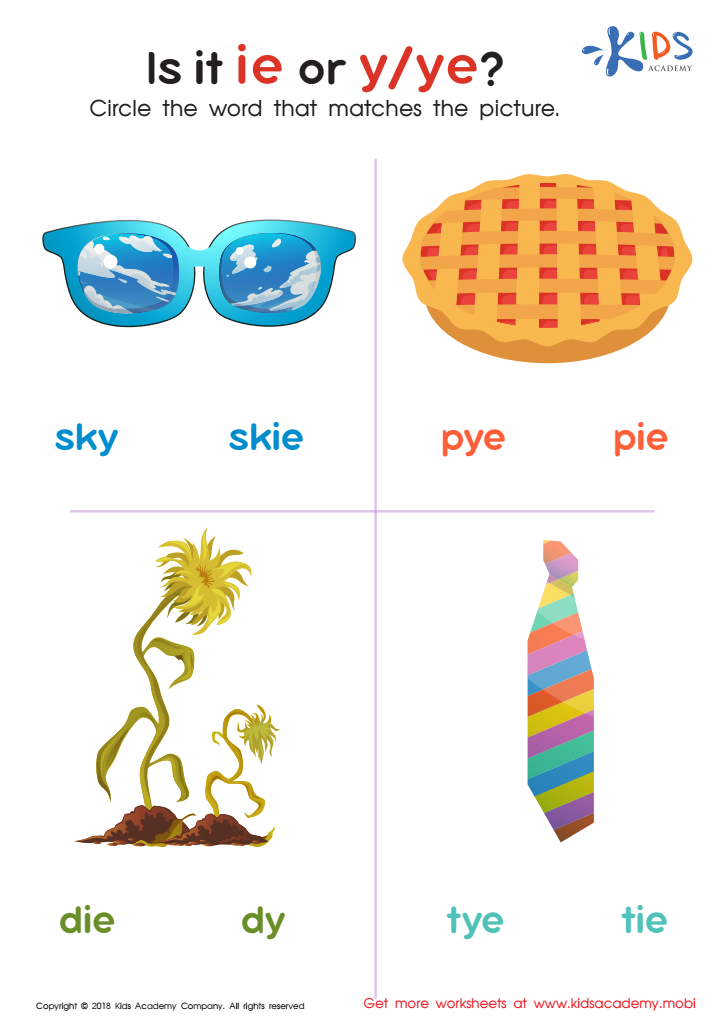
Is It IE or Y/Ye? Worksheet




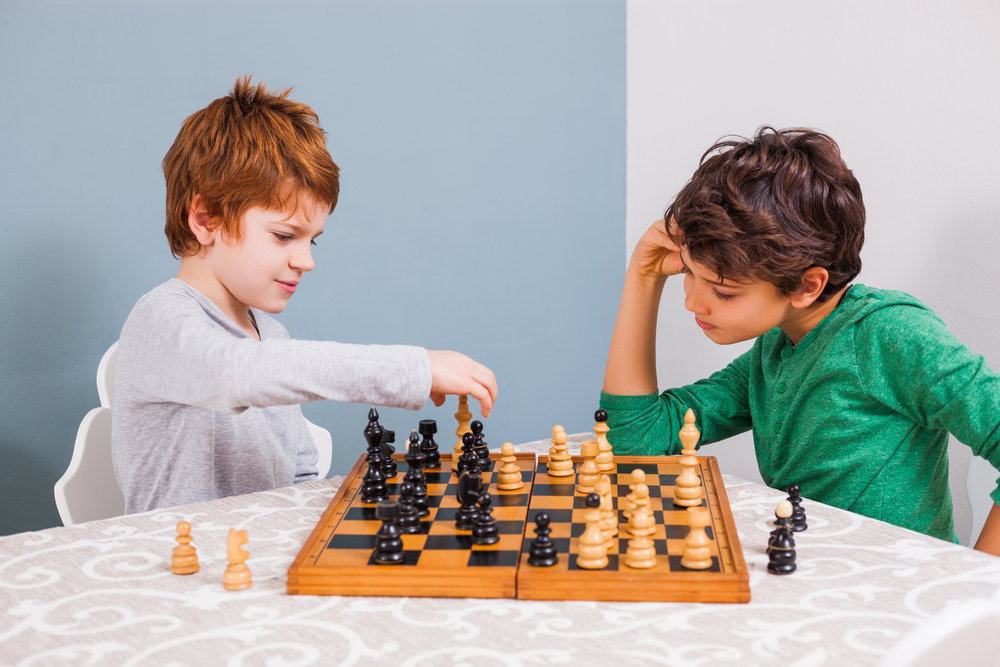



Sound recognition is a critical developmental skill for children ages 5-8, encompassing the ability to identify, discriminate, and respond to different sounds. Parents and teachers should prioritize this skill for several reasons. First, strong sound recognition lays the foundation for language development. At this age, children are expanding their vocabulary and grasping more complex linguistic structures; recognizing sounds helps them learn to pronounce words correctly and understand speech patterns.
Furthermore, sound recognition is closely linked to literacy. Children who can identify sounds are better equipped to connect letters to their sounds (phonemic awareness), crucial for reading success. This cognitive skill enhances their ability to decode words and boosts overall reading motivation.
Additionally, sound recognition plays an essential role in social communication. As children learn to navigate social interactions, understanding and responding to auditory cues—such as tone and inflection—becomes vital.
Finally, fostering sound recognition contributes to overall cognitive development, encouraging focus, memory, and auditory processing skills. For these reasons, parents and teachers should be proactive in incorporating activities that promote sound recognition, such as musical games, storytelling, and sound matching exercises, ensuring that children have the foundational tools needed for successful communication, literacy, and social interaction.








