Spatial awareness Normal Worksheets for Ages 5-8 - Page 2
29 filtered results
-
From - To
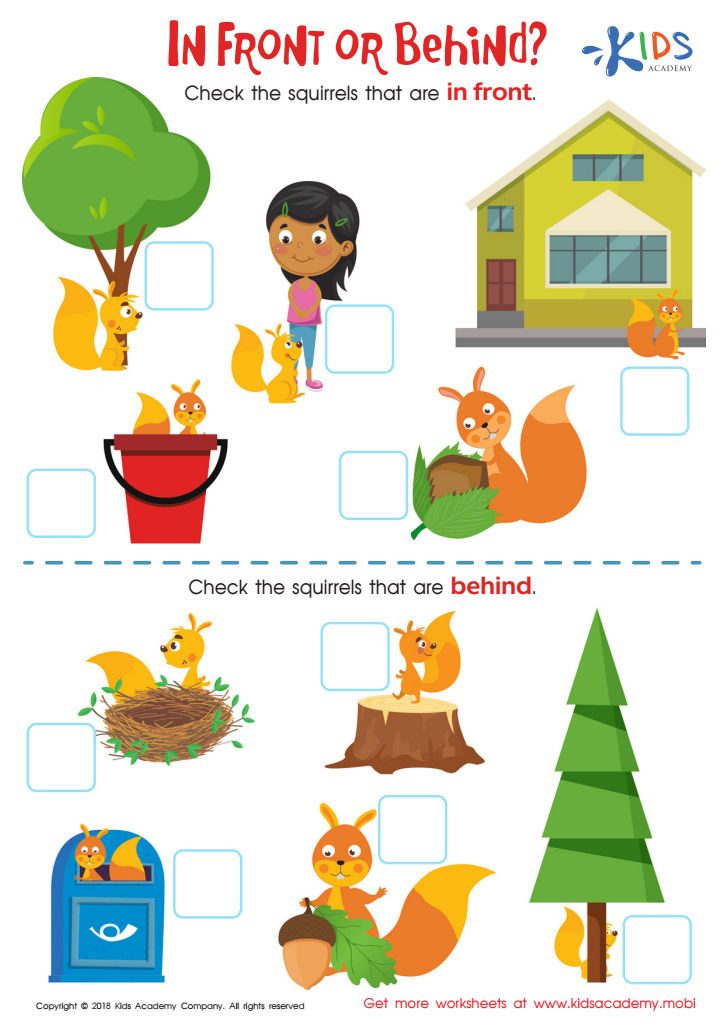
In Front or Behind: Part 2 Worksheet
 Assign to My Students
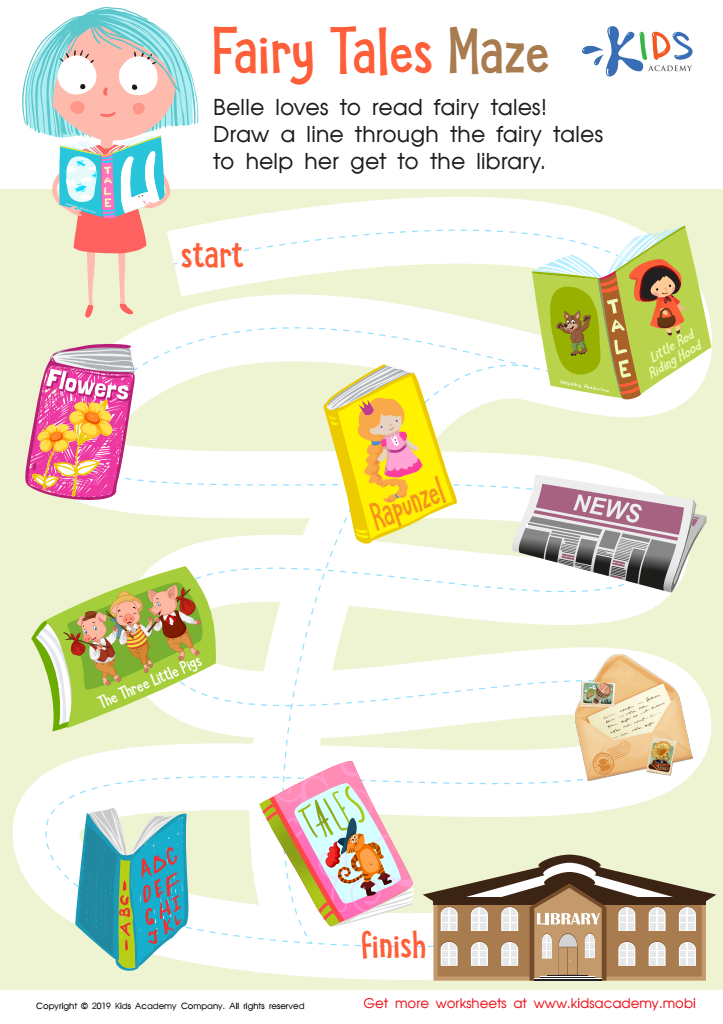
Fairy Tales Maze Worksheet
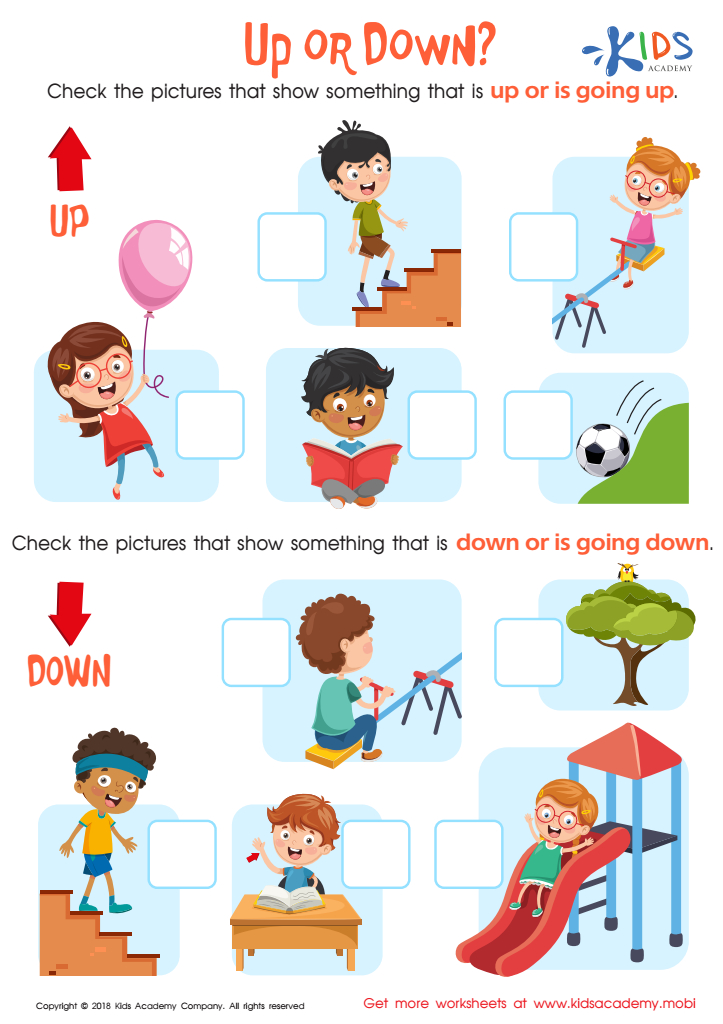
Up or Down Worksheet
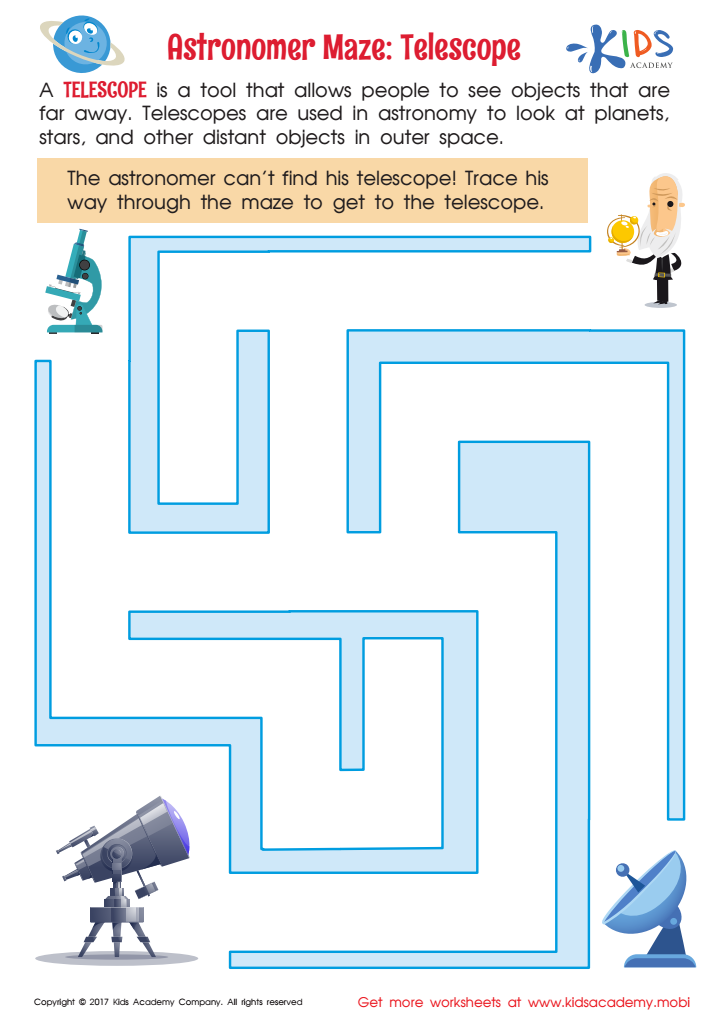
Astronomer Maze: Telescope Worksheet
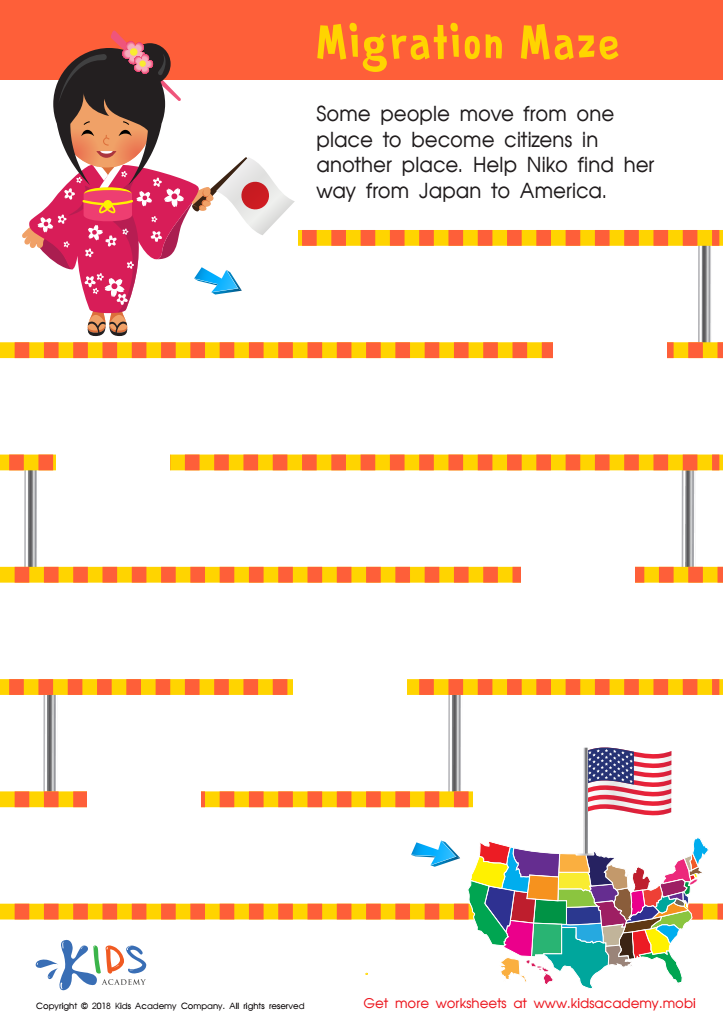
Migration Maze Worksheet


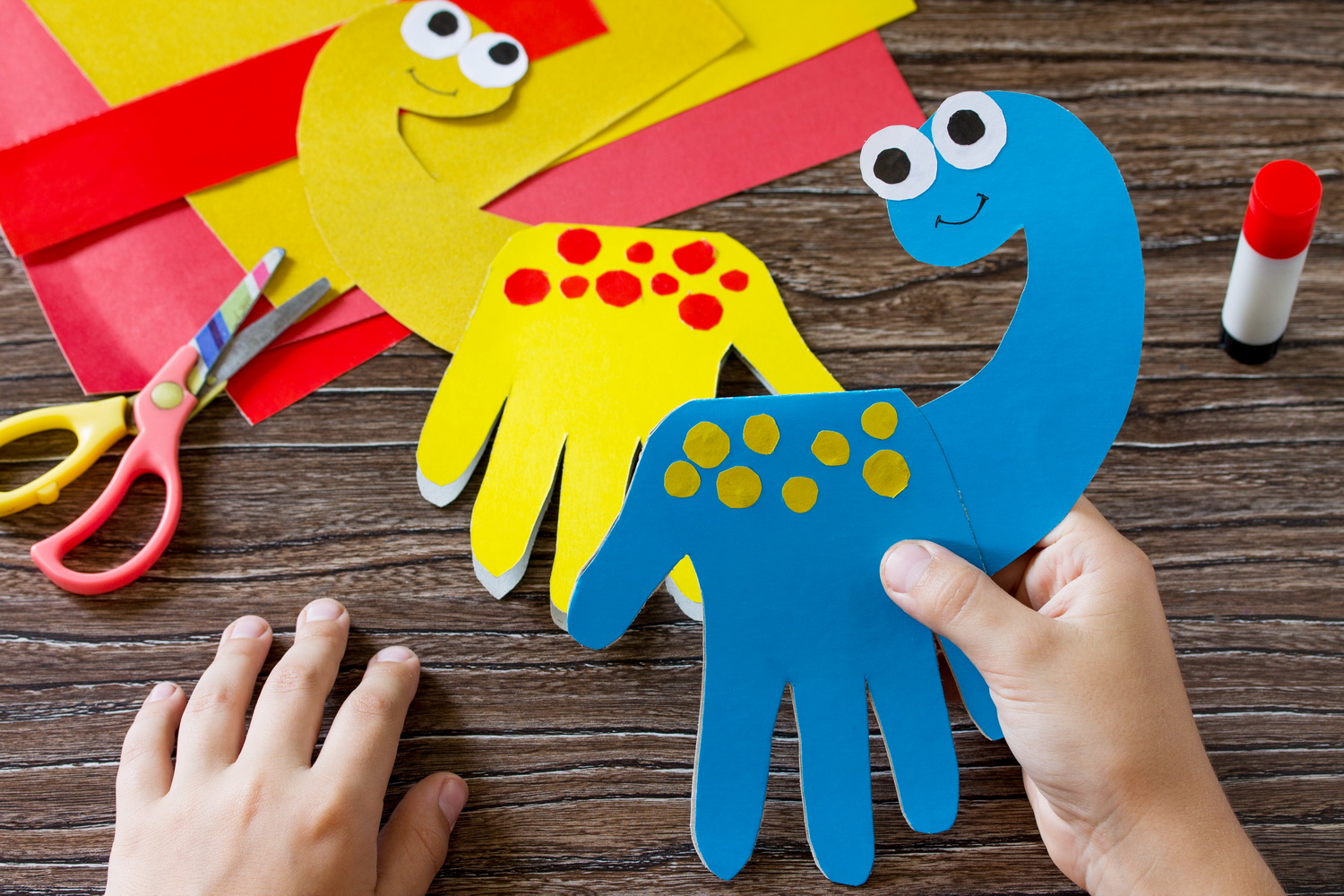



Spatial awareness is a crucial developmental skill for children ages 5-8, and parents or teachers need to prioritize its cultivation. This ability allows children to understand their relationship to objects and people around them, forming the foundation for more complex cognitive and motor skills. At this early stage, children are rapidly developing their hand-eye coordination, balance, and the ability to navigate through space with respect to other people and objects.
One primary reason to focus on spatial awareness is its direct impact on academic learning, especially in subjects like mathematics and reading. For instance, understanding geometry and solving puzzles require strong spatial skills. Similarly, navigating text and understanding the relationship between letters and words can benefit from well-developed spatial awareness.
Motor skills, essential for activities such as writing, tying shoes, or participating in sports, are significantly impacted by spatial awareness. Children who lag in these skills may find themselves struggling with tasks their peers handle confidently, potentially affecting their self-esteem and social development.
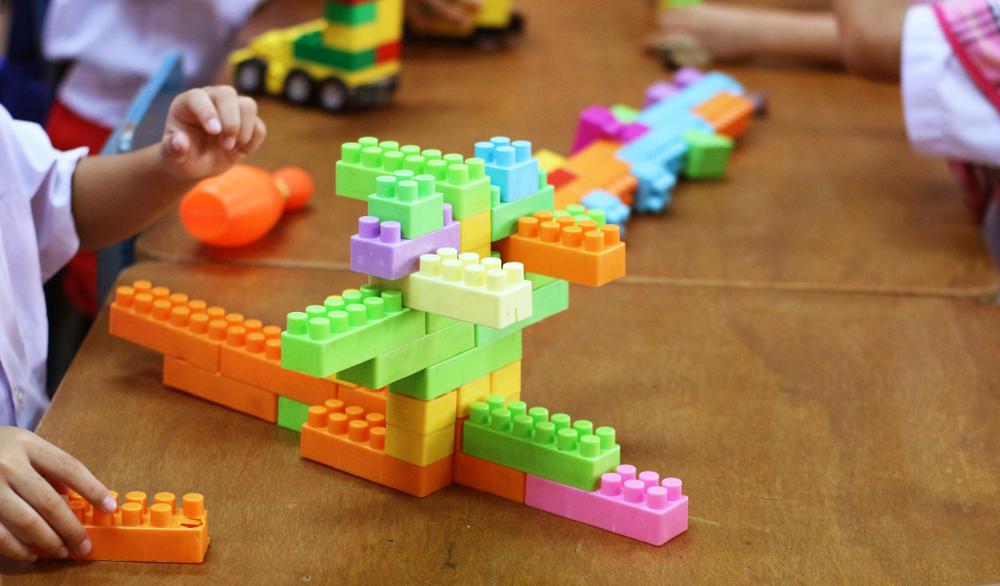
Moreover, teaching spatial awareness can support safety, as children learn to judge distances and recognize physical boundaries, reducing the risk of accidents. Engaging children in activities like building blocks, drawing, or playing catch can be both fun and educational, helping them develop their spatial awareness in enjoyable and meaningful ways.








