Spatial reasoning Normal Worksheets for Ages 5-8
5 filtered results
-
From - To
Enhance your child's cognitive development with our Spatial Reasoning Normal Worksheets designed specifically for ages 5-8! These engaging, printable worksheets foster critical thinking and problem-solving skills, essential for young learners. Our diverse activities, including puzzles, shape identification, and pattern recognition, make learning fun as children explore spatial relationships and improve their visual perception. Perfect for home or classroom use, these worksheets match various learning styles and promote independence. Encourage your child's mental agility and readiness for future academic challenges with these thoughtfully crafted resources. Explore our collection today and watch your child's confidence and abilities soar!
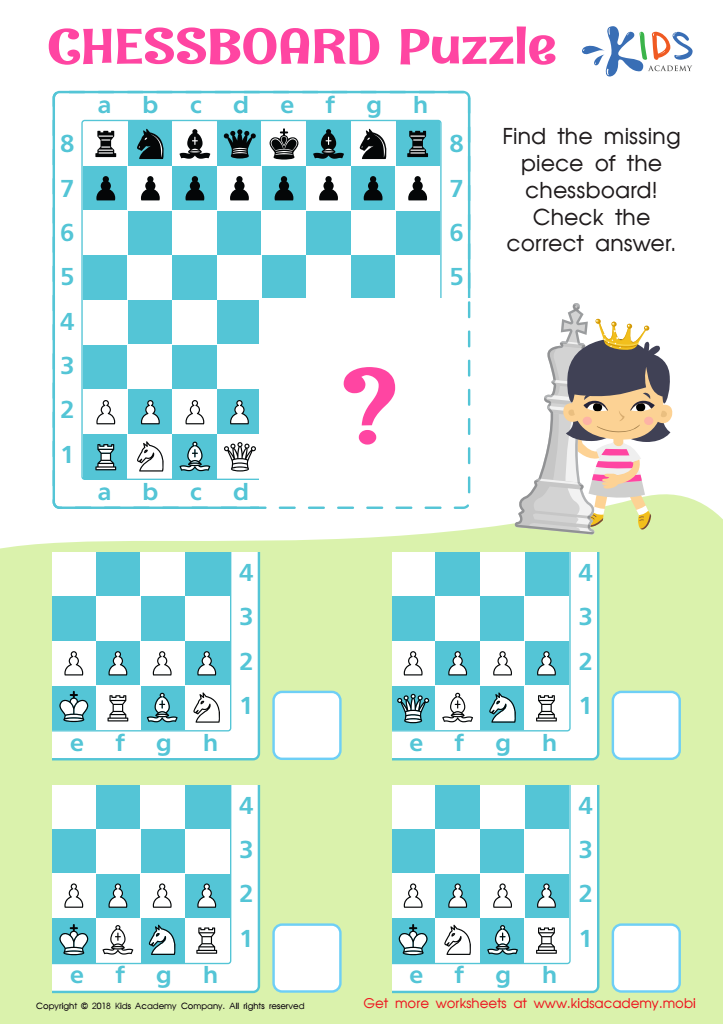
Chessboard Puzzle Worksheet
 Assign to My Students
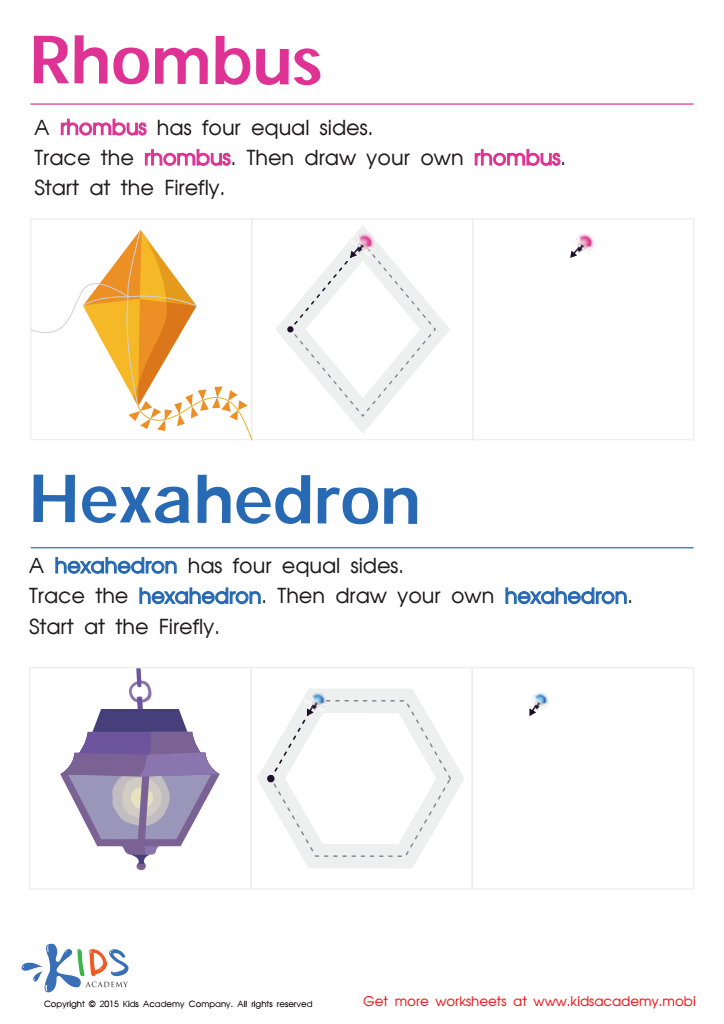
Draw a Rhombus And a Hexahedron Printable
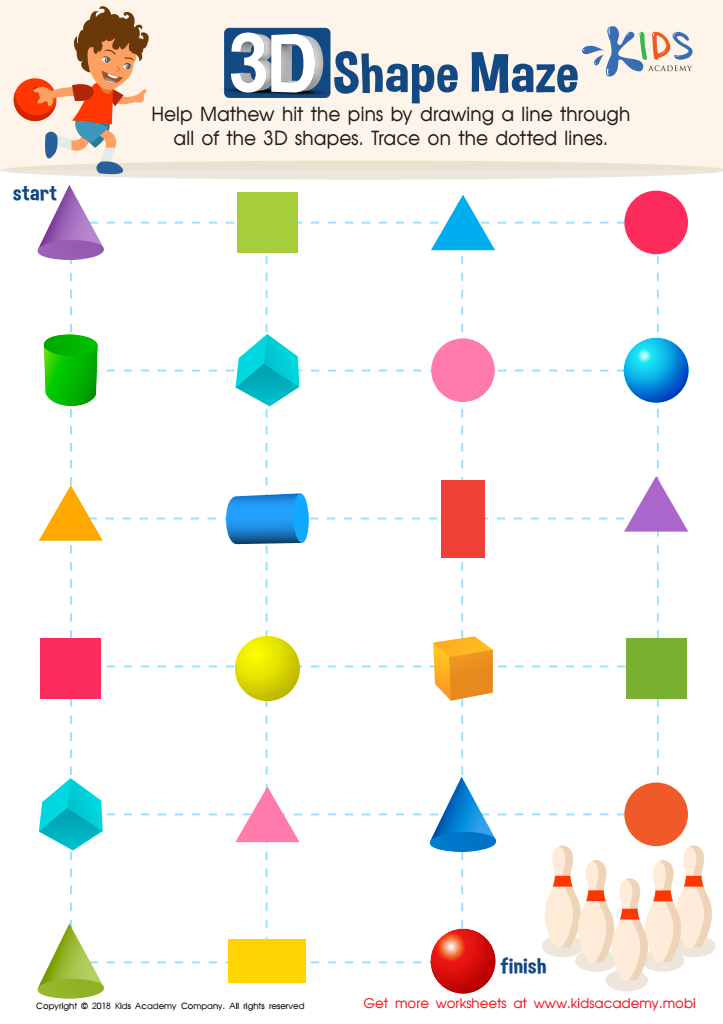
Shapes Maze Geometry Worksheet
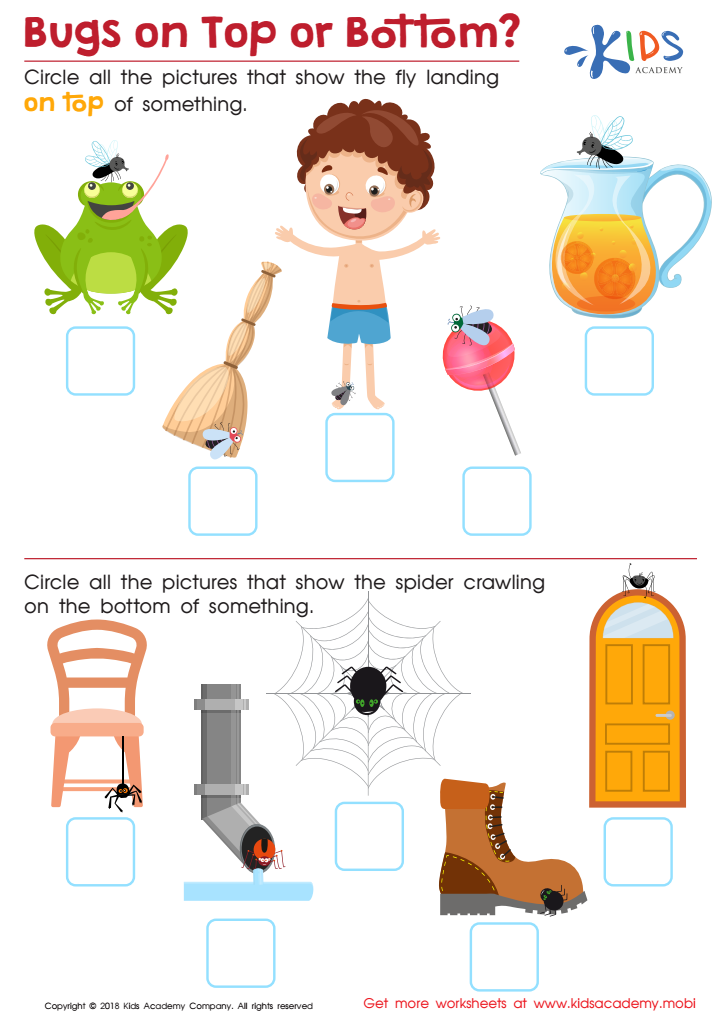
Bugs on Top or Bottom? Worksheet
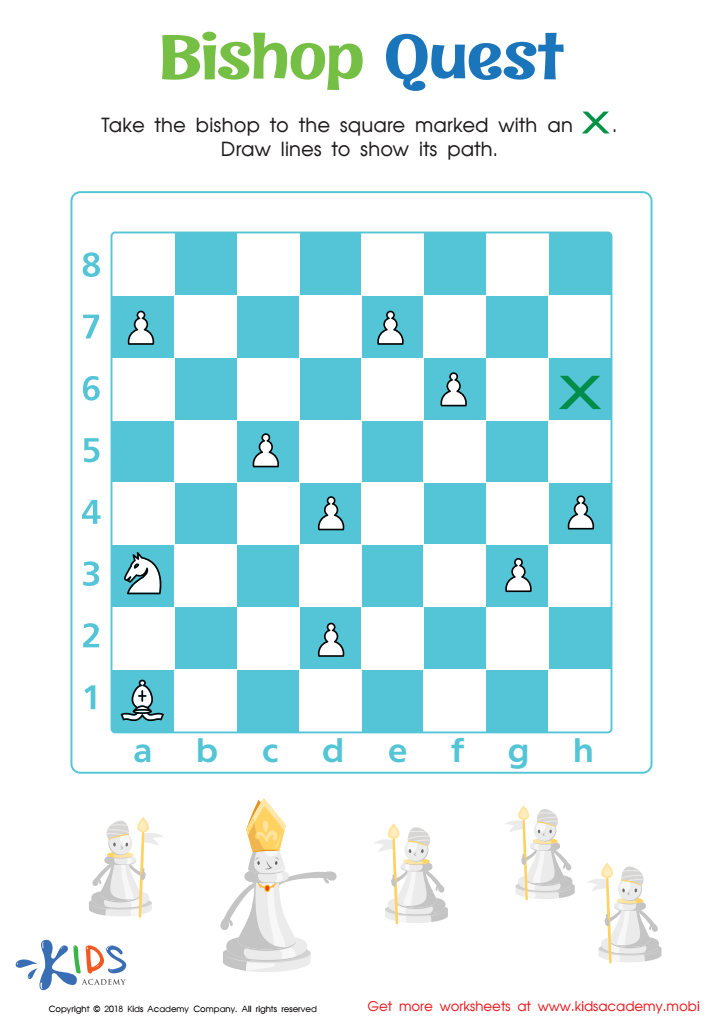
Bishop Quest Worksheet







Spatial reasoning is a vital skill for children ages 5-8 that influences their ability to understand and navigate the world around them. It involves perceiving and manipulating objects in space, enabling skills in mathematics, science, and everyday activities. For parents and teachers, nurturing spatial reasoning during these formative years is essential for several reasons.
Firstly, strong spatial reasoning capabilities correlate with future academic success, particularly in STEM subjects (science, technology, engineering, and mathematics). Studies show that children who excel at spatial reasoning perform better in math, as they can visualize and understand geometric concepts, measurement, and patterns.
Secondly, spatial reasoning fosters problem-solving abilities. As children learn to visualize solutions mentally, they develop critical thinking skills necessary for tackling challenges in life. Furthermore, these skills form the foundation for creative expression in art, design, and even in practical tasks like navigating through spaces.
Lastly, fostering spatial reasoning can enhance children's confidence and independence. By engaging in spatial activities, such as building with blocks or solving puzzles, children strengthen their cognitive development and are better equipped to explore and interact with their environment. Thus, cultivating spatial reasoning is a key investment in a child’s holistic development.








