Visual learning stimulation Normal Worksheets for Ages 5-8
3 filtered results
-
From - To
Discover our engaging collection of Visual Learning Stimulation Worksheets designed specifically for children ages 5-8. These printable resources focus on enhancing visual processing skills through captivating images and interactive activities. Each worksheet promotes cognitive development, encouraging creativity, critical thinking, and problem-solving abilities. Tailored to fit the needs of early learners, our materials make learning fun and accessible. Whether at home or in the classroom, these worksheets support skill-building in an entertaining way. Explore our diverse selection and watch your child thrive as they develop essential visual learning skills, laying a strong foundation for their future education!
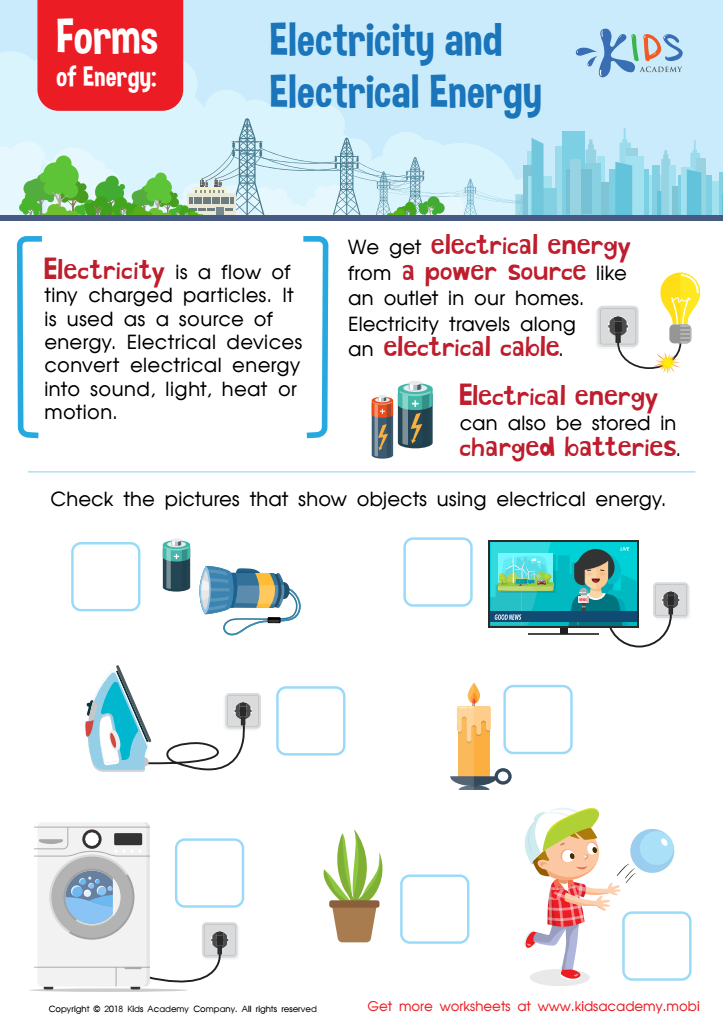
Forms of Energy Worksheet
 Assign to My Students
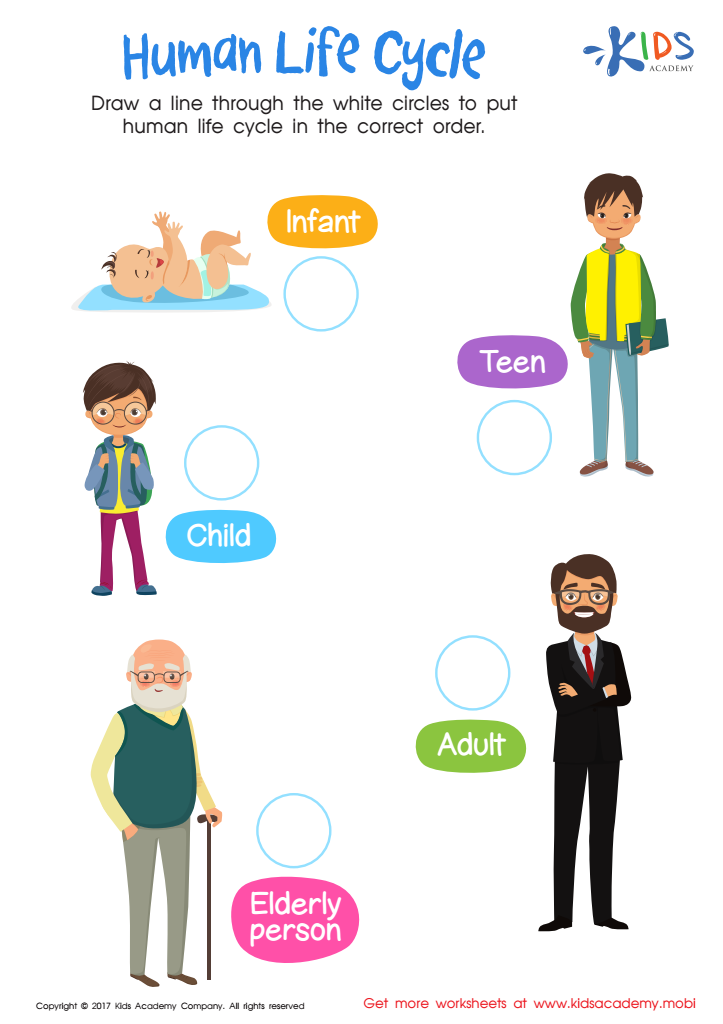
Human Life Cycle Worksheet
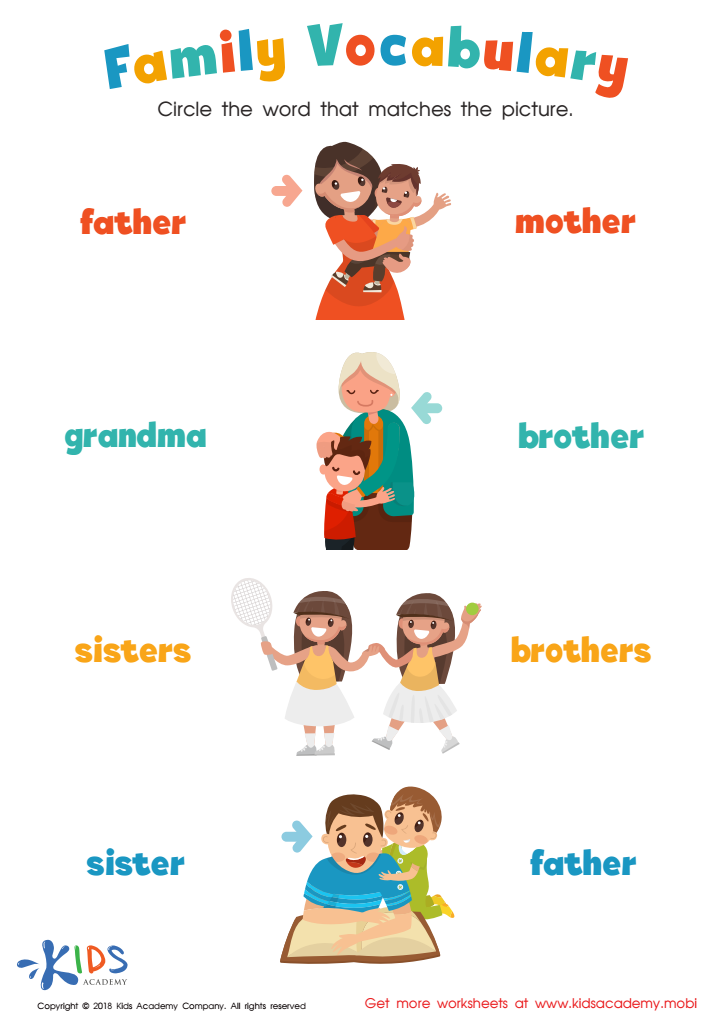
Family Vocabulary Worksheet


.jpg)





Visual learning stimulation is crucial for children aged 5-8, as this developmental stage marks significant growth in cognitive, social, and emotional skills. At this age, children are naturally curious and tend to absorb information through visual means more effectively than through auditory input alone. Engaging visual learning tools, such as colorful charts, interactive activities, and hands-on art projects, not only capture attention but also facilitate better understanding of concepts.
Parents and teachers should prioritize visual learning stimulation because it promotes critical thinking and problem-solving skills. Visual aids help children to make connections between information, enhancing memory retention and comprehension. Additionally, these stimuli support various learning styles, ensuring that every child finds an avenue that resonates with them.
Furthermore, visual learning experiences foster creativity and imagination, which are essential for social and emotional development. When children engage in visual activities, they express themselves more freely, enabling them to build self-confidence and communication skills.
Investing in visual learning stimulation builds a solid foundation for lifelong learning, helping children to become active, keen observers of the world around them. Ultimately, prioritizing this form of learning ensures that children are well-prepared to tackle future academic and social challenges.








