Visual Perception Skills Normal Worksheets for Ages 5-8
9 filtered results
-
From - To
Discover the engaging "Visual Perception Skills Normal Worksheets for Ages 5-8" designed to enhance children's visual processing abilities. These worksheets provide a fun and interactive way for young learners to develop essential skills such as shape recognition, matching, and spatial awareness. Perfect for early childhood education, our resources help children improve focus, attention, and cognitive skills through a variety of exercises suited for their age group. Whether in the classroom or at home, these printable worksheets will give children the tools they need to thrive in their learning and everyday tasks, making educational growth enjoyable and effective. Begin the visual learning journey today!
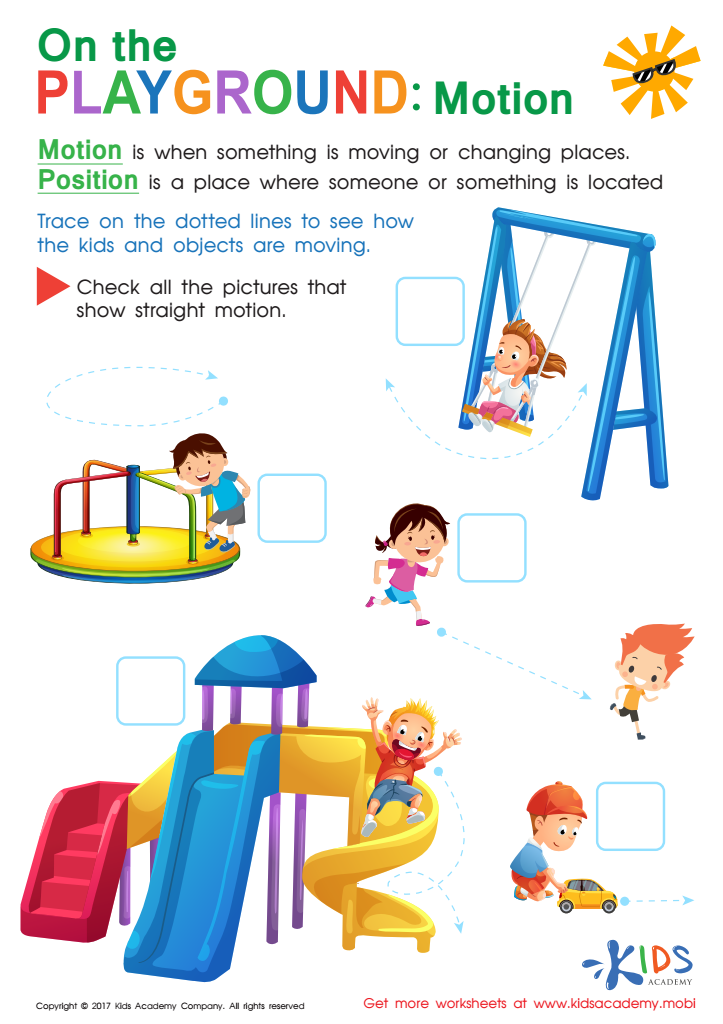
Position and Motion Worksheet
 Assign to My Students
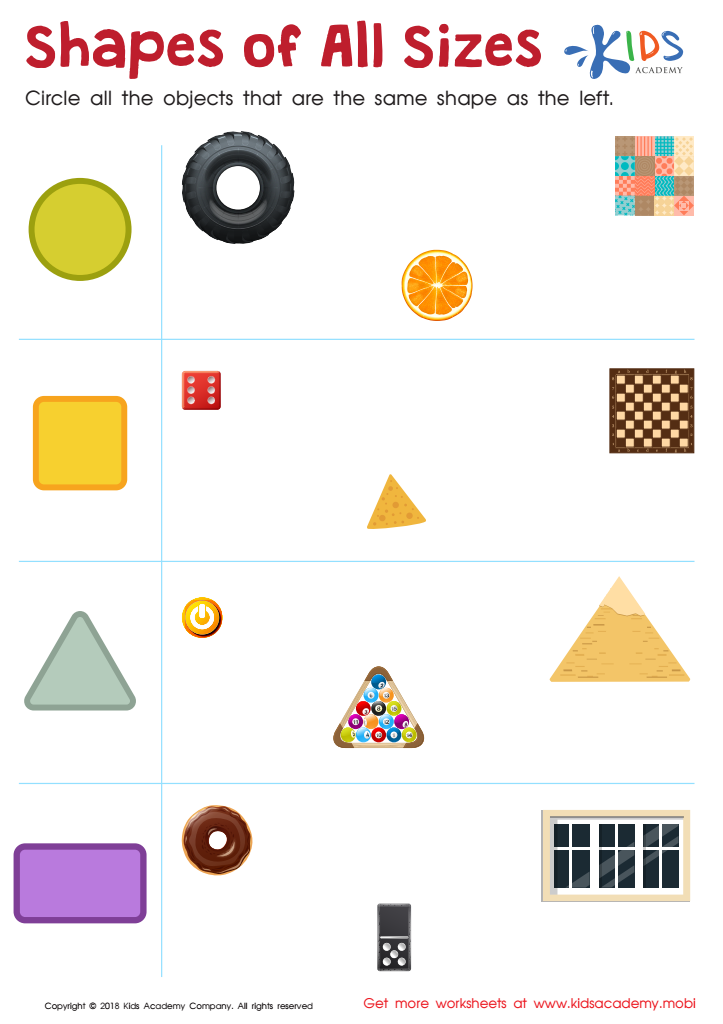
Shapes of All Sizes Worksheet
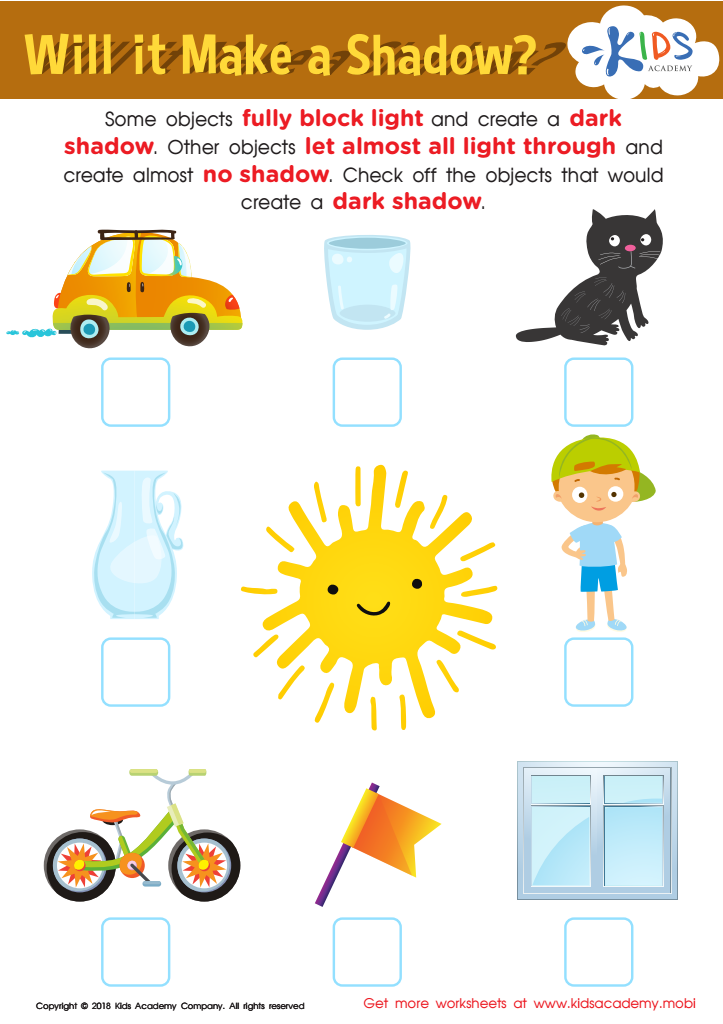
Will It Make a Shadow? Worksheet
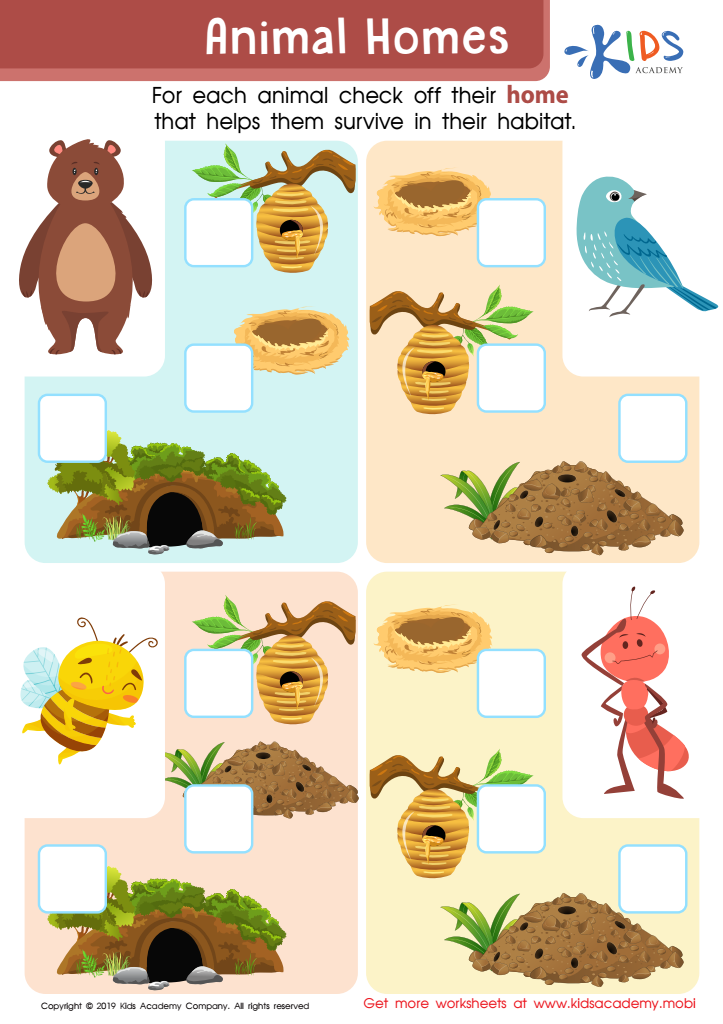
Animal Homes Worksheet
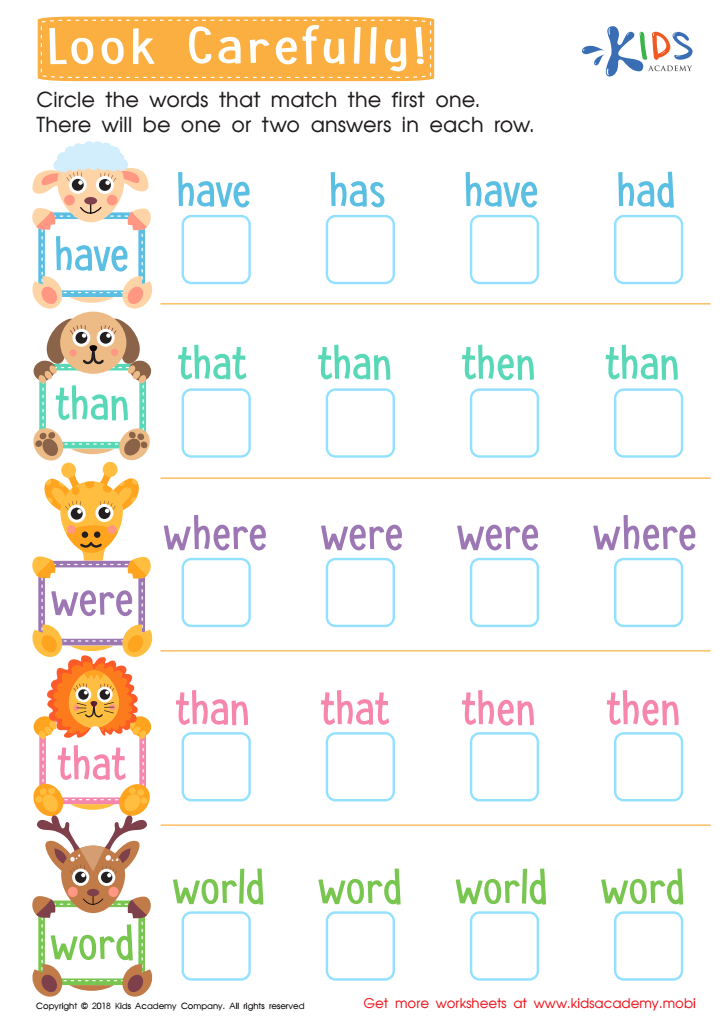
Look Carefully Worksheet
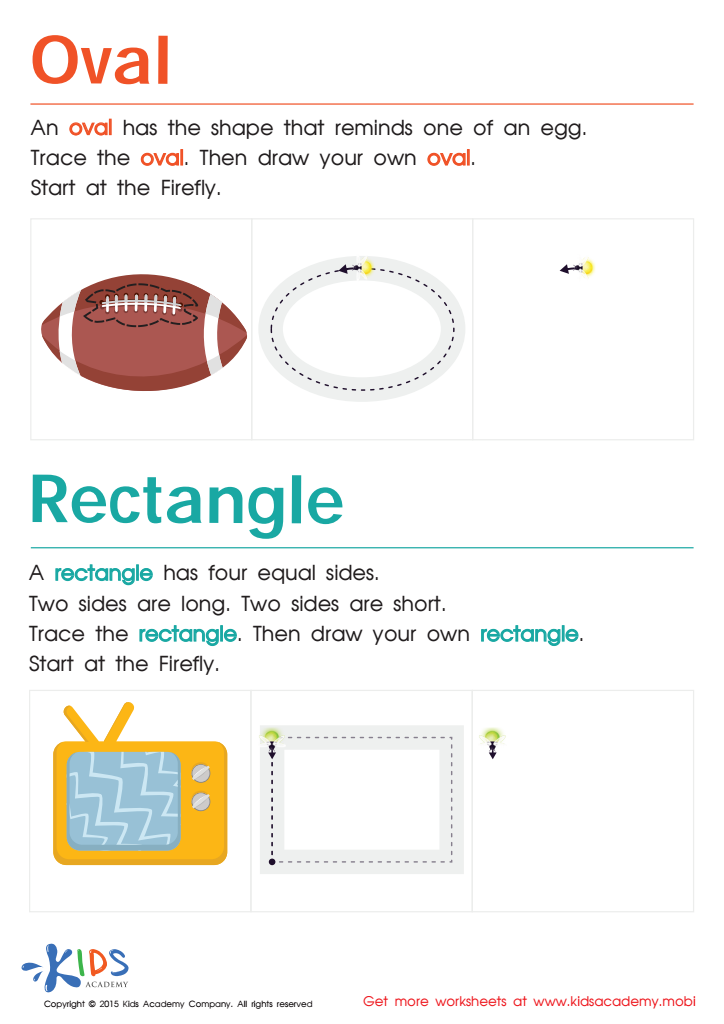
Easy Drawing of Ovals And Rectangles Worksheet
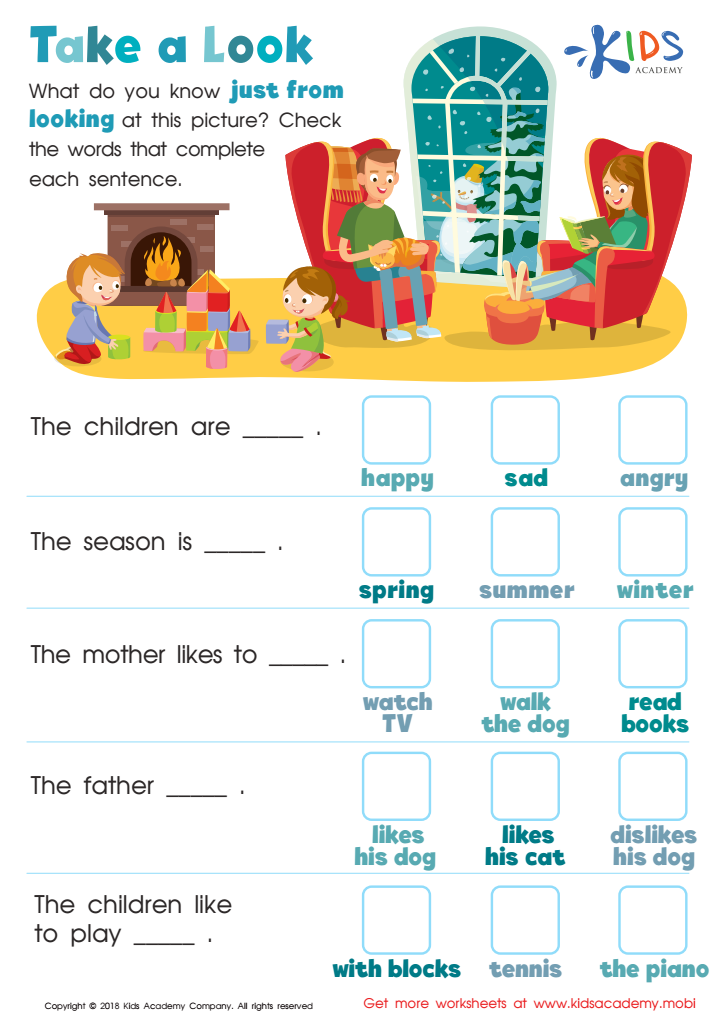
Take a Look - Part 1 Worksheet
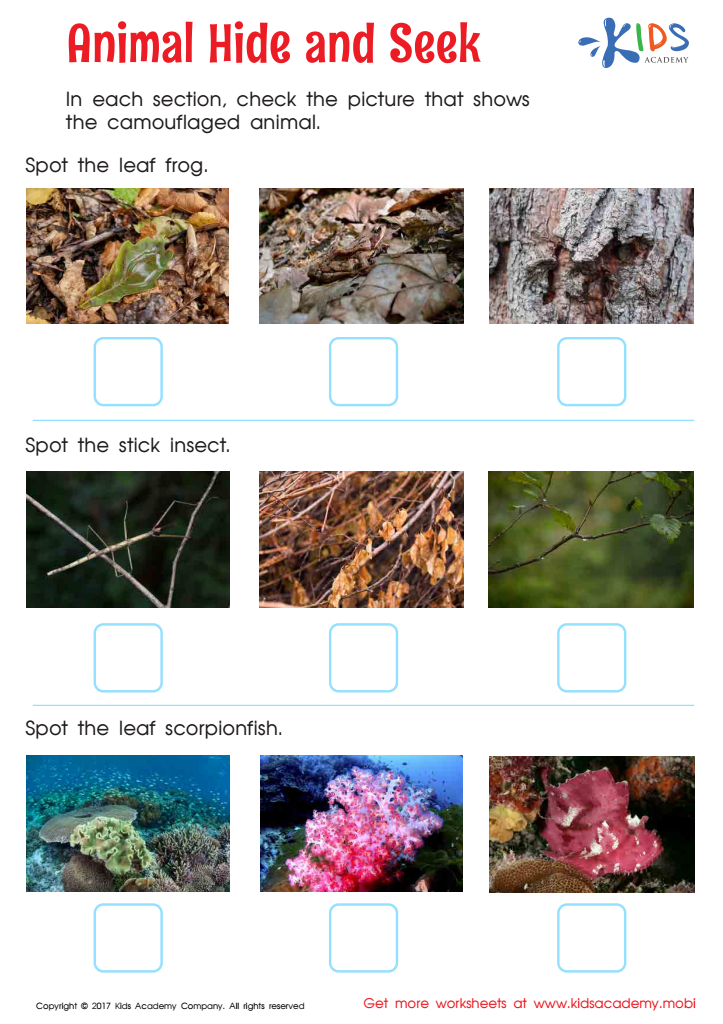
Animal Hide and Seek Worksheet
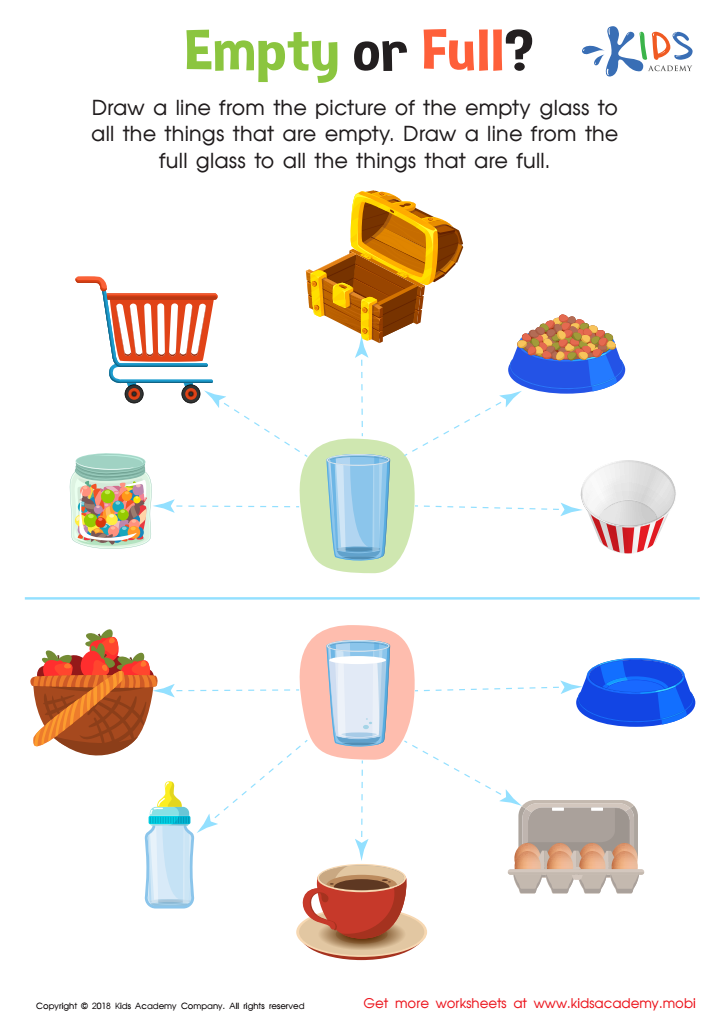
Empty or Full? Worksheet





Visual perception skills are crucial for children aged 5-8 as they lay the foundation for academic success and everyday functioning. These skills enable children to interpret and understand visual information, which is essential for reading, writing, and mathematical problem-solving. Strong visual perception skills help children recognize letters, numbers, shapes, and patterns, which are fundamental components of early education.
Parents and teachers should care about these skills because they directly impact a child’s confidence and engagement in learning activities. Children with well-developed visual perception skills often find it easier to grasp concepts in subjects like reading and math, reducing frustration and fostering a positive attitude towards learning. Conversely, children who struggle with visual perception may experience difficulties, leading to disengagement or a decline in their self-esteem.
Moreover, visual perception also contributes to a child's ability to navigate their environment safely and effectively. Skills such as depth perception and spatial awareness are important for physical activities and social interactions. By encouraging the development of visual perception skills through games, activities, and targeted interventions, parents and teachers can enhance children's overall learning experience and help them develop the necessary skills for future academic and life successes.








