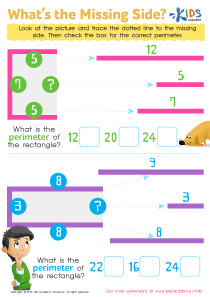
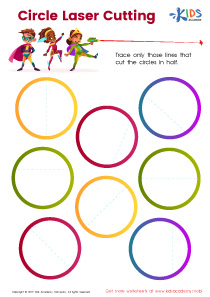
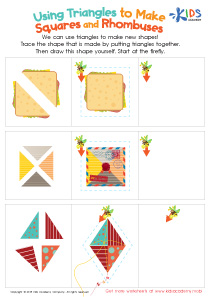
Pattern recognition Normal 2D Shapes Worksheets for Ages 5-8
3 filtered results
-
From - To
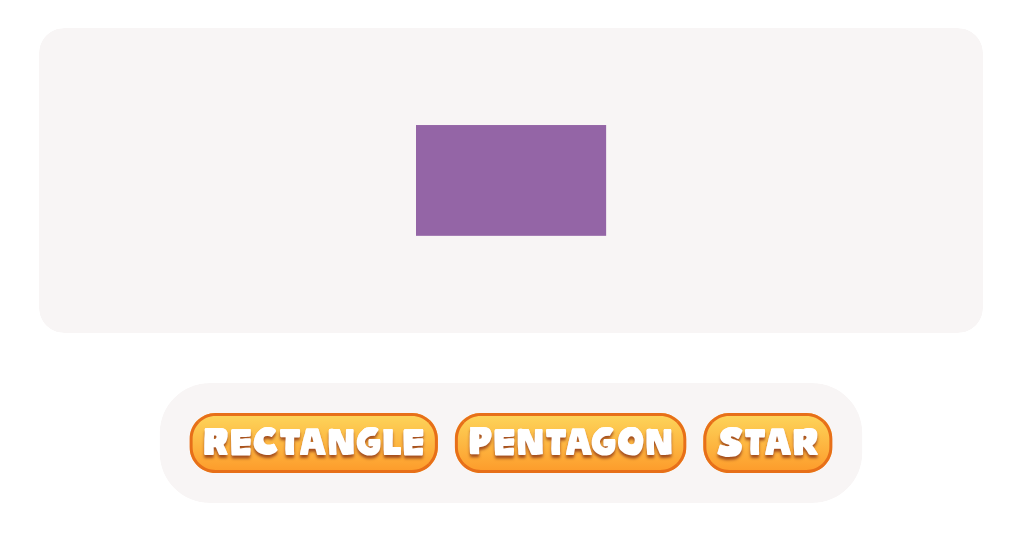
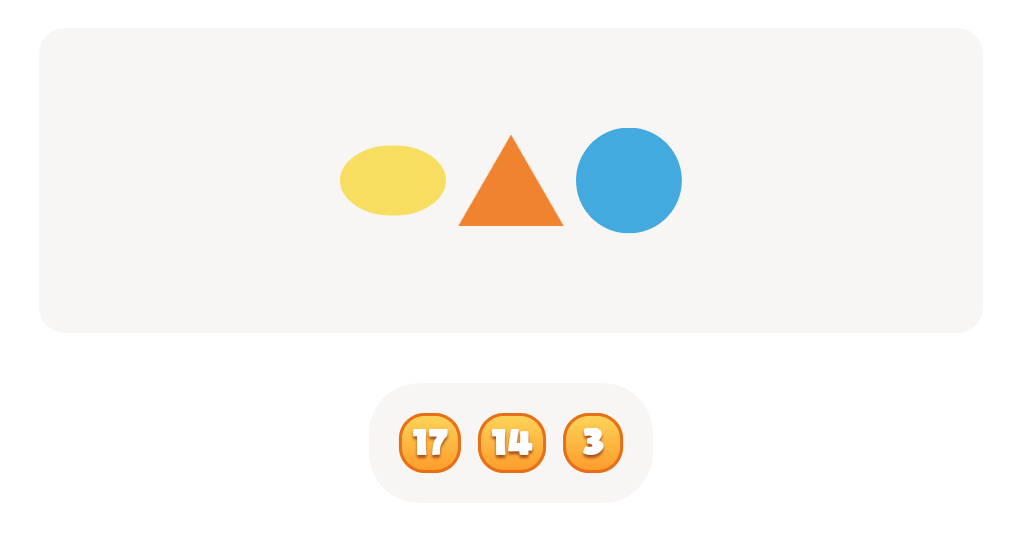
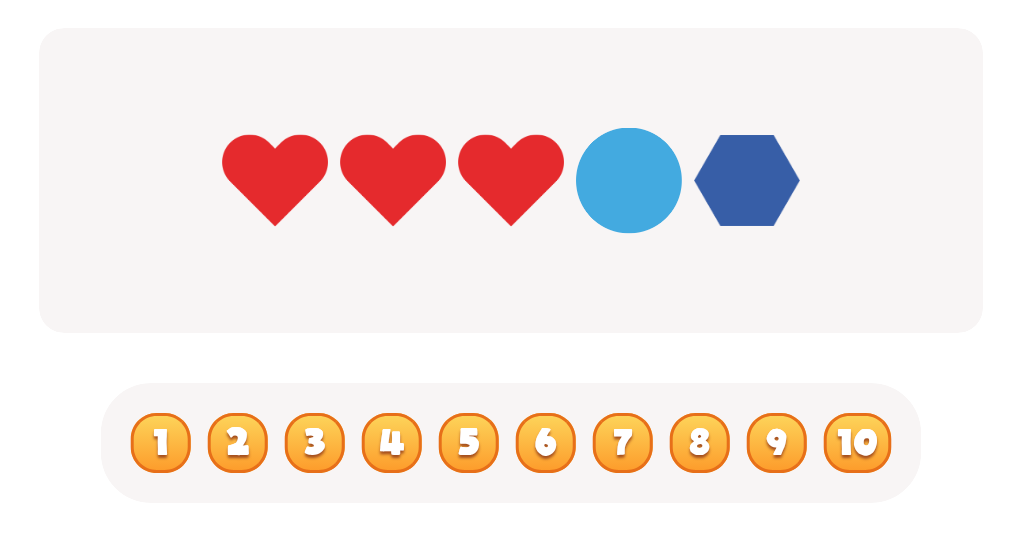
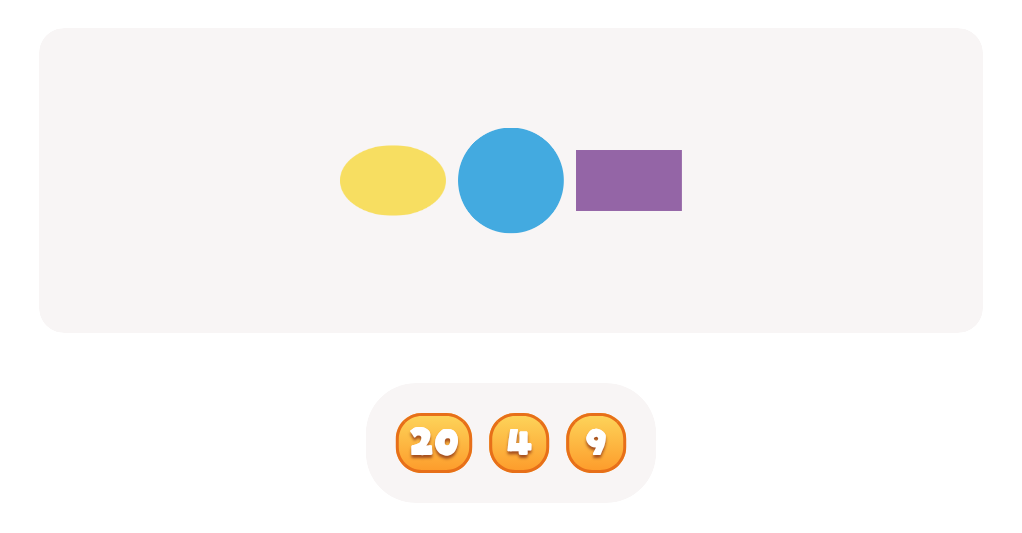
Welcome to our "Pattern Recognition Normal 2D Shapes Worksheets" designed for kids aged 5-8! These engaging worksheets help young learners enhance their observational and cognitive skills as they explore the world of 2D shapes. Students will practice recognizing patterns through various interactive activities, making learning both fun and effective. From circles and squares to triangles and rectangles, our colorful worksheets foster creativity while building a solid foundation in shape recognition and mathematical concepts. Perfect for home or classroom use, these resources ensure your child develops crucial early math skills. Empower your child's learning journey with our exciting pattern recognition worksheets!
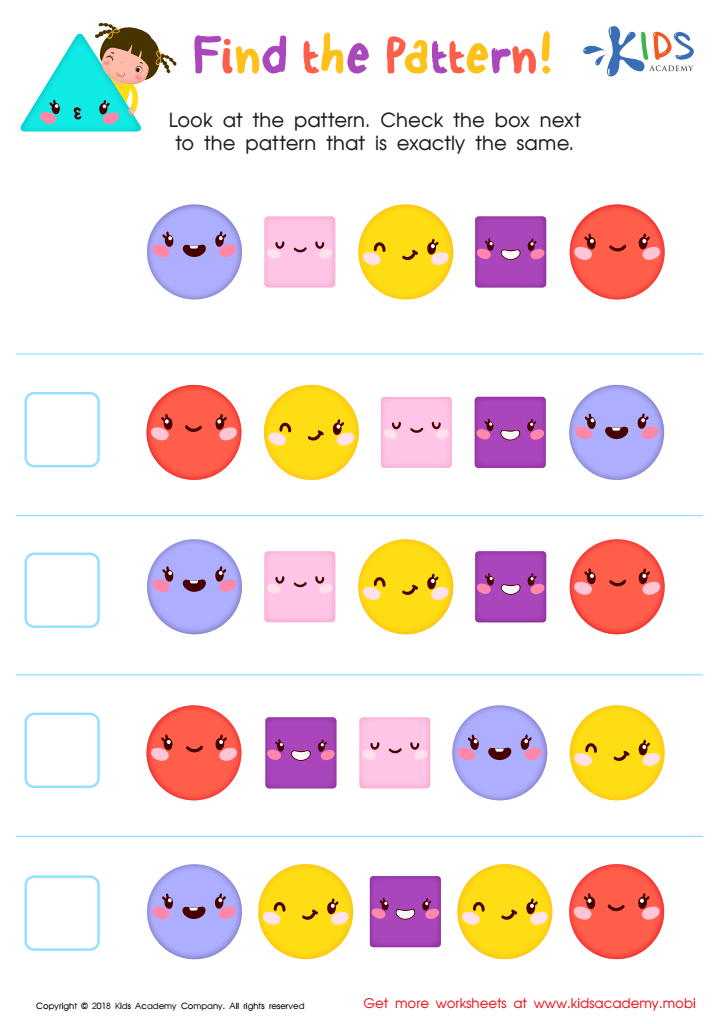
Find the Pattern Worksheet
 Assign to My Students

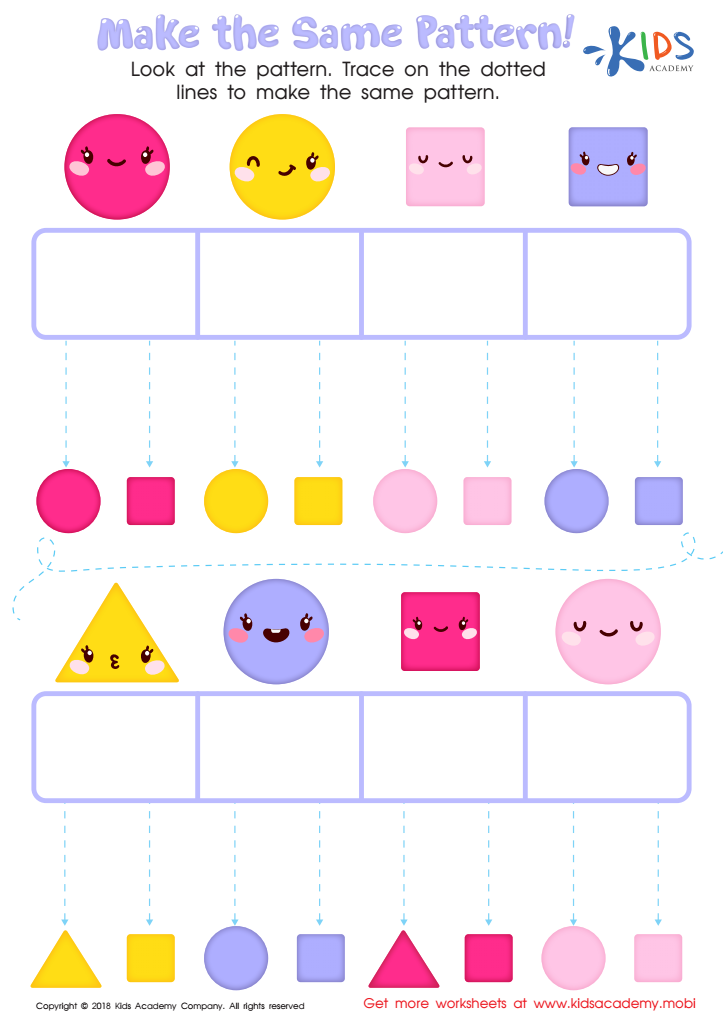
Make the Same Pattern Worksheet
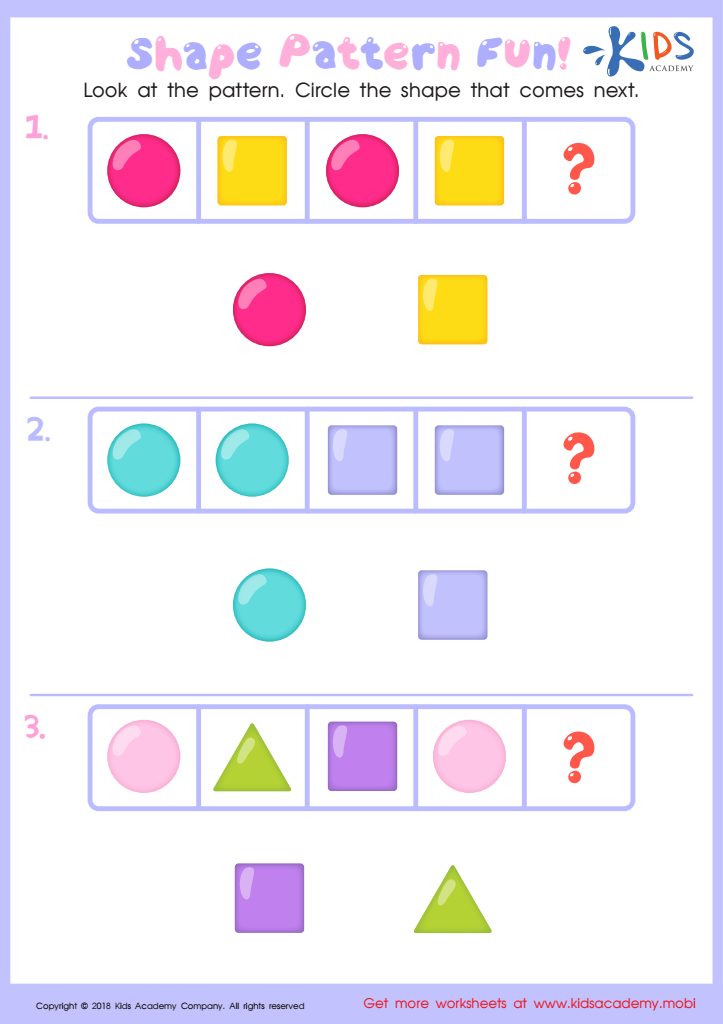
Shape Pattern Fun Worksheet








Pattern recognition in normal 2D shapes is a foundational skill for children aged 5-8. This critical early learning phase lays the groundwork for math and spatial reasoning, essential not just in academia but also in real life. By helping children identify, analyze, and extend patterns in shapes, educators and parents cultivate analytical thinking and problem-solving skills.
Understanding patterns enhances cognitive development, encouraging children to observe their environment and make connections between similar concepts. For instance, recognizing a circle or a triangle, children begin to categorize objects, which enhances their ability to sort and organize information — vital skills in later mathematical concepts, such as geometry or algebra.
Additionally, engaging with shapes and patterns promotes visual-motor skills and fine motor development, crucial during these early years. It also aids in language development, as children learn to describe and discuss shapes, thereby expanding their vocabulary.
Moreover, pattern recognition activities can be fun and interactive, fostering a love for learning. With ample opportunities for exploration and creativity, children build confidence in their abilities. Therefore, both parents and teachers play an essential role in nurturing these skills, ensuring children develop a strong mathematical foundation that supports future learning successes.