Logical thinking development Normal Math Worksheets for Ages 5-8
5 filtered results
-
From - To
Enhance your child's logical thinking skills with our Normal Math Worksheets designed for ages 5-8. These engaging printables provide a variety of fun and challenging activities tailored to promote critical thinking and problem-solving abilities. Suitable for both classroom and home learning, our worksheets encourage children to explore math concepts through puzzles, patterns, and reasoning exercises. By working through these interactive math tasks, kids will develop essential skills that form the foundation for future academic success. Make learning enjoyable and effective with our thoughtfully crafted materials that inspire young minds to think logically while having fun! Start your child's journey today!
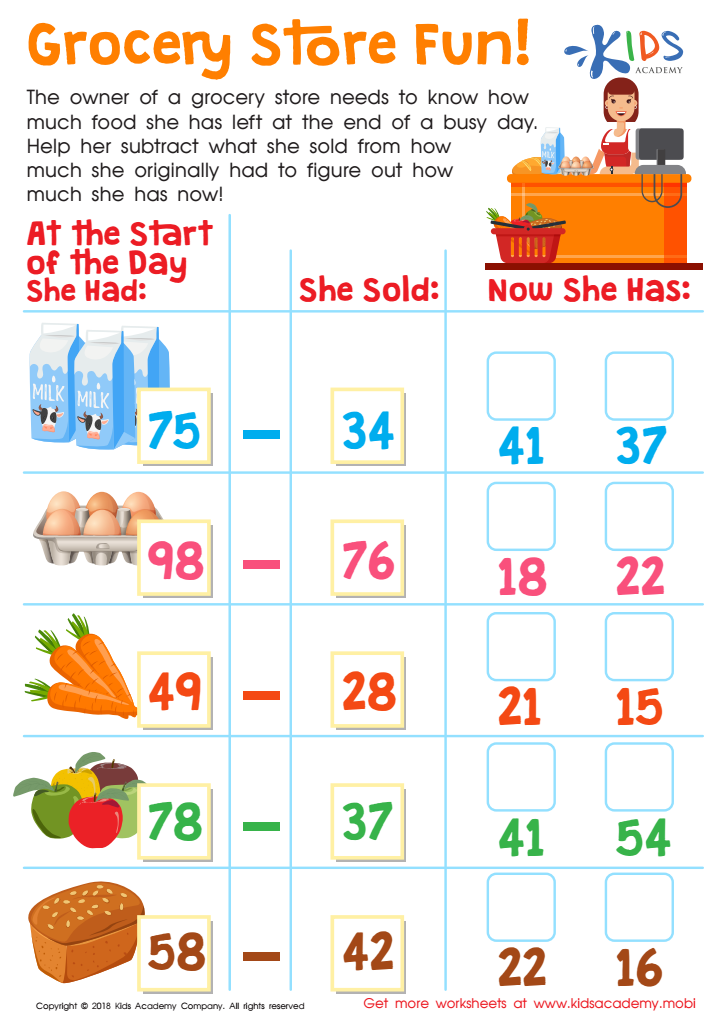
Grocery Store Fun! Worksheet
 Assign to My Students
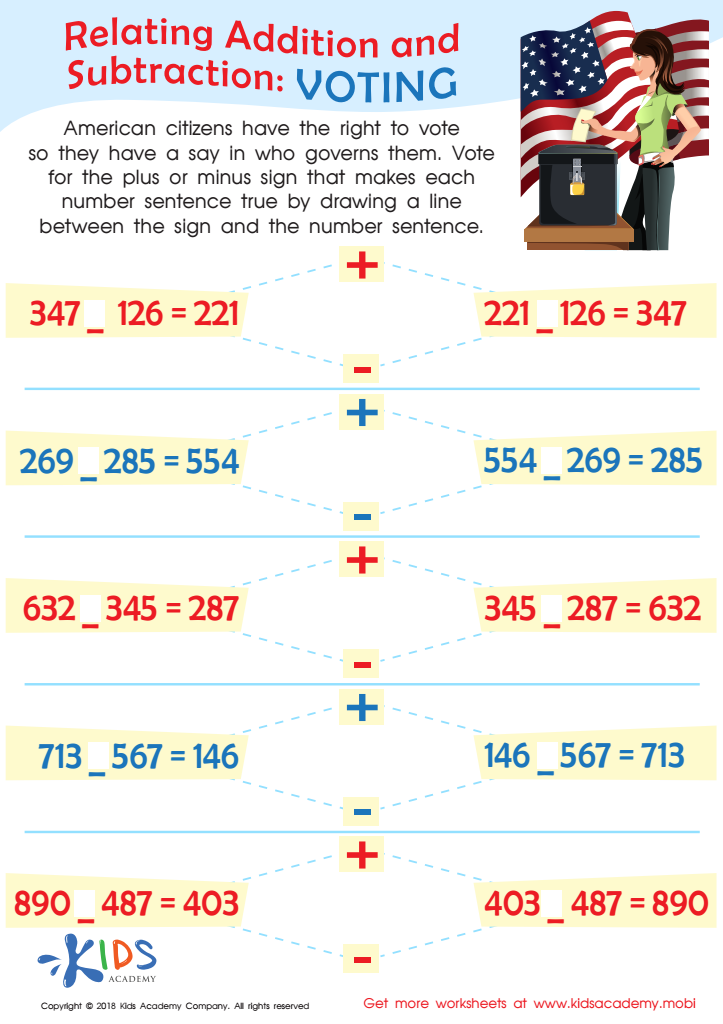
Voting Worksheet
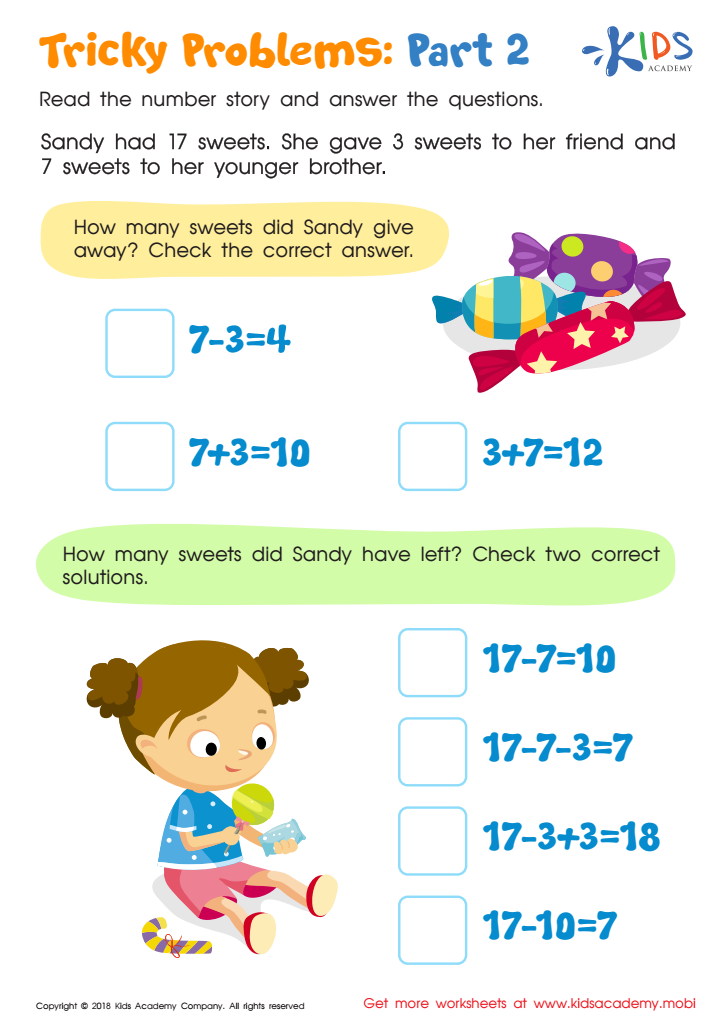
Tricky Problems Worksheet: Part 2
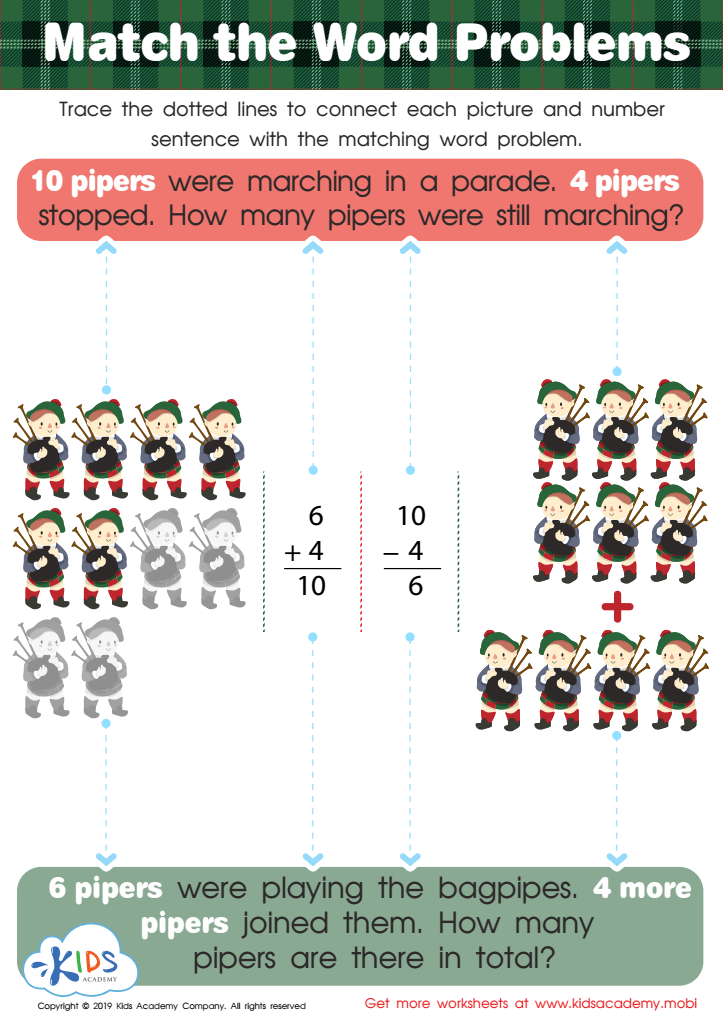
Match the Word Problems Worksheet
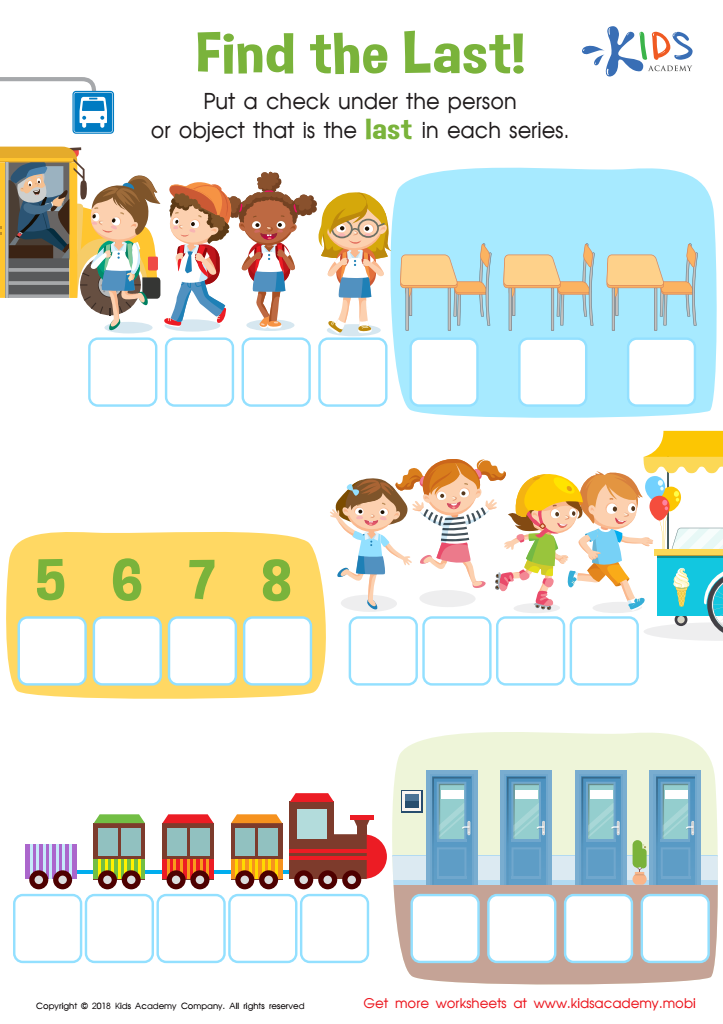
Find the Last! Worksheet








Parents and teachers should prioritize the development of logical thinking in children ages 5-8, particularly through activities related to Normal Math. This age range is critical for cognitive growth, where foundational skills in reasoning and problem-solving are established. Logical thinking helps children understand patterns, relationships, and sequences, which are essential for various aspects of learning and daily life.
By fostering logical reasoning, children improve their mathematical understanding, which extends beyond mere calculations to include concepts such as spatial awareness and critical thinking. When young learners engage in Normal Math activities, they develop skills that enhance their ability to approach challenges analytically, promoting persistence and resilience in problem-solving.
Additionally, strong logical thinking correlates with academic success across subjects, not just math. It builds confidence in learning, allowing children to tackle more complex ideas as they progress in their education. Moreover, these skills encourage creativity and innovation as students learn to think outside the box. Prioritizing logical thinking during these formative years equips children with tools to navigate not just academic pursuits but also real-world challenges, paving the way for their long-term development. Hence, nurturing these abilities is vital for parents and teachers alike.








