Number Writing Practice Normal Math Worksheets for Ages 5-8
5 filtered results
-
From - To
Boost your child's confidence in math with our expertly designed Number Writing Practice Worksheets for ages 5-8. These engaging worksheets help young learners develop essential number formation and handwriting skills, laying a solid foundation for future math success. Each worksheet provides guided practice for writing numbers accurately, enhancing fine motor skills and number recognition. With fun and colorful activities, children will enjoy learning while strengthening their math abilities. Perfect for kindergarten and early elementary students, our worksheets make learning enjoyable and effective. Visit our website now to give your child the tools they need for mathematical proficiency!
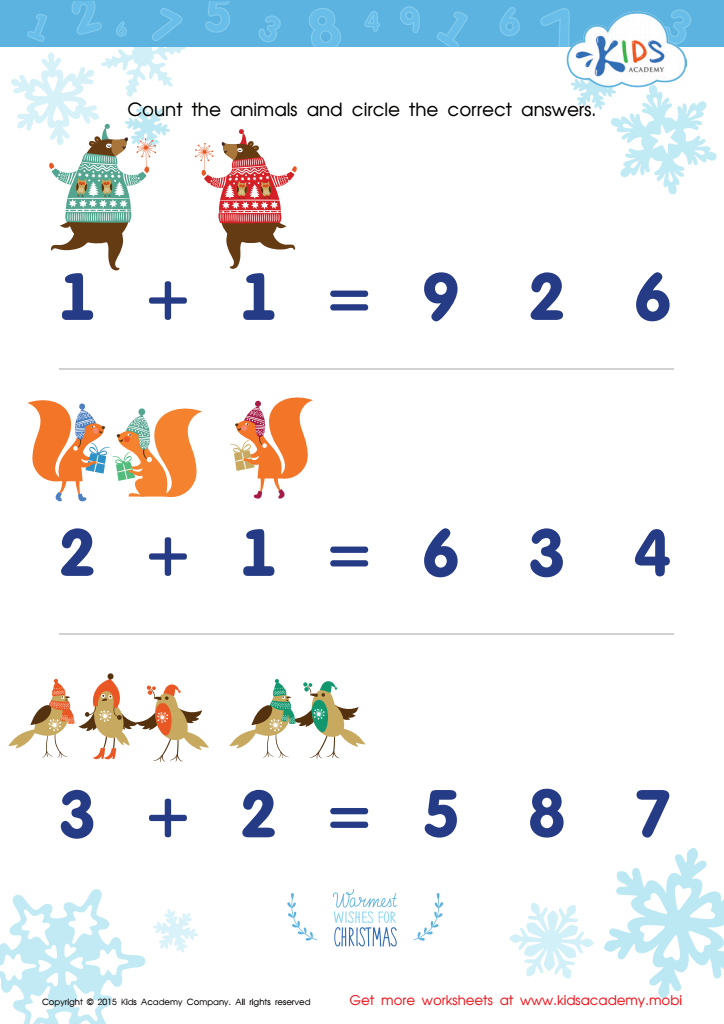
Count Funny Animals Worksheet
 Assign to My Students
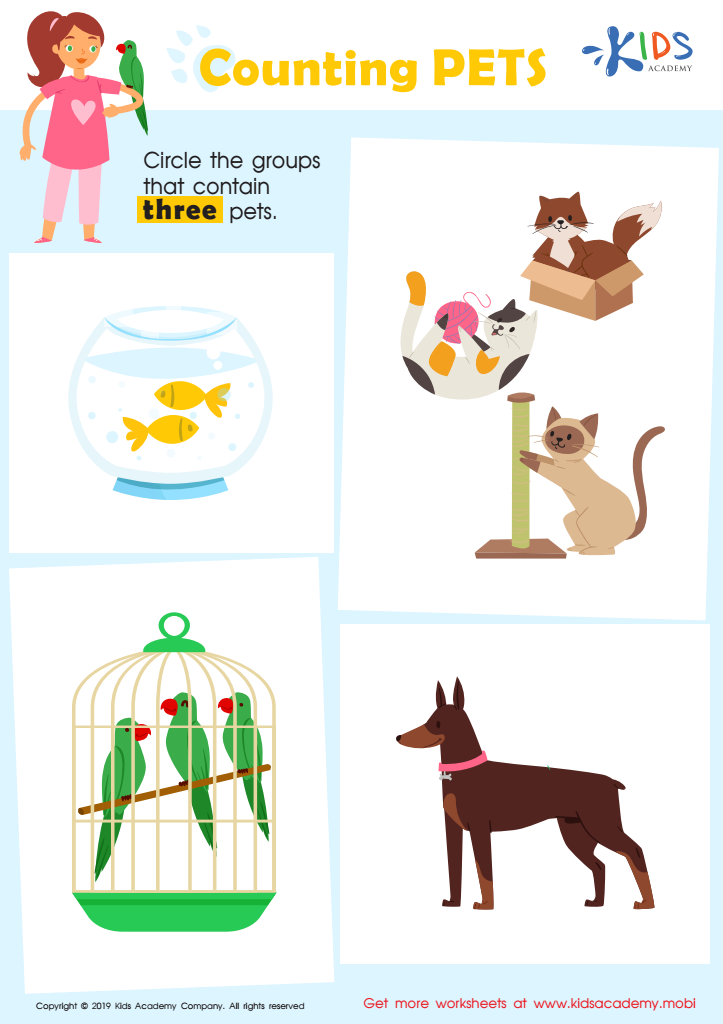
Counting Pets Worksheet
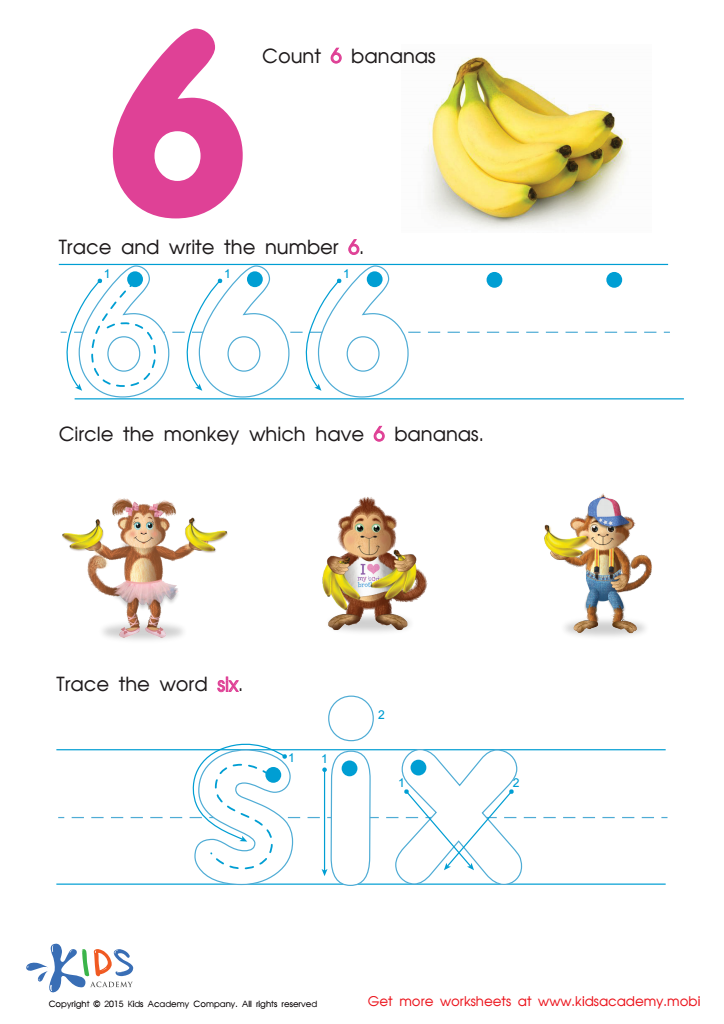
Tracing And Writing Number 6 Worksheet
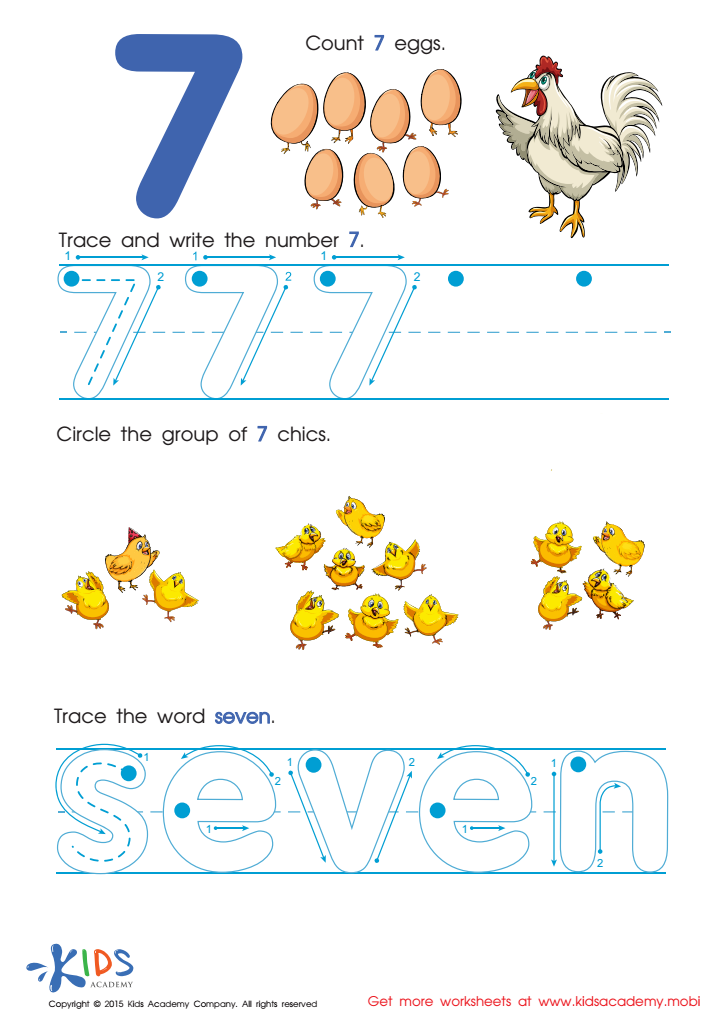
Trace And Write Number 7 with Fun Worksheet
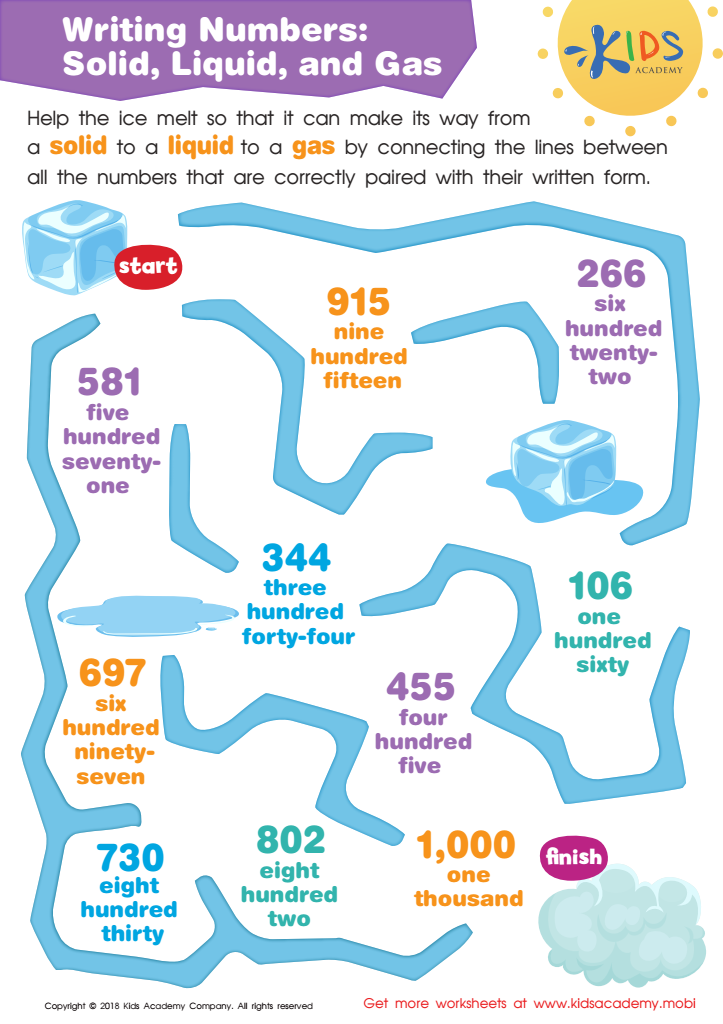
Solid, Liquid, and Gas Writing Numbers Worksheet








Number writing practice is pivotal for children ages 5-8 as it lays a foundational skill set crucial for their academic journey and everyday life. First, learning to write numbers correctly enhances children's fine motor skills, which are vital for performing various tasks such as writing, cutting, and tying shoelaces. Additionally, consistent number writing practice helps young learners internalize numeric concepts and strengthens their number recognition, which is essential for early math proficiency.
Number writing also reinforces cognitive development in other areas, such as logical thinking and sequencing. When children practice writing numbers, they are also practicing order and memory, skills that carry over into other academic areas like reading and science. Early exposure to math through writing exercises aids in demystifying math concepts, making them approachable and less intimidating, fostering a positive attitude toward the subject.
Furthermore, being able to write numbers accurately is indispensable for up-and-coming math tasks, such as addition, subtraction, and the understanding of place value. This practice sets a robust numerical foundation that will facilitate more complex mathematical concepts and problem-solving skills in later grades.
In summary, number writing practice for ages 5-8 is crucial as it enhances motor skills, fosters early math proficiency, supports overall cognitive development, and builds a positive attitude towards math, setting the stage for future academic success.








