Vocabulary expansion Normal Math Worksheets for Ages 5-8
4 filtered results
-
From - To
Enhance your child's math and language skills together with our Vocabulary Expansion Normal Math Worksheets, crafted for ages 5-8. These expertly designed worksheets merge engaging math problems with vocabulary exercises to strengthen critical thinking and comprehension. Each worksheet introduces new math terminology, reinforces word recognition, and builds mathematical understanding through interactive tasks. Perfect for young learners, our worksheets support both classroom learning and home practice. Boost your child's confidence and academic growth with our effective and enjoyable learning resources. Visit Kids Academy to access our full collection of Vocabulary Expansion Math Worksheets today!
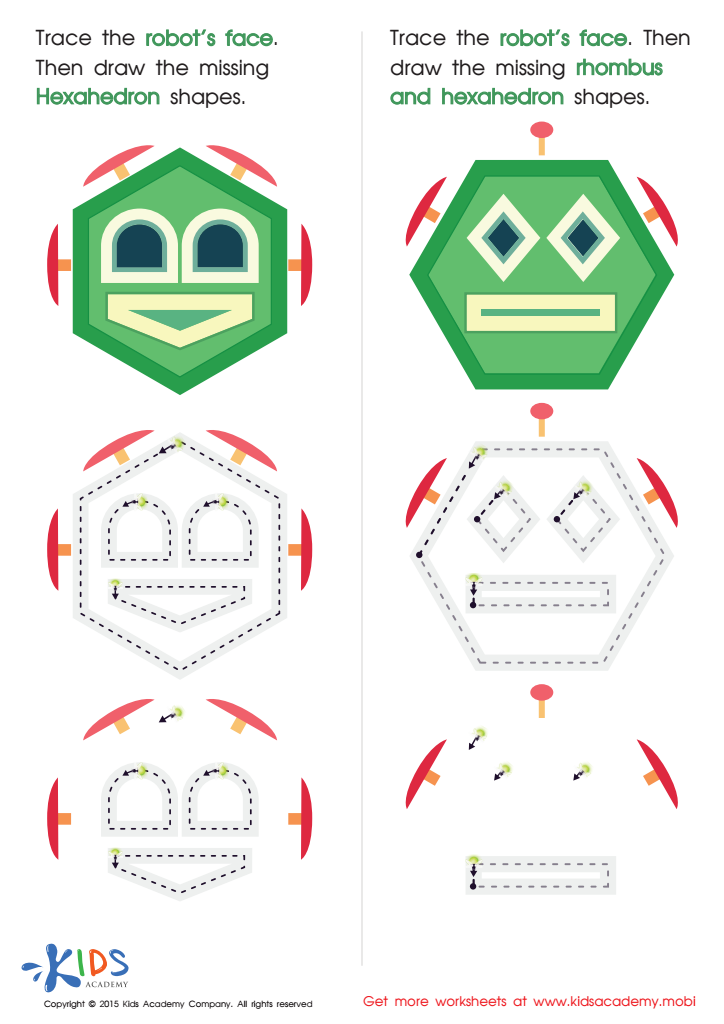
Practice Drawing Hexahedrons And a Rhombus Worksheet
 Assign to My Students
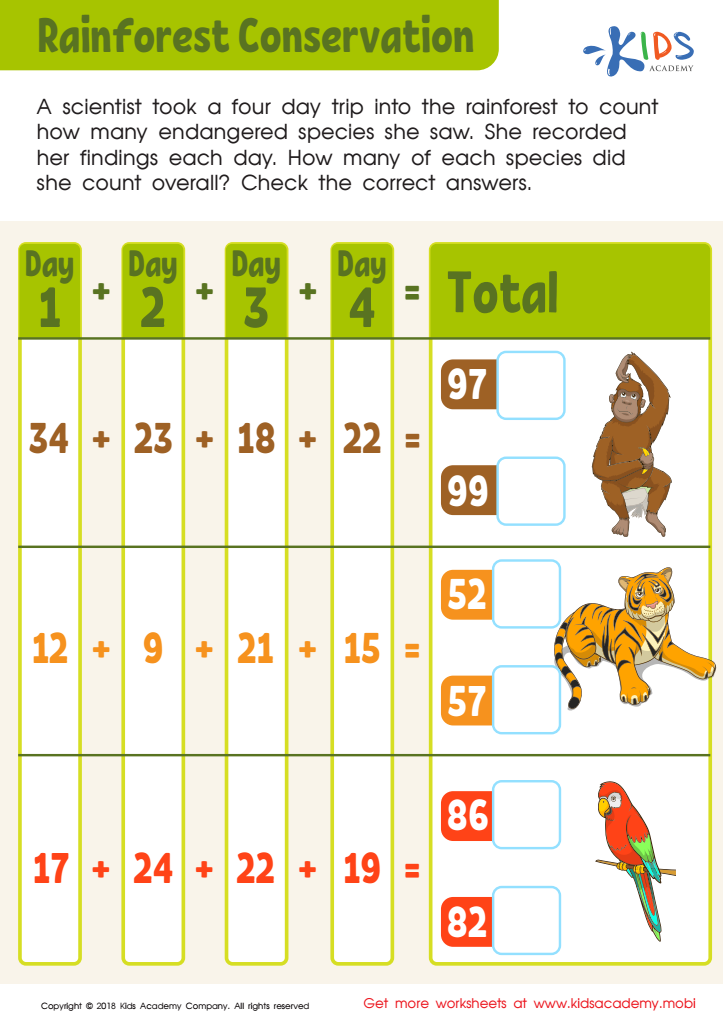
Rainforest Conservation Worksheet
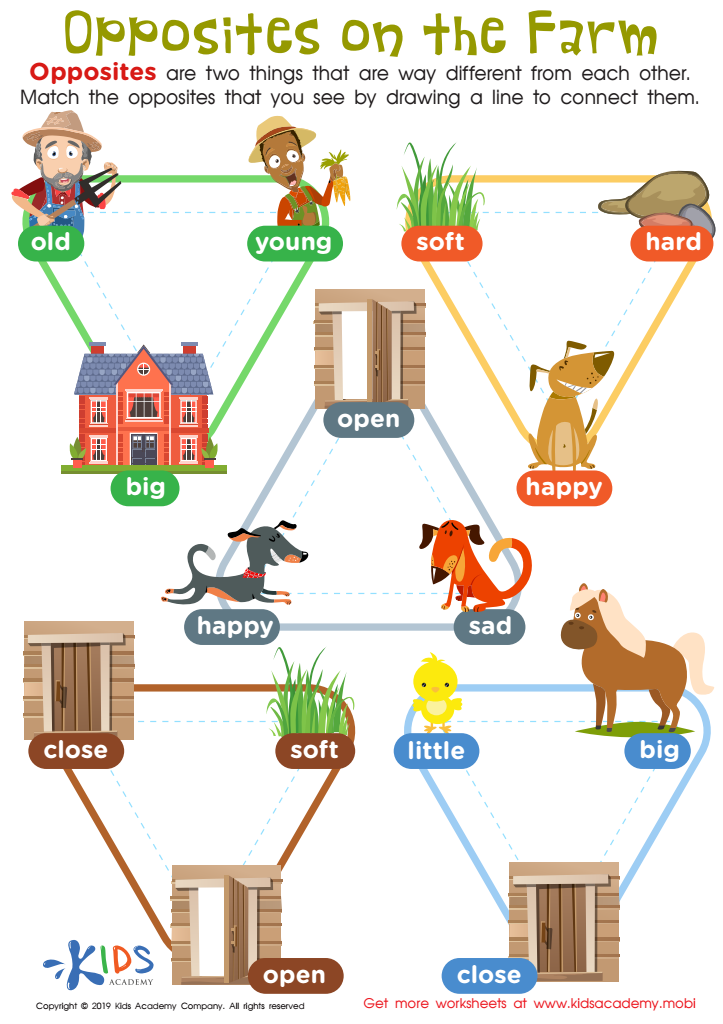
Opposites on the Farm Worksheet
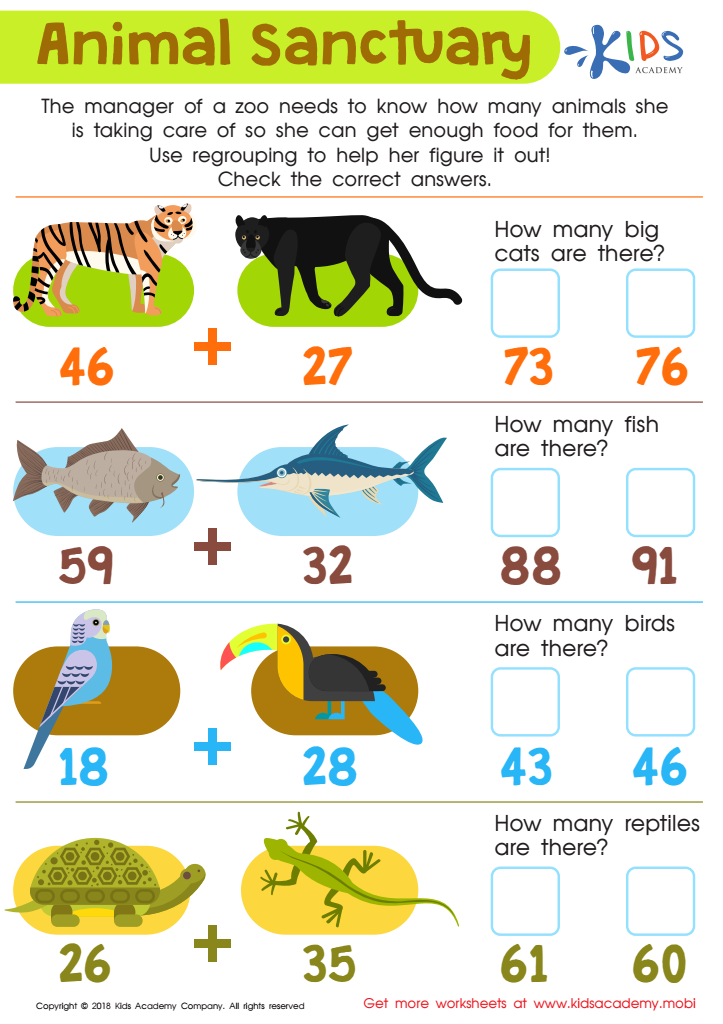
Animal Sanctuary Worksheet




.jpg)



Vocabulary expansion and numeracy skills are foundational elements of early childhood education that parents and teachers should prioritize for children aged 5-8. During these formative years, children's brains are exceptionally receptive to new information, making it the perfect time to build a strong vocabulary and basic math skills.
A strong vocabulary allows children to communicate more effectively, understand instructions better, and develop critical thinking skills. As they learn new words, they enrich their language abilities, which supports reading comprehension and writing proficiency. Improved language skills can boost a child's self-esteem and encourage a love for learning, setting the groundwork for future academic success.
Simultaneously, grasping basic math concepts is crucial as it nurtures logical reasoning and problem-solving skills. Children learn to recognize patterns, understand numbers, and perform simple operations like addition and subtraction. These skills are not just academic but practical, helping them navigate daily tasks and build confidence in their abilities.
In a classroom setting, a robust vocabulary and math skills enable children to follow lessons more effectively, participate in discussions, and collaborate with peers. At home, parents can enhance these skills through interactive reading, engaging math games, and real-life problem-solving exercises, creating a comprehensive and supportive learning environment. By focusing on vocabulary and numeracy, parents and teachers contribute significantly to a child’s overall academic and personal development.








