Categorization skills Normal Sorting Worksheets for Ages 5-8
5 filtered results
-
From - To
Enhance your child's categorization skills with our Normal Sorting Worksheets designed for ages 5-8! Perfect for early learners, these engaging worksheets promote critical thinking and cognitive development through fun and interactive sorting activities. Children will learn to identify and categorize objects based on various attributes, such as shape, color, and size. Our well-structured worksheets cater to different learning styles, making it easier for kids to grasp these essential concepts. Instill a love for learning while ensuring academic readiness with our user-friendly, printable resources. Start building your child's foundational sorting skills today! Visit us to discover more about enriching educational tools.
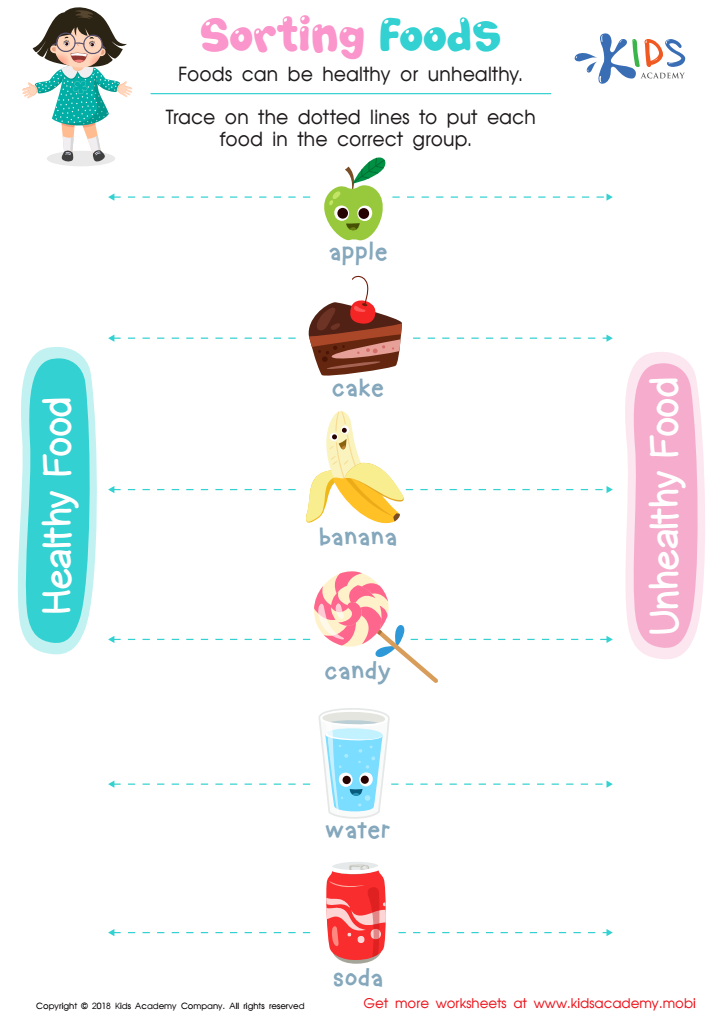
Sorting Food Worksheet
 Assign to My Students
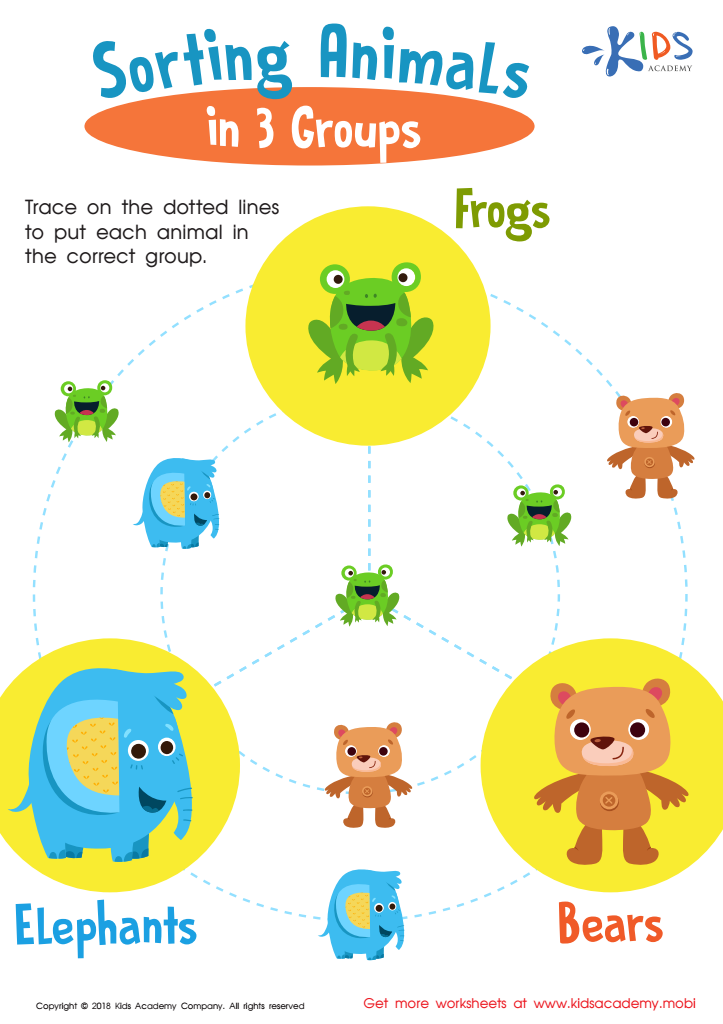
Sorting Animals in 3 Groups Worksheet
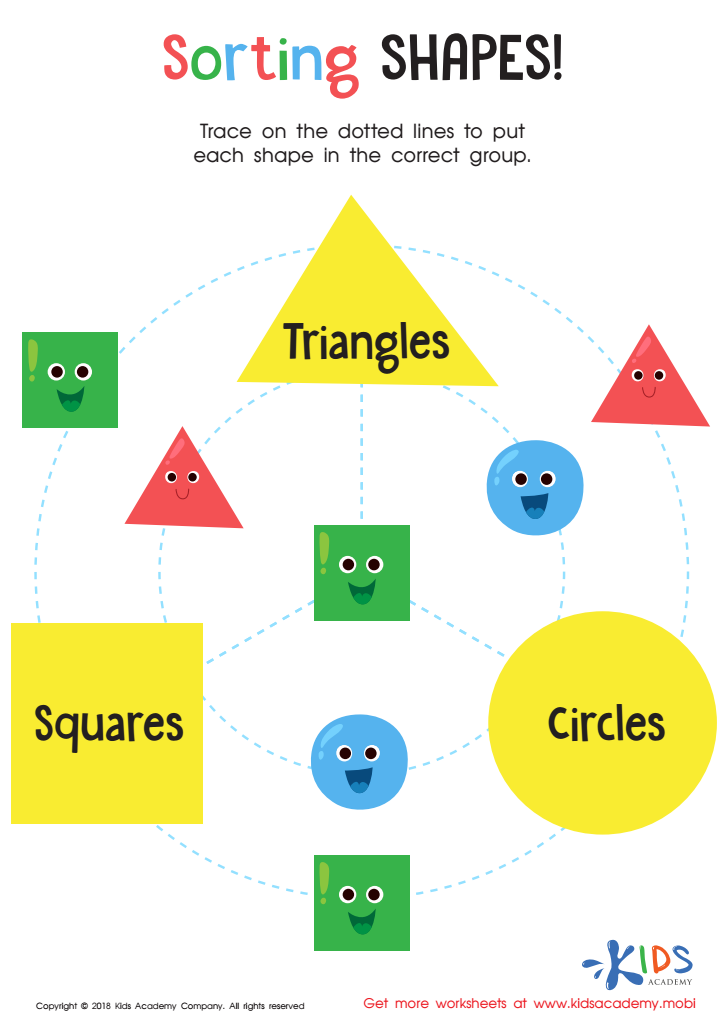
Sorting Shapes - Part 3 Worksheet
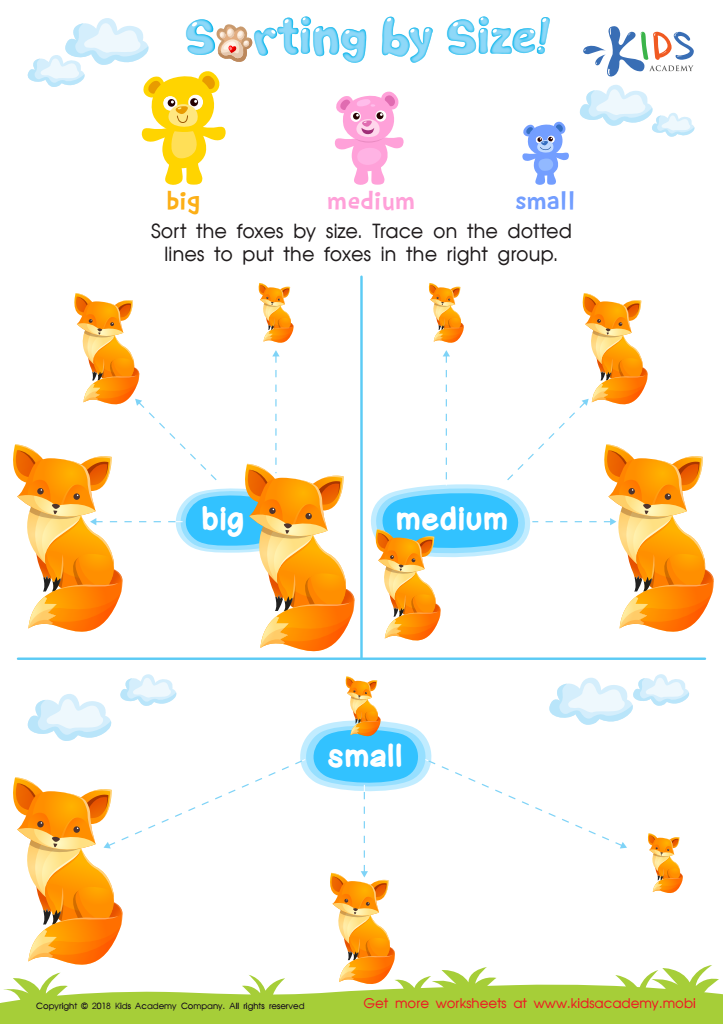
Sorting by Size Worksheet








Categorization skills, particularly normal sorting, are crucial for children aged 5 to 8 as they lay the foundation for critical thinking, problem-solving, and cognitive development. During this stage of growth, children learn to identify similarities and differences among objects, which helps them make sense of the world around them. By sorting items based on categories like color, shape, or size, children develop observational skills and enhance their ability to classify information – a foundational skill in subjects like mathematics and science.
Furthermore, normal sorting activities foster creativity and imaginative play. As children categorize objects, they engage in social interactions, learn to work collaboratively, and build effective communication skills. These experiences are also linked to improved memory and attention span, as children must focus on characteristics and make decisions about where to place items.
Moreover, early mastery of categorization can boost confidence and encourage a love for learning as children grasp increasingly complex concepts. When parents and teachers prioritize sorting activities, they support holistic child development and prepare them for future academic endeavors, making it essential to incorporate these skills into learning experiences during this formative age.








