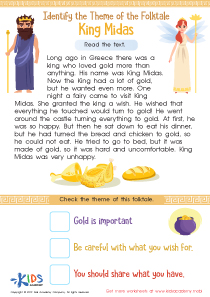
Shape Recognition Normal Reading Worksheets for Ages 5-8
3 filtered results
-
From - To
Explore our engaging Shape Recognition Normal Reading Worksheets designed specifically for children ages 5-8! These worksheets help young learners identify and understand various shapes while enhancing their reading skills. Through fun activities, kids will connect shapes with words, boosting their vocabulary and comprehension. Each worksheet is crafted to encourage critical thinking and foster a love for reading and learning. Perfect for classroom use or at-home practice, our resources ensure that children develop essential shape recognition skills in a playful way. Start your child's educational journey today—and watch their confidence soar as they master both shapes and reading!
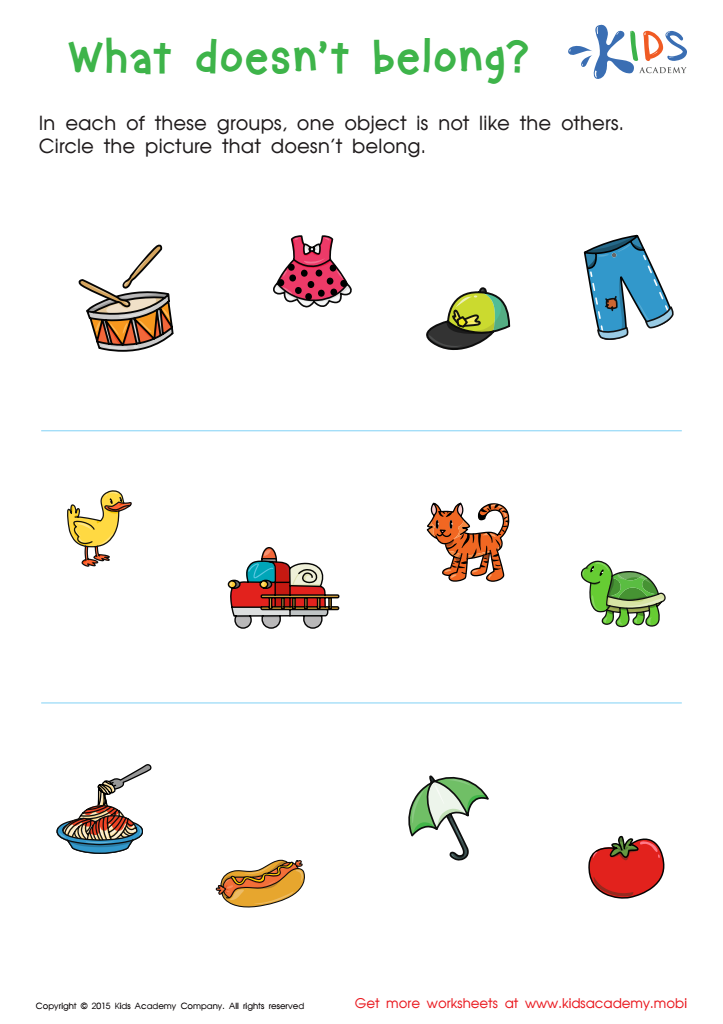
First Words: What Doesn't Belong Worksheet
 Assign to My Students
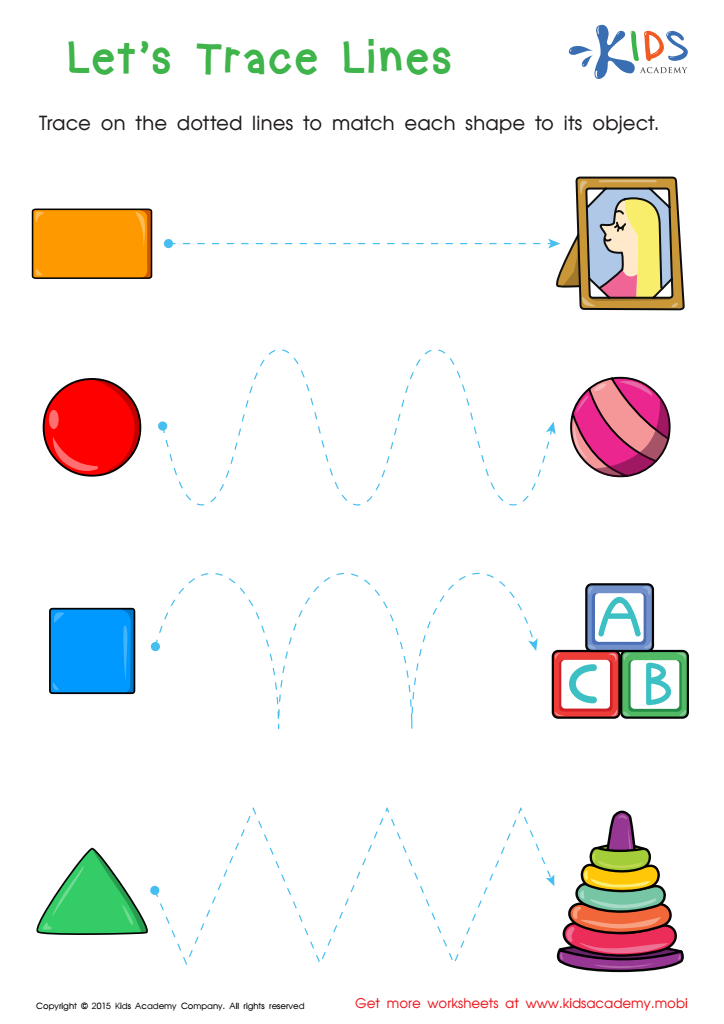
First Words: Let's Trace Lines Worksheet
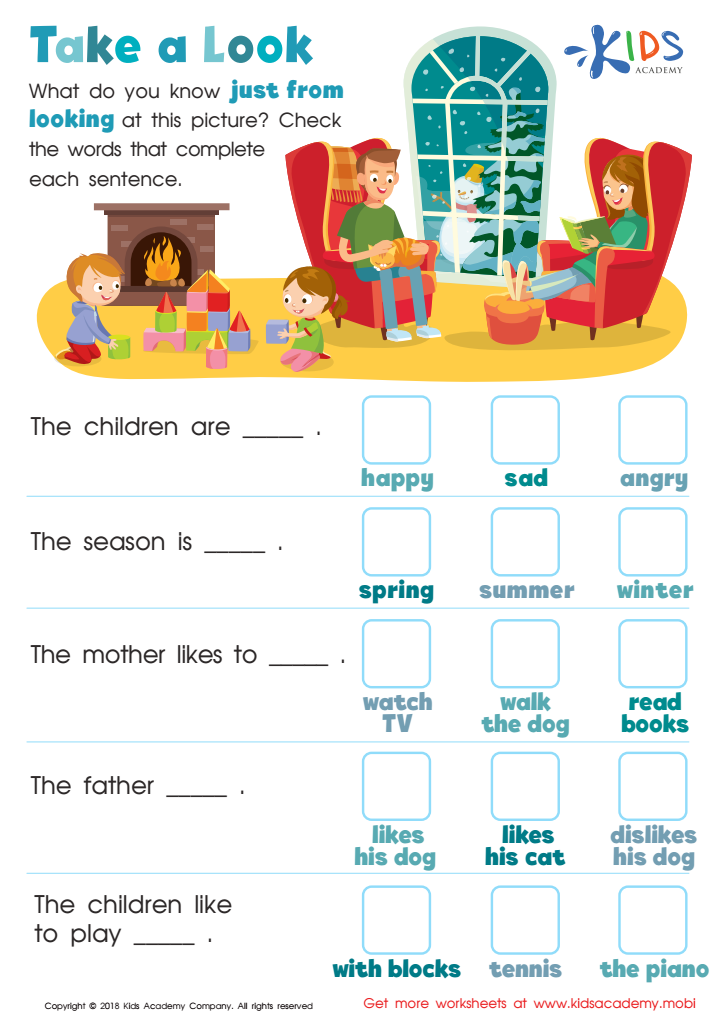
Take a Look - Part 1 Worksheet








Shape recognition is a fundamental skill that bridges cognitive development and early literacy, making it crucial for parents and teachers to prioritize it for children ages 5-8. Understanding shapes helps children make sense of their world, as shapes are the building blocks of visual perception. When children can identify shapes, they develop spatial awareness and enhance their critical thinking skills, which are essential for problem-solving.
Moreover, shape recognition feeds directly into early math and reading development. Many letters and numbers have distinct geometric shapes; cultivating shape recognition aids in early phonics and numeracy skills. Recognizing patterns formed by shapes also sets the stage for reading comprehension as children learn to decode visual information.
Additionally, engaging children in shape-related activities fosters creativity and enhances motor skills. Through hands-on learning experiences like drawing or building with shapes, kids develop fine motor skills and gain confidence in their abilities.
For these reasons, parents and teachers should embrace shape recognition as a valuable aspect of cognitive growth, linking it to broader literacy outcomes, making it a vital element in early childhood education. Investing time in this foundational skill can yield significant long-term benefits in students' academic journeys.