Animal Classification Normal Animals Worksheets for Ages 5-8
6 filtered results
-
From - To
Explore the fascinating world of animal classification with our engaging worksheets designed for children aged 5-8. These "Animal Classification Normal Animals Worksheets" support young learners in identifying various animal groups – mammals, reptiles, birds, and more. Each worksheet is crafted to enhance critical thinking and observational skills through exciting activities like matching, sorting, and labeling. Perfect for classroom or home use, these interactive resources foster a love for science while helping kids understand the diversity of the animal kingdom. Download our worksheets today to ignite your child's curiosity about animals and their classifications!
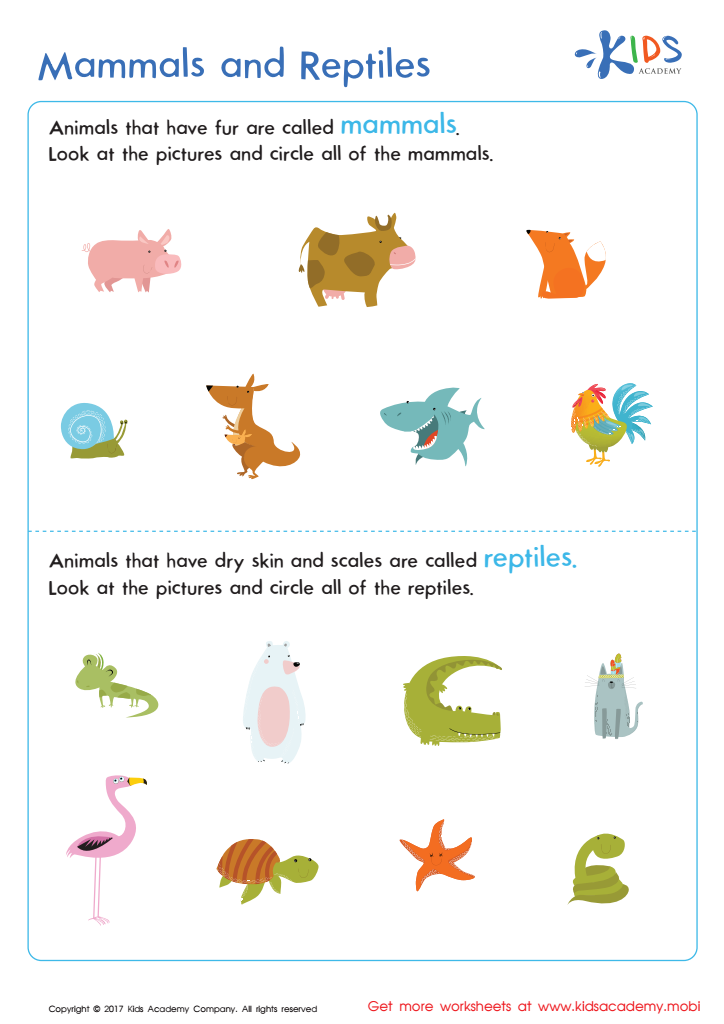
Mammals and Reptiles Worksheet
 Assign to My Students
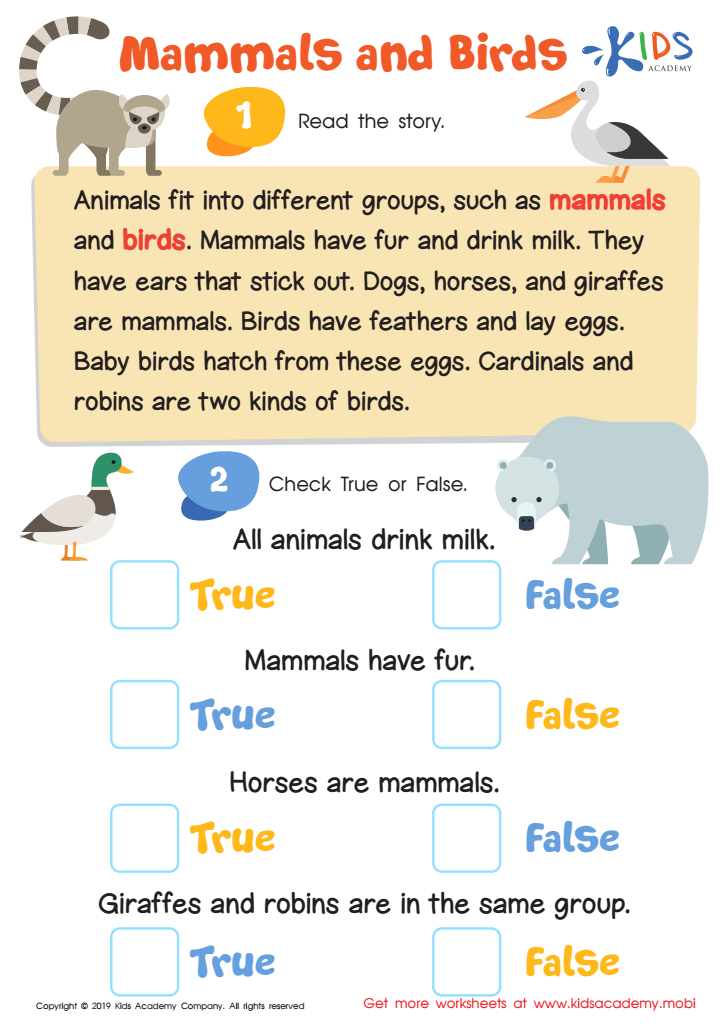
Mammals and Birds Worksheet
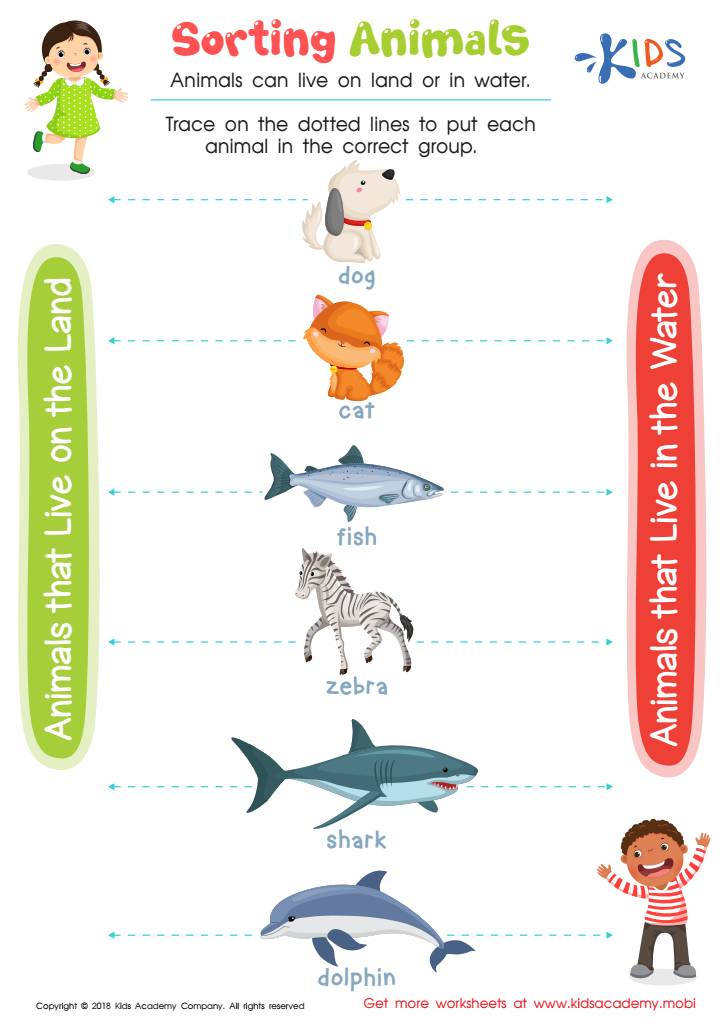
Sorting Animals Worksheet
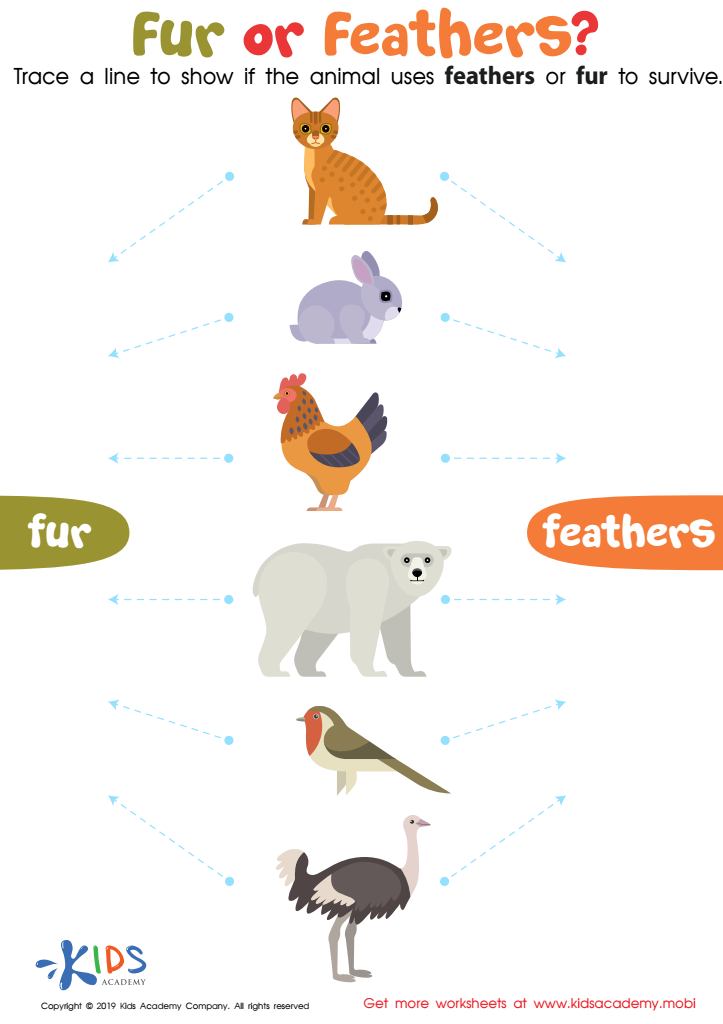
Fur or Feathers? Worksheet
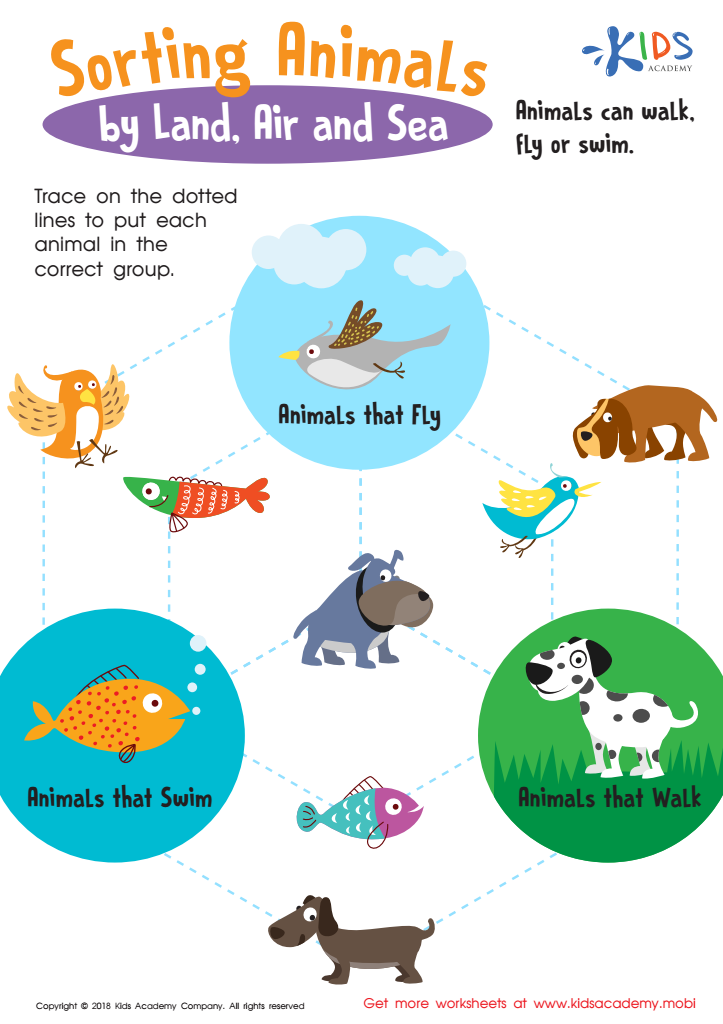
Sorting Animals by Land, Air and Sea Worksheet
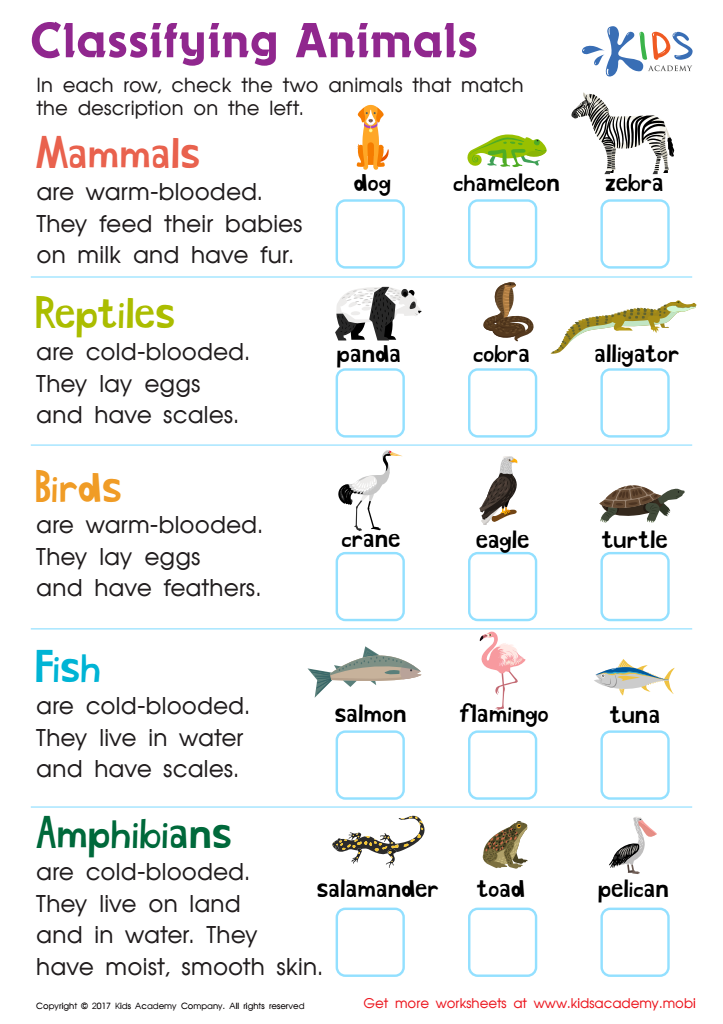
Classifying Animals Worksheet





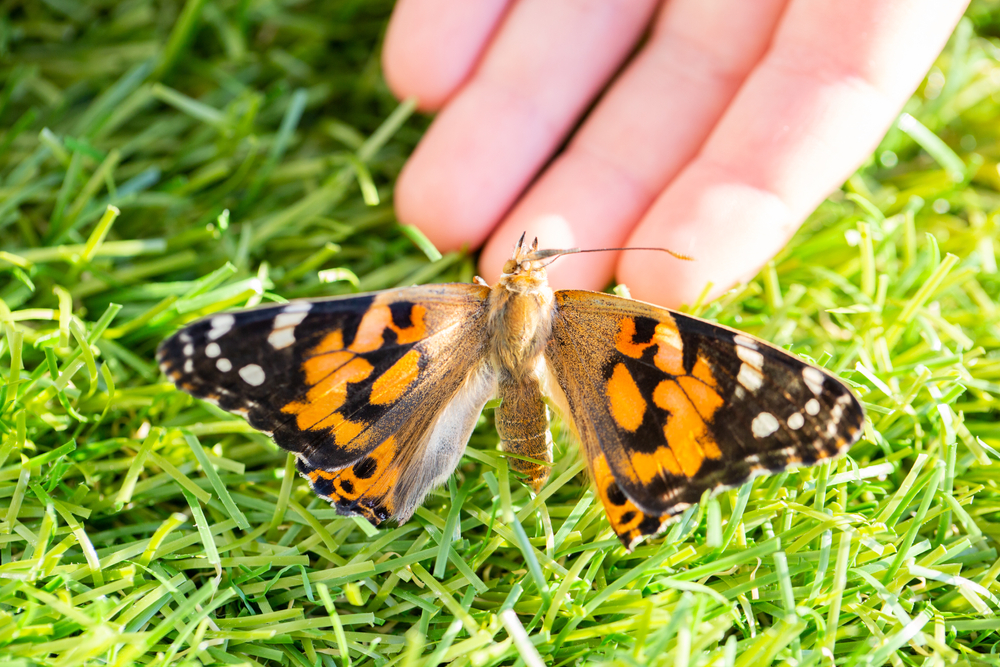


Animal classification is crucial for children aged 5-8 as it lays the groundwork for their understanding of the natural world. Parents and teachers should care about this topic because it introduces young learners to the diversity of life, encouraging curiosity and observation skills. By classifying animals into categories such as mammals, birds, reptiles, amphibians, and fish, children begin to understand the similarities and differences among species, which helps develop critical thinking skills.
Moreover, learning about animal classification enhances vocabulary and promotes engagement with science. It can spark conversations about habitats, diets, and behaviors, fostering a deeper appreciation for nature and the importance of biodiversity. This foundational knowledge encourages respect for all living beings and introduces concepts of conservation and environmental stewardship, which are essential for future generations.
Activities centered around classification, like sorting animals through games or hands-on projects, can also promote cooperative learning and communication skills. Ultimately, when parents and teachers prioritize animal classification, they nurture inquisitive minds, inspire a love for science, and equip children with knowledge that shapes their understanding of the world around them, making it an invaluable educational experience.








