Categorization skills Normal Science Worksheets for Ages 5-8
4 filtered results
-
From - To
Enhance your child's learning experience with our comprehensive "Categorization Skills Normal Science Worksheets" for ages 5-8. These worksheets are designed to help young learners classify, sort, and categorize various scientific concepts in a fun and engaging way. With a variety of activities tailored to develop critical thinking and observation skills, children will explore topics such as animals, plants, and natural phenomena. Our worksheets are visually appealing and easy to follow, making them perfect for home or classroom use. Foster your child's curiosity about the world around them while building essential skills for their academic journey. Start their categorization adventure today!
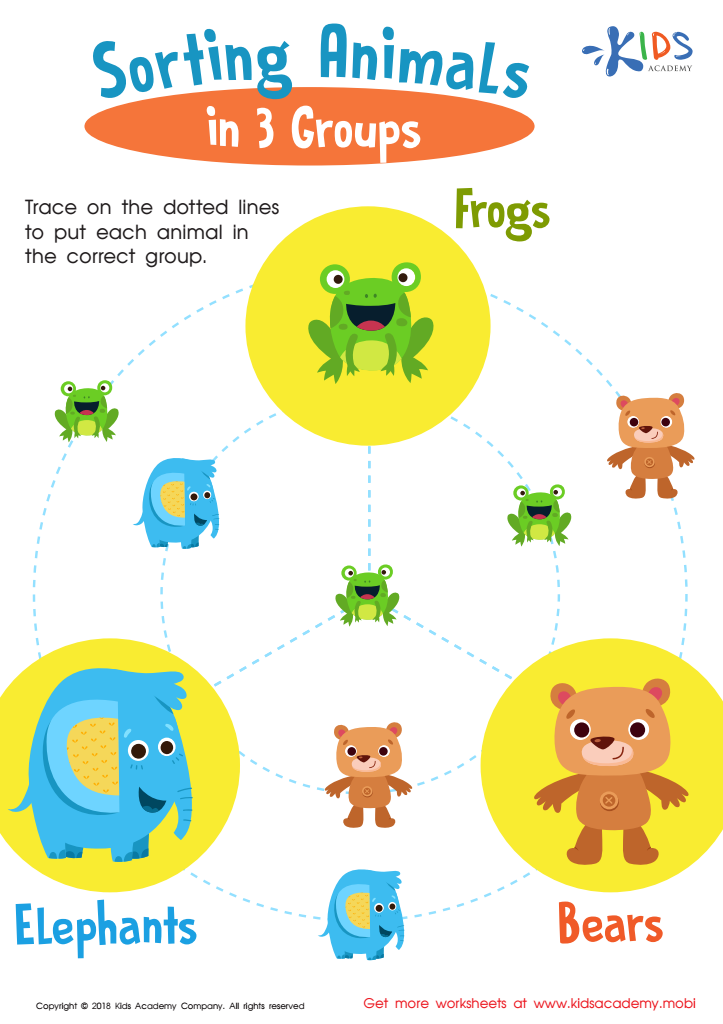
Sorting Animals in 3 Groups Worksheet
 Assign to My Students
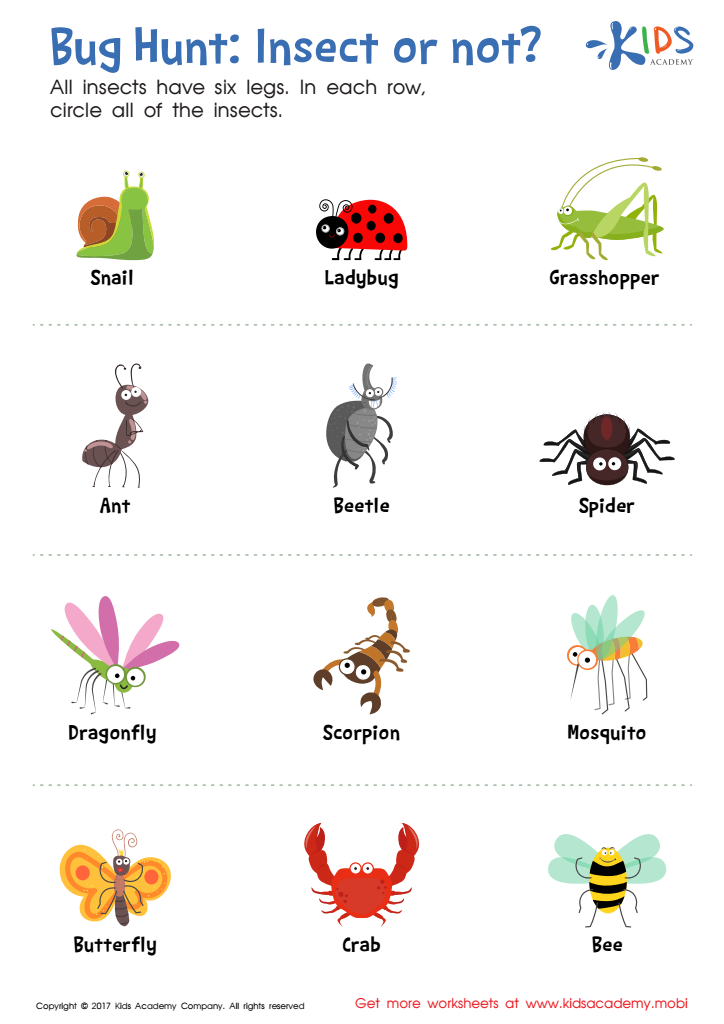
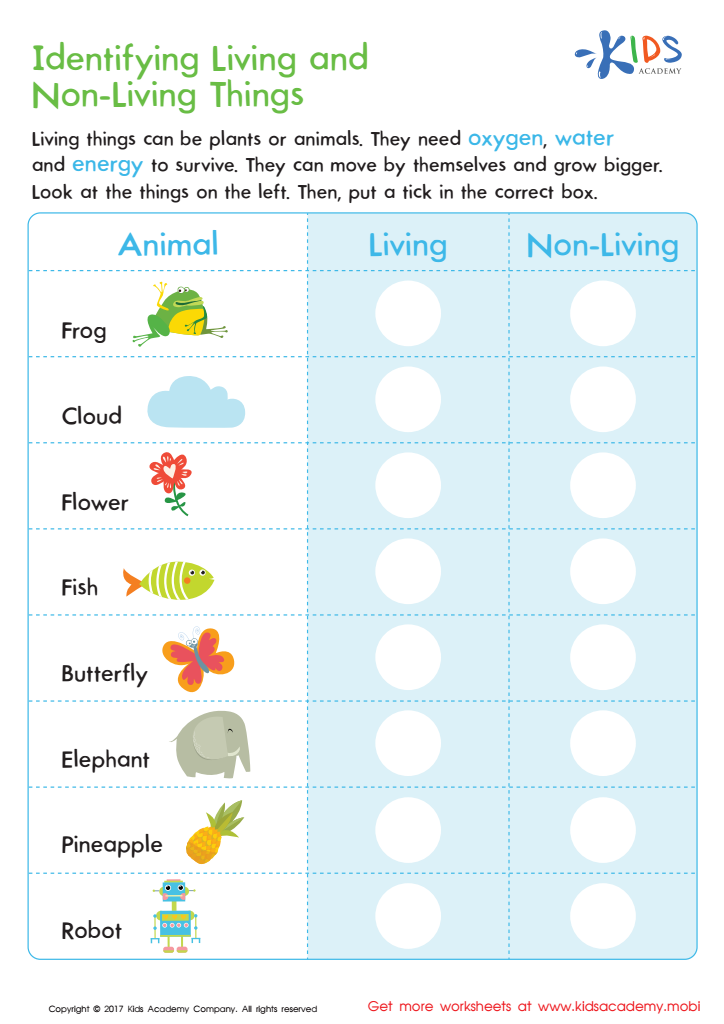
Identifying Living or Non–living Worksheet
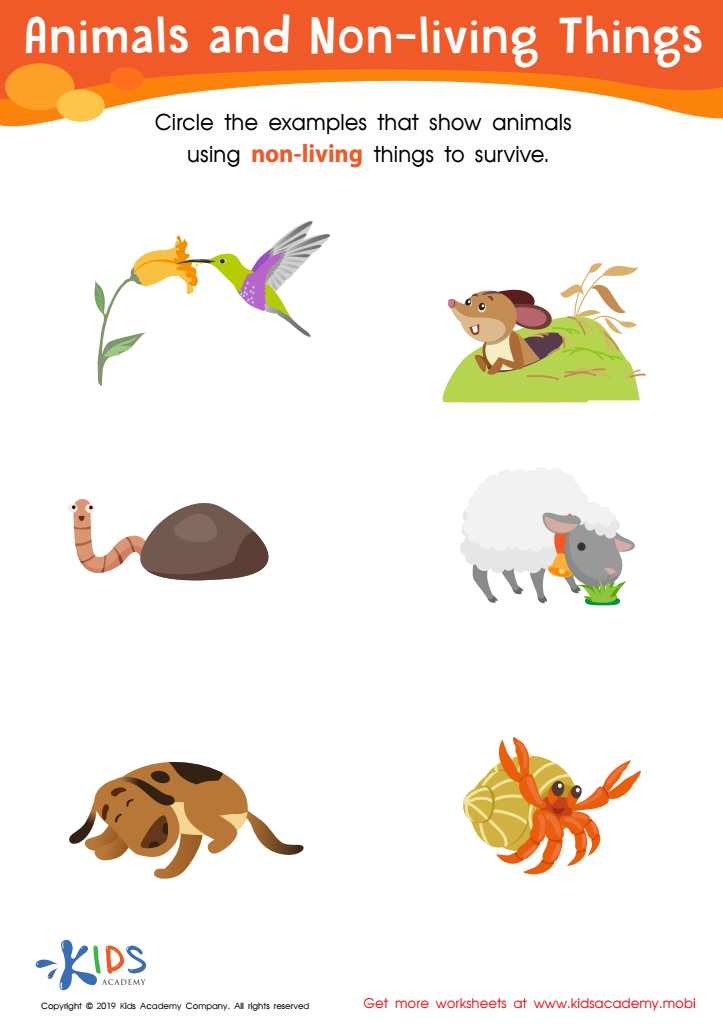
Animals and Non-Living Things Worksheet






Categorization skills play a crucial role in early childhood education, particularly for children aged 5-8. These skills allow children to sort, classify, and group information based on shared characteristics, forming a foundation for critical thinking and problem-solving. For parents and teachers, nurturing these abilities is vital as they directly support children's cognitive development.
Through categorization, children learn to make connections and grasp complex concepts, enhancing their understanding of the world around them. For example, recognizing animals that belong to the same habitat fosters awareness of ecosystems and biodiversity. In addition, these skills promote language development, as children articulate their thought processes and learn to describe categories effectively.
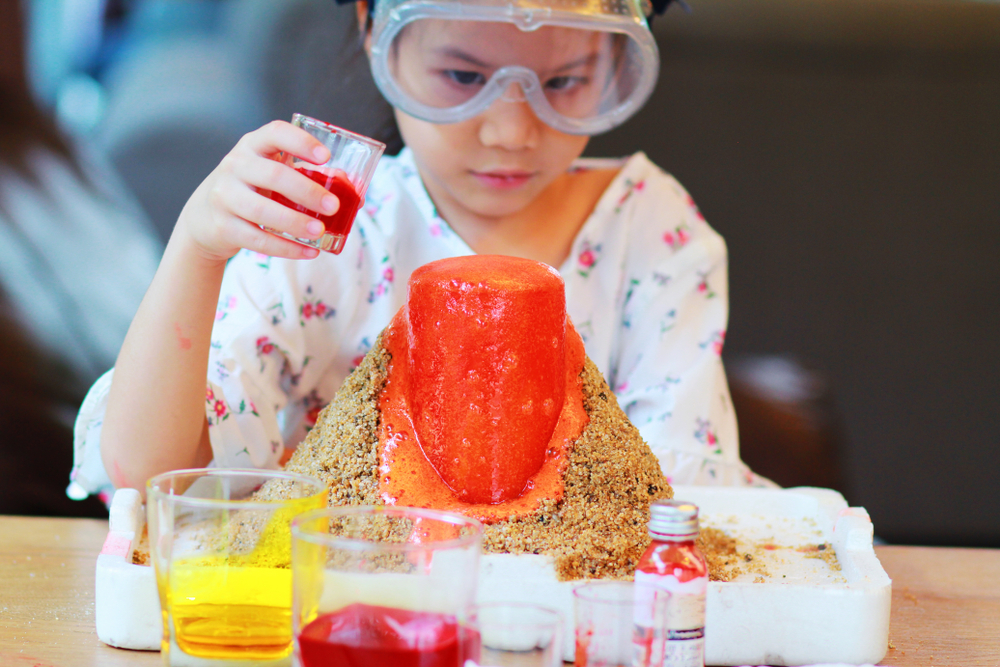
Furthermore, categorization skills are essential for STEM learning, particularly in science education, where kids will be encouraged to organize observations and data. By introducing young learners to categorization through interactive and engaging activities, like sorting games or science experiments, adults can help children develop the ability to analyze, infer, and predict, which are invaluable skills throughout life.
Ultimately, fostering categorization skills prepares children for more advanced learning experiences, promotes intellectual curiosity, and builds a solid foundation for academic success.







