Categorizing animals Normal Science Worksheets for Ages 5-8
3 filtered results
-
From - To
Discover the fun of learning with our "Categorizing Animals Normal Science Worksheets" for ages 5-8! These engaging worksheets are designed to help young learners explore the fascinating world of animals. Children will enhance their decision-making skills as they categorize animals based on various characteristics, such as habitat, diet, and physical features. With vibrant visuals and interactive exercises, these worksheets make learning science exciting and memorable. Perfect for home or classroom use, our worksheets promote critical thinking and foster a love for nature. Download now and watch your little ones become animal experts while developing important scientific skills!
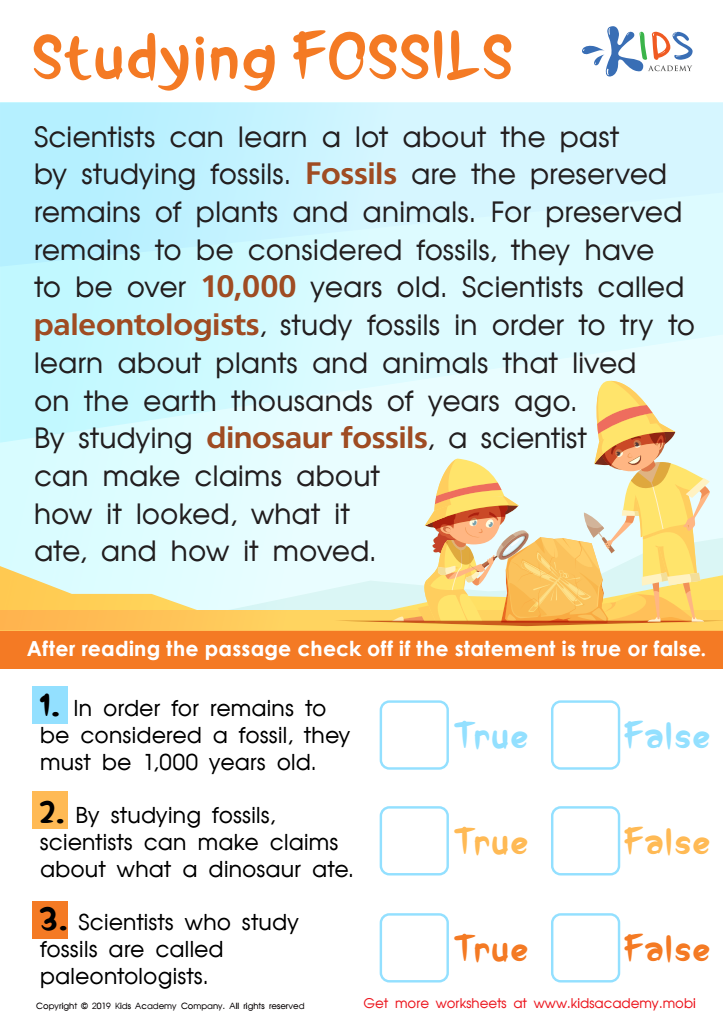
Studying Fossils Worksheet
 Assign to My Students
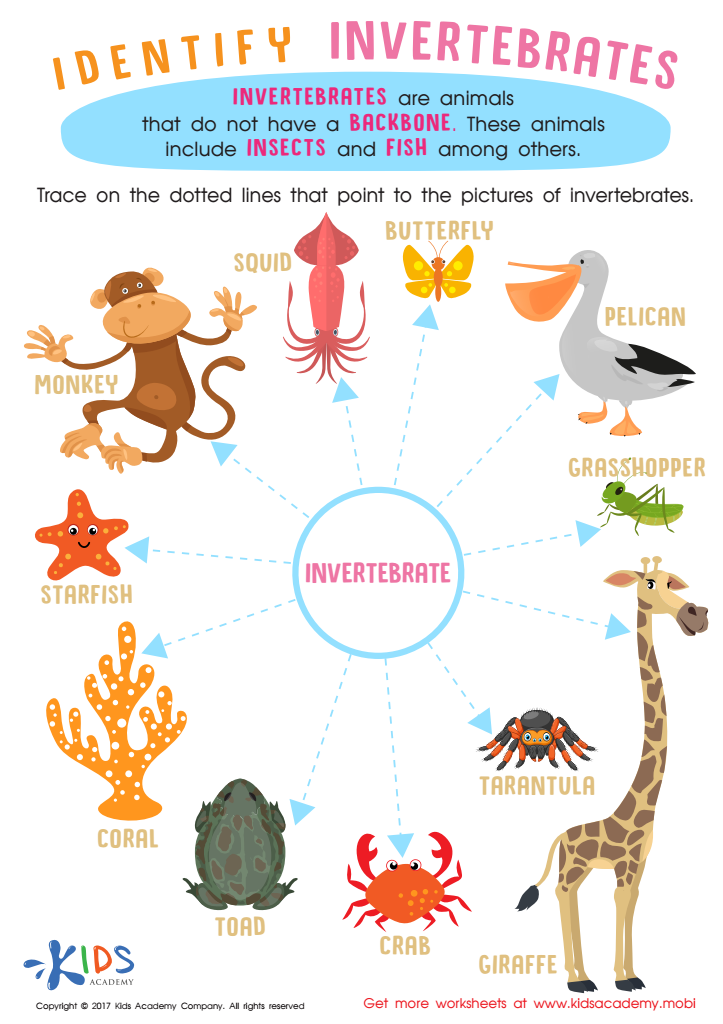
Invertebrates Worksheet for Grade 3
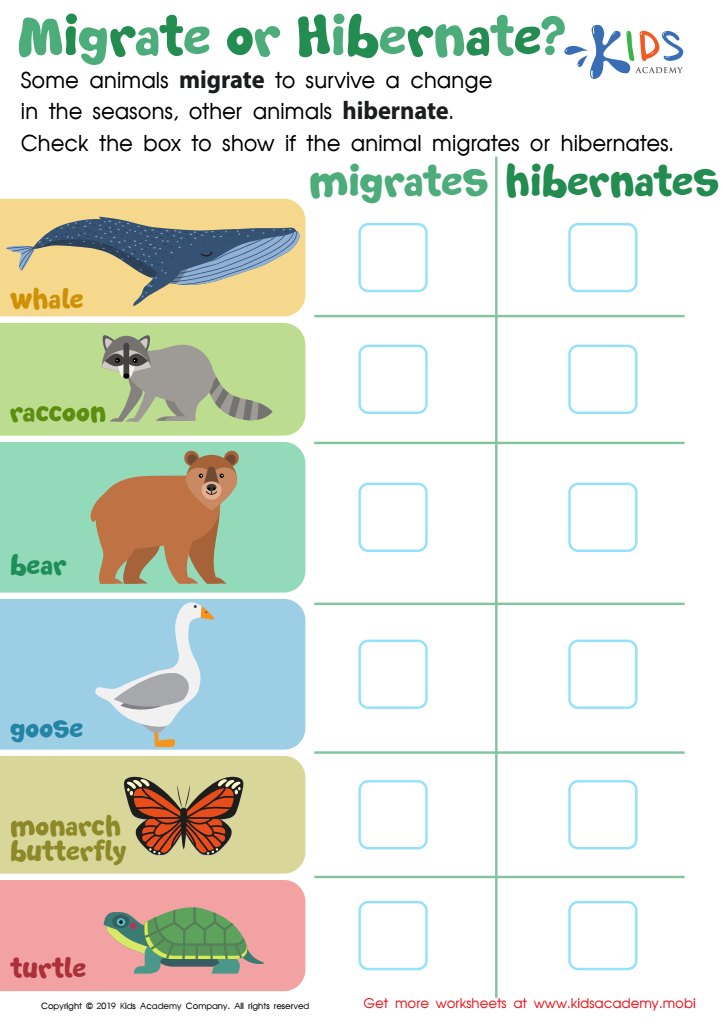
Migrate or Hibernate? Worksheet







Categorizing animals is an essential part of the Normal Science curriculum for children aged 5-8 because it lays the foundation for essential science skills and critical thinking. By learning how to group animals based on shared characteristics—such as habitat, diet, or physical features—children develop observational skills and logical reasoning. This practice encourages inquiry, helping students ask questions about the animal kingdom and understand the diversity of life.
Additionally, understanding animal categories fosters an appreciation for biodiversity and promotes environmental awareness. Young learners begin to recognize the importance of animals in ecosystems, teaching them to value and respect wildlife. Engaging in activities like sorting animals into groups can also ignite a passion for science, exploring themes in biology, ecology, and conservation that can resonate throughout their education.
Moreover, learning about categorizations enhances vocabulary and comprehension skills. Kids are introduced to scientific terminology in an approachable way, making it easier to grasp more complex concepts later on. For parents and teachers, this focus not only enriches knowledge but also promotes cooperative learning, where children can collaborate, share discoveries, and create a strong classroom community built on curiosity and exploration.







