Learning about ecosystems Normal Science Worksheets for Ages 5-8
3 filtered results
-
From - To
Welcome to "Learning about Ecosystems Normal Science Worksheets" designed for children aged 5-8! Our engaging and colorful worksheets introduce young learners to the fascinating world of ecosystems. Each worksheet offers fun activities that nurture curiosity about plants, animals, and their environments, helping children understand how different living things interact in nature. These resources come with a variety of exercises, including matching games, coloring activities, and simple questions that enhance critical thinking and promote STEM learning. Perfect for home or classroom use, our worksheets make science enjoyable and accessible for early learners as they explore the delicate balance of our natural world!
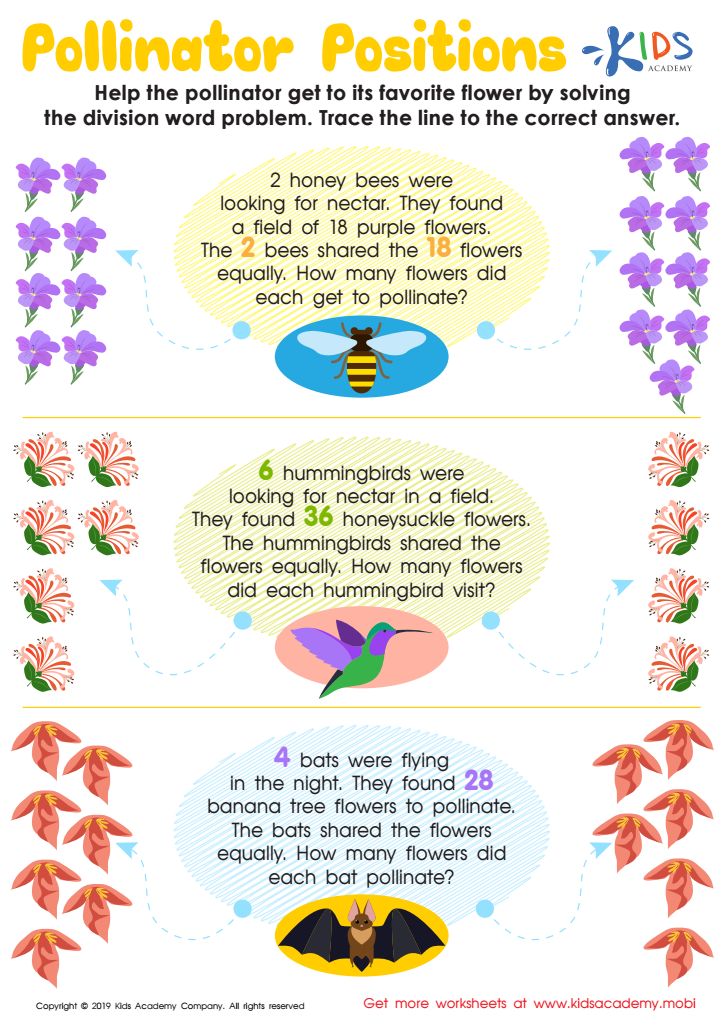
Pollinator Positions Worksheet
 Assign to My Students
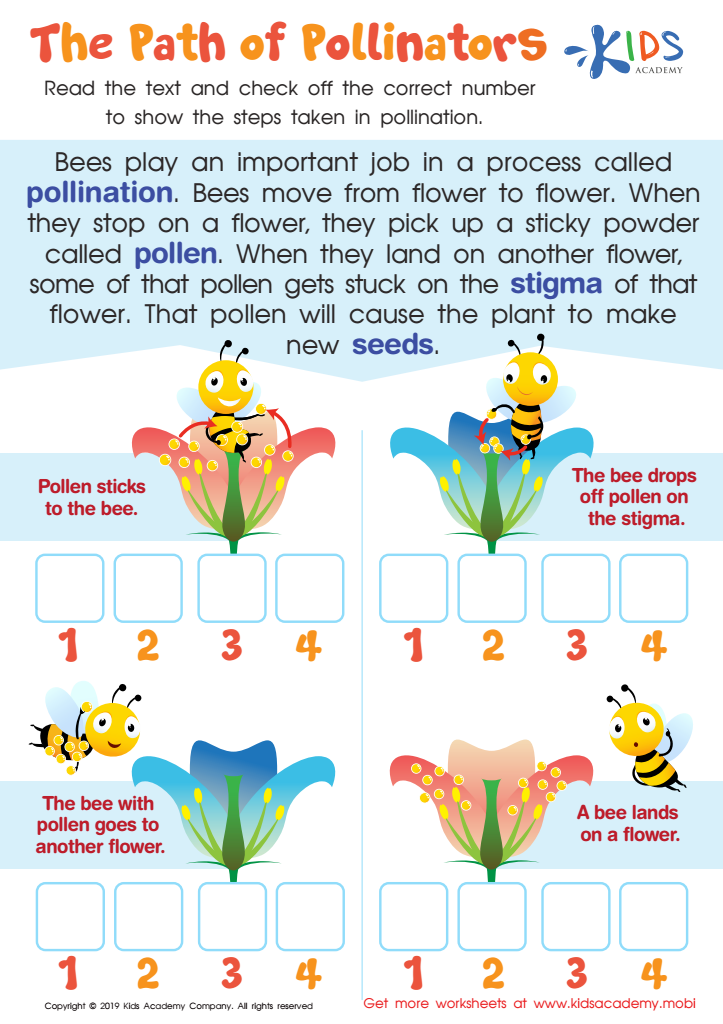
The Path of Pollinators Worksheet
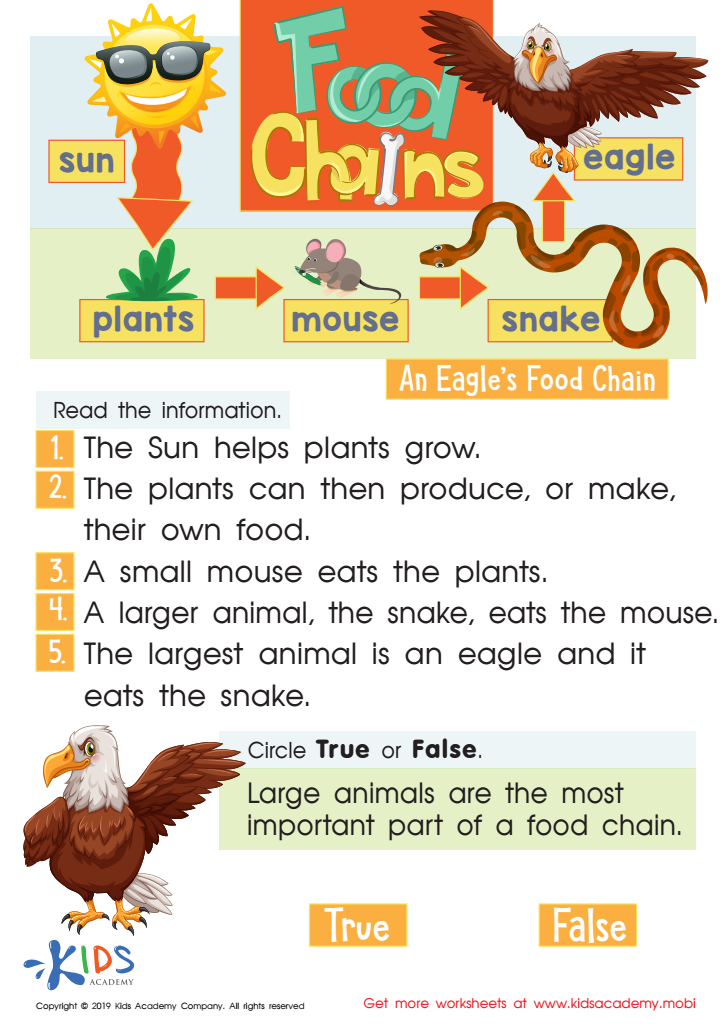
Food Chains Worksheet




.jpg)



Learning about ecosystems and the fundamental principles of normal science is crucial for children aged 5-8, as it lays the foundation for their understanding of the world around them. Ecosystems encompass the diverse interactions between living organisms and their environments, fostering an appreciation for nature and instilling a sense of responsibility towards preserving it. Engaging with ecosystems assists young children in developing critical thinking and observational skills, essential components of early learning.
Parents and teachers should care because this knowledge promotes curiosity and encourages exploration, which are key for effective learning at this age. By introducing concepts like habitats, food chains, and the importance of biodiversity, children can connect to their environment and understand their role within it. Furthermore, learning about ecosystems fosters empathy as children come to appreciate the wellbeing of all living things.
Additionally, understanding normal science enhances problem-solving abilities. Kids learn to ask questions, make predictions, and look for evidence, which is particularly impactful during these formative years. Overall, encouraging children to engage with the concepts of ecosystems and science nurtures informed, conscientious future stewards of the planet, enhancing their education and ultimately benefiting society as a whole.







