Vocabulary development Normal Science Worksheets for Ages 5-8
13 filtered results
-
From - To
Enhance your children's vocabulary skills with our engaging vocabulary development science worksheets, designed specifically for ages 5-8. These interactive worksheets introduce essential science concepts and terminology in a fun and accessible way. Each activity promotes language growth while encouraging a fascination with the natural world. Kids will love exploring topics such as plants, animals, and the environment, making learning enjoyable. Our carefully crafted exercises foster critical thinking and support cognitive development while preparing young learners for future academic success. Perfect for both classroom and home use, these worksheets make vocabulary building a seamless part of science education. Start your child's learning adventure today!
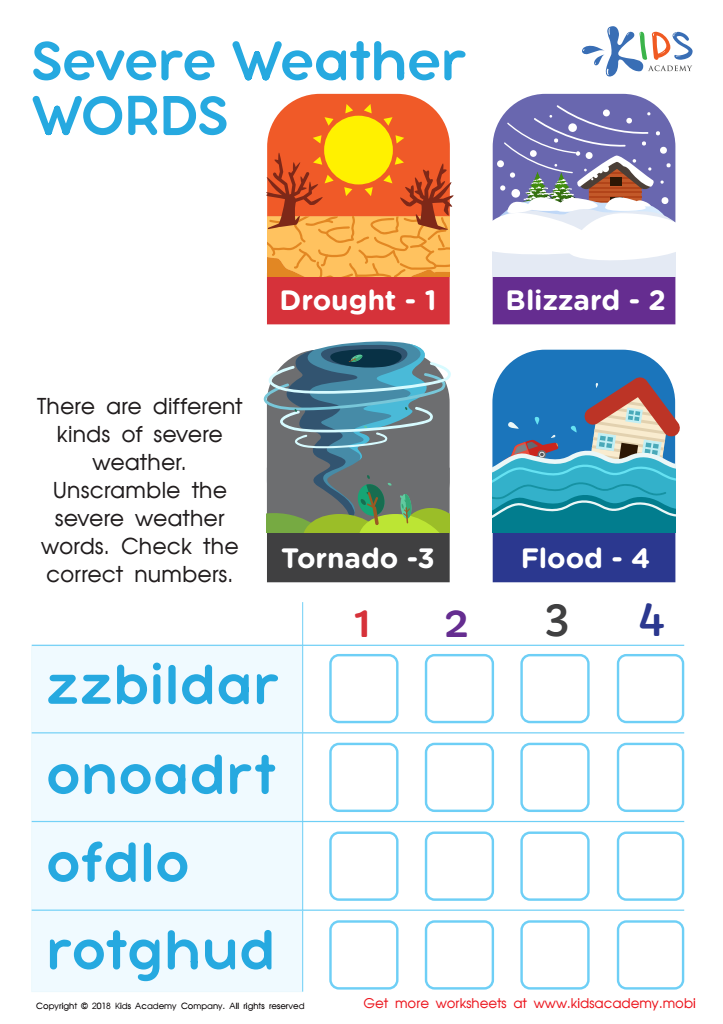
Severe Weather Words Worksheet
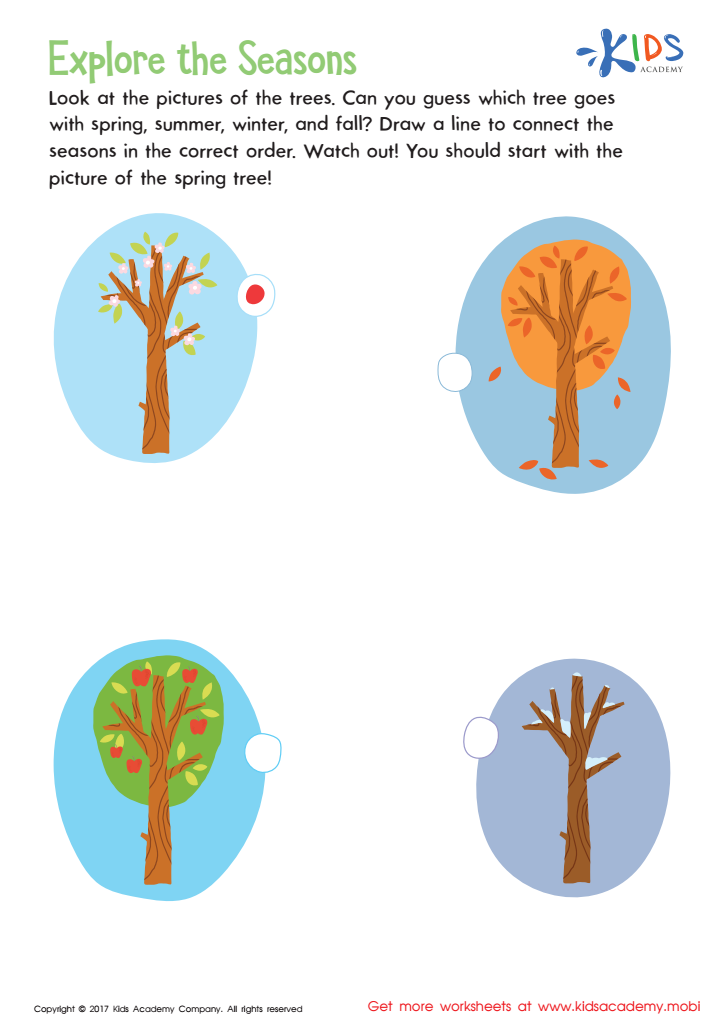
Explore the Seasons Worksheet
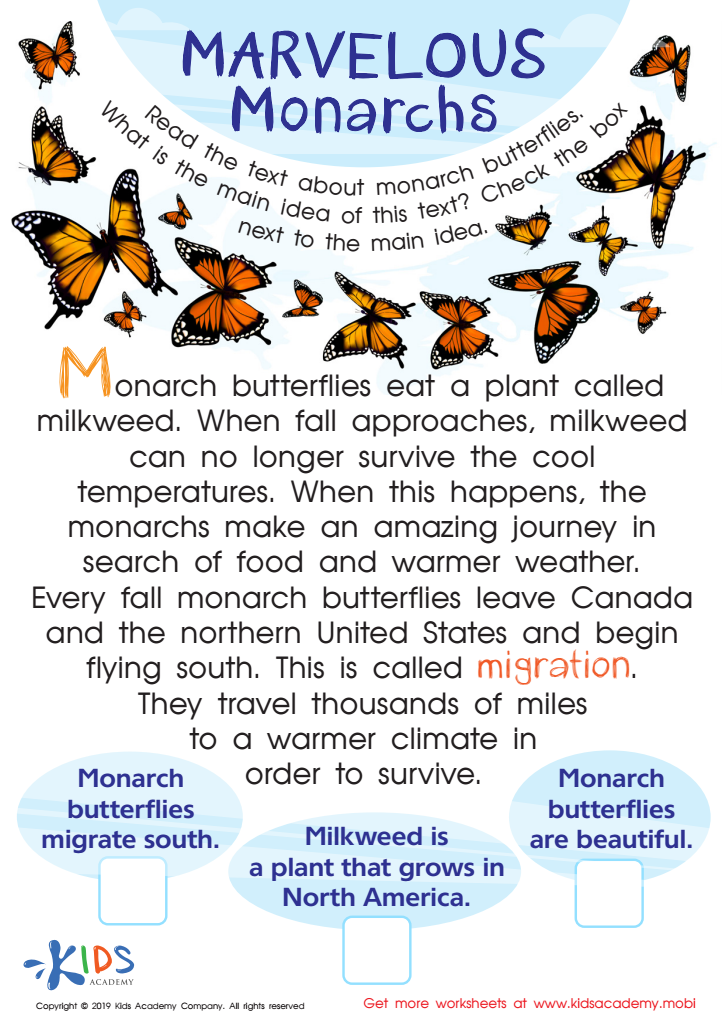
Marvelous Monarchs Worksheet
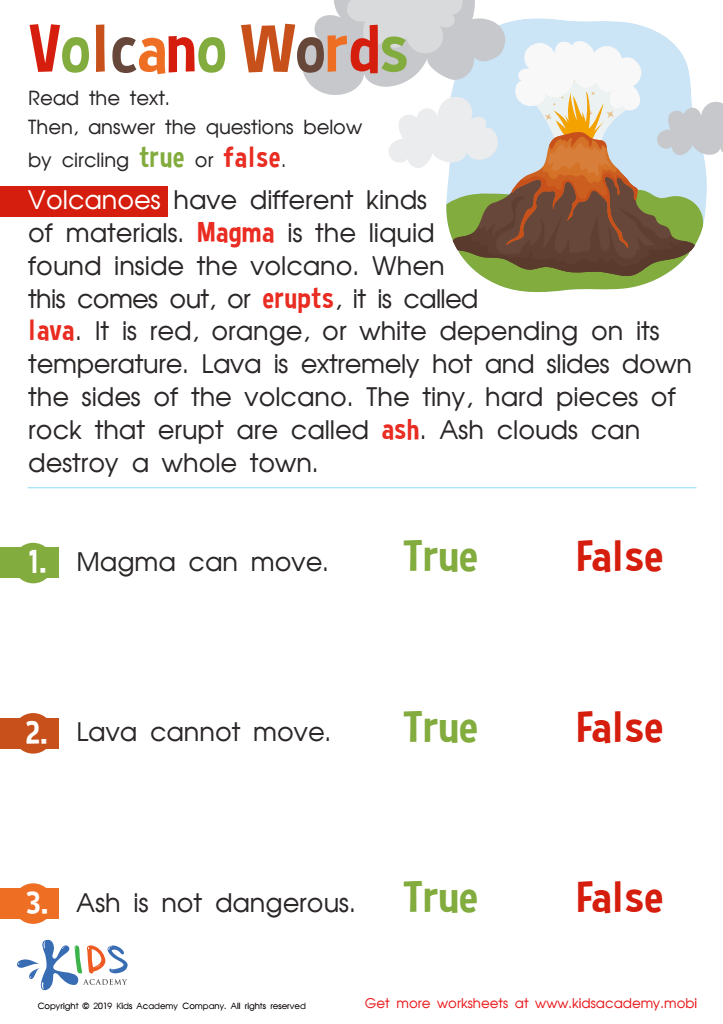
Volcano Words Worksheet
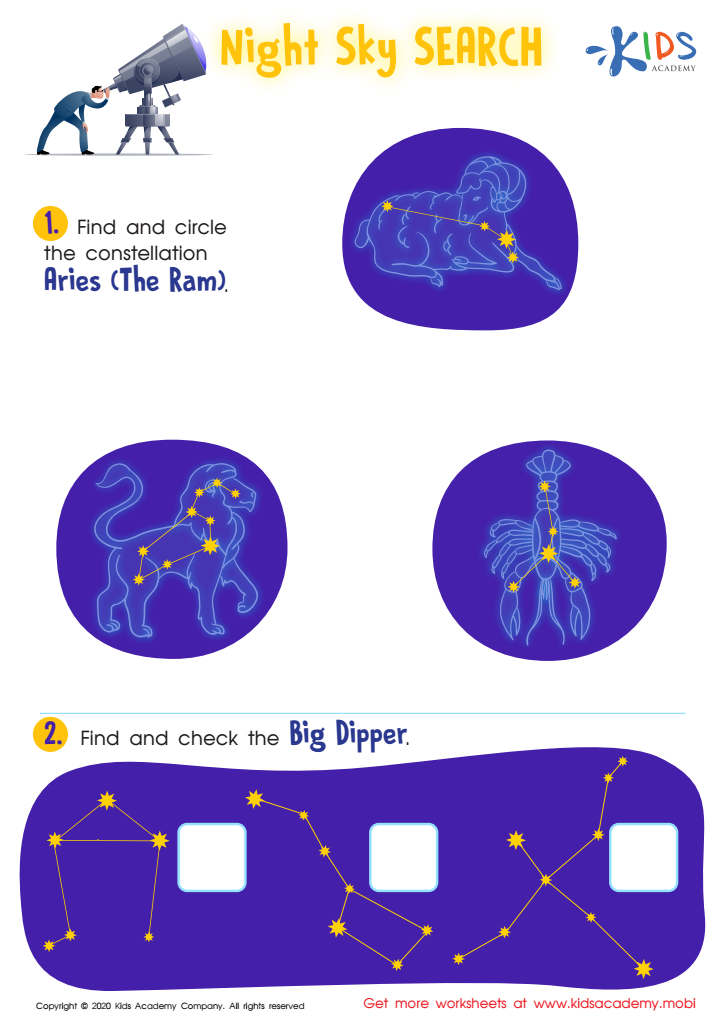
Night Sky Search Worksheet
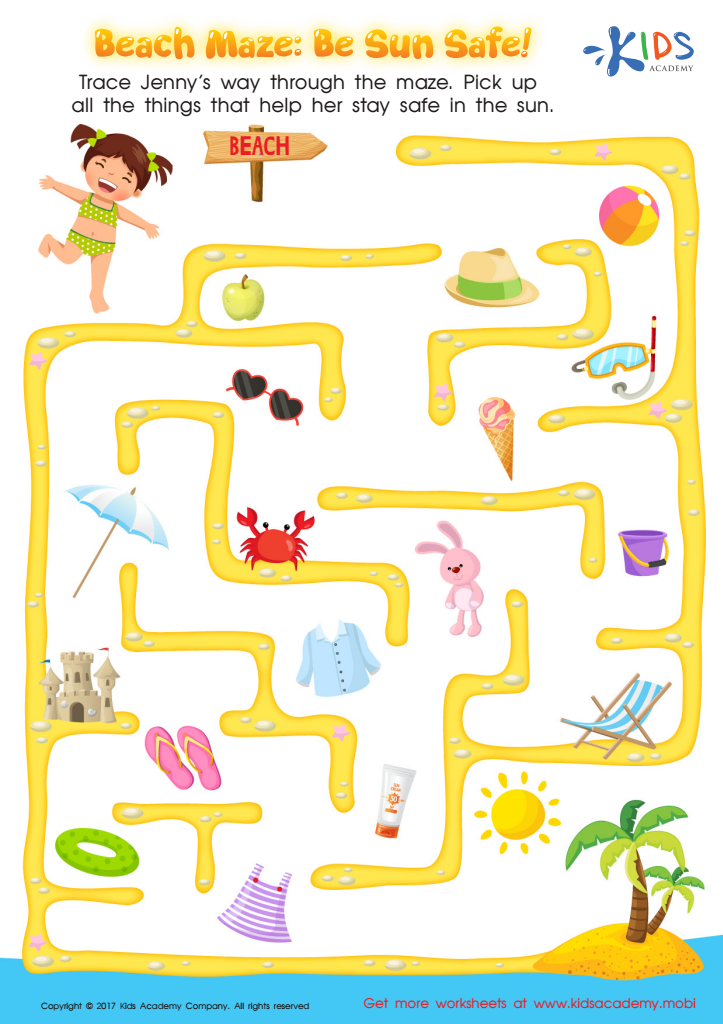
Beach Maze: Sun Safe Worksheet
Musical Band Worksheet
 Assign to My Students
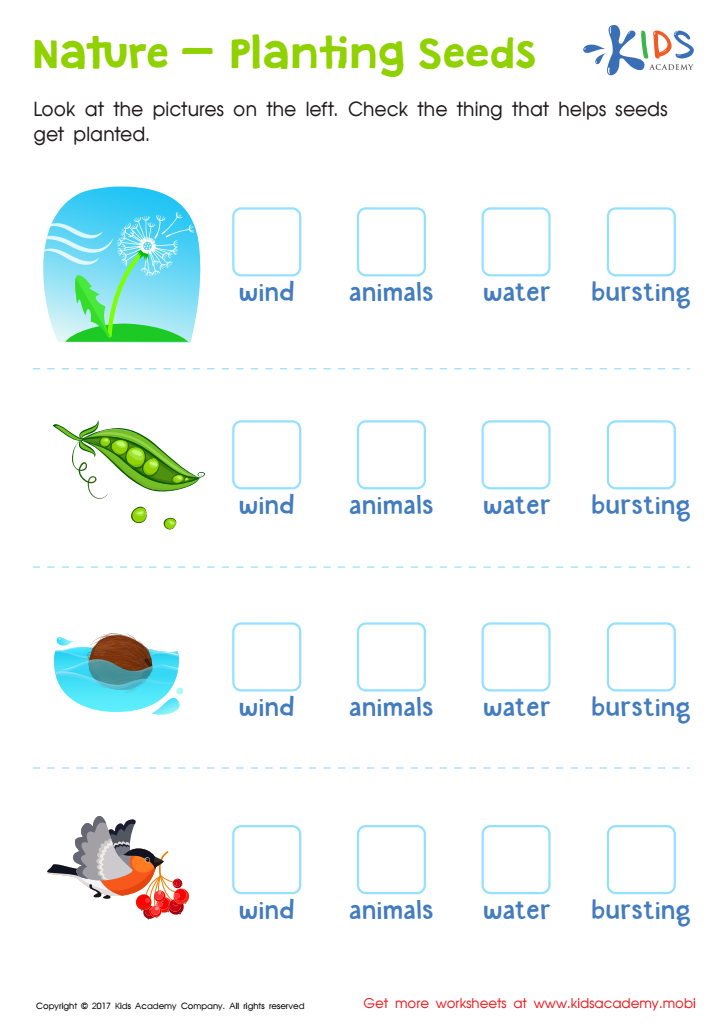
Nature Planting Seeds Worksheet
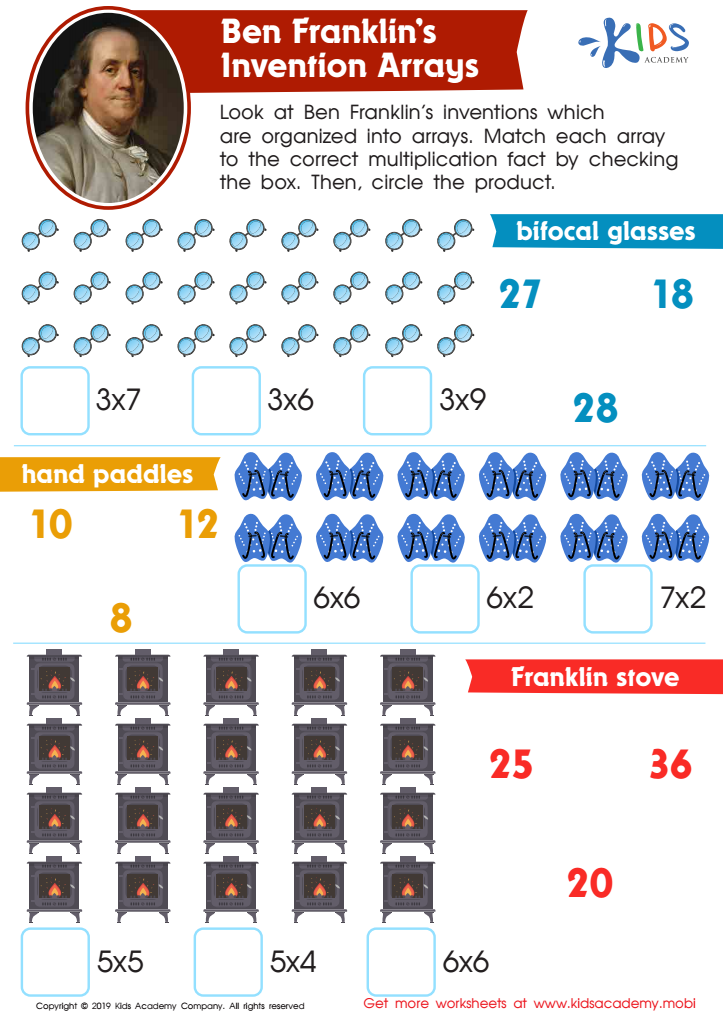
Ben Franklin’s Invention Arrays Worksheet
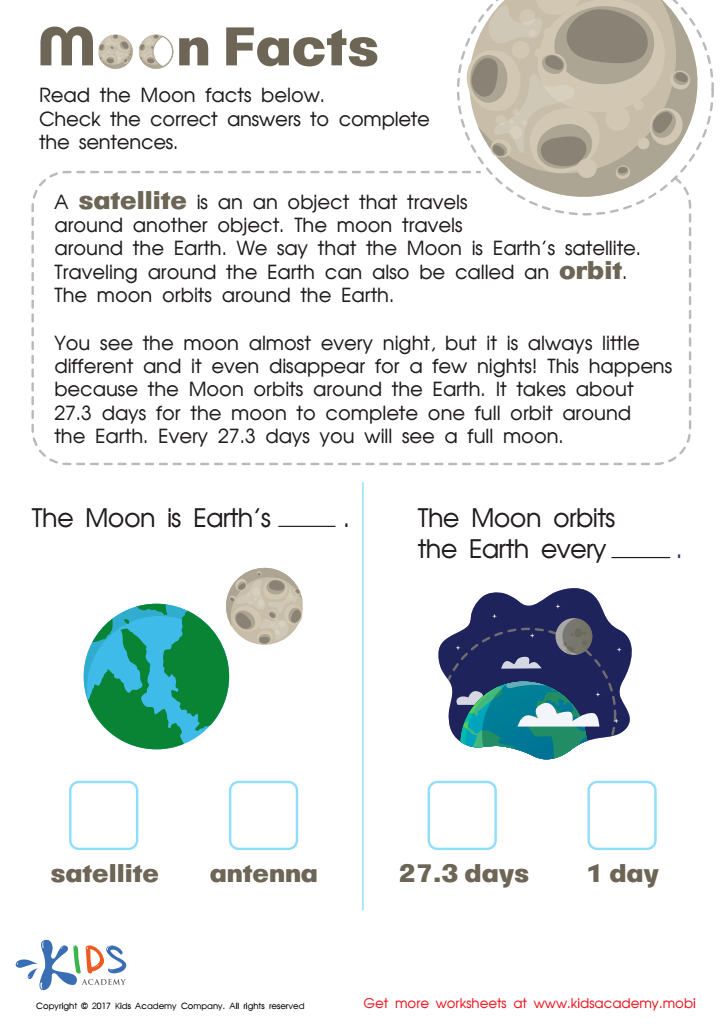
Moon Facts Worksheet
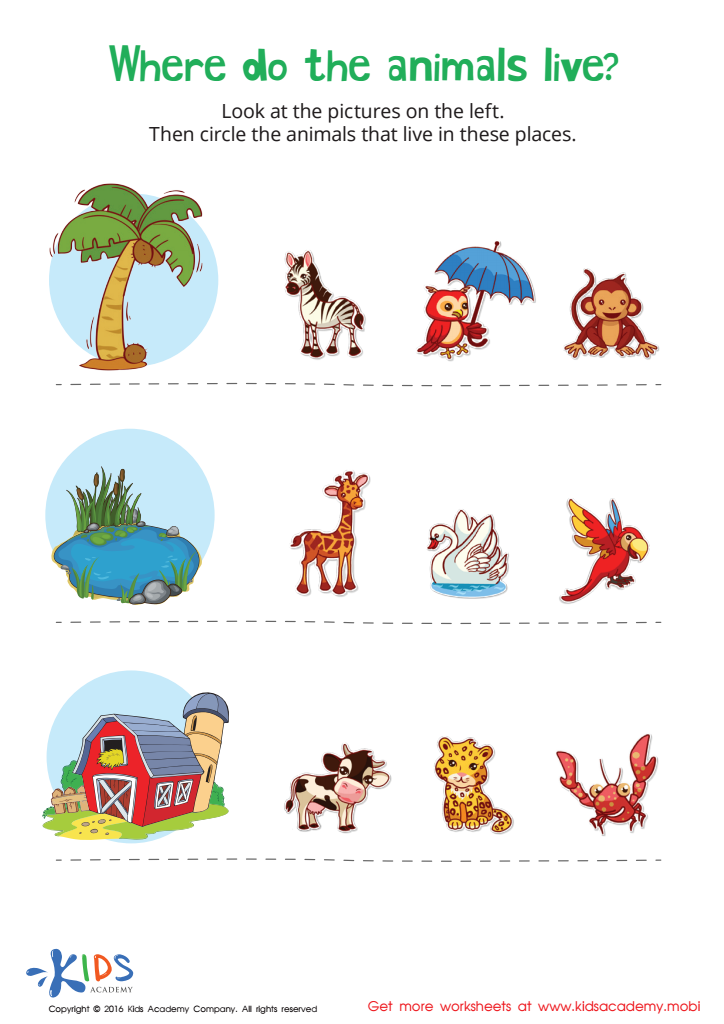
Where Animals Live Worksheet
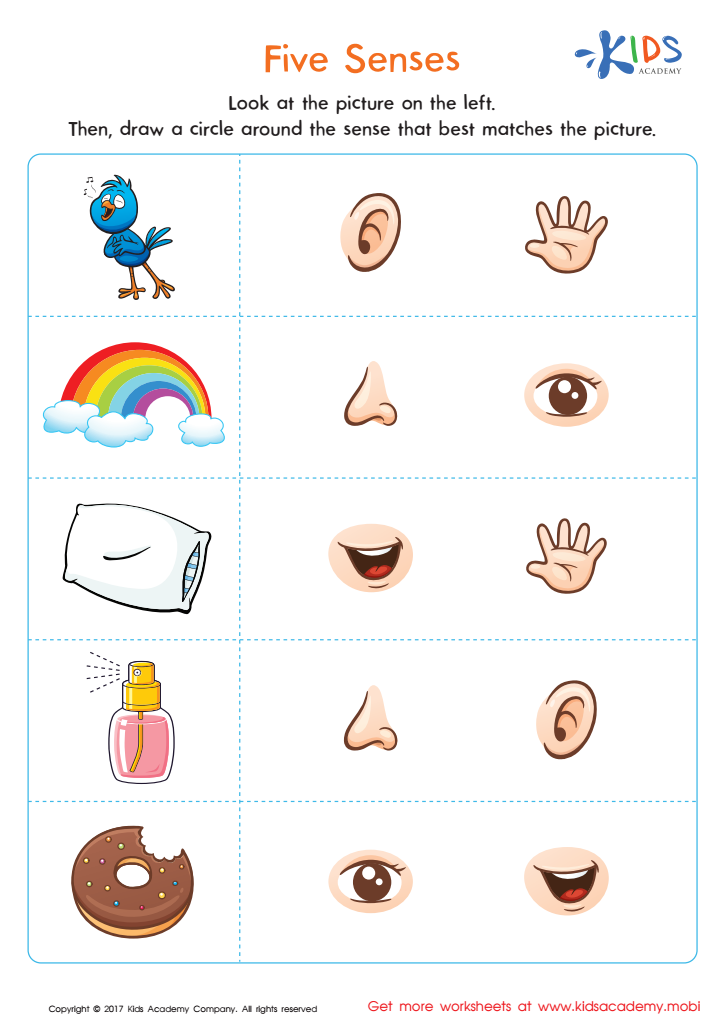
Five Senses Printable






Vocabulary development in early childhood, particularly during the ages of 5-8, is critical for cognitive and academic success. Parents and teachers should care about this aspect of education because a robust vocabulary lays the foundation for reading comprehension and overall communication skills. Research indicates that children with a rich vocabulary tend to perform better in school, as they are more capable of engaging in critical thinking and expressing their ideas clearly.
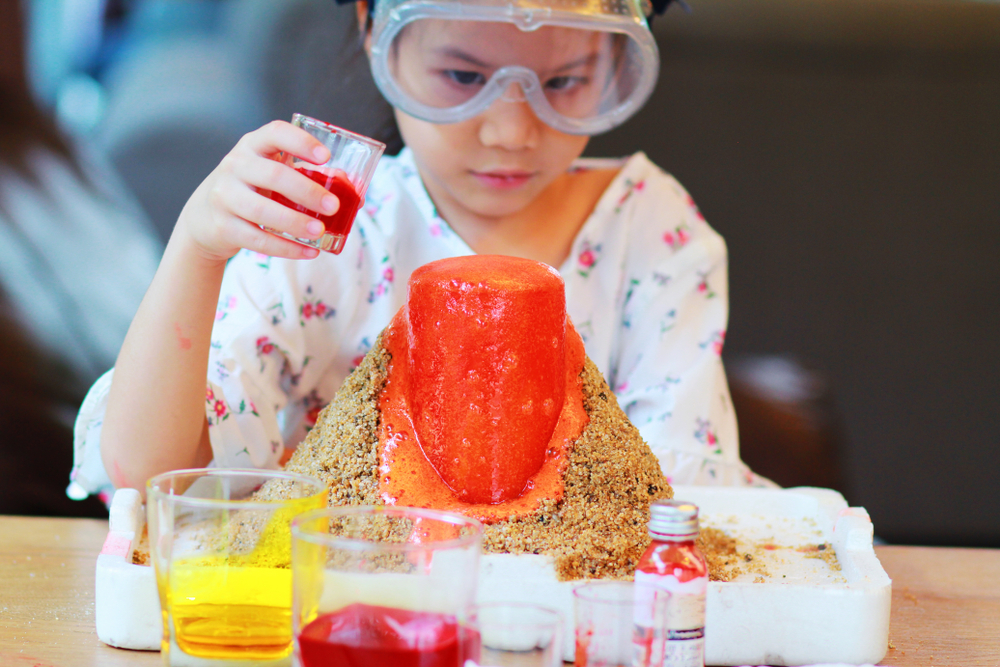
When young learners explore vocabulary related to normal science—a subject encompassing everyday phenomena and basic scientific concepts—they enhance their ability to describe and understand the world around them. This not only ignites curiosity but also fosters scientific literacy, enabling children to formulate questions, draw conclusions, and engage in discussions. Moreover, a strong vocabulary in science helps demystify complex ideas, making learning more accessible and enjoyable.
By focusing on vocabulary development, parents and teachers can effectively cultivate a love for learning that extends beyond the classroom. Encouraging discussions, reading age-appropriate science texts, and integrating science vocabulary into daily conversations can create a stimulating environment that promotes both linguistic skills and scientific exploration. Ultimately, investing in vocabulary development enhances children's abilities to think critically, communicate effectively, and succeed academically.







