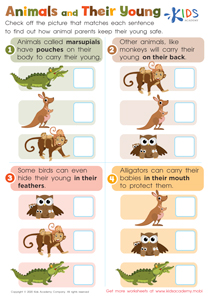
Vocabulary expansion Normal Plants Worksheets for Ages 5-8
3 filtered results
-
From - To
Discover our Vocabulary Expansion Normal Plants Worksheets, specially designed for children ages 5-8. These engaging resources help young learners expand their vocabulary while exploring the fascinating world of plants. Each worksheet features fun and colorful illustrations that capture children's attention and enhance their understanding of key plant-related terms. With activities tailored to different skill levels, your child will enjoy learning about the parts of plants, their functions, and the importance of plants in our environment. Perfect for at-home learning or classroom use, our worksheets make vocabulary building exciting and approachable, nurturing a lifelong love for science and language.
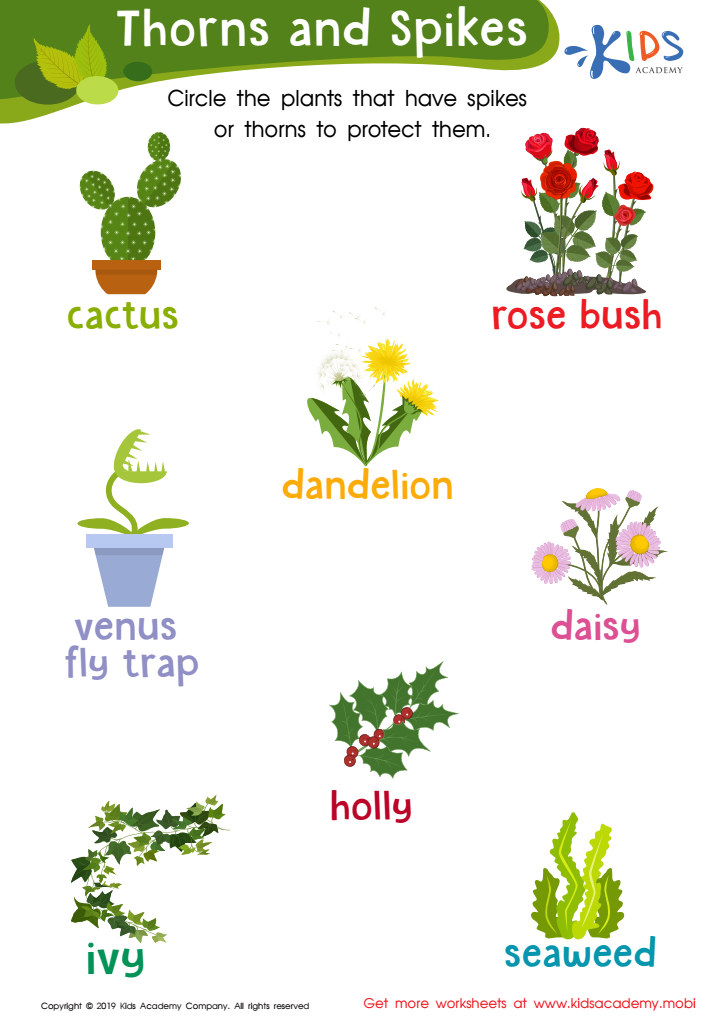
Thorns and Spikes Worksheet
 Assign to My Students

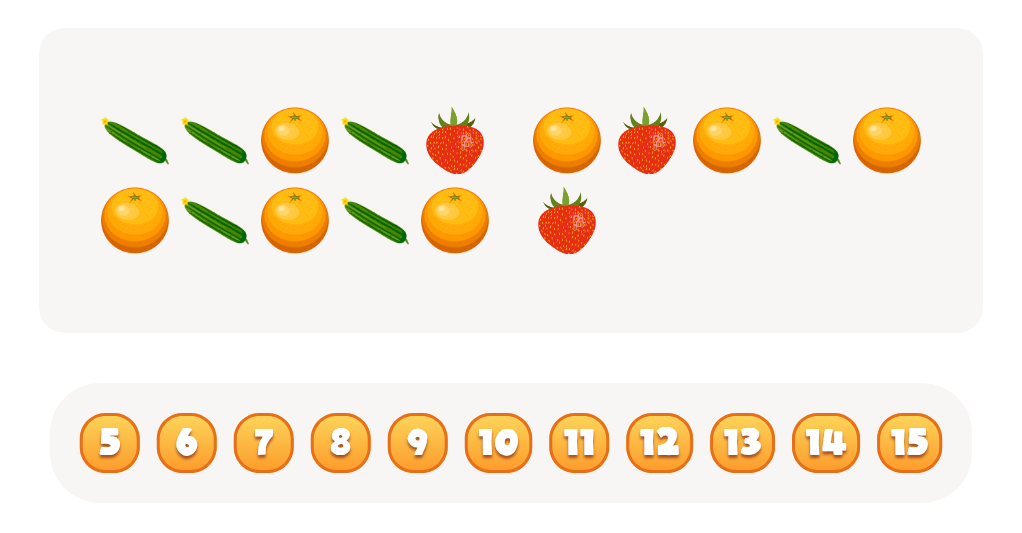



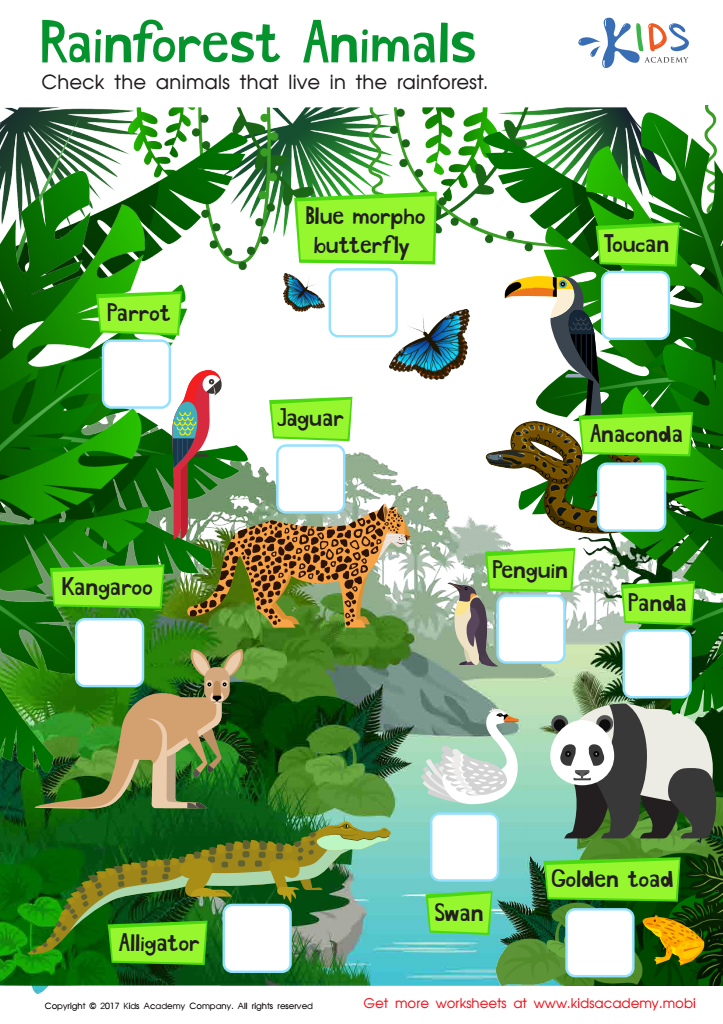
Rainforest Animals Worksheet
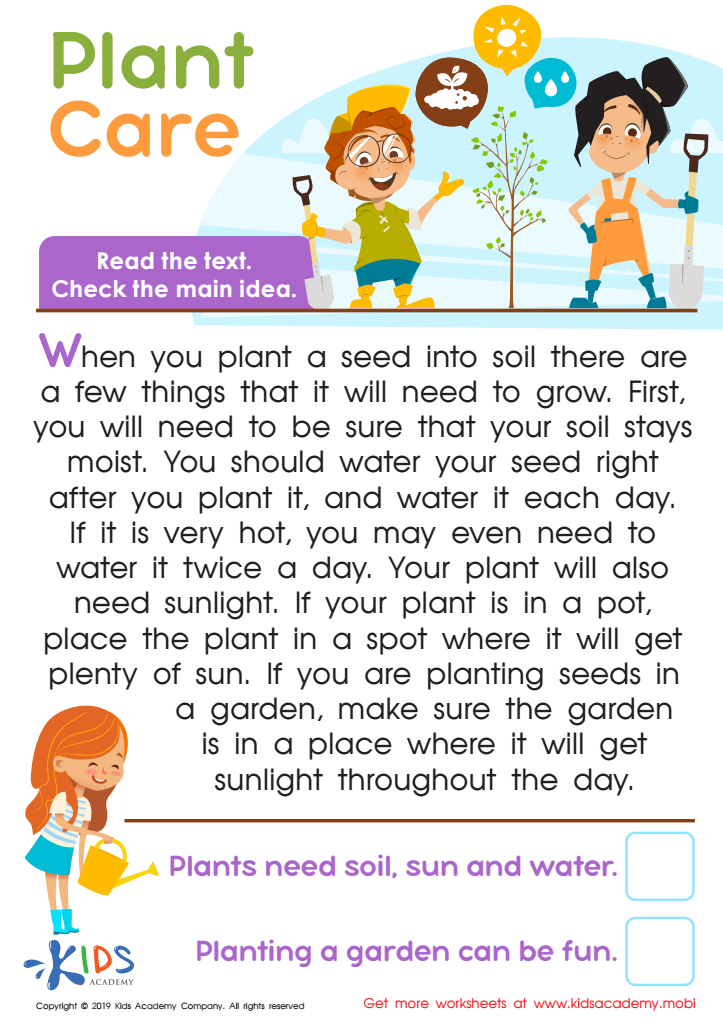
Plant Care Worksheet








Vocabulary expansion in early learners, particularly regarding concepts like normal plants, is crucial for several reasons. Firstly, a rich vocabulary enhances comprehension skills, helping children understand and articulate complex ideas about their environment, such as plant structures and functions. When students learn specific terminology associated with normal plants—like "roots," "leaves," and "photosynthesis"—they develop a stronger foundational knowledge of science that can be built upon in later grades.
Secondly, understanding plant vocabulary fosters a sense of wonder and curiosity about nature. When children can describe and categorize plants, they are more likely to engage in exploratory activities outdoors, cultivating a lifelong love for science and the environment.
Additionally, vocabulary expansion enhances communication skills. Children learn to express their observations and questions more precisely, leading to enriched classroom discussions and collaborative learning.
Finally, incorporating plant vocabulary ensures inclusivity in learning, as children share connections with their backgrounds and experiences related to gardening or nature. Therefore, both teachers and parents should actively support vocabulary growth related to normal plants, solidifying early literacy, scientific thinking, and an enthusiastic attitude toward learning. Exploring this topic can significantly impact children’s academic journey and personal development.