Vocabulary enhancement Normal History Worksheets for Ages 5-8
3 filtered results
-
From - To
Introducing our engaging "Vocabulary Enhancement Normal History Worksheets," meticulously designed for children aged 5-8. These worksheets seamlessly blend fun and education, helping young learners build a strong historical vocabulary foundation while enhancing their understanding of key social studies concepts. Featuring vivid illustrations and interactive activities, each worksheet encourages curiosity and promotes vocabulary development in the context of historical events and figures. Perfect for classroom and home use, these resources support early learning by combining comprehensive vocabulary exercises with fascinating historical content, ensuring your child progresses with confidence and enthusiasm. Unlock the world of history through enriched vocabulary today!
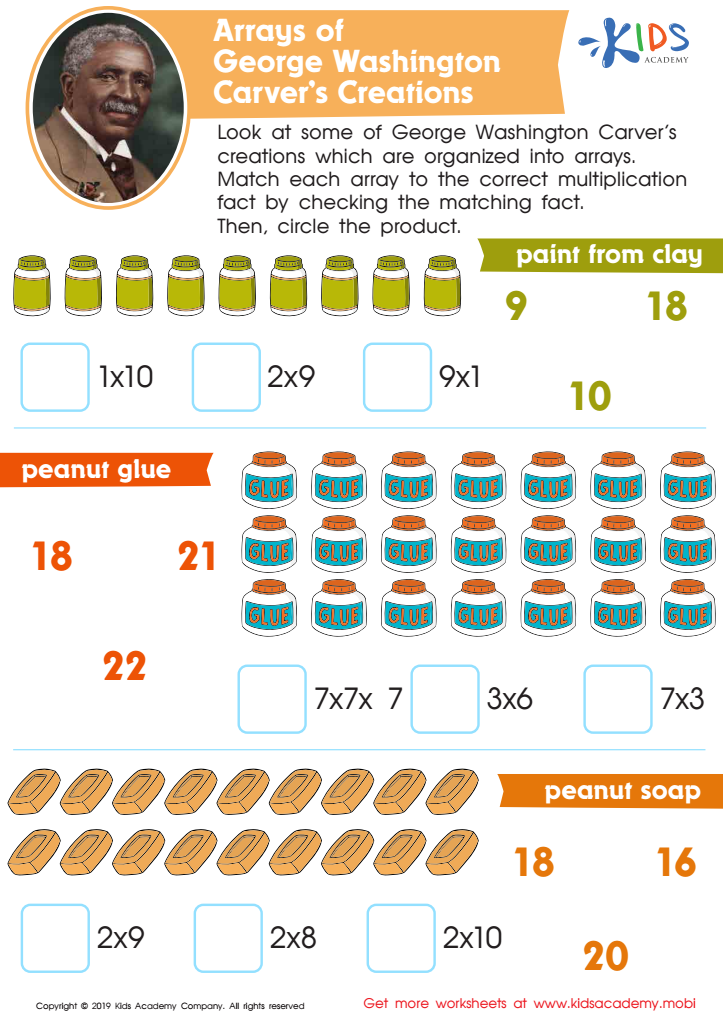
Arrays of George Washington Carver’s Creations Worksheet
 Assign to My Students

Thanksgiving Holiday Printable
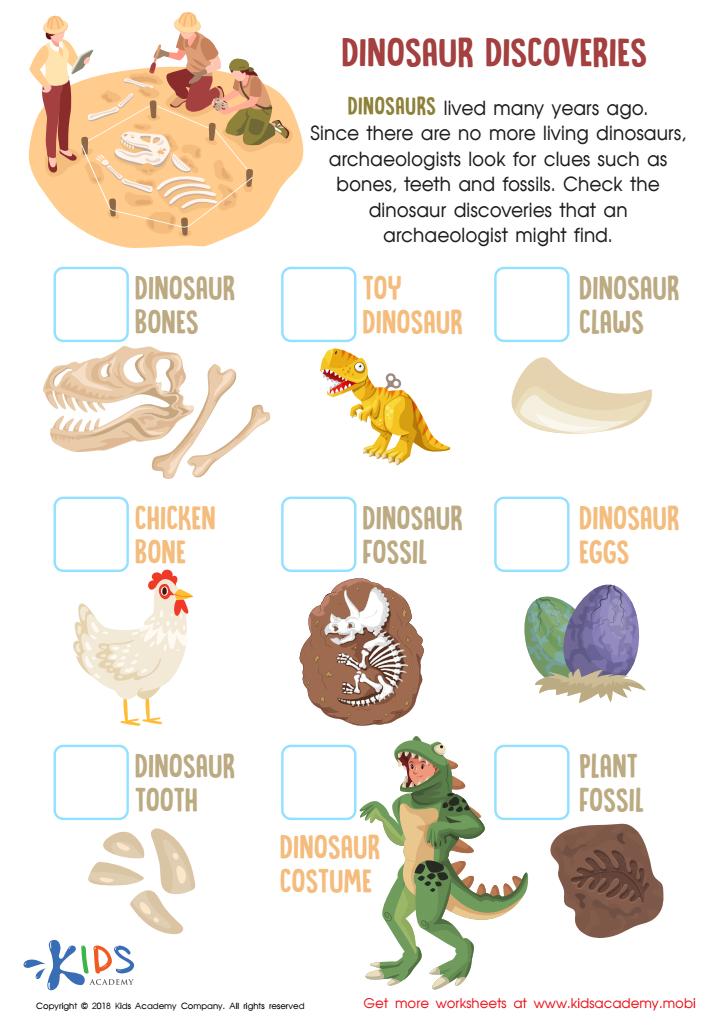
Dinosaur Discoveries Worksheet








Vocabulary enhancement is crucial for children ages 5-8 due to its profound impact on their overall development and academic success. At this age, children's brains are highly receptive to language acquisition, making it the perfect time to build a robust vocabulary. A strong vocabulary not only aids in reading and comprehension skills but also enhances communication abilities, allowing children to express their thoughts, emotions, and needs more effectively.
Moreover, a rich vocabulary serves as a solid foundation for future learning. When children understand and can use a wide range of words, they are better equipped to engage with and grasp various subjects, from mathematics to science and social studies. This comprehensive understanding fosters a love for learning and can lead to improved academic performance.
Additionally, vocabulary growth supports social development. Children who can articulate their ideas clearly are more likely to participate in discussions, build friendships, and navigate social situations with confidence. This emotional intelligence enhances their ability to cooperate and collaborate with peers, skills that are valuable throughout life.
Parents and teachers play a critical role in this process. Through reading, engaging conversations, and interactive activities that introduce new words in context, they can significantly influence a child’s language development, setting them up for a lifetime of success and meaningful communication.








