Vocabulary expansion Normal History Worksheets for Ages 5-8
5 filtered results
-
From - To
Discover our engaging Vocabulary Expansion Normal History Worksheets, specially designed for children ages 5-8. These worksheets aim to enhance young learners' vocabulary while introducing them to essential historical concepts and figures. Each activity is crafted to spark curiosity and facilitate understanding of significant past events in a fun and interactive way. From matching exercises to fill-in-the-blanks, these resources make learning about history enjoyable. Foster a lifelong love for learning as your child develops vital language skills and historical knowledge, all while engaging with beautifully illustrated materials that captivate their imagination. Ideal for home or classroom use!
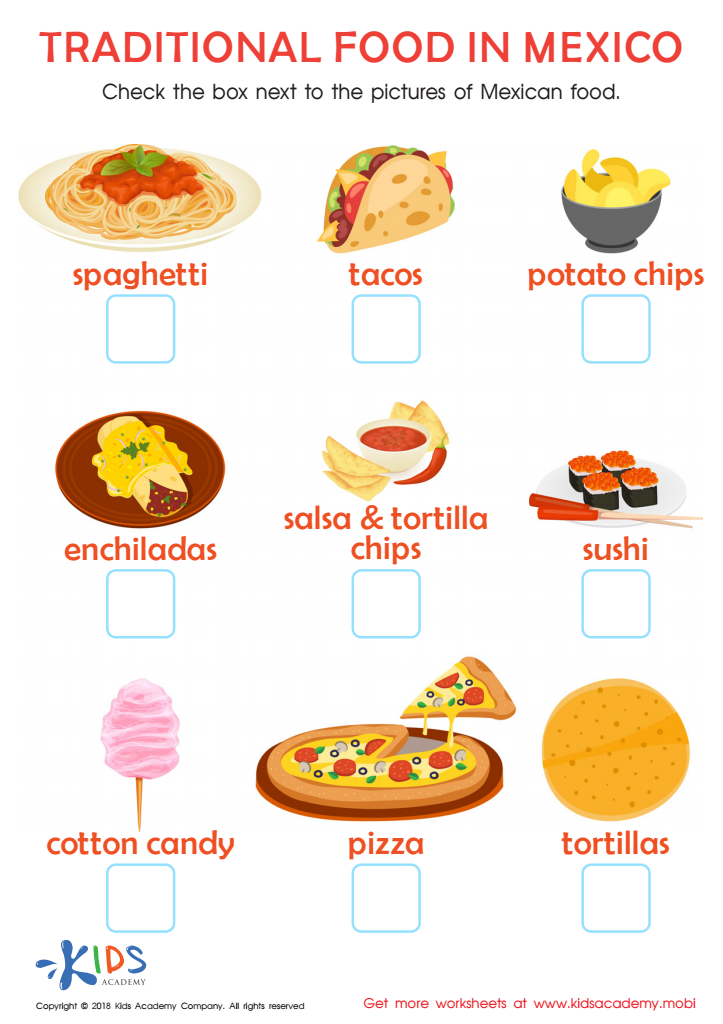
Traditional Food in Mexico Worksheet
 Assign to My Students
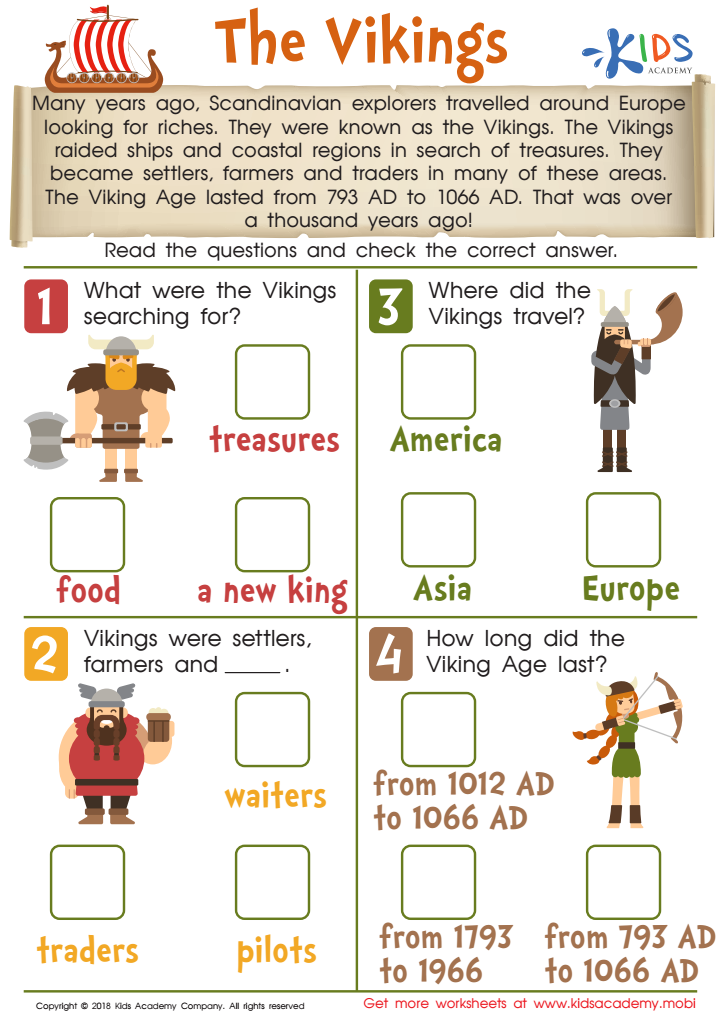
The Vikings Worksheet
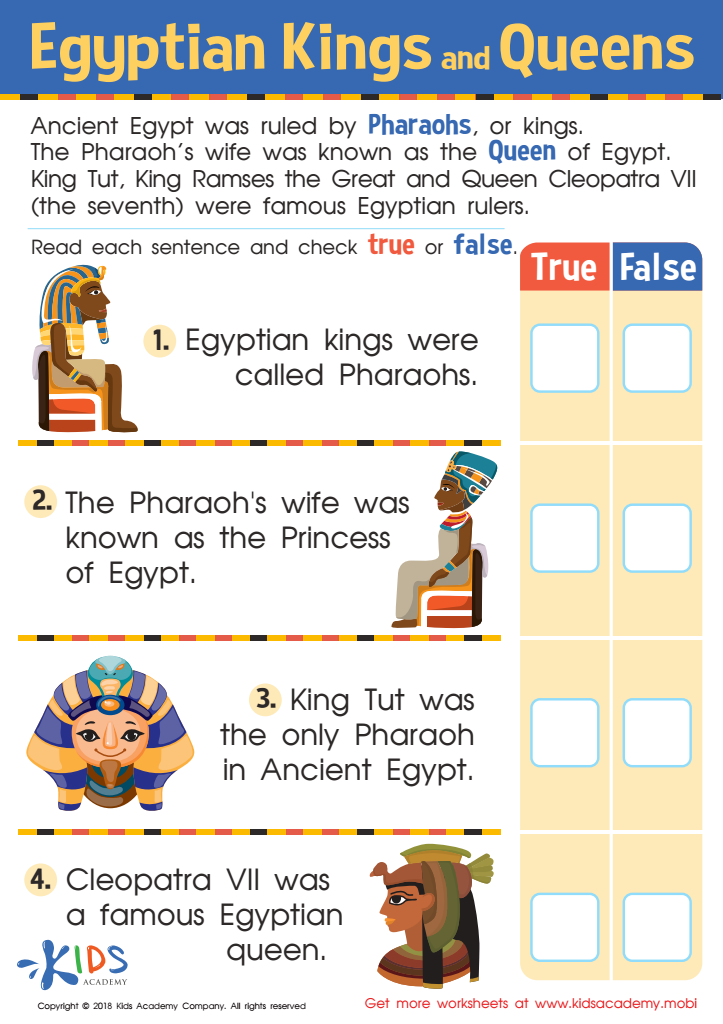
Egyptian Kings and Queens Worksheet
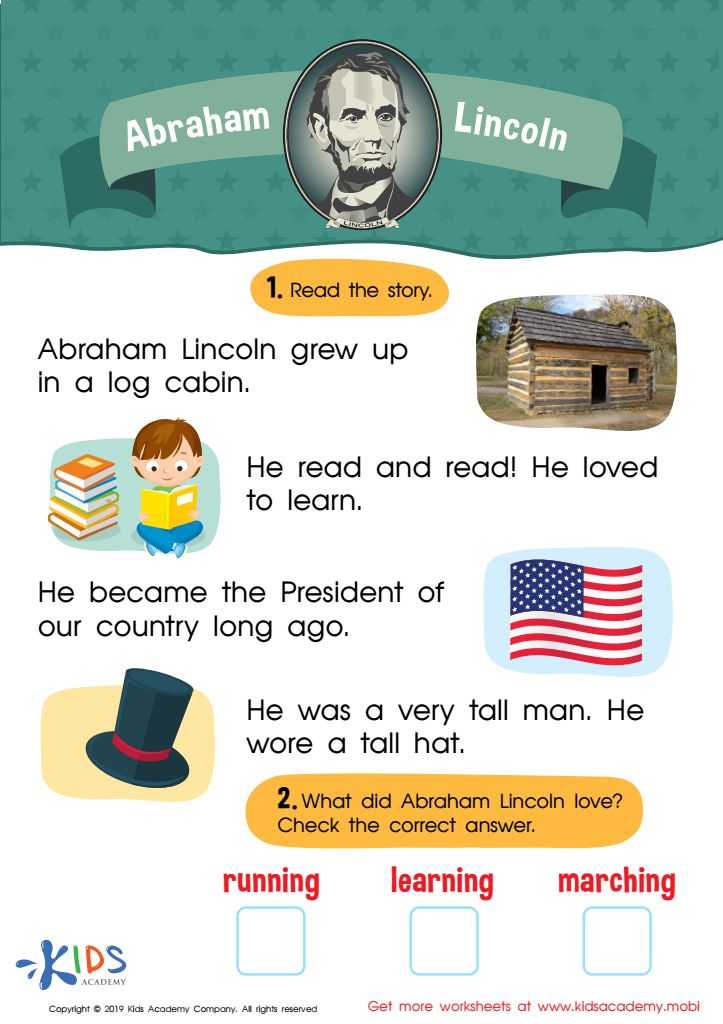
Abraham Lincoln Worksheet
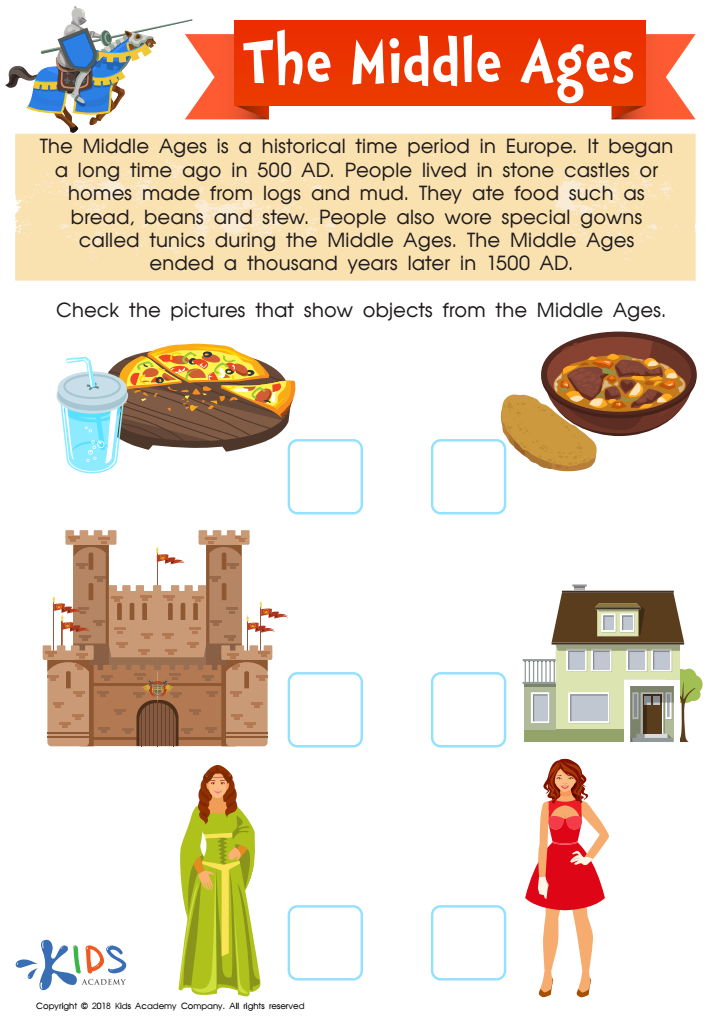
The Middle Ages Worksheet








Vocabulary expansion, especially through historical contexts, is crucial for children aged 5-8. At this formative stage, children's brains are exceptionally receptive to new information and language. Introducing vocabulary related to history helps foster a sense of identity and understanding of the world around them. It empowers children to grasp complex concepts and engage with their culture and heritage from an early age.
When teachers and parents emphasize vocabulary related to history, they not only enhance children's language skills but also promote critical thinking. Words and their meanings come alive when linked to stories of the past, enriching comprehension and making learning more relatable and memorable. For instance, terms related to democracy, community, or important historical figures can spark curiosity and encourage thoughtful discussions.
Moreover, a robust vocabulary aids in academic success across subjects. Children proficient in various words can express themselves clearly, fostering better communication skills. These skills are not only vital for schooling but also for social development, helping children articulate their feelings and ideas effectively. Ultimately, engaging young learners with a rich vocabulary rooted in normal history sets a solid foundation for lifelong learning.