Understanding history Normal Social Studies Worksheets for Ages 5-8
7 filtered results
-
From - To
Explore our "Understanding History" Normal Social Studies Worksheets, expertly designed for children ages 5-8. These engaging worksheets introduce young learners to the fascinating world of history, helping them grasp fundamental concepts and timelines. With age-appropriate activities, such as tracing historical figures and comparing past and present lifestyles, students will cultivate critical thinking and comprehension skills. Our resources encourage curiosity and make learning fun through colorful illustrations and interactive tasks. Perfect for classroom use or at-home learning, these worksheets will inspire a love for history in early learners while aligning with educational standards. Start your child’s history journey today!
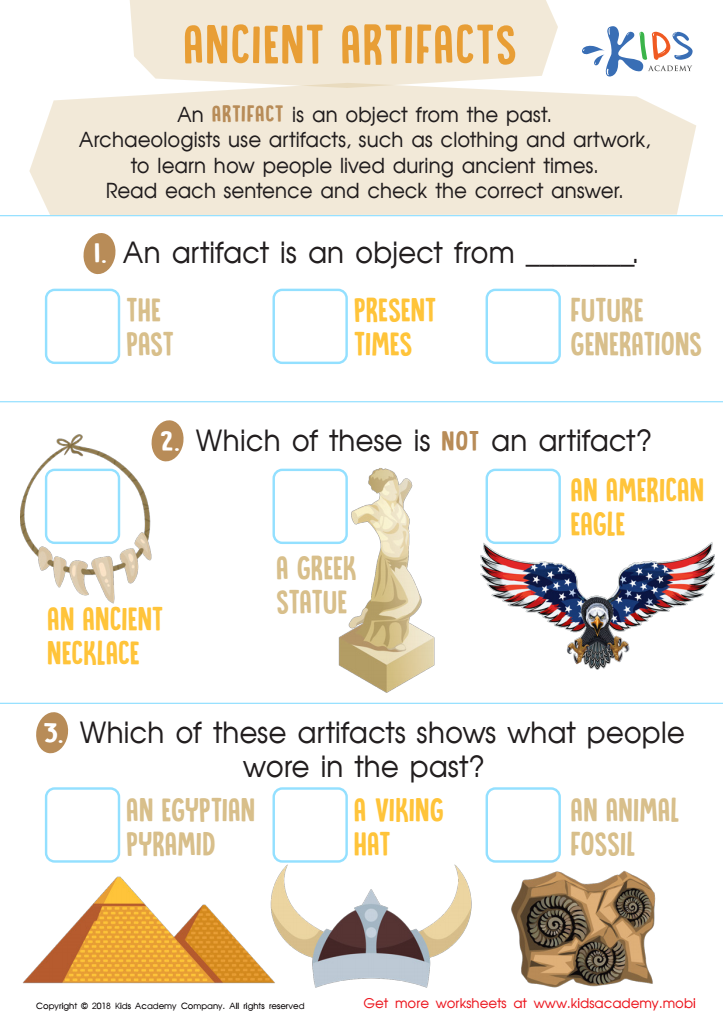
Ancient Artifacts Worksheet
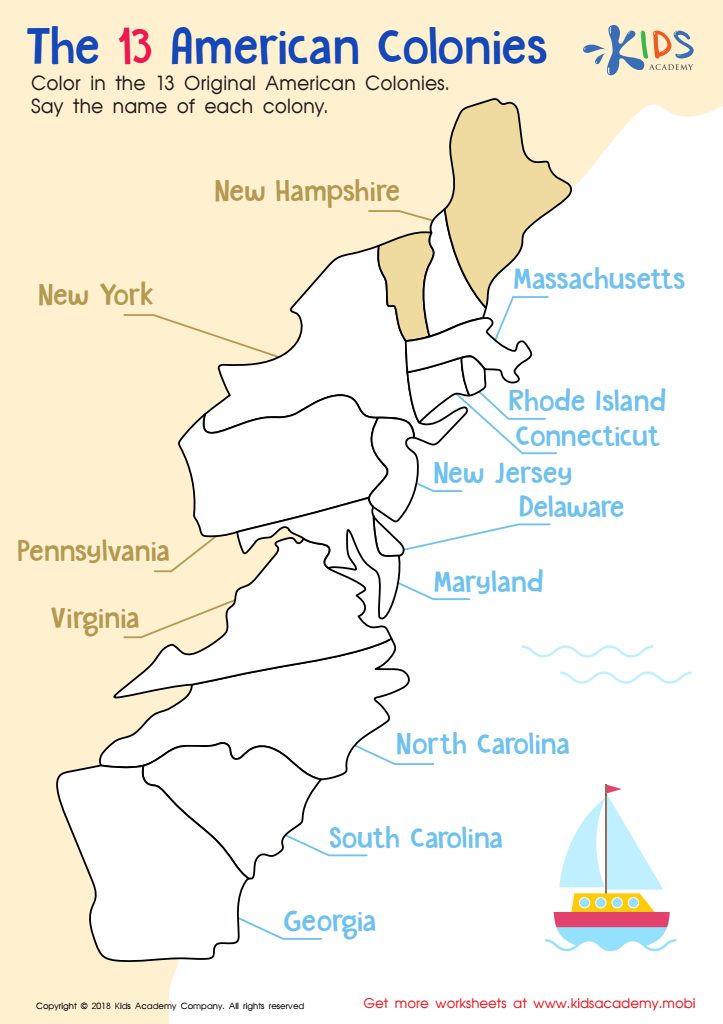
The 13 American Colonies Worksheet
 Assign to My Students
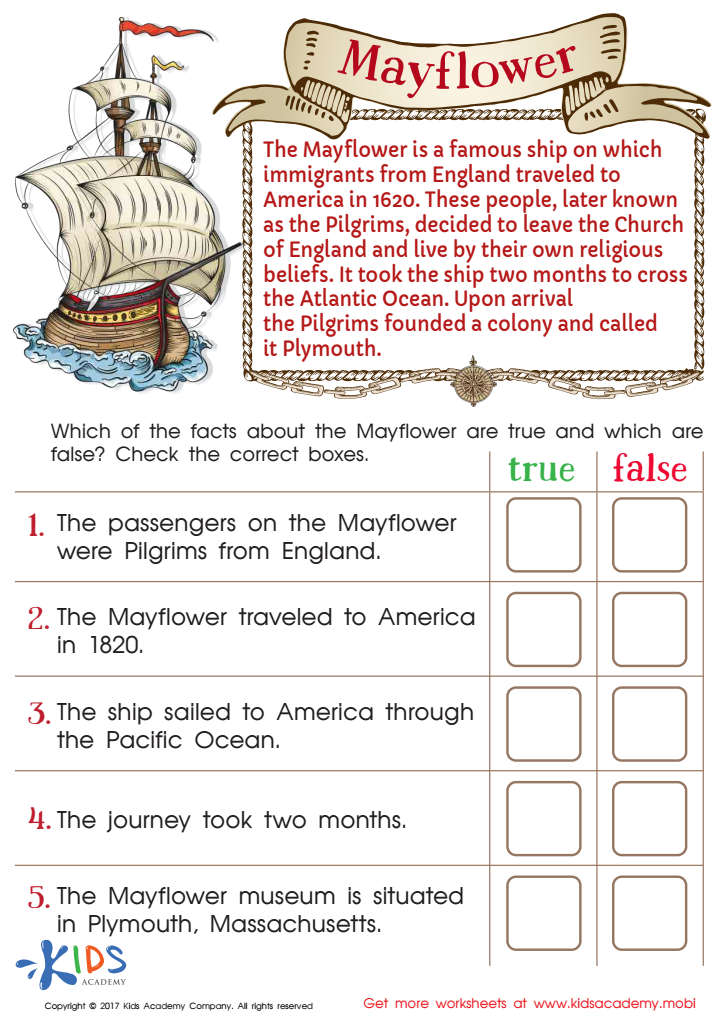
Free Mayflower Worksheet
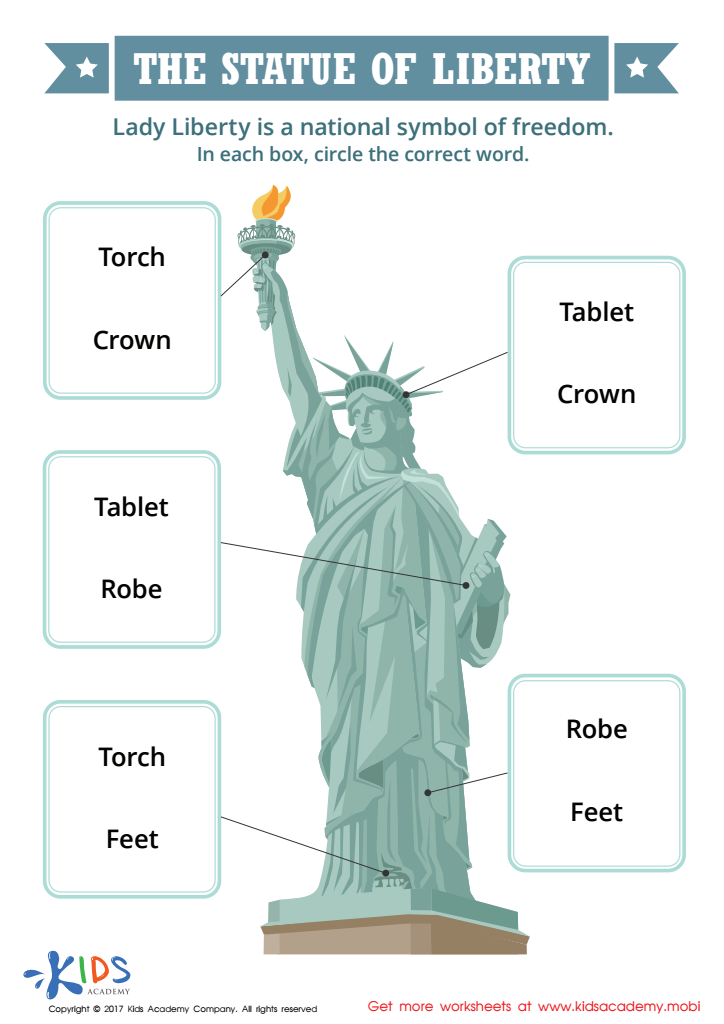
The Statue of Liberty Printable
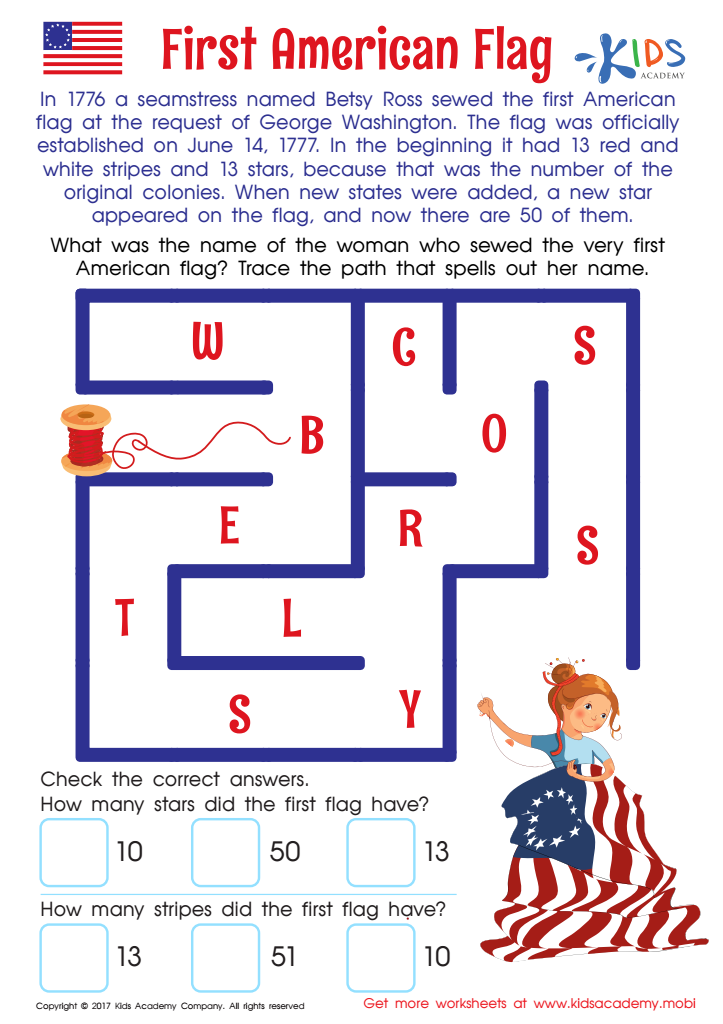
First American Flag Worksheet
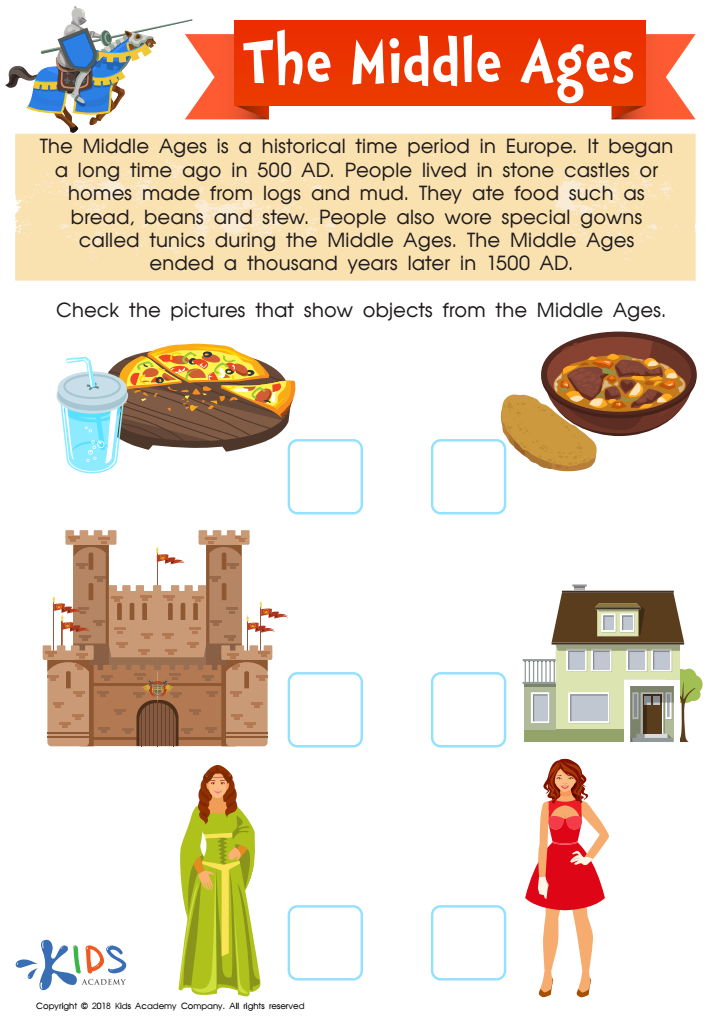
The Middle Ages Worksheet
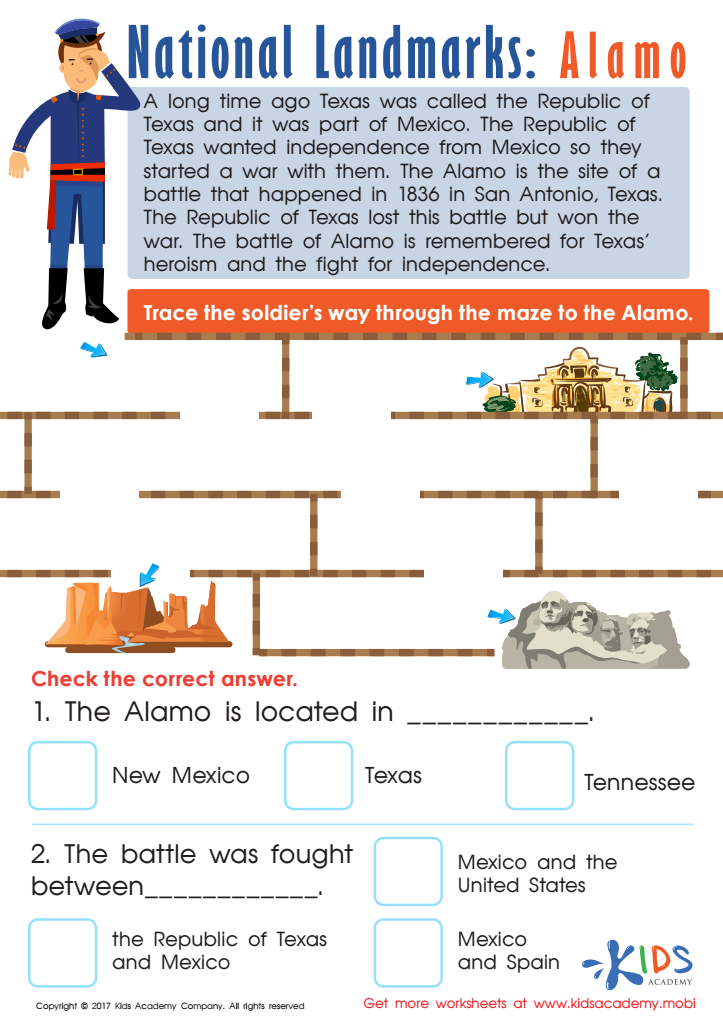
Alamo Printable Worksheet





.jpg)


Understanding history and social studies is crucial for children aged 5-8, as it lays the foundation for their sense of identity and belonging within the world. At this early stage, children begin to grasp concepts like community, culture, and events that shape society. Teachers and parents should recognize that engaging kids with history promotes critical thinking and empathy. By learning about diverse cultures and historical events, children develop an understanding of differences and similarities among people, fostering respect and inclusion.
Moreover, introducing young learners to history helps them build a narrative of their environment. It allows them to connect with their heritage and the experiences of those around them. Storytelling—an effective teaching tool at this age—can ignite curiosity and inspire further exploration. When children are able to relate to historical figures or events, they become active participants in their learning journey.
Lastly, a strong foundation in social studies supports other academic areas, enhancing literacy and comprehension skills. Students who engage in social studies from a young age are better equipped to understand the complexities of the world as they grow. Thus, igniting a passion for history and social studies during these formative years is essential for fostering informed, compassionate future citizens.








