Vocabulary Building Normal Social Studies Worksheets for Ages 5-8
9 filtered results
-
From - To
Enhance your child's social studies knowledge with our engaging vocabulary building worksheets designed specifically for ages 5-8. These worksheets provide a fun, interactive way for young learners to expand their vocabulary while exploring essential social studies concepts. Each activity encourages students to connect words to their meanings, helping them develop critical thinking skills and a deeper understanding of their world. With colorful illustrations and age-appropriate vocabulary, these worksheets make learning enjoyable and effective. Perfect for classroom use or at-home study, our resources are tailored to support early education and foster a love for learning in young minds. Start building vocabulary today!
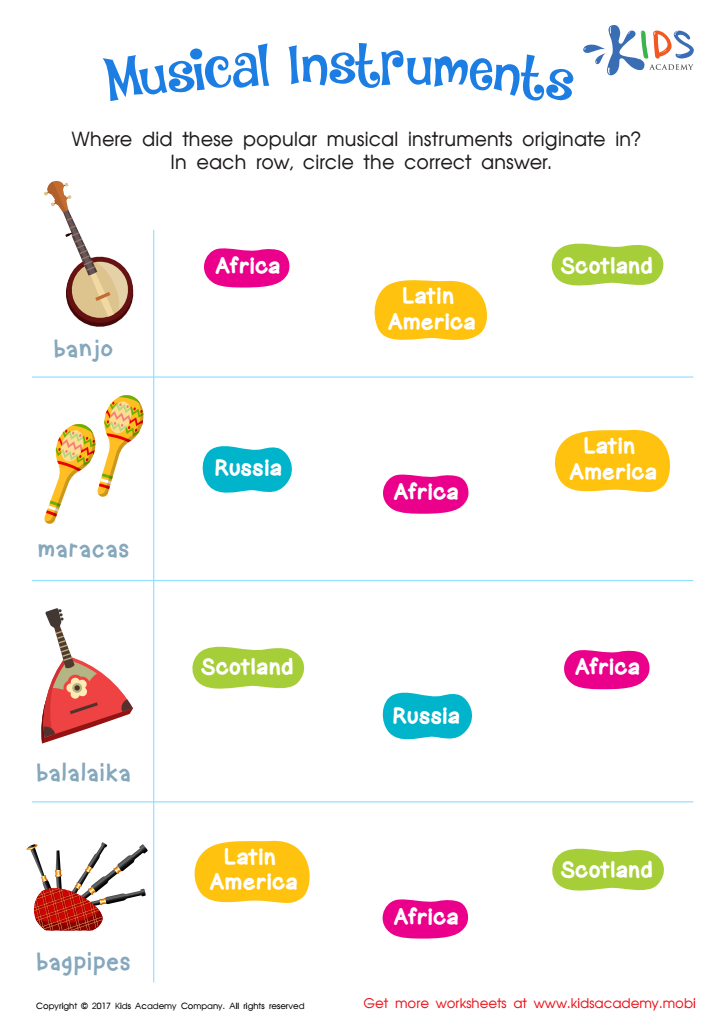
Musical Instruments Printable
 Assign to My Students
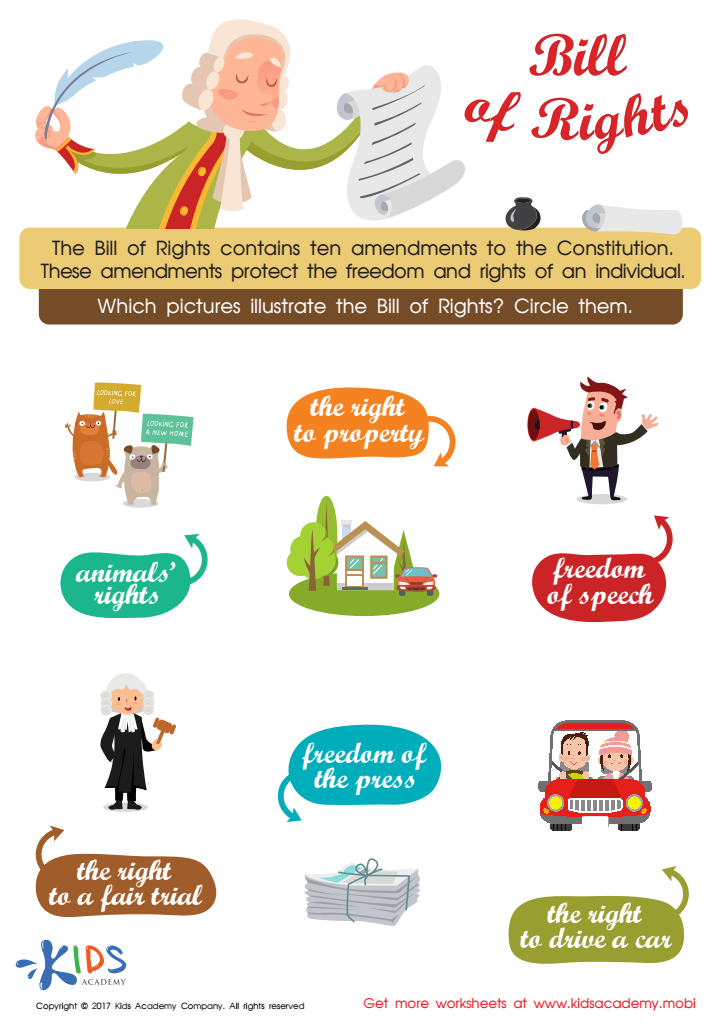
Bill of Rights Worksheet
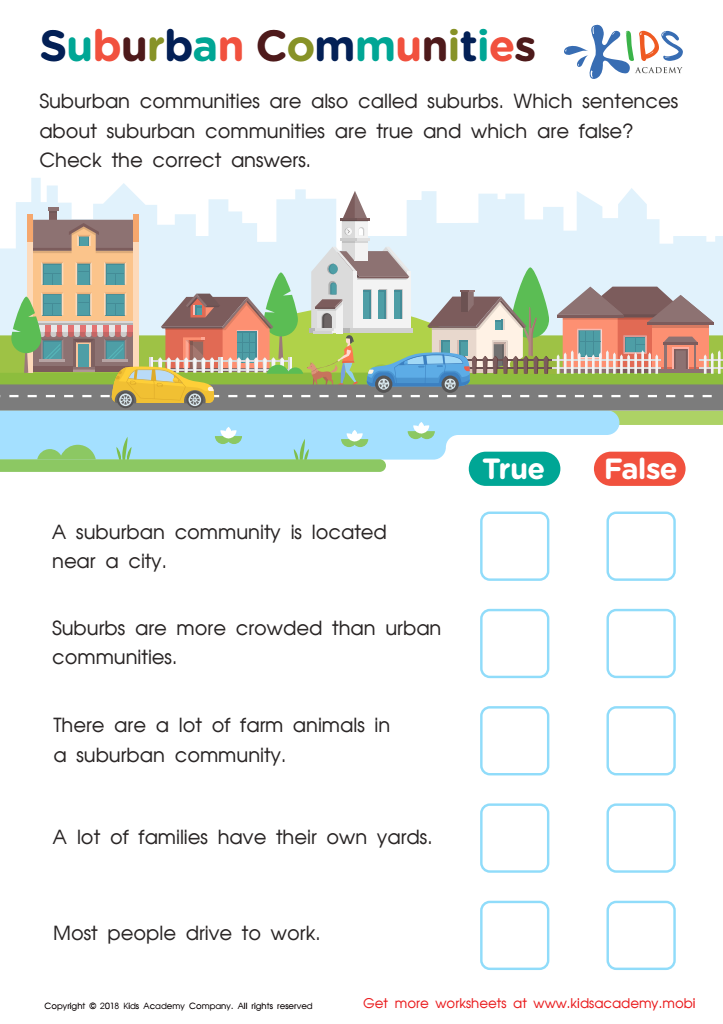
Suburban Communities Worksheet
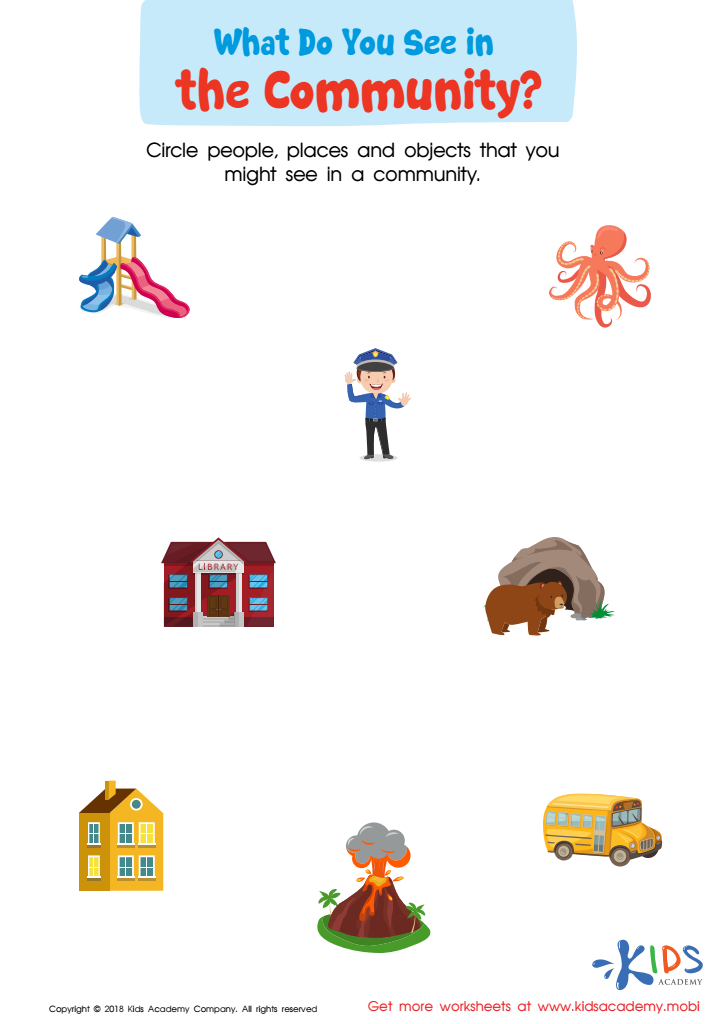
What Do You See in the Community Worksheet
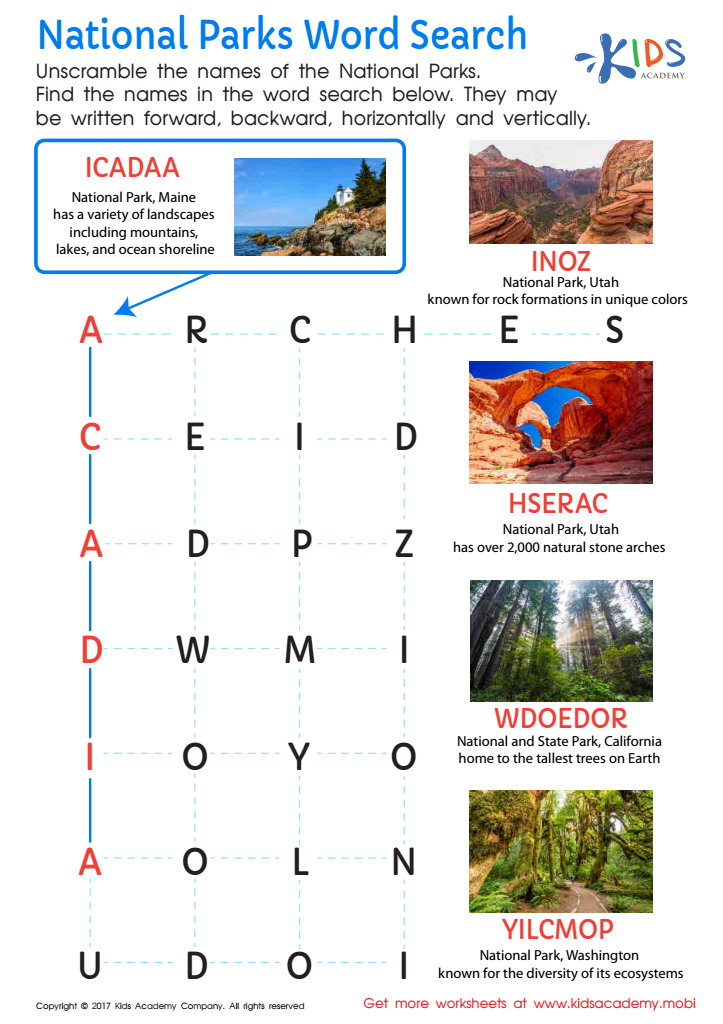
National Parks Word Search Worksheet
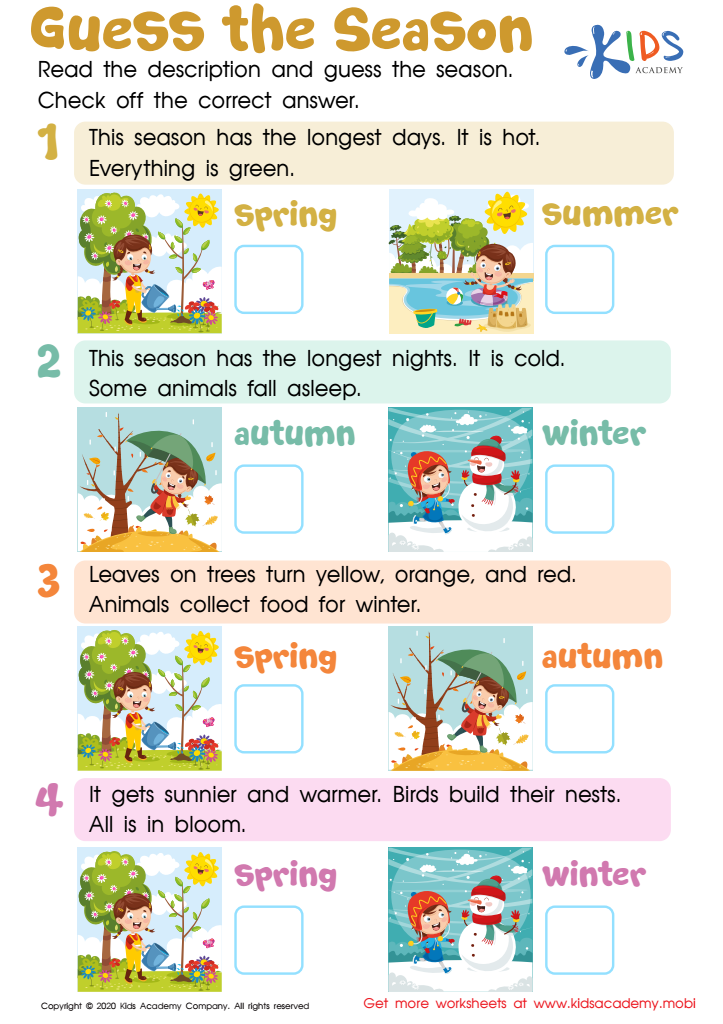
Guess the Season Worksheet

What Do you See at the Library? Worksheet
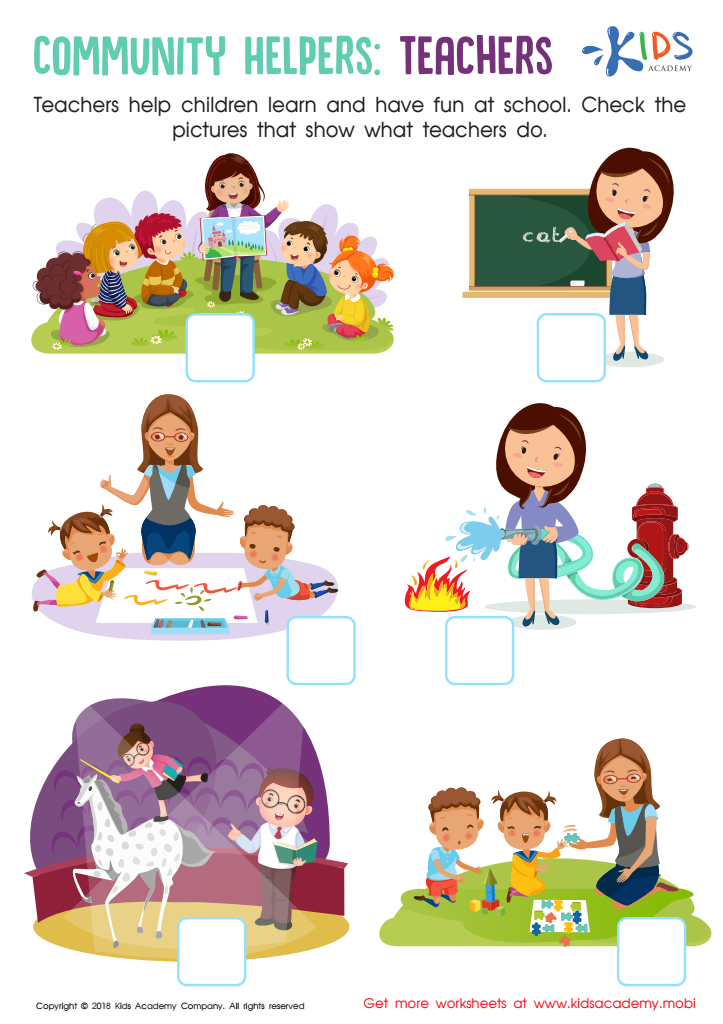
Teachers Community Helpers Worksheet
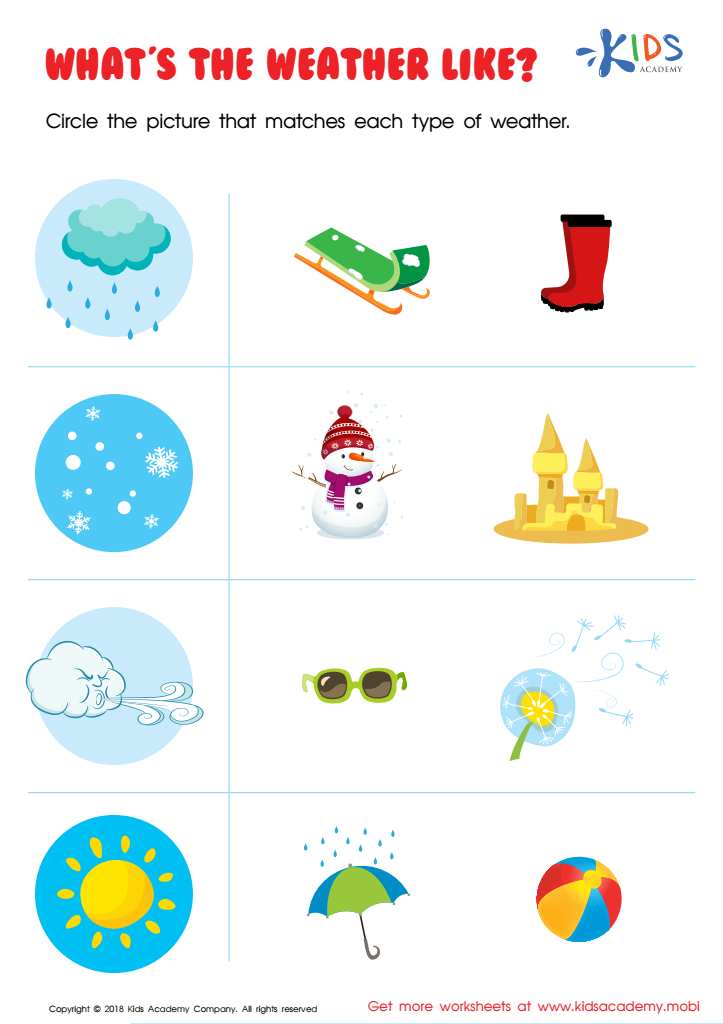
What's the Weather Like? Worksheet








Vocabulary building in social studies for children aged 5-8 is crucial for several reasons. At this developmental stage, children are beginning to understand their surroundings and form connections between the concepts they learn and the world they live in. A rich vocabulary enhances their comprehension of social studies topics, like community, culture, and geography, allowing them to engage more deeply with the material.
Furthermore, the language of social studies often includes specific terms that describe complex concepts. When parents and teachers encourage vocabulary development, they equip children with the linguistic tools necessary to express their thoughts, navigate social interactions, and participate in discussions about their communities and history.
Enhancing vocabulary also fosters critical thinking skills; children learn to ask questions, make connections, and analyze information. This solid foundation boosts confidence and prepares them for advanced learning in later years, laying the groundwork for informed and responsible citizenship. In turn, a strong vocabulary enhances reading comprehension, which is vital across all subjects. Parents and teachers play a pivotal role in providing engaging experiences and resources to nurture this growth—through storytelling, introduce new words, and discussions about diverse cultures and communities. This contributes significantly to children’s overall academic success and social development.