Word identification Normal Grammar Worksheets for Ages 5-8
5 filtered results
-
From - To
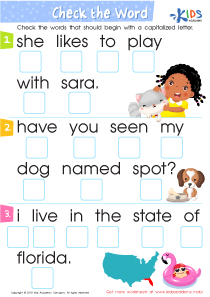
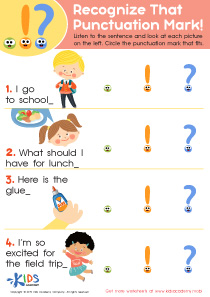
Enhance your child's literacy skills with our Word Identification Normal Grammar Worksheets designed specifically for ages 5-8! These engaging worksheets encourage young learners to recognize and understand words, honing their language abilities in a fun and interactive way. Each activity promotes vocabulary development, boosts comprehension, and nurtures critical thinking. With colorful graphics and age-appropriate challenges, these worksheets make learning enjoyable and effective. Parents and teachers will appreciate the clear instructions and varied exercises that cater to different learning styles. Unlock your child's potential and make word identification a delightful experience today! Explore our collection and watch your child's confidence grow!
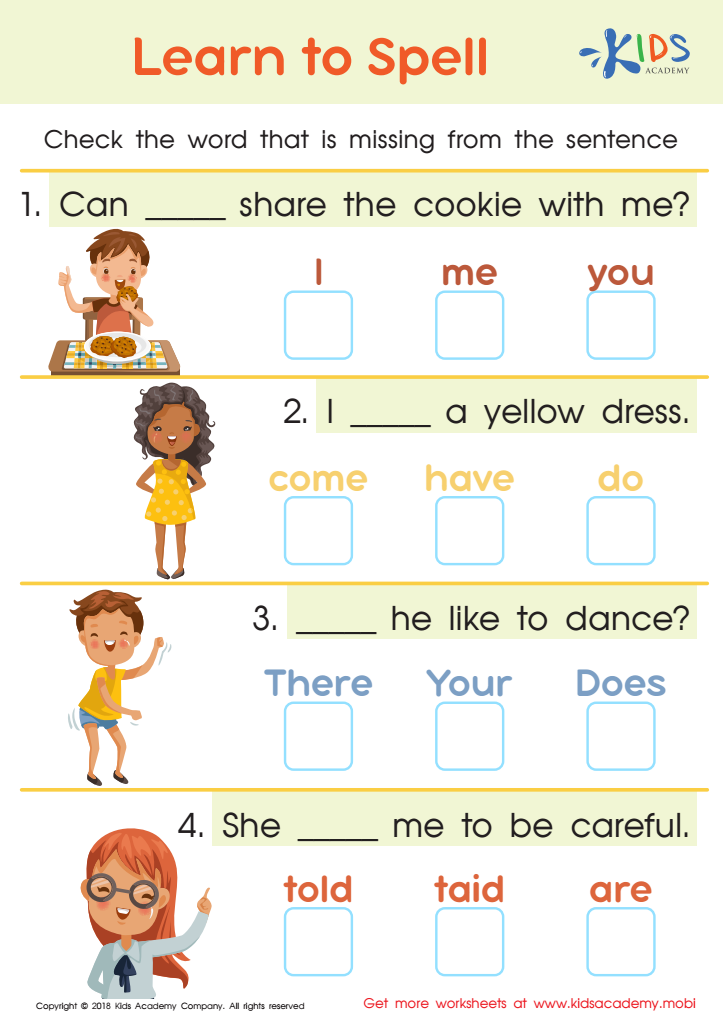
Learn to Spell Worksheet
 Assign to My Students
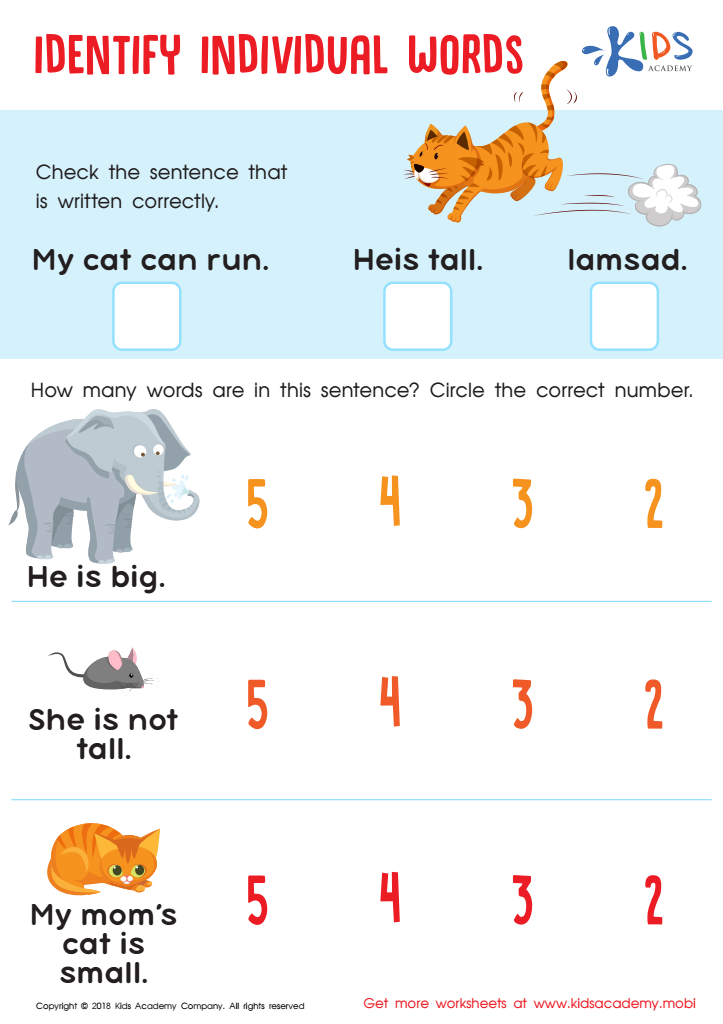
Identify Individual Words Worksheet
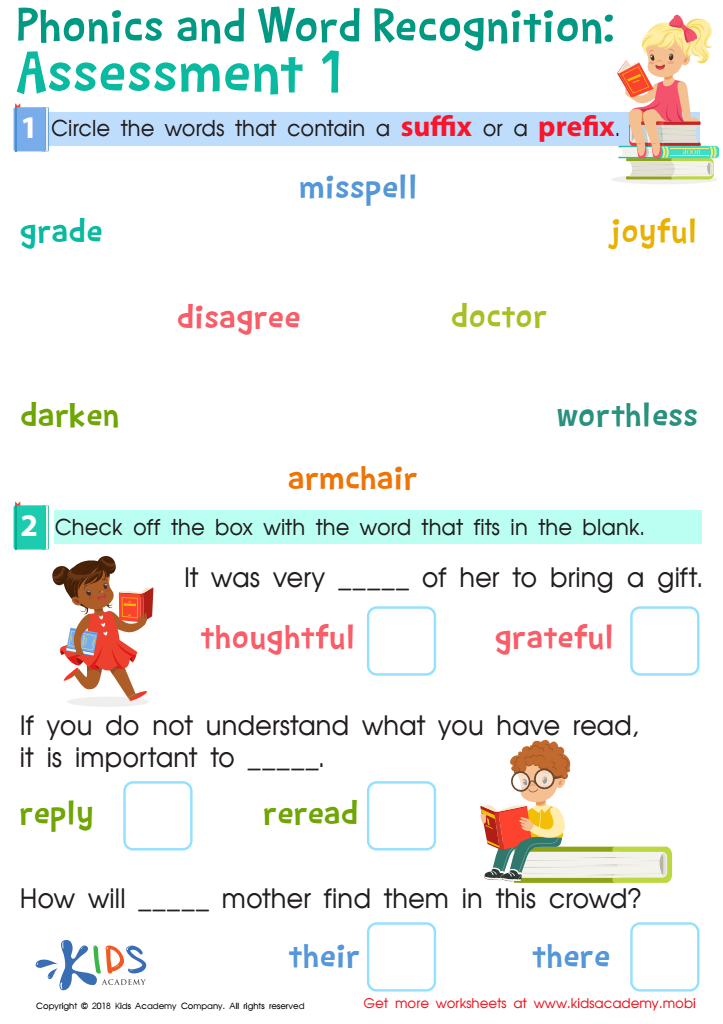
Phonics and Word Recognition: Assessment 1 Worksheet
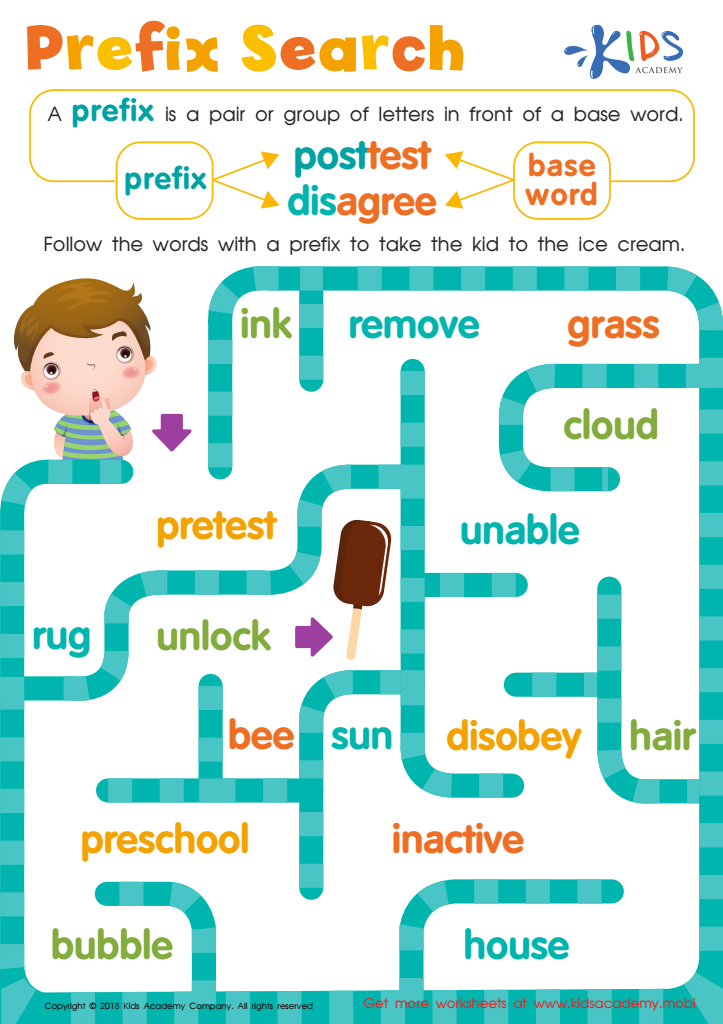
Reading: Prefix Search Worksheet
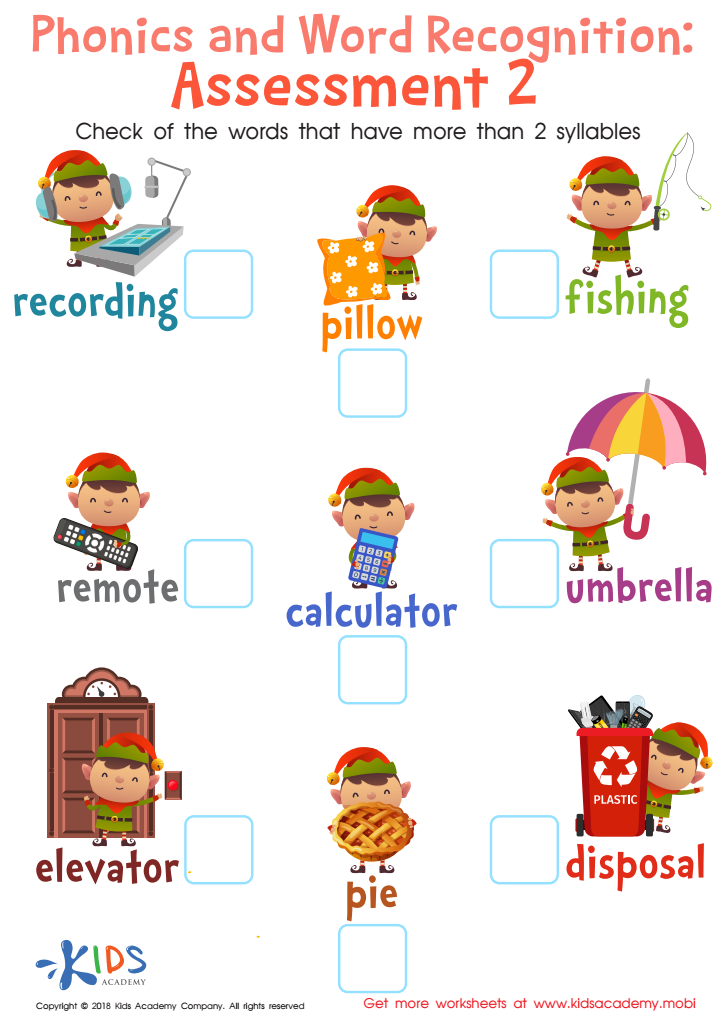
Phonics and Word Recognition: Assessment 2 Worksheet







Word identification is a crucial skill for children aged 5-8, forming the foundation for reading and overall literacy development. For parents and teachers, fostering this skill is essential to ensure that children can recognize, decode, and understand words effectively. Strong word identification skills not only boost reading fluency but also enhance comprehension, allowing children to engage with texts deeply and meaningfully.
When children can identify words quickly and accurately, they are more likely to develop a love for reading, which is vital for lifelong learning. By focusing on normal grammar, teachers and parents can guide children to understand the structure and function of sentences, helping them make sense of the language they encounter daily. Additionally, integrating word identification strategies in both classroom and home settings nurtures a supportive learning environment.
Moreover, strong reading skills lay the groundwork for academic success across subjects. Early literacy is linked to improved performance in subjects like math and science, as reading comprehension is essential for following instructions and grasping concepts. Investing time and resources into developing word identification skills in young learners pays dividends, as it empowers them to navigate educational challenges with confidence and curiosity. In summary, prioritizing word identification and understanding of normal grammar is essential for unlocking children’s full potential.