Spelling practice Normal Writing Worksheets for Ages 5-8 - Page 2
39 filtered results
-
From - To
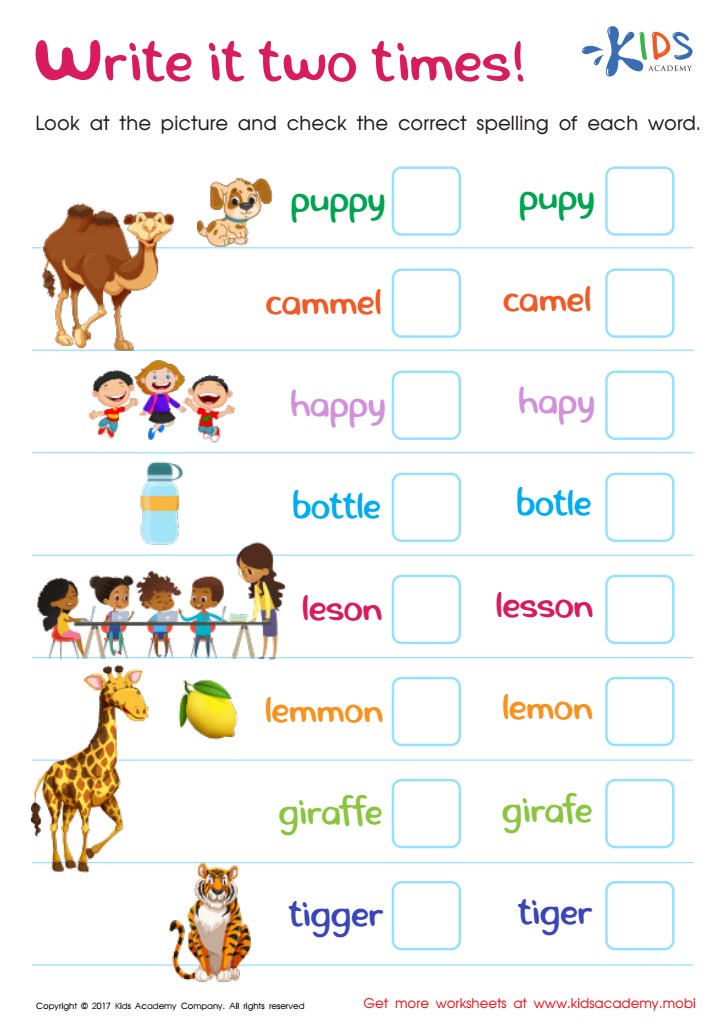
Spelling Practice Worksheet
 Assign to My Students
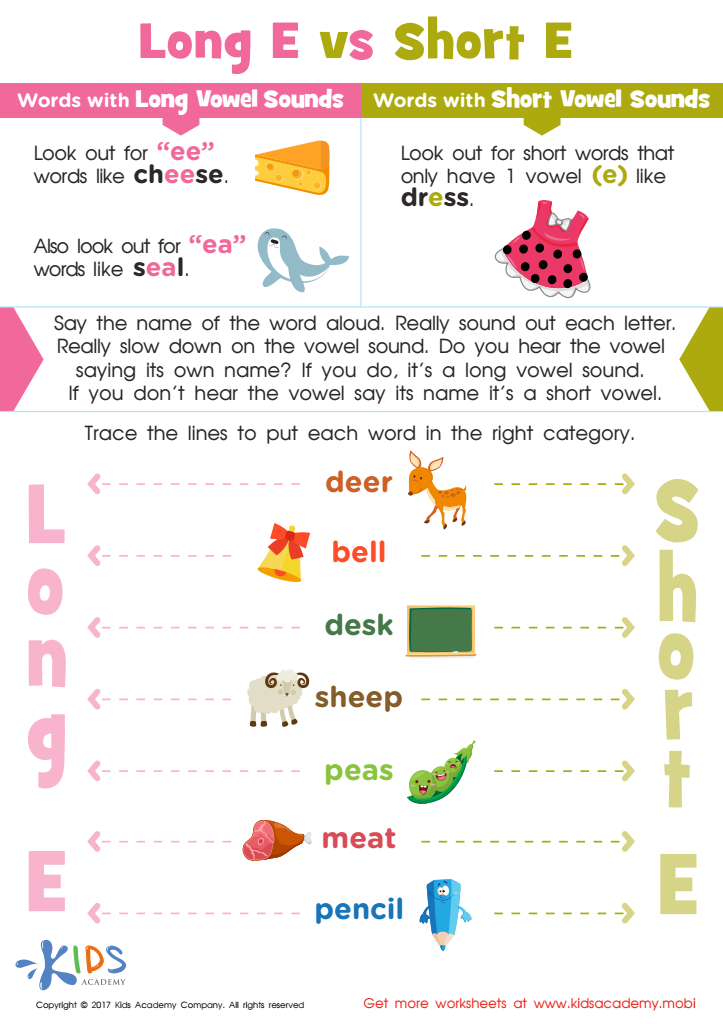
Long and Short Vowel E Spelling Worksheet
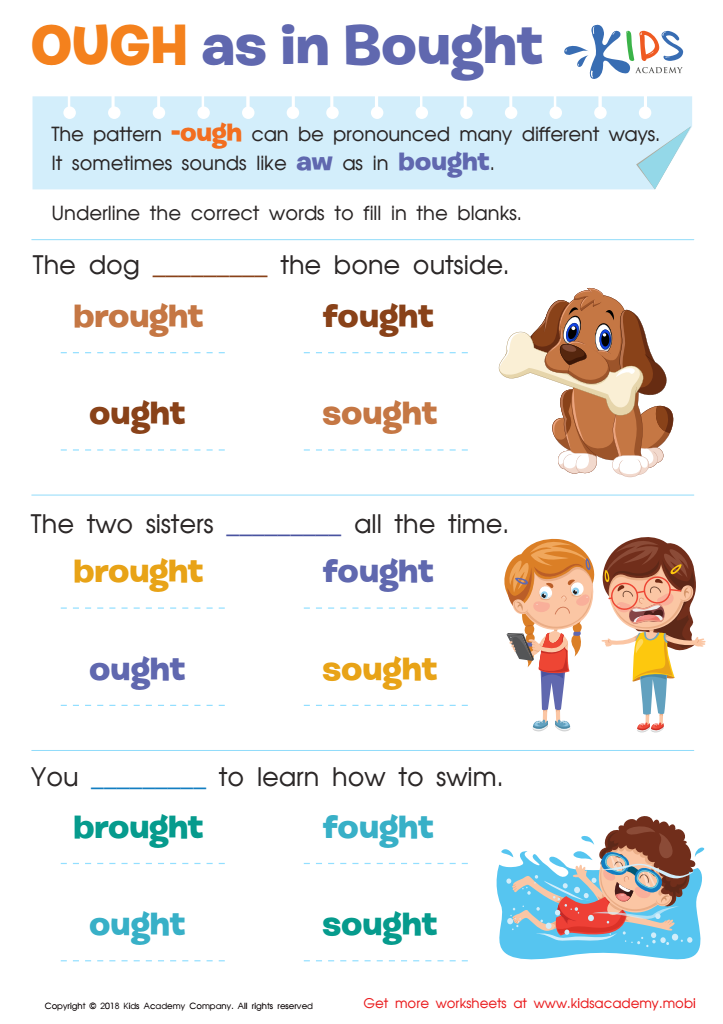
OUGH as in Bought Worksheet
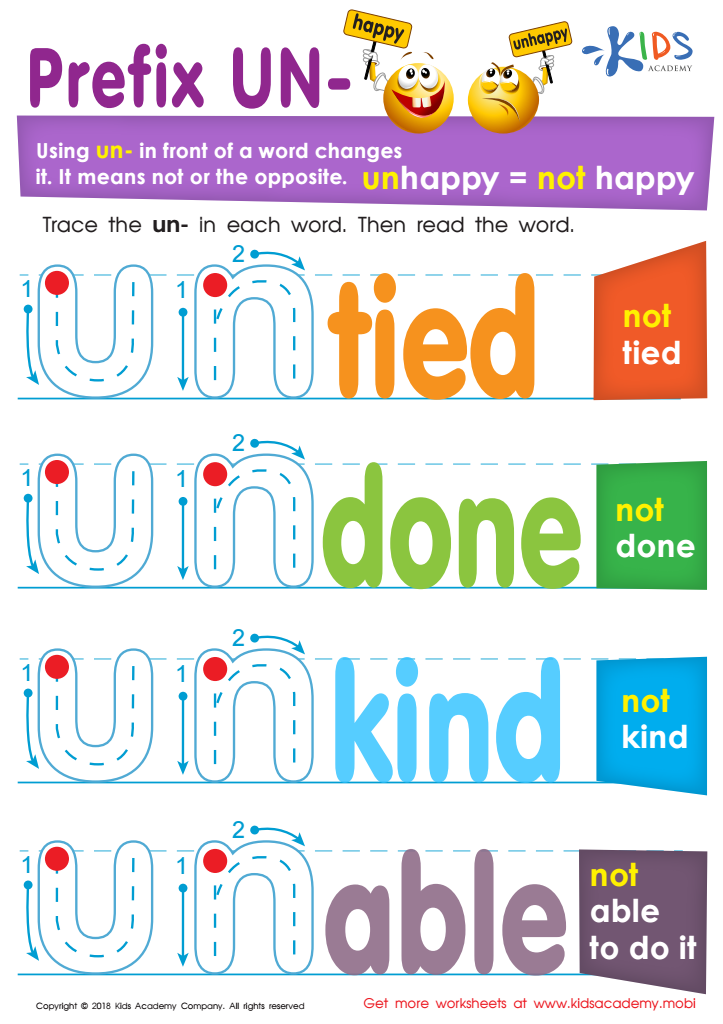
Prefix Un- Worksheet
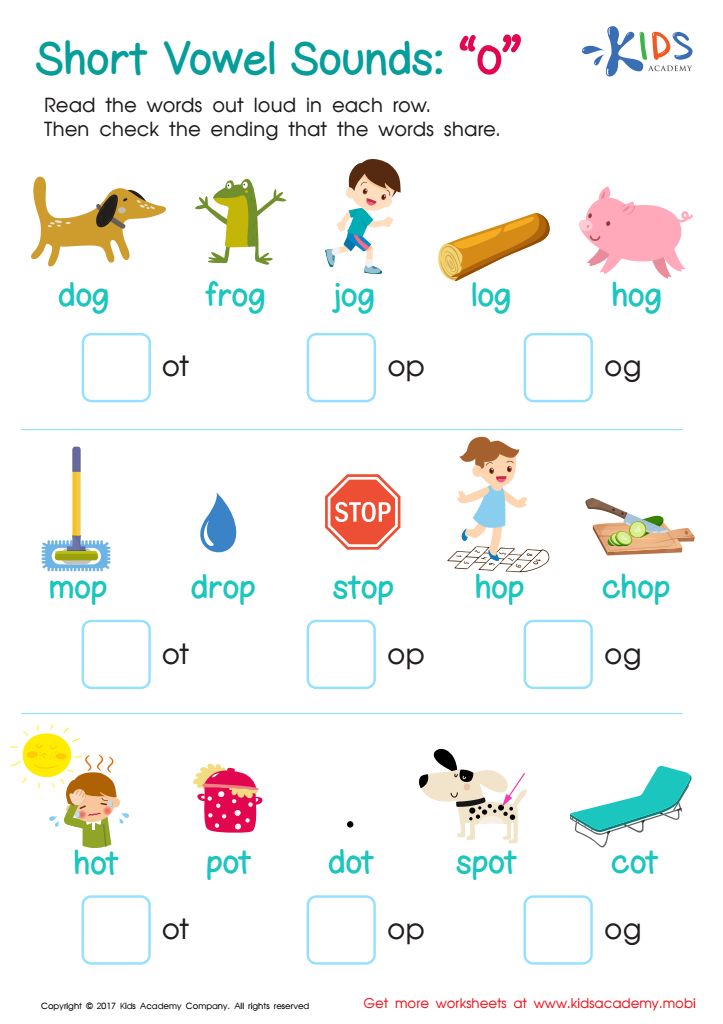
Short vowel Sounds "o" Spelling Worksheet
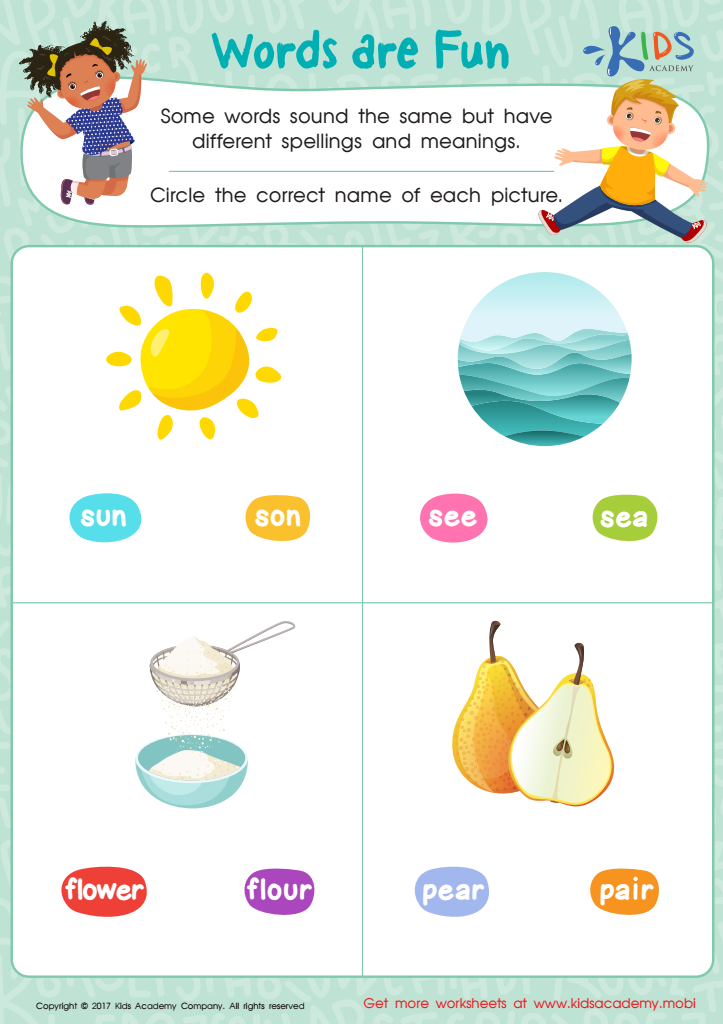
Words Are Fun Worksheet
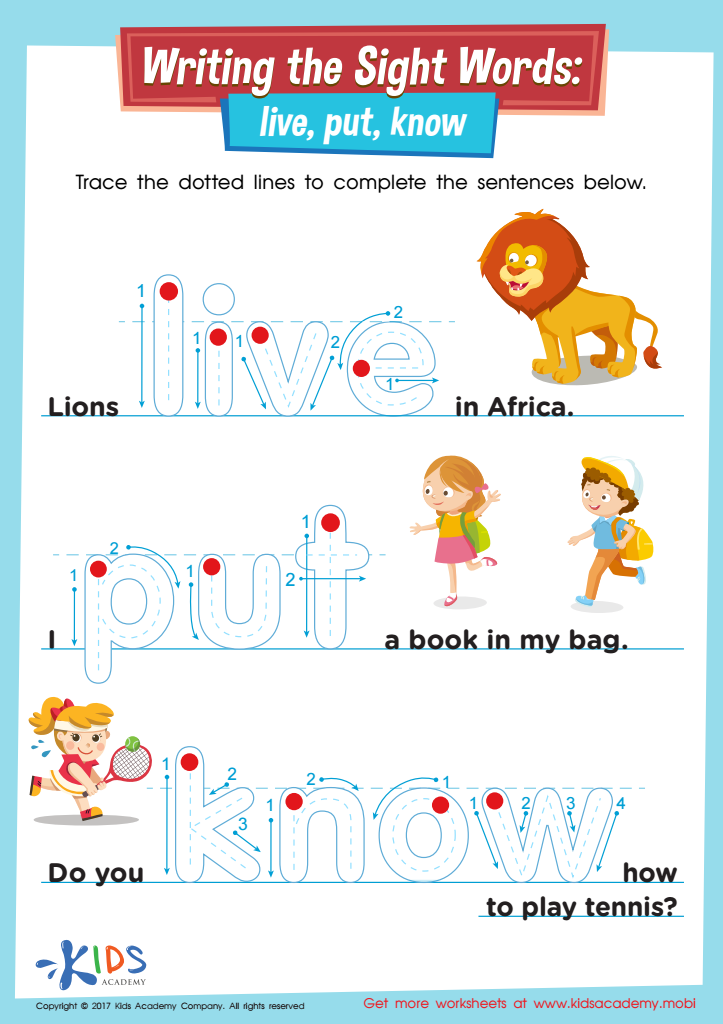
Live, Put, Know Printable Sight Words Worksheet
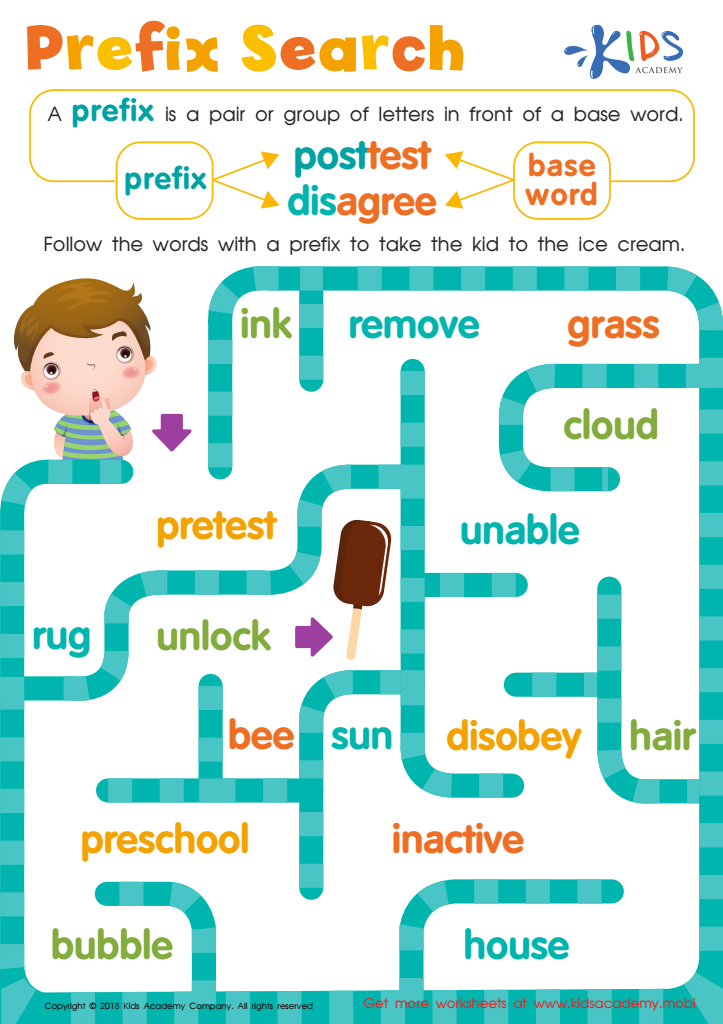
Reading: Prefix Search Worksheet

White Tracing Color Words Worksheet
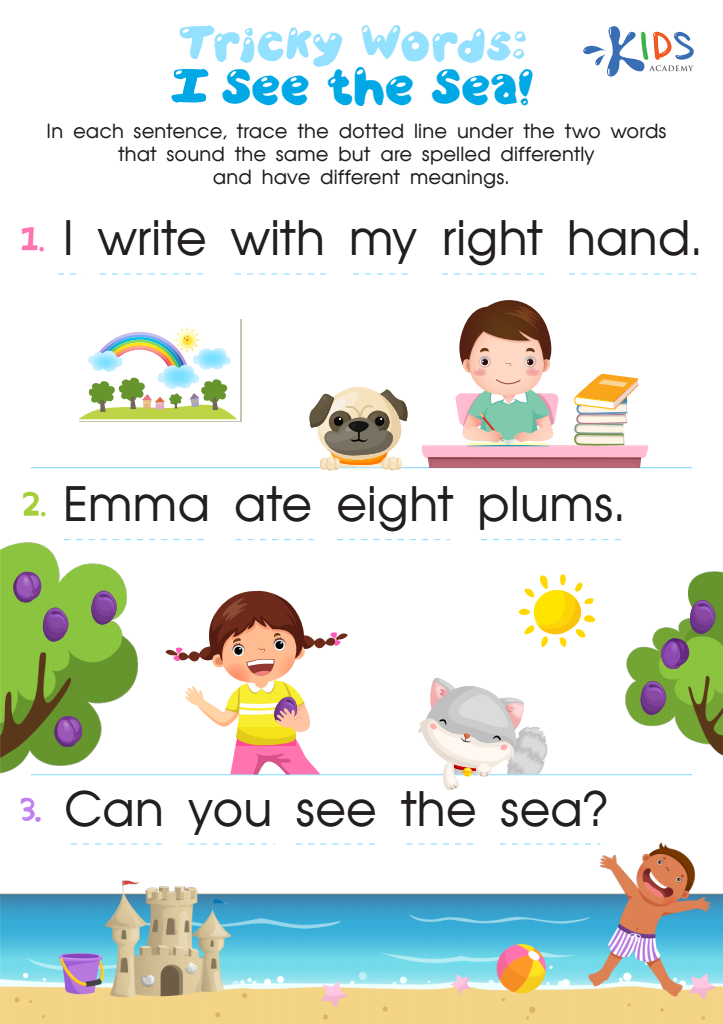
Tricky Words Worksheet
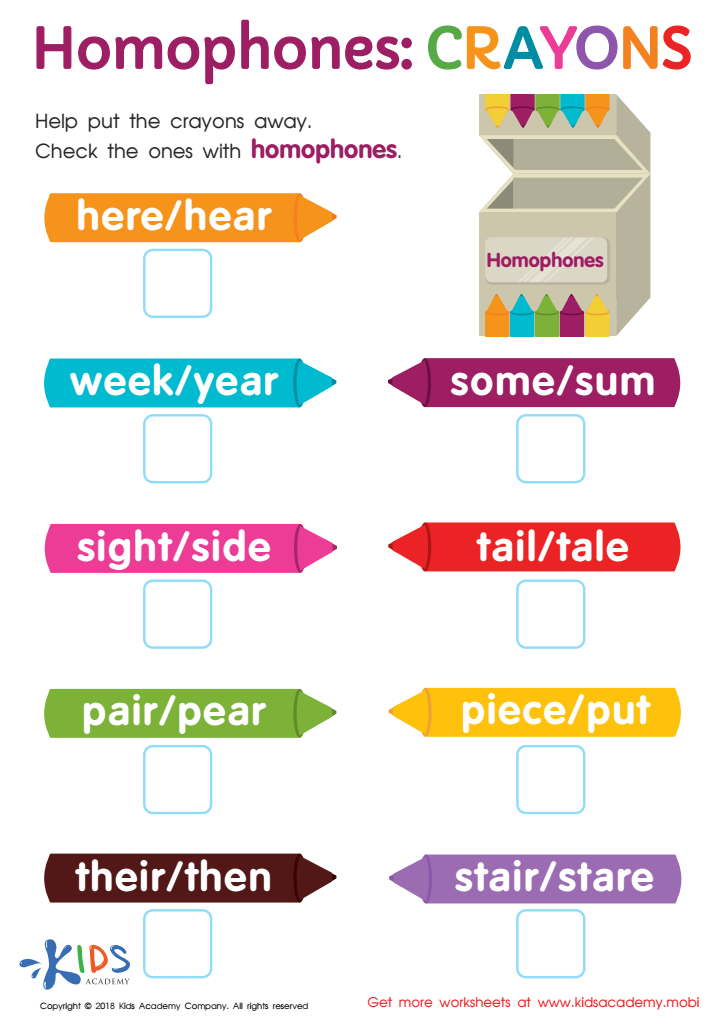
Homophones: Crayons Worksheet
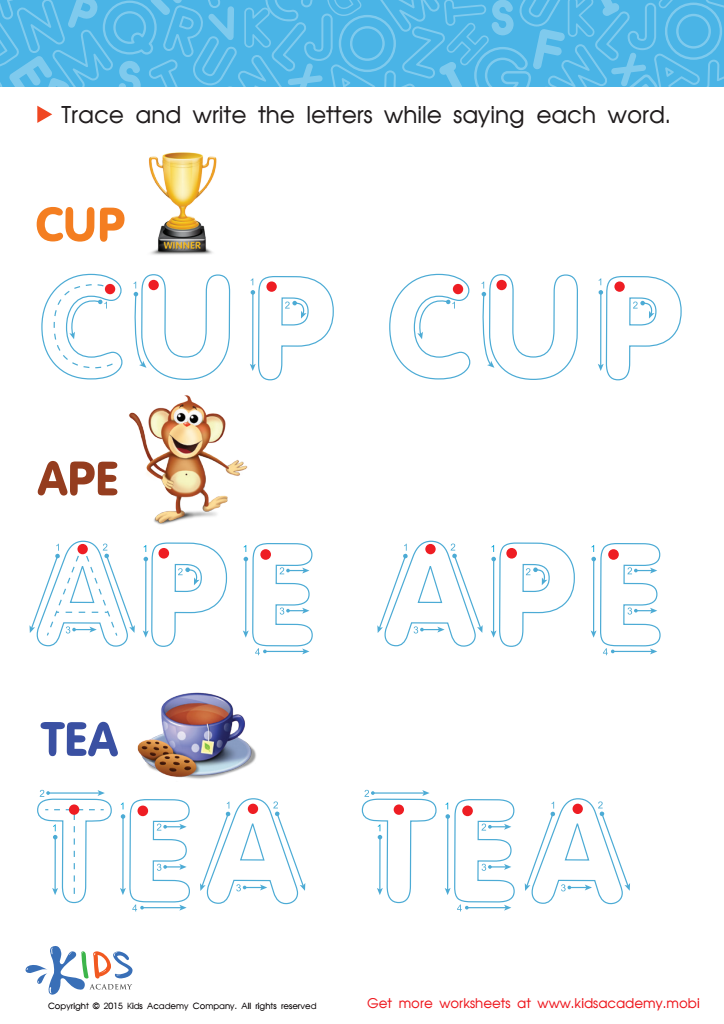
A Cup, an Ape and Tea Spelling Worksheet
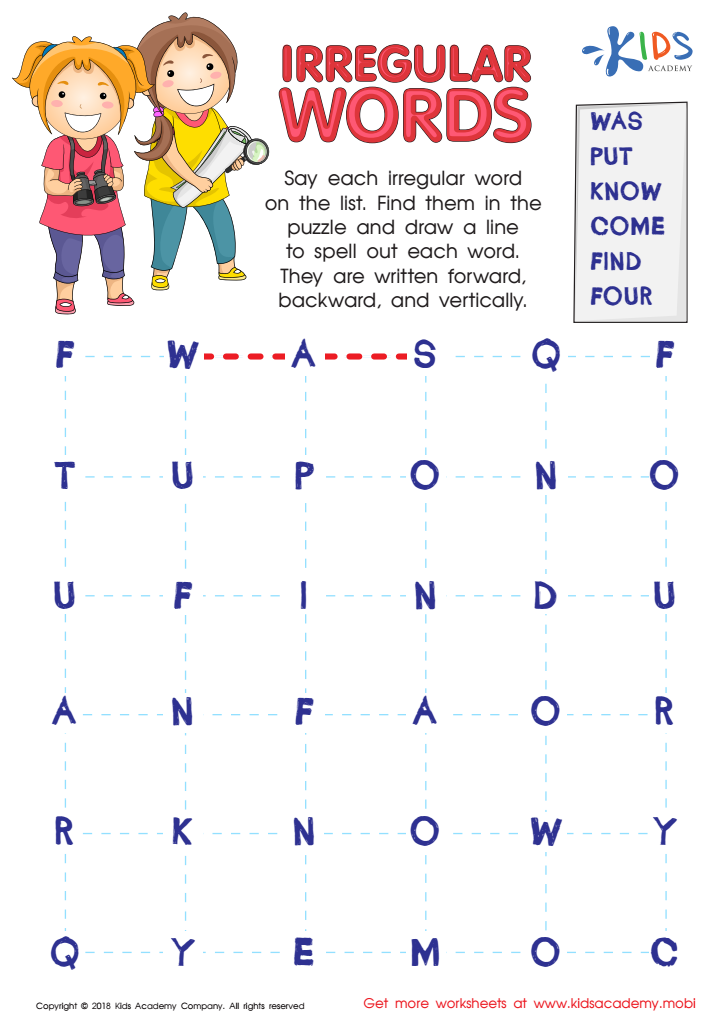
Irregular Words Worksheet

Black Tracing Color Words Printable








Parents and teachers should care about spelling practice for children ages 5-8 because it forms the foundation of literacy, which is crucial for their overall academic success. At this age, children are in a critical developmental phase where they are learning to read and write basic words. Regular spelling practice helps reinforce letter recognition and strengthens the connection between letters and sounds, both of which are essential for reading fluency.
Moreover, good spelling skills support clear and effective communication. When children learn to spell accurately, they can write down their thoughts more confidently and without hesitation. This boosts their self-esteem and encourages them to engage more deeply with reading and writing activities, fostering a lifelong love for learning.
Spelling practice also enhances children's vocabulary. As they learn to spell new words, they understand their meanings and how to use them in context, which improves both their spoken and written language skills. Furthermore, consistent spelling exercises can help identify potential learning difficulties early on, allowing for timely intervention and support.
In summary, investing time in spelling practice for young children yields significant long-term benefits by improving literacy, promoting effective communication, building vocabulary, and supporting overall academic achievement. It lays a strong educational foundation that will benefit them throughout their lives.