Fine Motor Skills Normal Tracing Words Worksheets for Ages 5-8
6 filtered results
-
From - To
Discover our "Fine Motor Skills Normal Tracing Words Worksheets" specifically designed for children ages 5-8! These interactive worksheets promote the development of fine motor skills through engaging and fun tracing activities. Each worksheet helps young learners refine their hand-eye coordination and improve their handwriting as they trace age-appropriate words. The vibrant illustrations keep kids motivated, making learning enjoyable and effective. Perfect for parents and educators, these resources support early literacy while fostering essential motor skills. Explore our collection and provide your child with the tools they need for successful writing and overall development! Start tracing and watch skills flourish today!

Cupid Maze: An Printable
 Assign to My Students
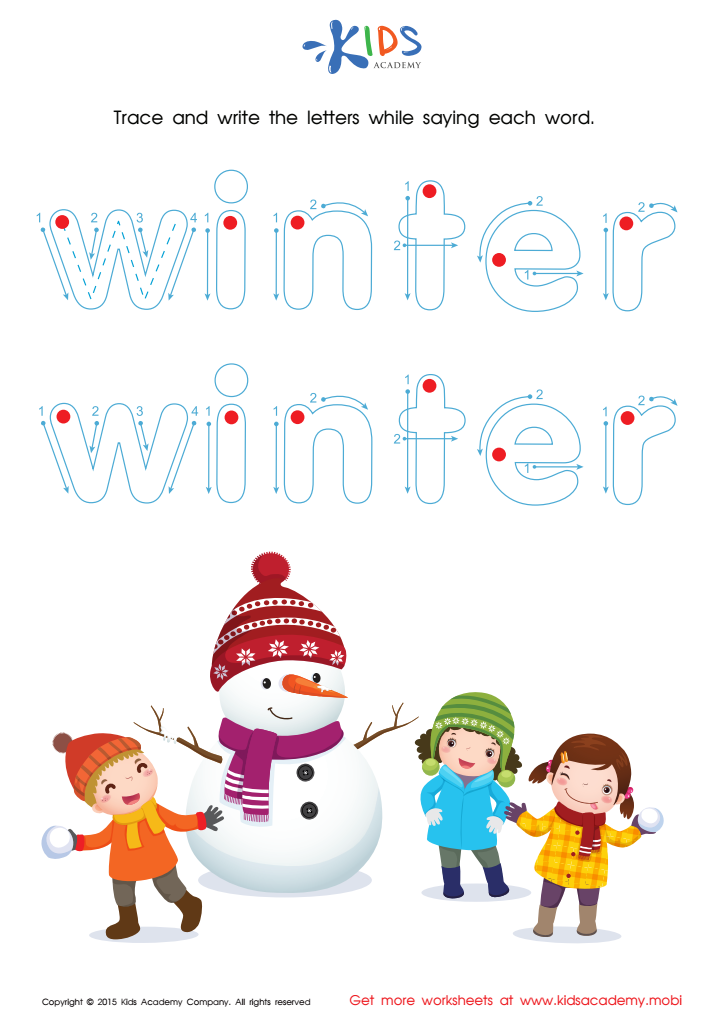
Snowman Tracing Winter Words Worksheet
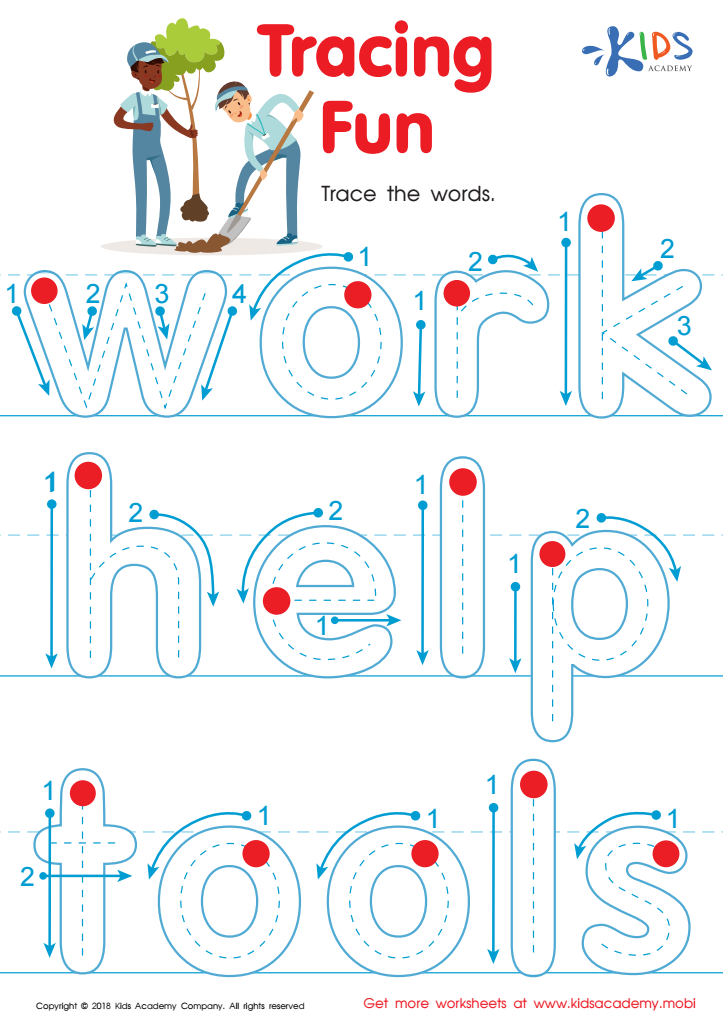
Tracing Fun Worksheet
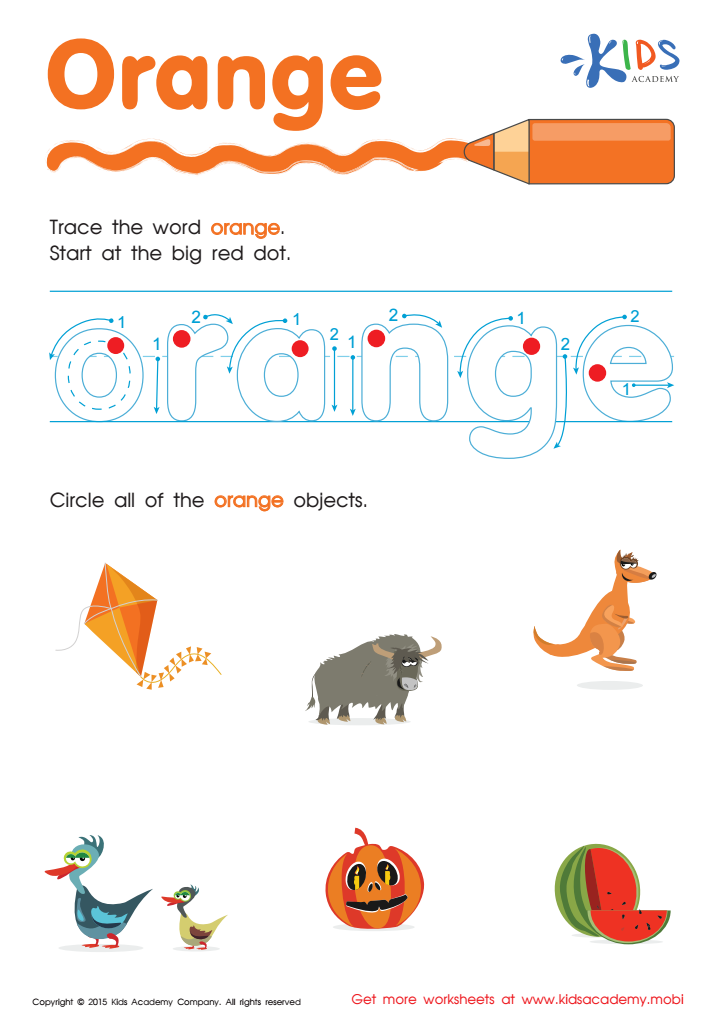
Orange Tracing Color Words Worksheet
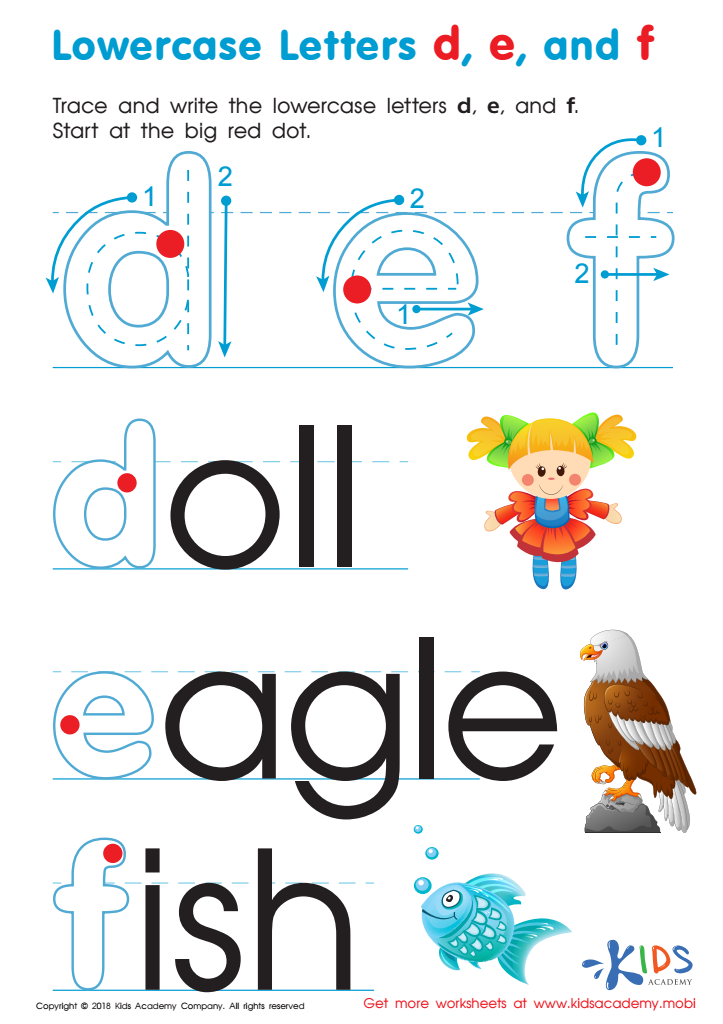
Lowercase Letters d e f Worksheet

White Tracing Color Words Worksheet








Fine motor skills are critical for children's overall development, particularly for those aged 5 to 8. At this age, children are refining their ability to control small muscle movements, which are essential for tasks such as writing, cutting, and manipulating small objects. Tracing words is an effective way to help young learners enhance these skills.
When parents or teachers engage children in tracing activities, they’re not just practicing letters; they’re improving hand-eye coordination, grip strength, and dexterity. These skills are foundational for literacy, as they influence how efficiently a child can write and recognize letters and words. Strong fine motor skills are also linked to better concentration, as children become more aware of their hand movements and gain confidence in their abilities.
Moreover, engaging in fine motor activities like tracing fosters cognitive development. Children learn to follow patterns and recognize the structure of letters, aiding their reading and writing skills. Therefore, by prioritizing fine motor skills through tracing, parents and teachers can set the groundwork for academic success, enhance self-esteem, and contribute to a child’s ability to engage with learning materials effectively. Investing in these skills now will benefit children throughout their educational journey and beyond.