Cognitive Development Normal Alphabet Worksheets for Ages 5-9
7 filtered results
-
From - To
Discover the perfect resource for enhancing your child's cognitive development with our Alphabet Worksheets designed for ages 5-9. These engaging worksheets can help children build critical learning skills, including letter recognition, sequencing, and phonics. Our expertly-crafted activities use a variety of fun and interactive tasks to stimulate young minds and encourage an early love for reading and writing. Parents and educators love our step-by-step approach, which ensures each child progress at their own pace while setting a strong foundation for future academic success. Help your child excel with our Cognitive Development Alphabet Worksheets today!
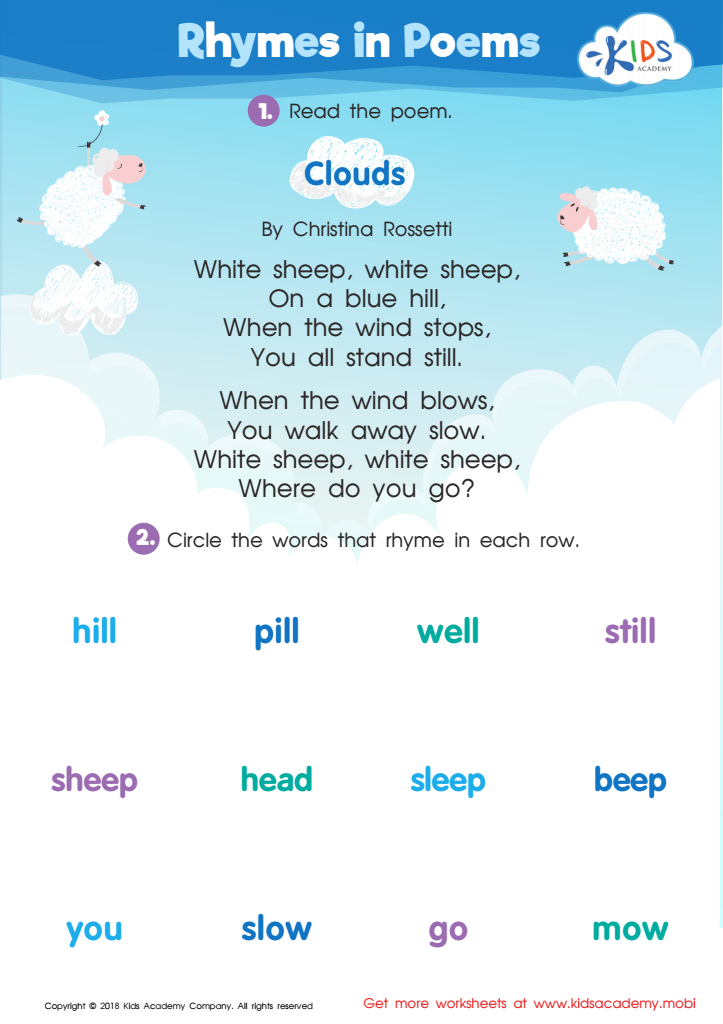
Rhymes in Poems Worksheet
 Assign to My Students
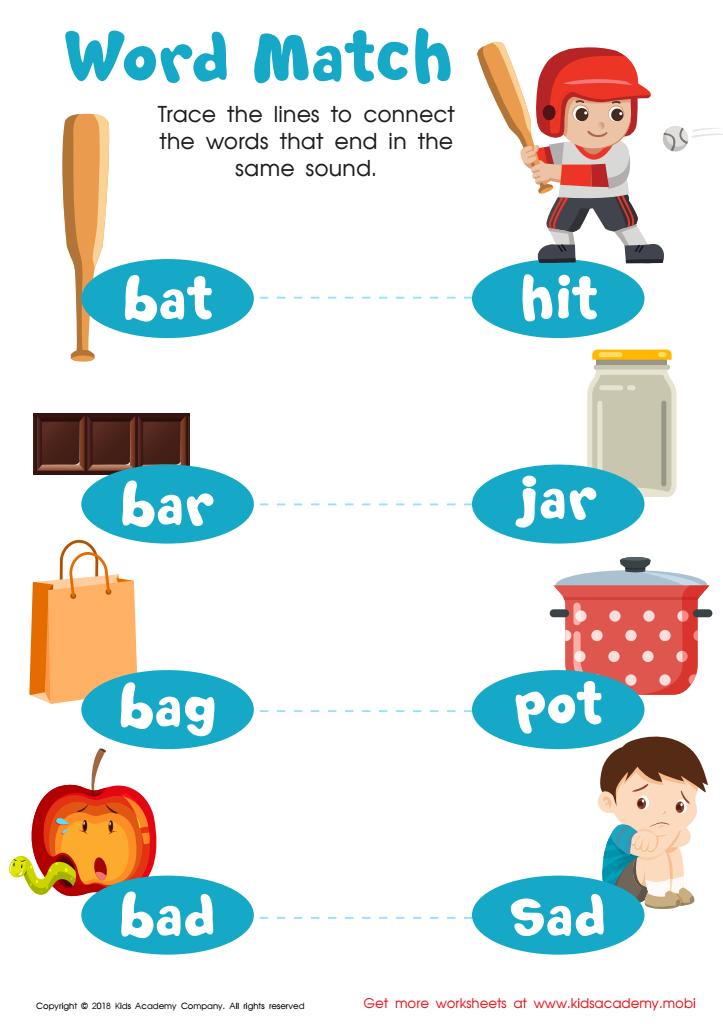
Word Match Reading Worksheet
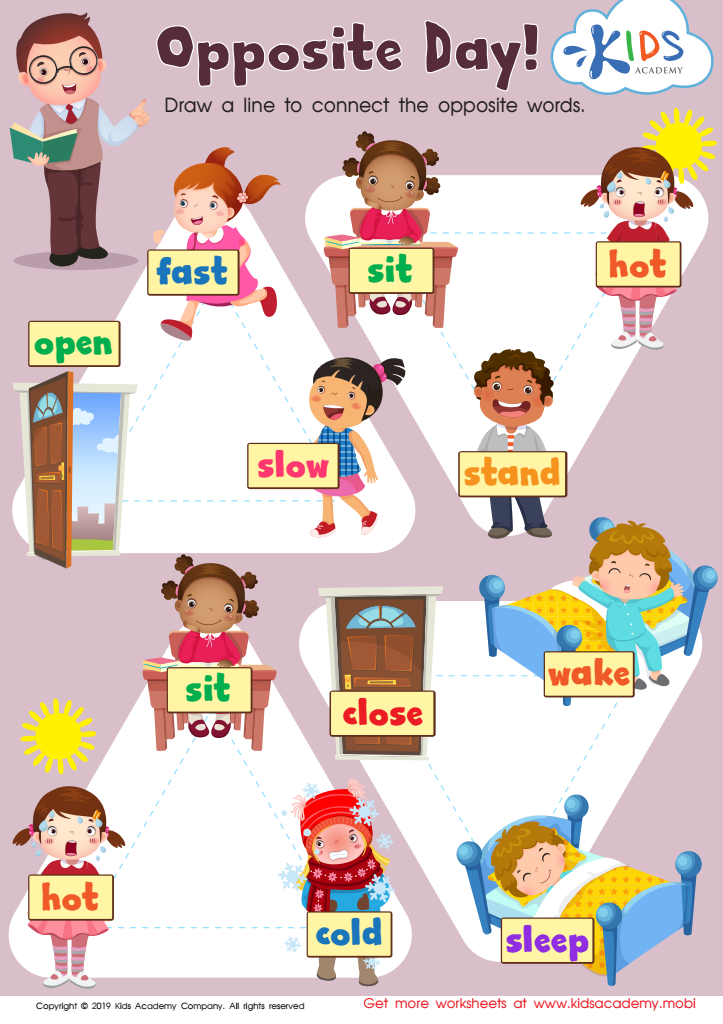
Opposite Day Worksheet
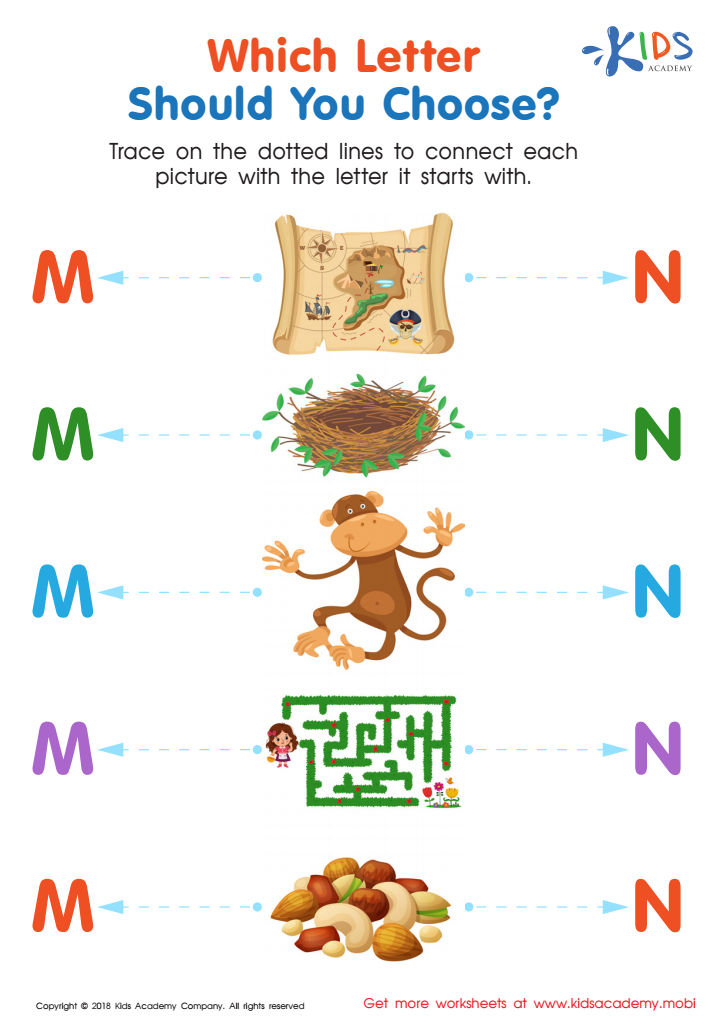
Which Letter Should you Choose? Worksheet
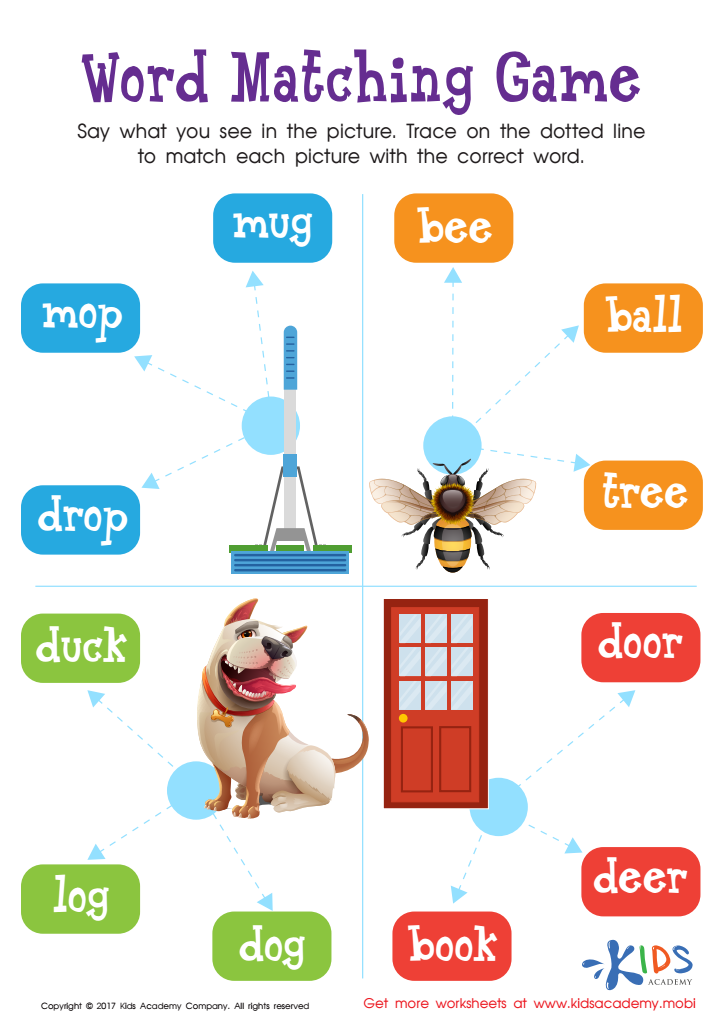
Word Matching Game Worksheet
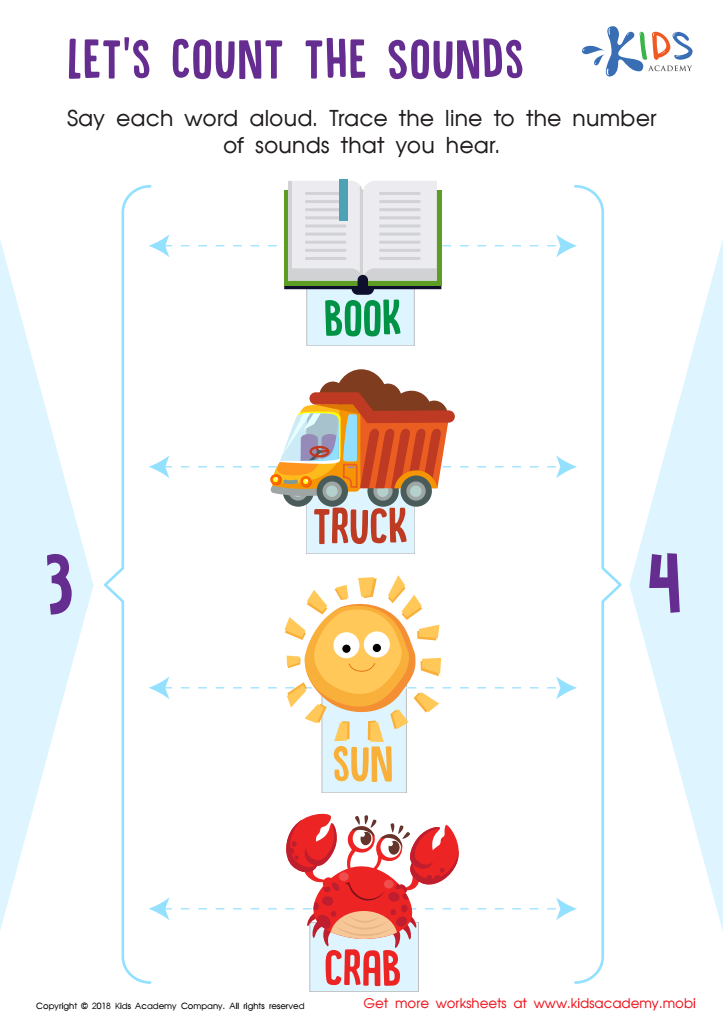
Let's Count the Sounds Worksheet
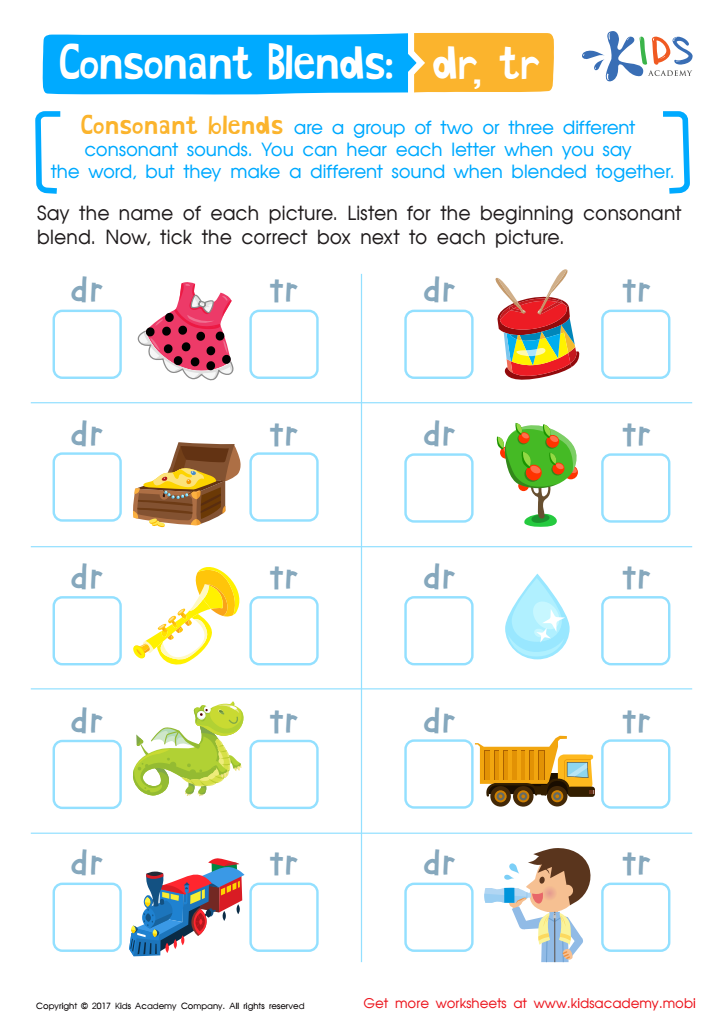
Consonant Blends: "Dr" and "Tr" Printable





Cognitive development in children ages 5-9 is crucial because it lays the foundation for future learning and problem-solving abilities. When parents and teachers focus on the "Cognitive Development Normal Alphabet," they are essentially paying attention to the typical milestones and patterns through which children understand, recognize, and utilize letters and sounds. For children in this age range, mastery of alphabetic principles is vital for developing reading, writing, and communication skills.
By ensuring that children are developmentally on track, parents and teachers help to identify and support any potential learning disabilities or delays early on. This proactive approach also enables personalized instruction, making it easier to adapt educational material to fit each child’s unique pace and style of learning.
Furthermore, understanding the cognitive development milestones enables educators and parents to create stimulating and enriching environments. Activities such as storytelling, phonics games, and letter-themed crafts not only make learning enjoyable but also strengthen fine motor skills and memory. Engaging in such educational activities promotes a positive attitude towards learning, boosting confidence and academic motivation.
In summary, focusing on cognitive development around the alphabet for young children is essential for fostering literacy, supporting individual learning needs, and laying the groundwork for long-term educational success.







