Reading Improvement Normal Alphabet Worksheets for Ages 5-9
10 filtered results
-
From - To
Discover our Reading Improvement Normal Alphabet Worksheets, thoughtfully designed for children aged 5-9. These engaging activities focus on enhancing alphabet recognition, phonemic awareness, and basic reading skills. Each worksheet combines fun illustrations with educational tasks to spark young learners' interest. They support gradual learning progression from letter identification to sentence formation, helping kids build a solid reading foundation. Ideal for use at home or in the classroom, our worksheets make reading practice enjoyable and effective. Foster early reading success with our expertly crafted materials, tailored to boost confidence and proficiency in young readers.
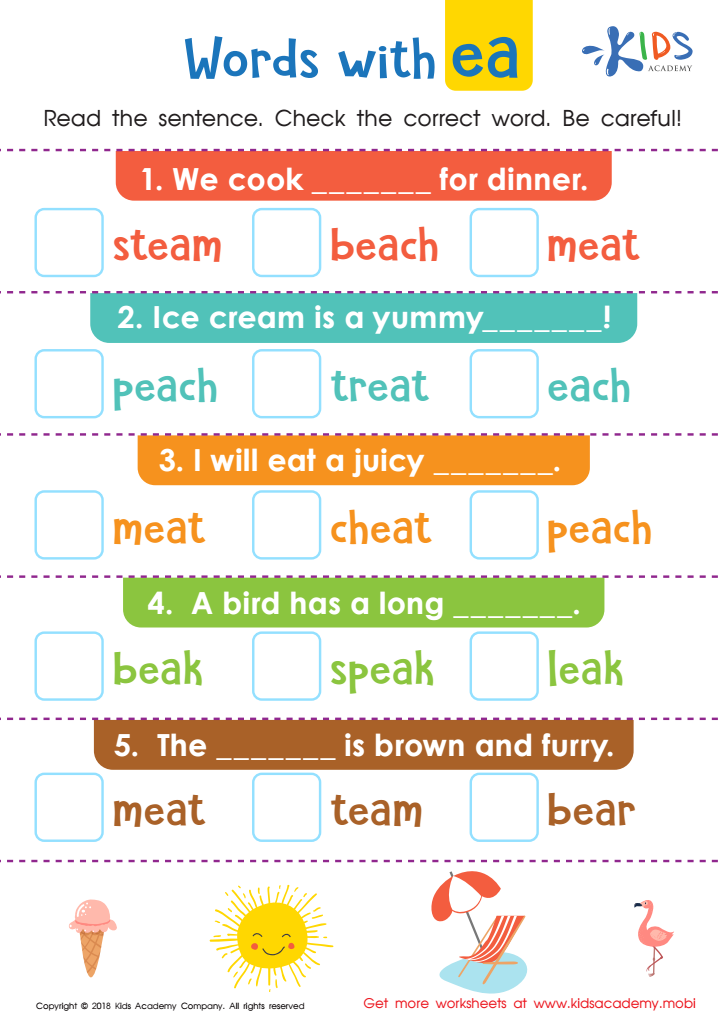
Words with ea Worksheet
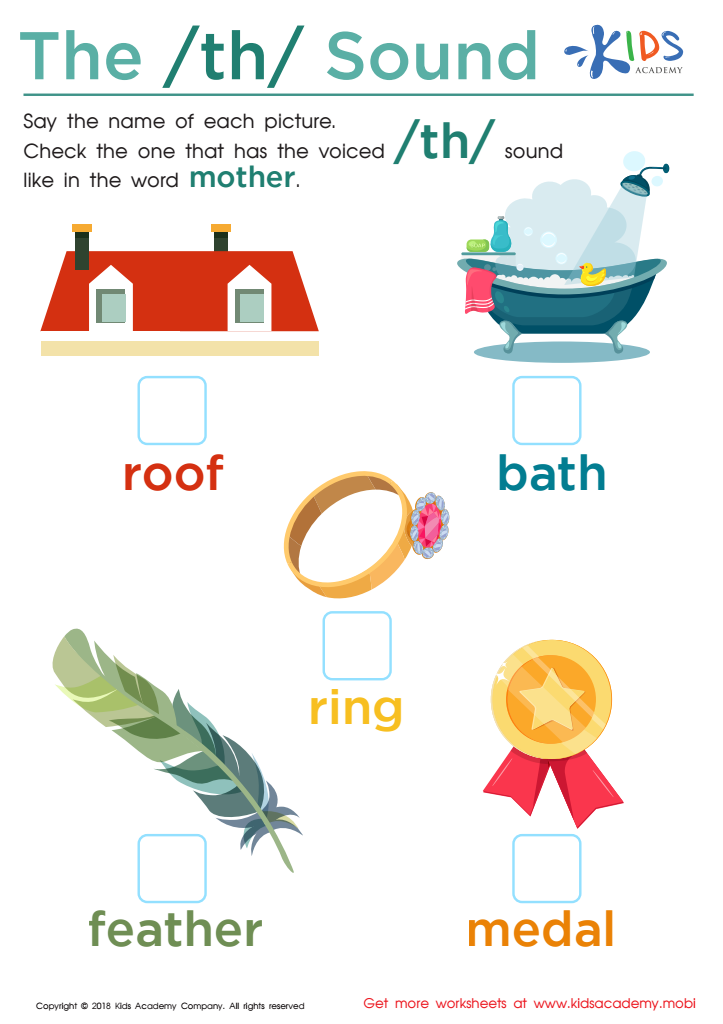
The /th/ Sound Worksheet
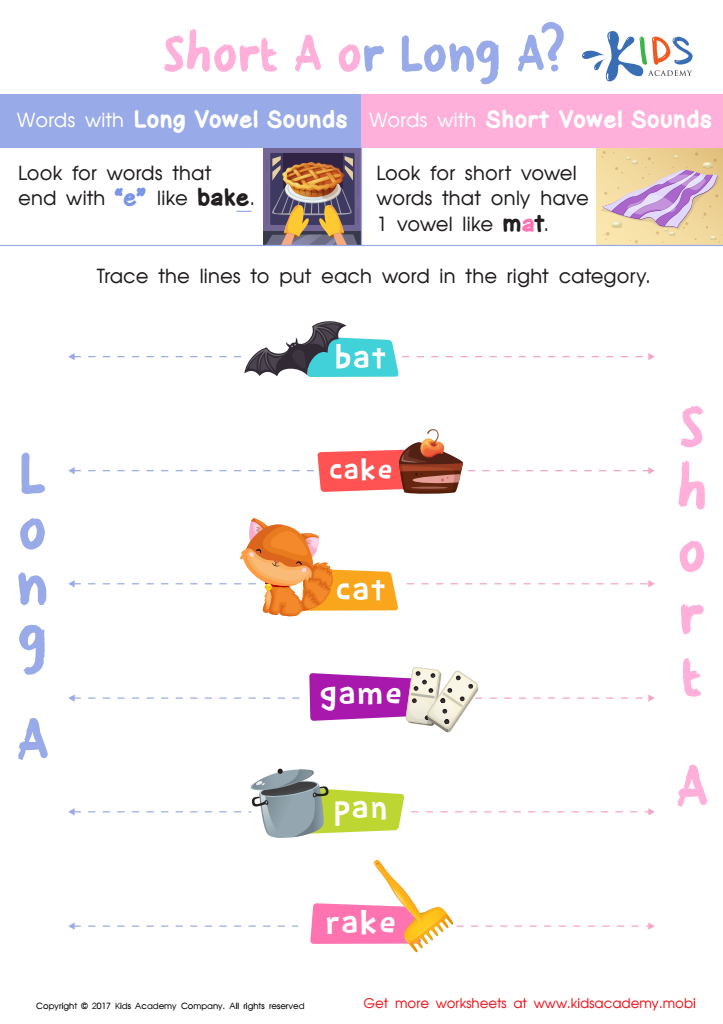
Short /a/ or Long /a/? Worksheet
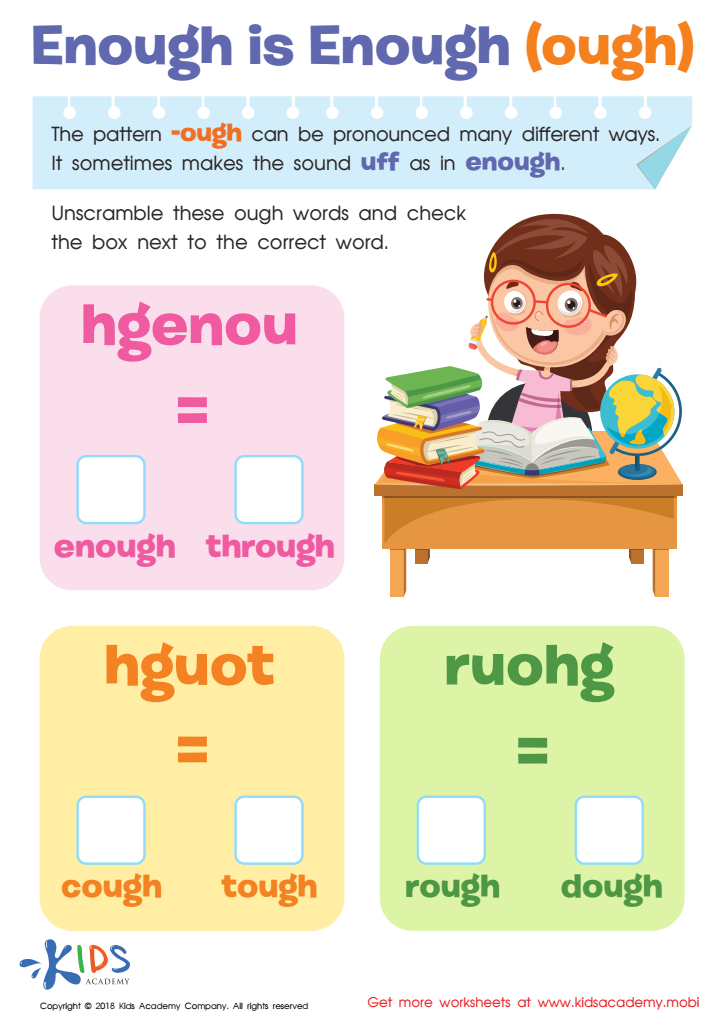
Enough Is Enough (ough) Worksheet
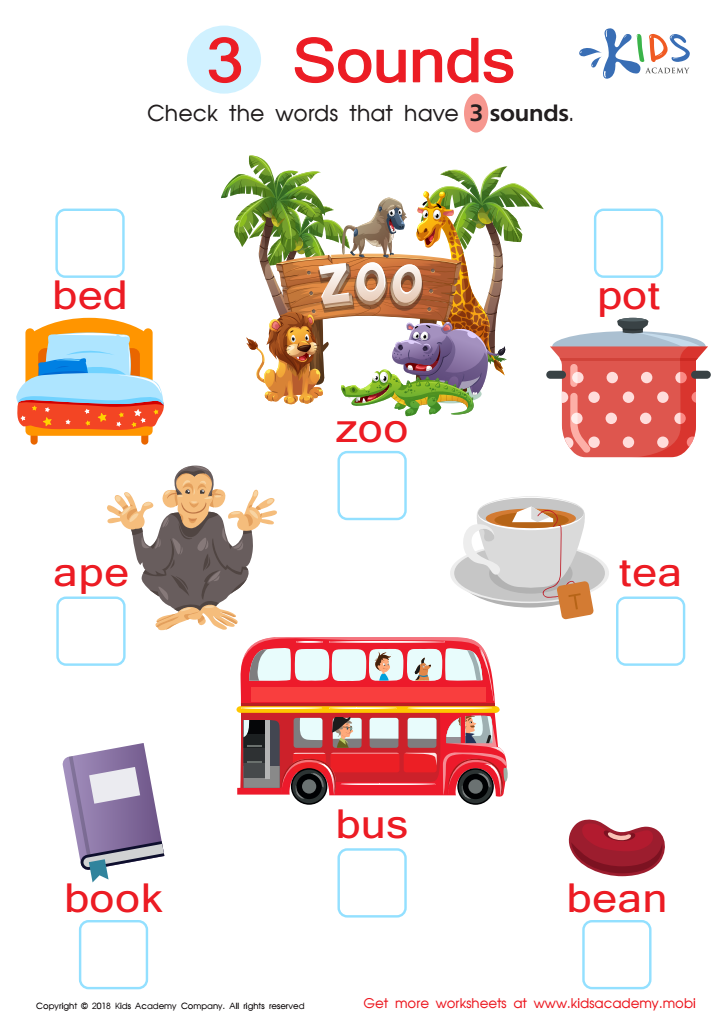
3 Sounds Worksheet
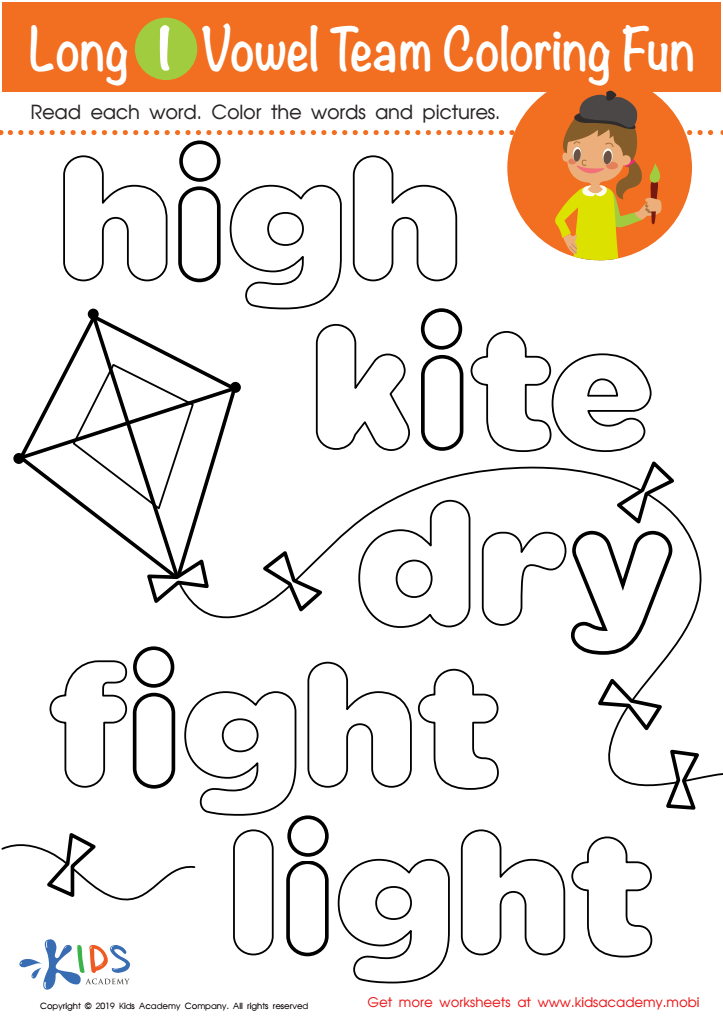
Long I Vowel Team Coloring Worksheet
 Assign to My Students
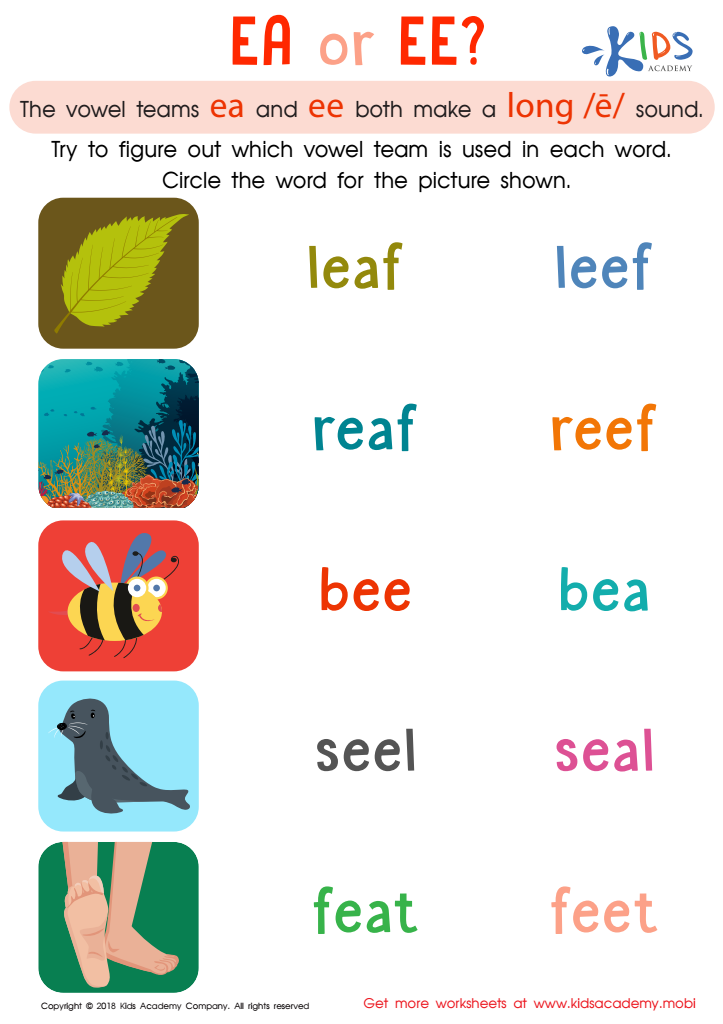
Reading: EA and EE Worksheet
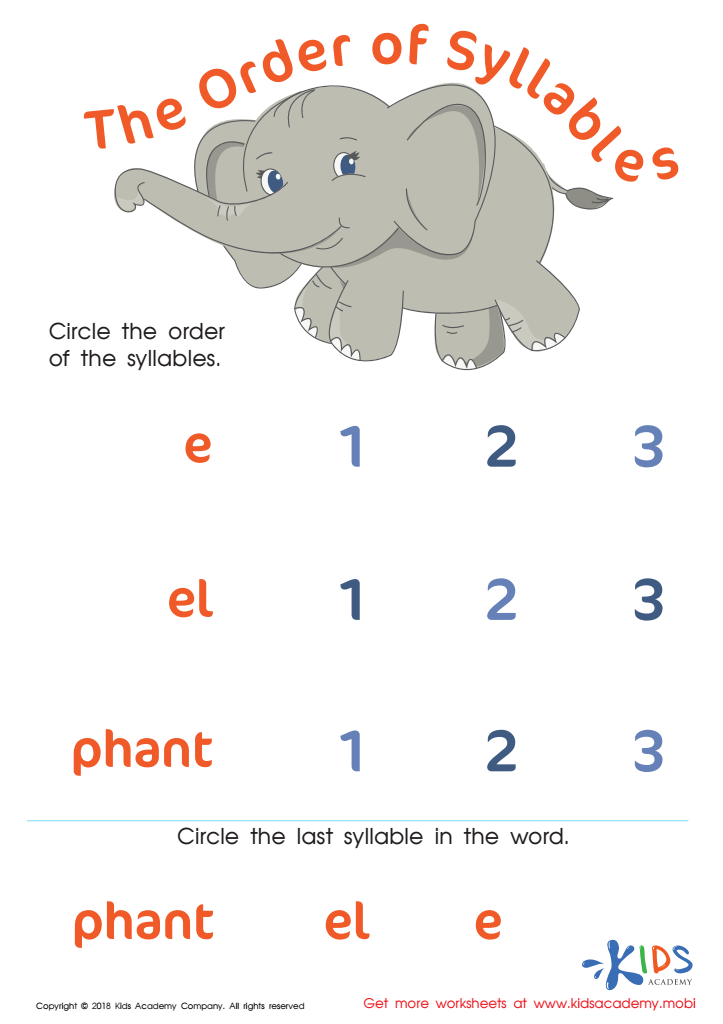
The Order of Syllables Worksheet
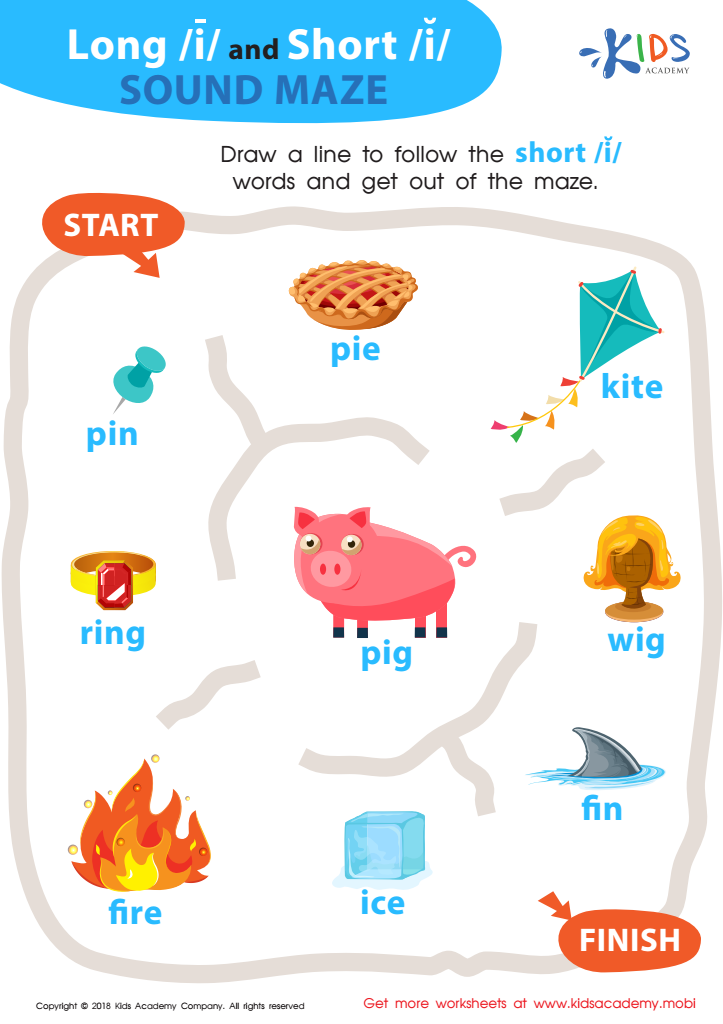
Reading: Long I and Short I Sound Maze Worksheet
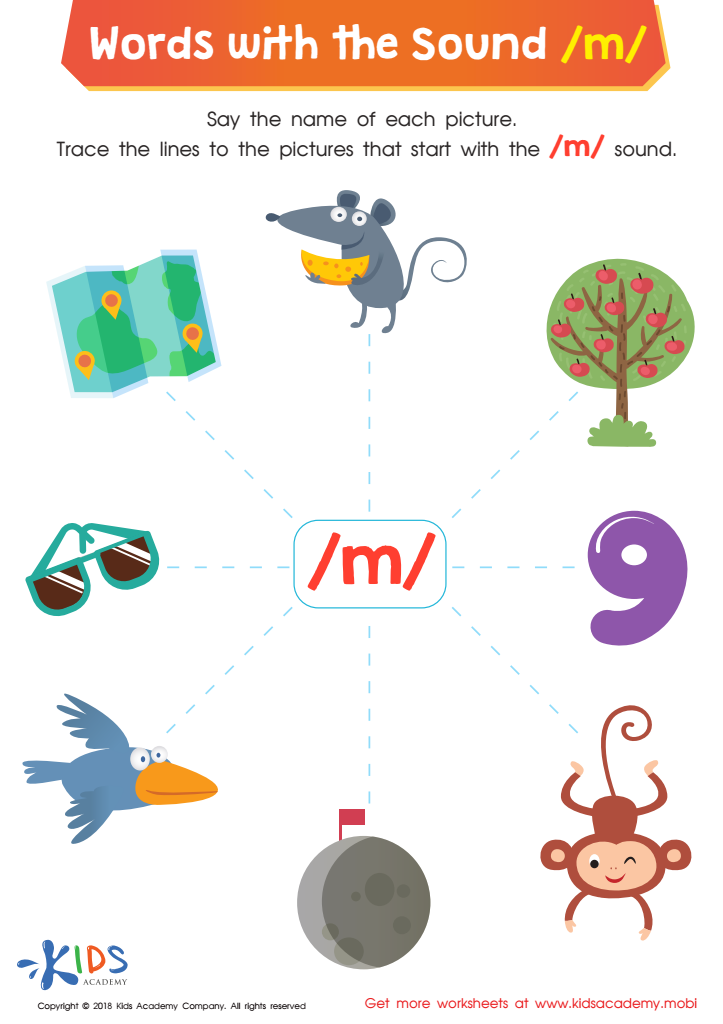
Words with Sound M Reading Worksheet







Parents and teachers should care about Reading Improvement using a Normal Alphabet for ages 5-9 because these early years are crucial for literacy development. Early reading proficiency sets the foundation for future academic success and lifelong learning. A child’s ability to read confidently and fluently in early grades not only fosters better comprehension but also enhances vocabulary, critical thinking, and communication skills.
Utilizing a normal alphabet approach helps simplify the learning process. When children become familiar with standard letter shapes and sounds, it encourages consistency and reduces confusion, making it easier for them to decode new words and understand phonetic principles. This fundamental grounding is essential as English has complex spelling patterns; a consistent approach reduces cognitive overload and fosters quicker mastery of reading basics.
Moreover, early reading proficiency positively affects self-esteem and keeps children engaged in learning. Students who struggle with reading early on risk falling behind in other subject areas, which can lead to frustration and diminished educational enthusiasm. As foundational learning is distinctively more graspable within the younger age bracket due to neuroplasticity, or the brain's ability to form and reorganize synaptic connections, the role of a consistent, simplified alphabet becomes instrumental.
Thus, focusing on reading improvement using a normal alphabet embodies an essential strategy in nurturing capable, confident, and motivated young readers essential for fostering broader academic and social success.







