Sound recognition Normal Alphabet Worksheets for Ages 5-9
11 filtered results
-
From - To
Enhance your child's learning experience with our Sound Recognition Normal Alphabet Worksheets, specially designed for ages 5-9. These engaging worksheets help young learners develop essential phonetic skills by associating letters with their corresponding sounds. Each activity encourages auditory processing, making it easier for children to identify and pronounce letters accurately. Our user-friendly format allows for straightforward navigation, ensuring a fun learning environment at home or in the classroom. With vibrant illustrations and interactive exercises, these worksheets provide comprehensive support for early literacy development. Perfect for teachers and parents alike, boost your child’s confidence in reading and language skills today!
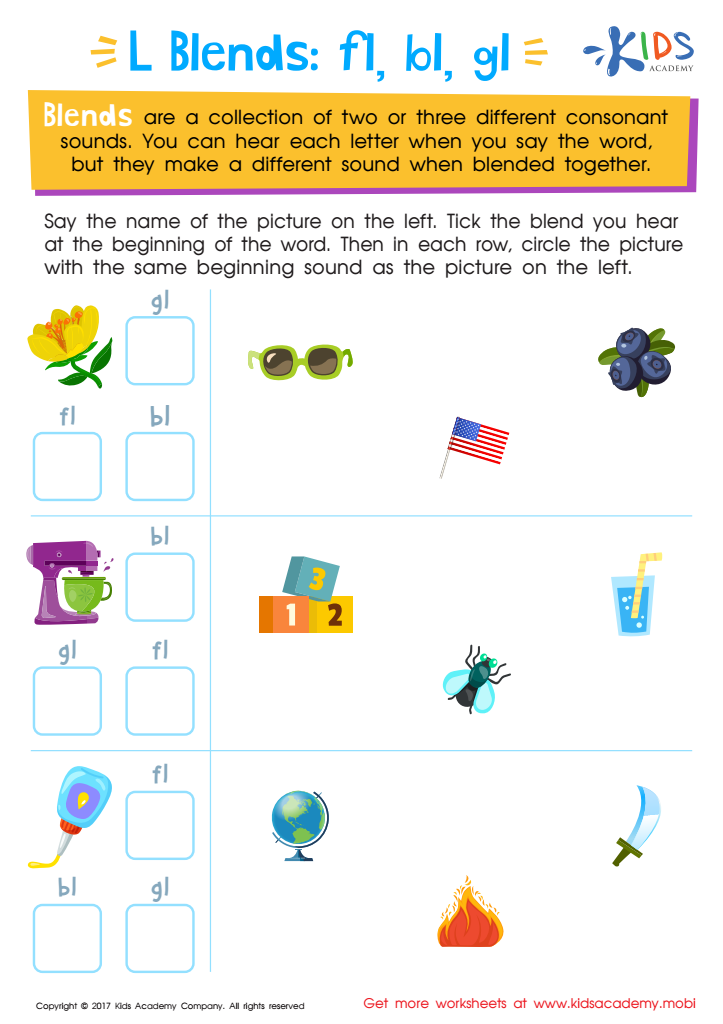
Blending Consonants: "Fl", "Bl" and "Gl" Printable
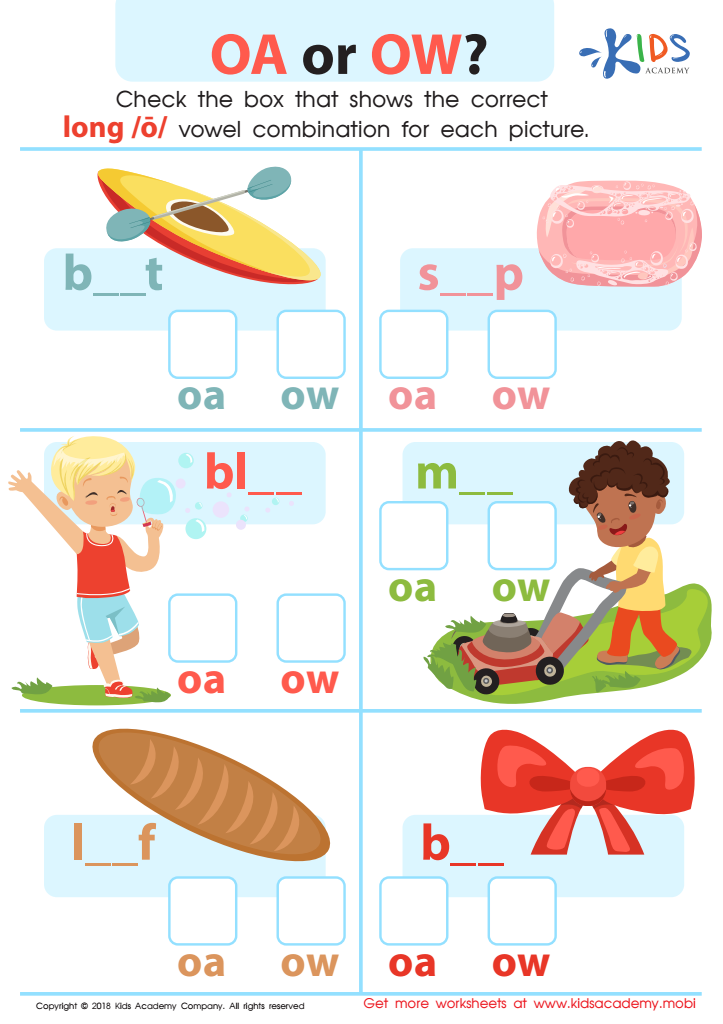
Reading: OA or OW Worksheet
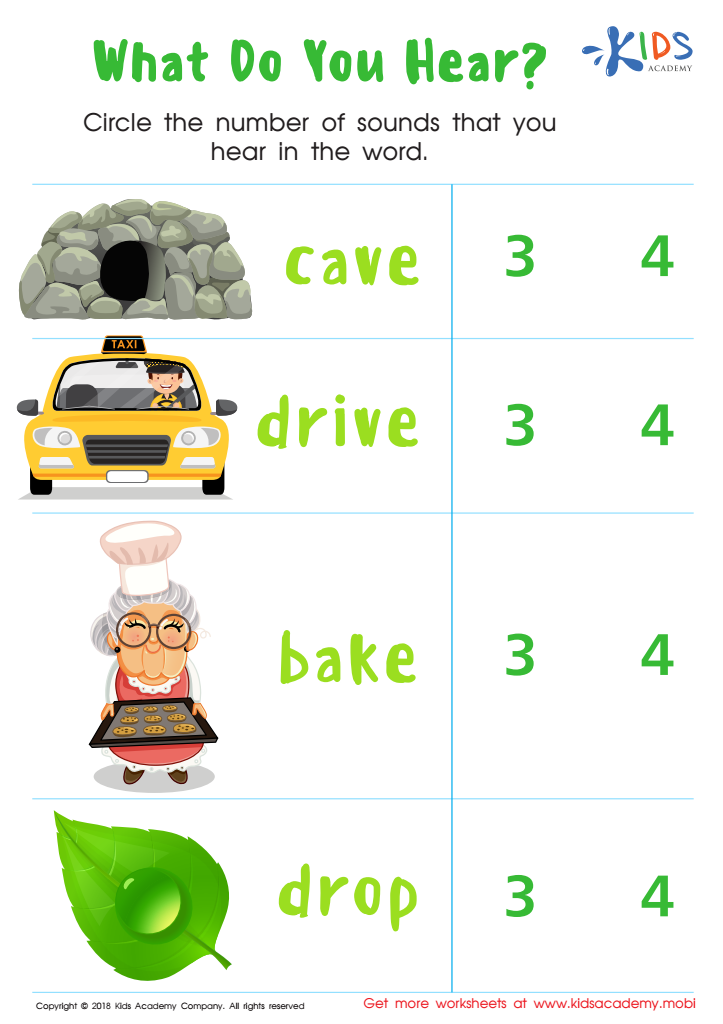
What Do You Hear? Worksheet
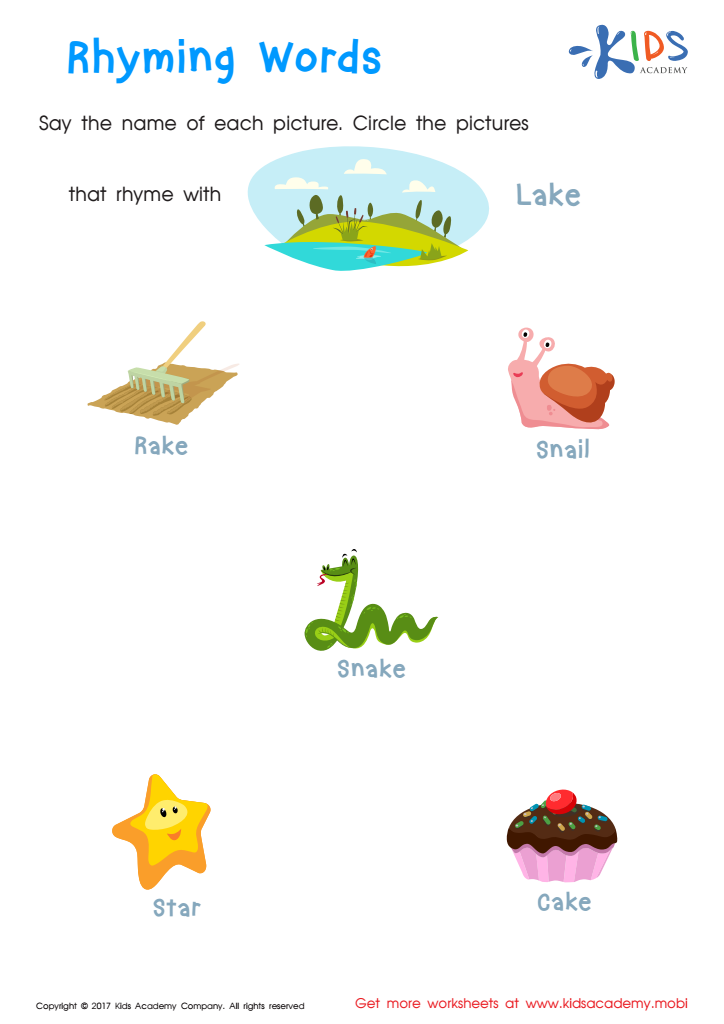
Rhyming Words Rhyming Worksheet
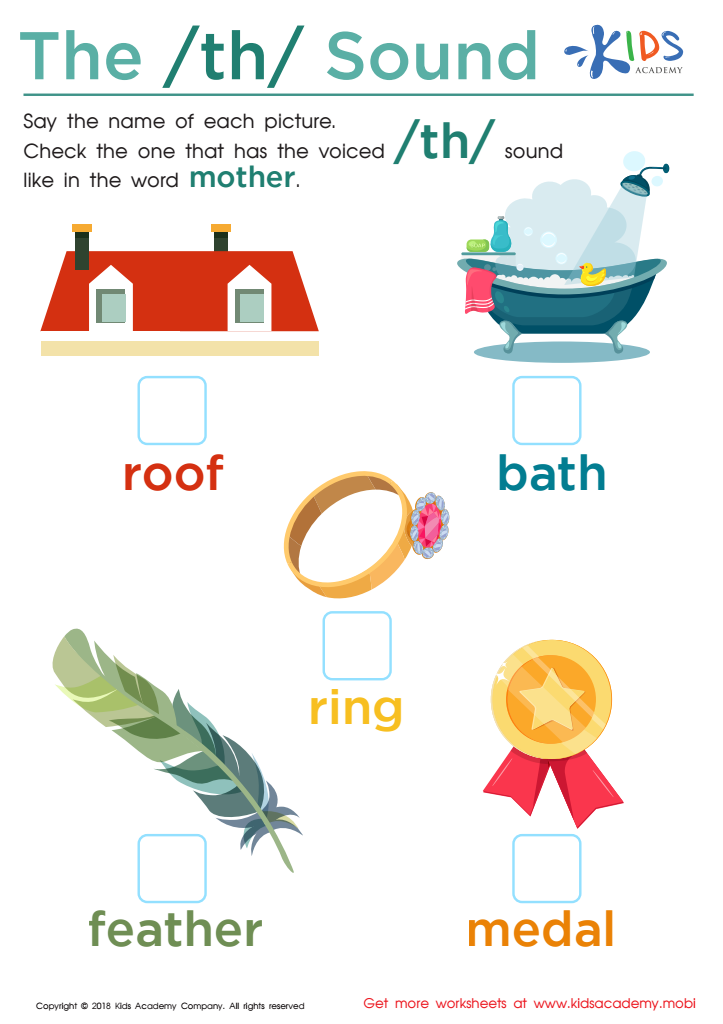
The /th/ Sound Worksheet

Long and Short U Worksheet
 Assign to My Students
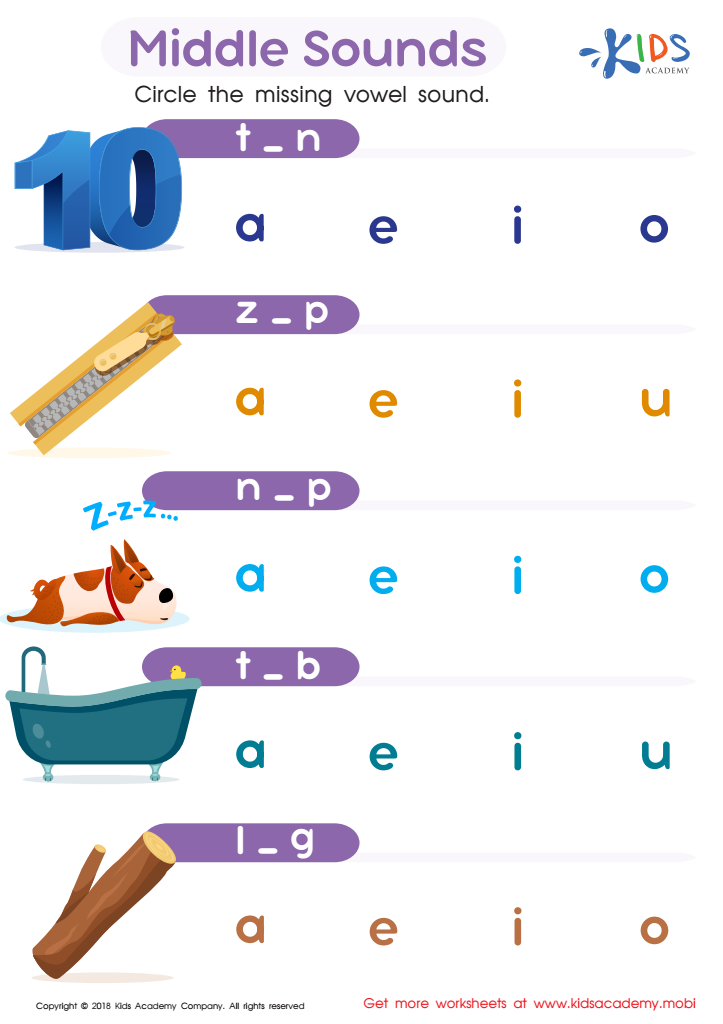
Middle Sounds Worksheet
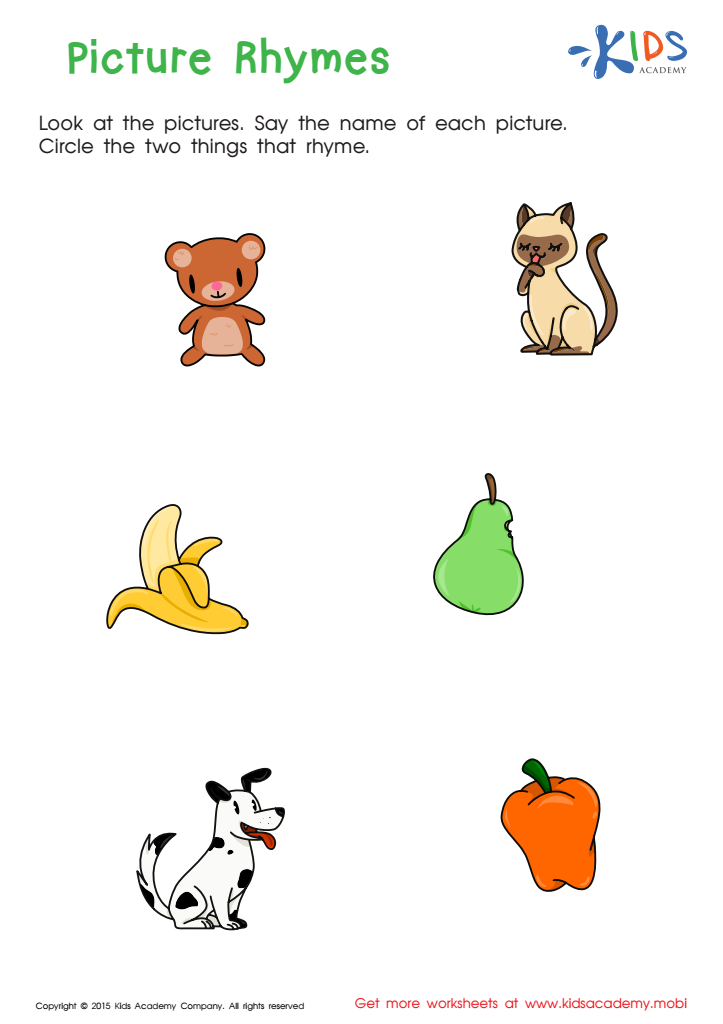
First Words: Picture Rhymes Worksheet
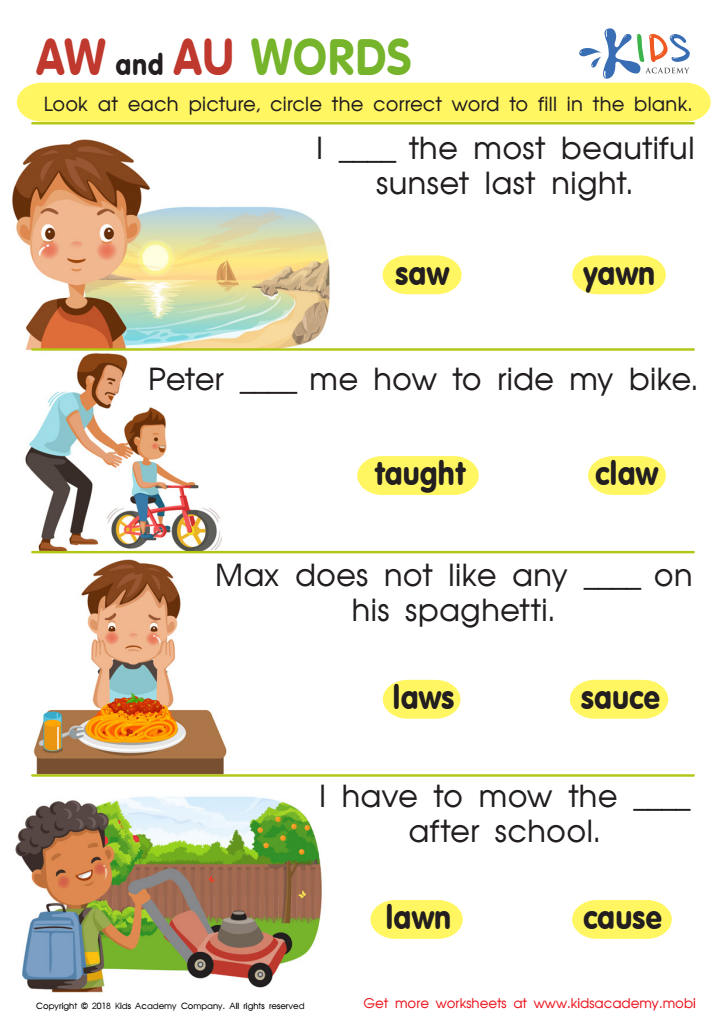
Reading: AW and AU Words Worksheet
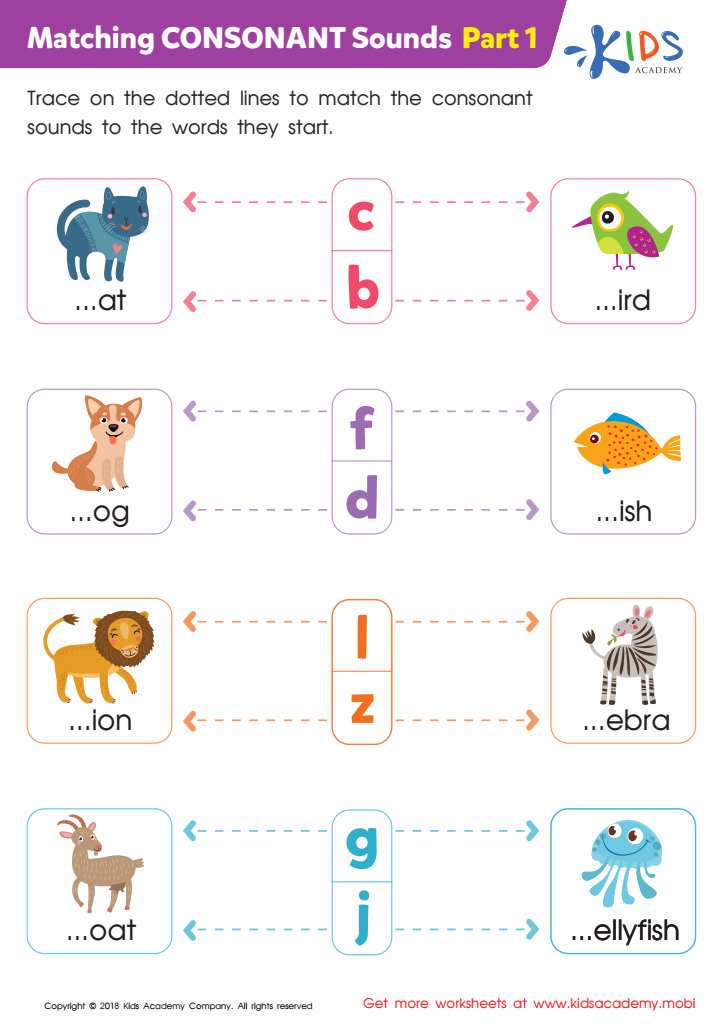
Matching Consonant Sounds: Part 1 Worksheet
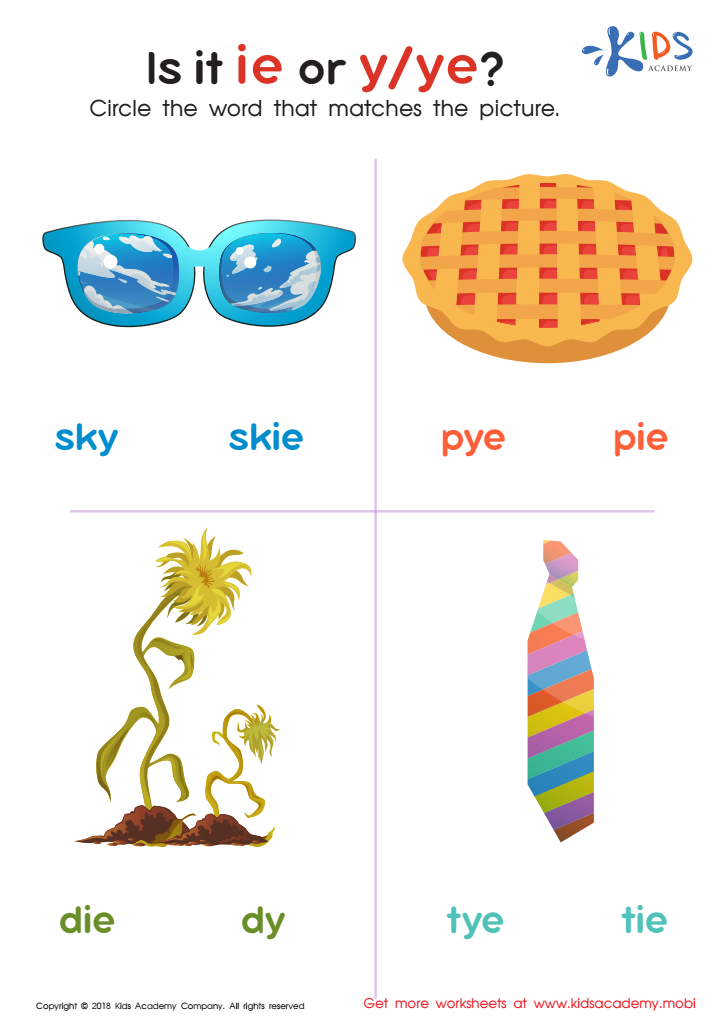
Is It IE or Y/Ye? Worksheet








Sound recognition in the normal alphabet is crucial for children ages 5-9 as it forms the foundation for literacy development. During these formative years, children are primarily developing phonemic awareness, which is the ability to hear, identify, and manipulate sounds in spoken words. This skill is essential for effective reading and writing. When children can recognize the sounds associated with each letter, they are better equipped to decode words, which is a key step in becoming proficient readers.
Parents and teachers play a vital role in fostering this skill. Sound recognition helps children develop vocabulary, spelling, and comprehension abilities. Engaging children in phonics-based activities, such as games, songs, and reading aloud, can make learning enjoyable and effective. Moreover, when adults prioritize sound recognition, they can identify and address potential reading challenges early on, ensuring children receive the support they need.
Furthermore, strong literacy skills encourage confidence and curiosity, essential traits for lifelong learning. By emphasizing sound recognition, parents and teachers instill a solid academic foundation that allows children to thrive in their educational journeys and beyond. Therefore, attention to sound recognition is vital for the holistic development of children, equipping them for success in school and in life.







