Normal Tracing Letters Worksheets for Ages 5-9 - Page 2
32 filtered results
-
From - To
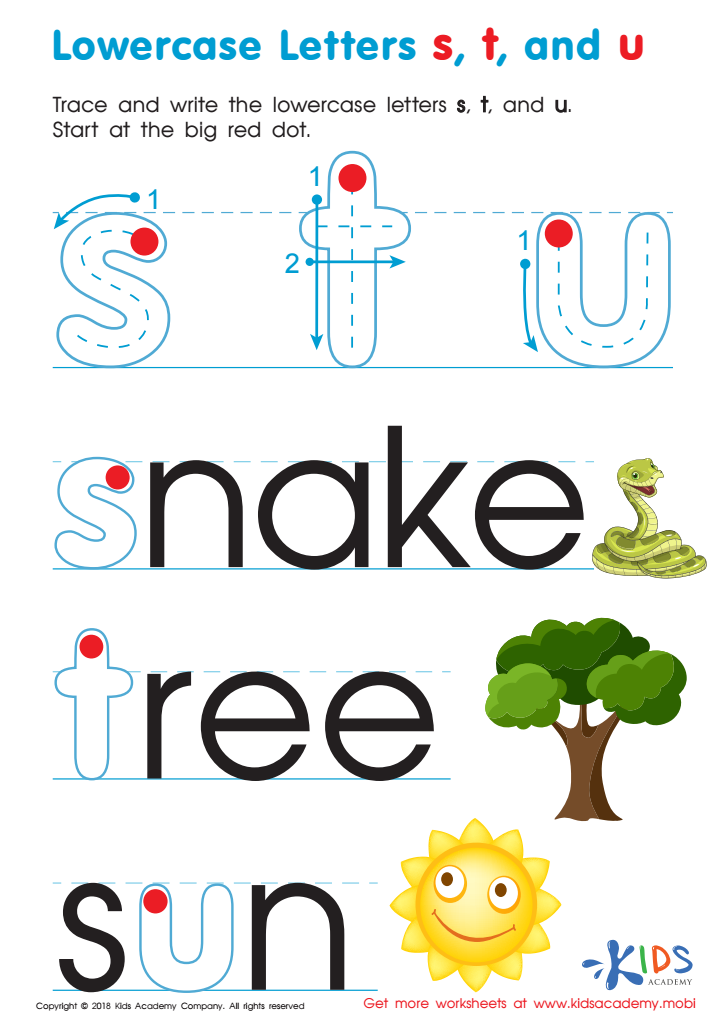
Lowercase Letters s t u Worksheet
 Assign to My Students
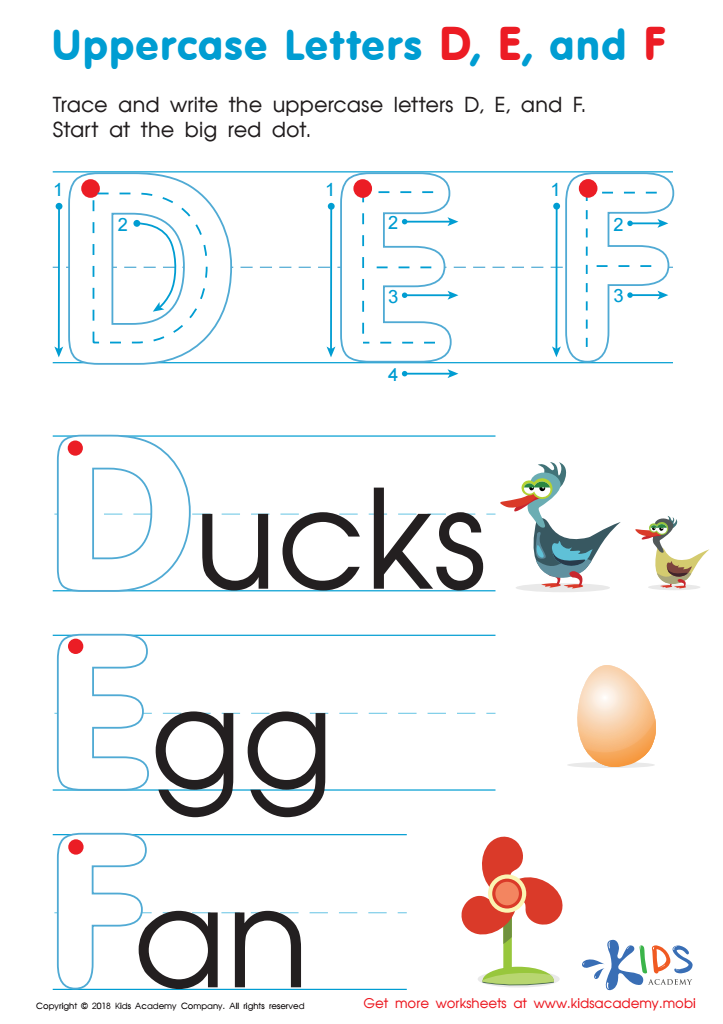
Uppercase Letters D, E, and F Worksheet
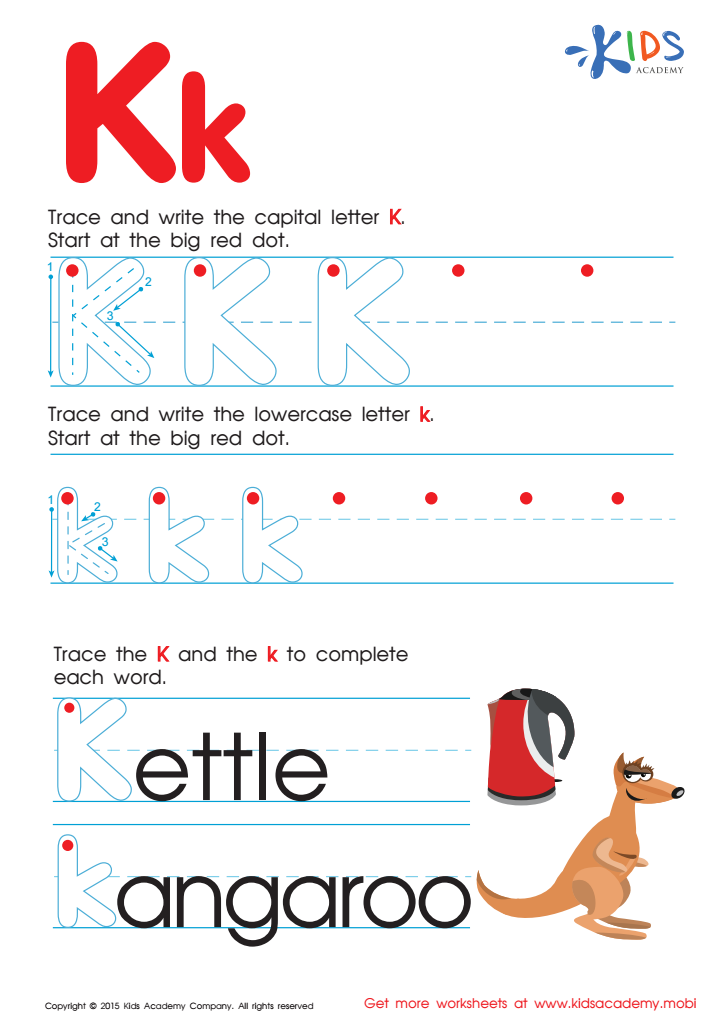
Letter K Tracing Page
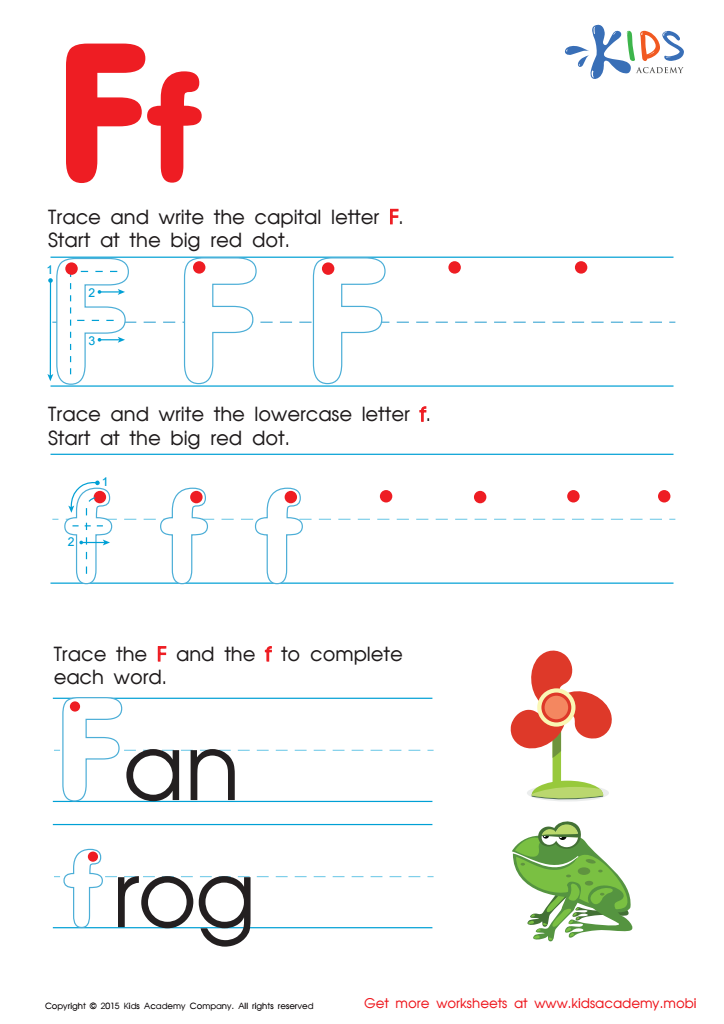
Letter F Tracing Page

Uppercase Letters Y Z Worksheet
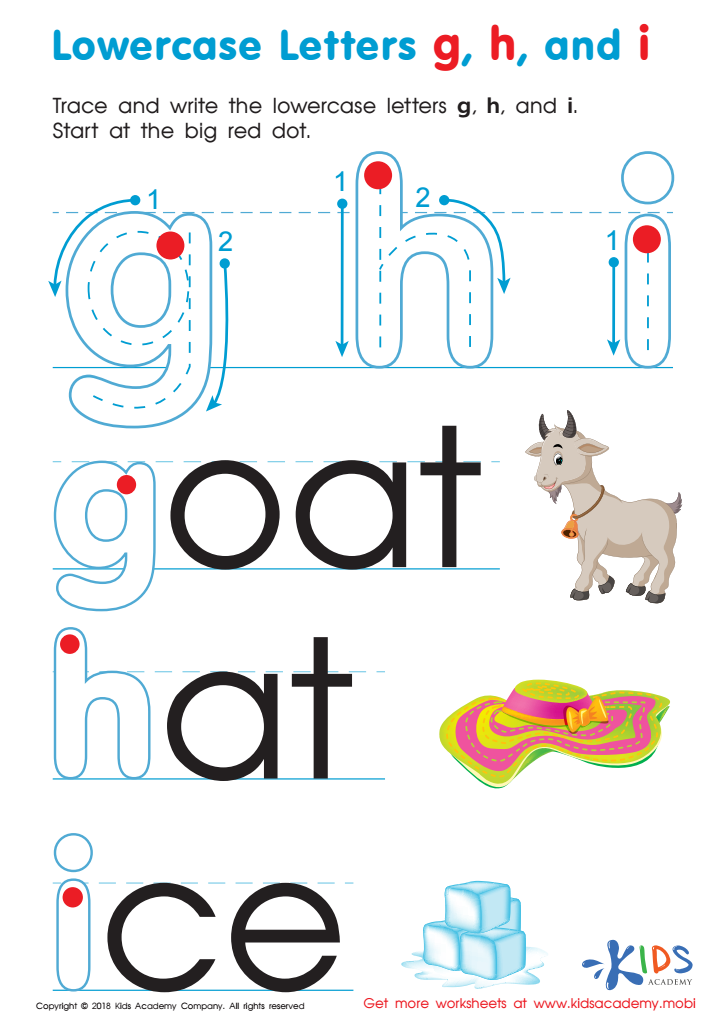
Lowercase Letters g h i Worksheet
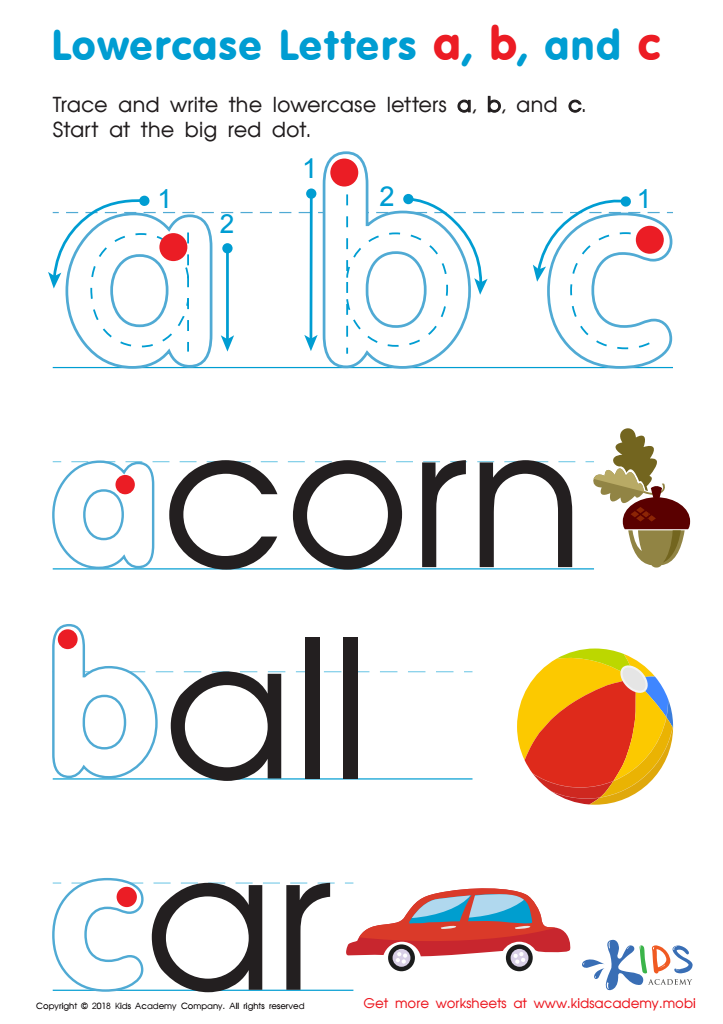
Lowercase Letters a b c Worksheet
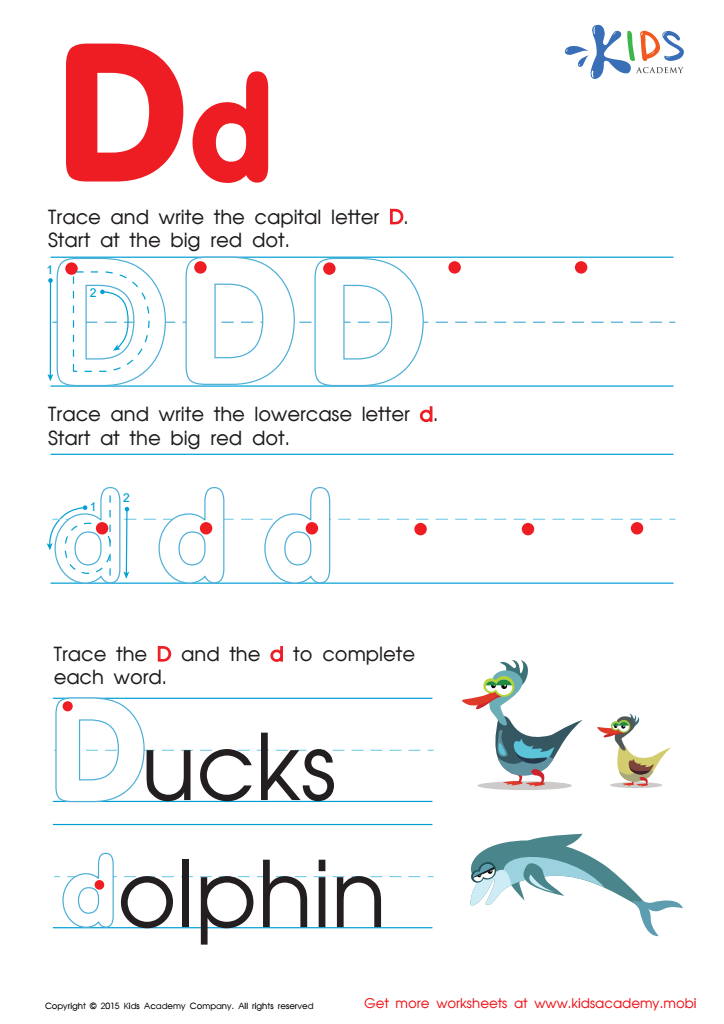
Letter D Tracing Page








Normal tracing letters are an important educational tool for children aged 5-9 as they lay the foundation for effective handwriting and literacy development. At this stage, children are honing their fine motor skills, and tracing letters helps improve hand-eye coordination and muscle memory, crucial for writing independently. By tracing both uppercase and lowercase letters, children gain familiarity with letter forms, thereby enhancing their ability to recognize and produce letters correctly.
Furthermore, tracing activities foster concentration and patience, essential traits that children carry into other learning areas. Engaging in such activities also promotes cognitive processes, as letters are associated with sounds and words during the tracing process, reinforcing phonetic awareness.
Involving parents and teachers in tracing activities encourages a collaborative learning environment, making literacy an enjoyable journey rather than a chore. Positive reinforcement during these activities boosts children’s confidence, transforming their attitude toward writing and learning.
Lastly, practicing Normal tracing letters is more than just handwriting; it stimulates creativity. Parents and teachers should ensure that tracing activities are integrated thoughtfully into learning plans, recognizing their pivotal role in developing effective communication skills and academic success in young learners.








