Handwriting practice Normal English for Beginners Worksheets for Ages 5-9
26 filtered results
-
From - To
Welcome to our Handwriting Practice Normal English Worksheets for Beginners, designed specifically for ages 5-9. These engaging and interactive worksheets help young learners develop essential handwriting skills while building confidence in their writing abilities. Featuring a variety of fun activities and exercises, children will practice letter formation, spacing, and word structure in an enjoyable manner. Ideal for beginners and ESL students alike, our resources foster fine motor skills and promote a solid understanding of English writing. Enhance your child’s handwriting with these thoughtfully crafted worksheets that make learning fun and effective. Start your child’s journey to excellent handwriting today!
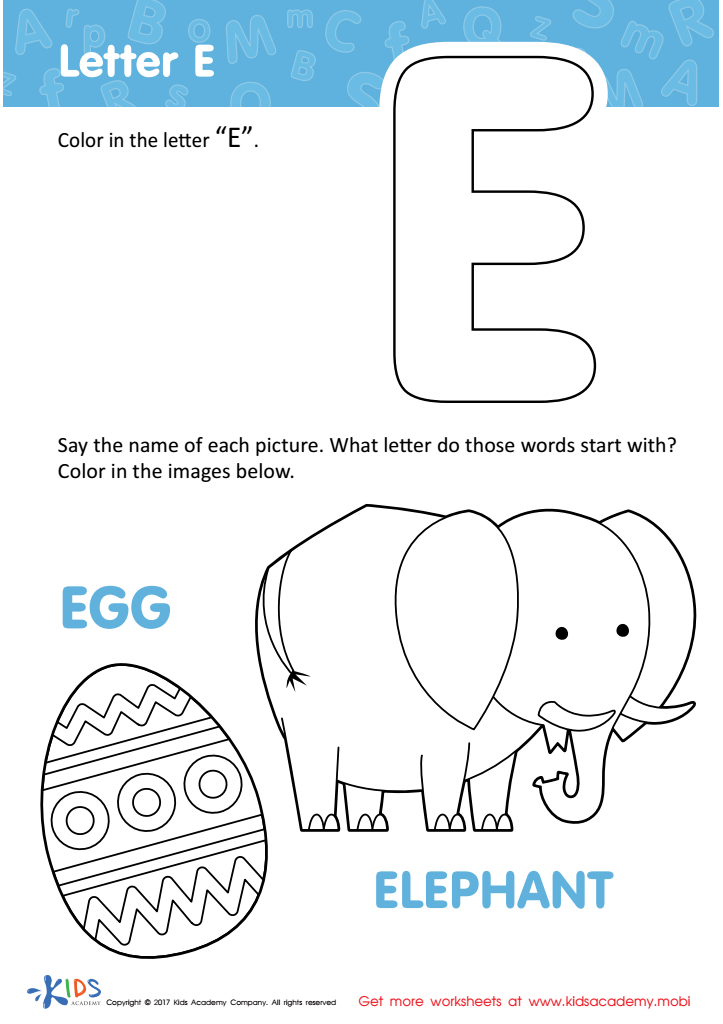
Letter E Coloring Sheet
 Assign to My Students
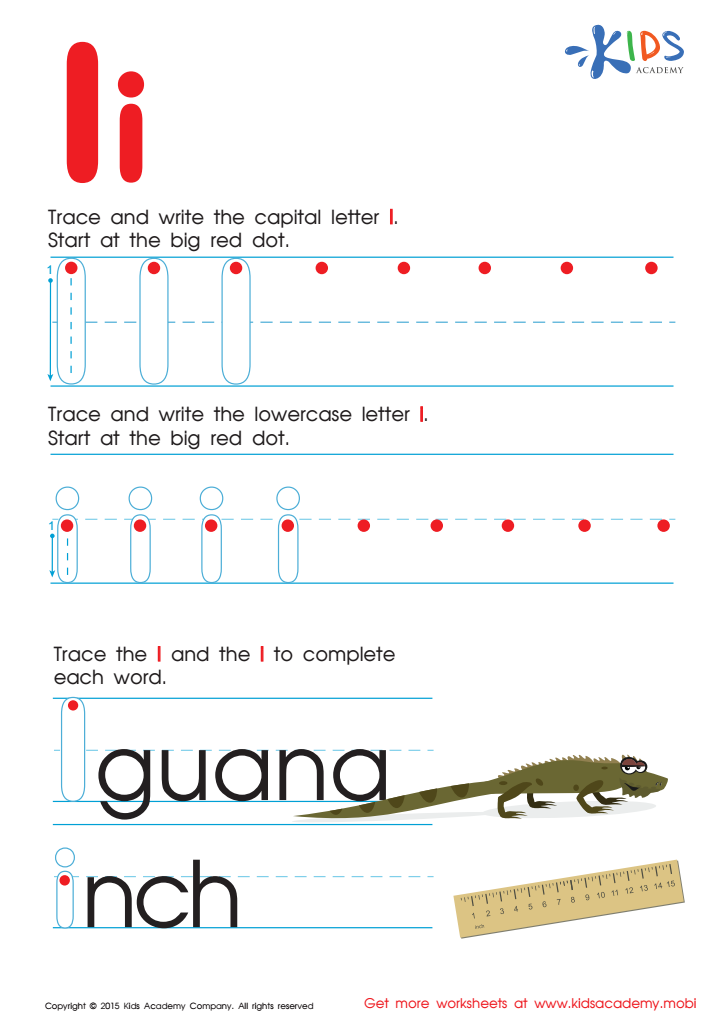
Letter I Tracing Page
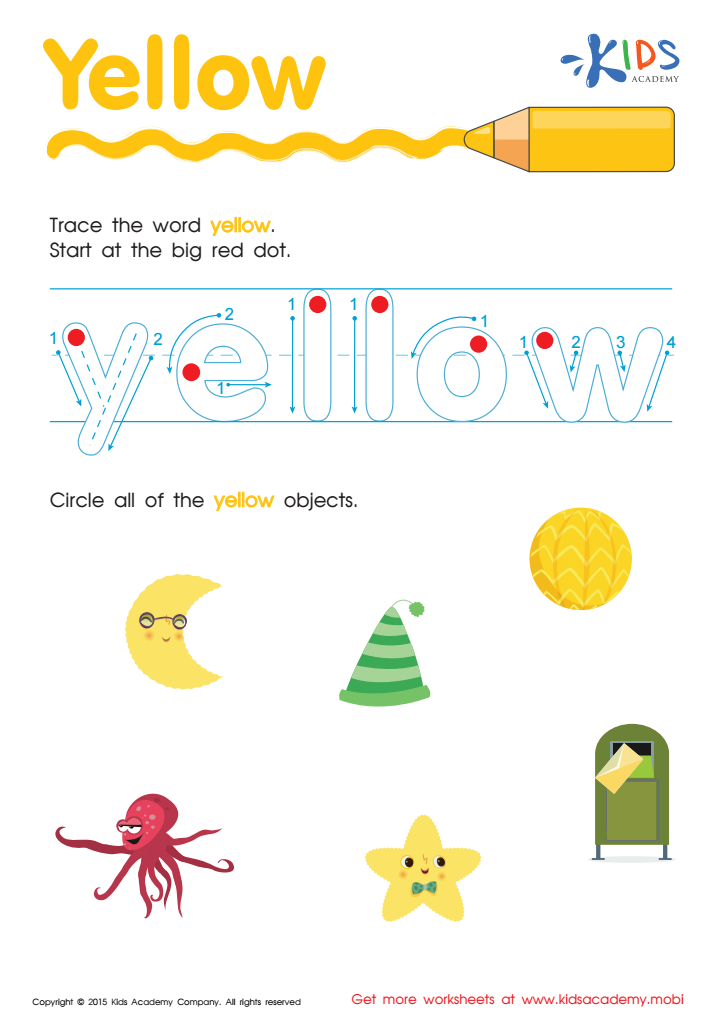
Yellow Tracing Color Words Worksheet
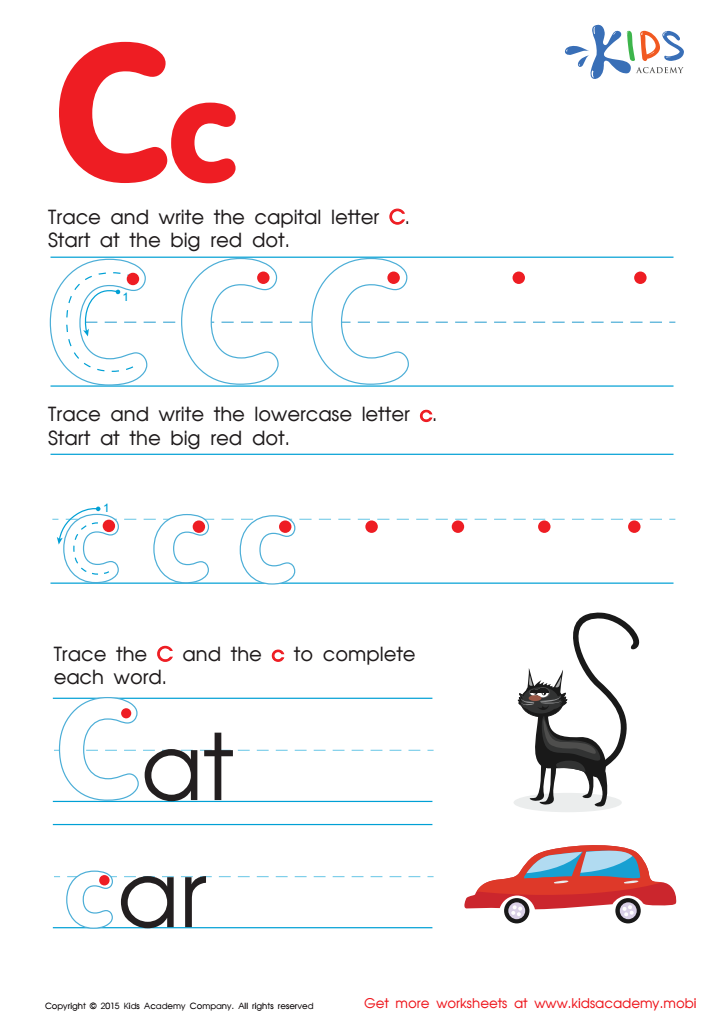
Letter C Tracing Page
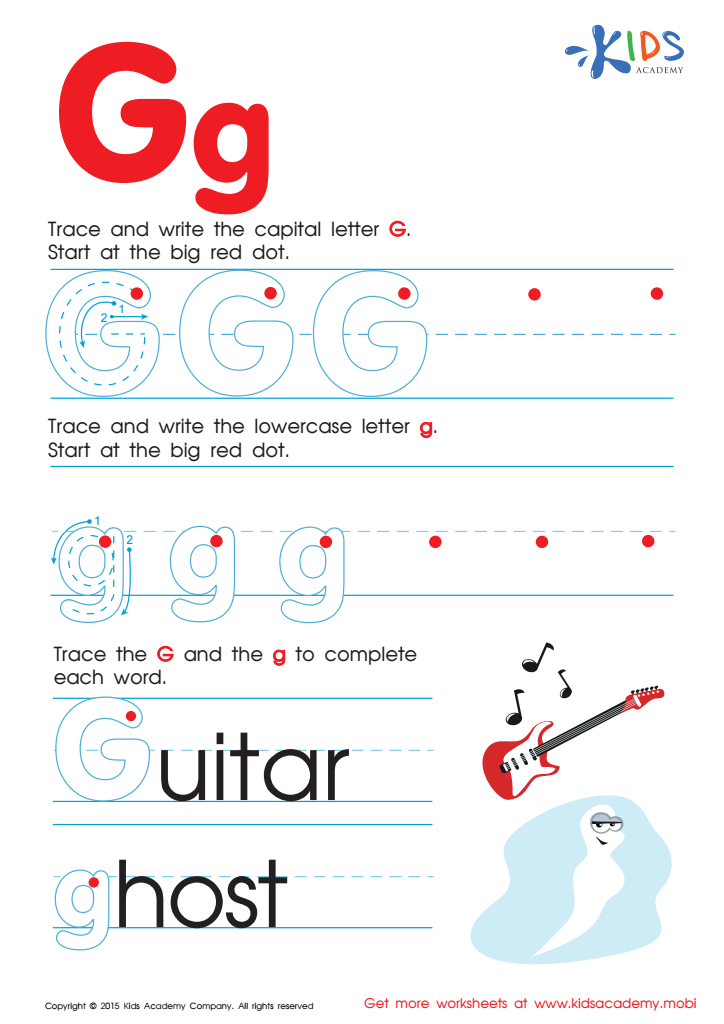
Letter G Tracing Page
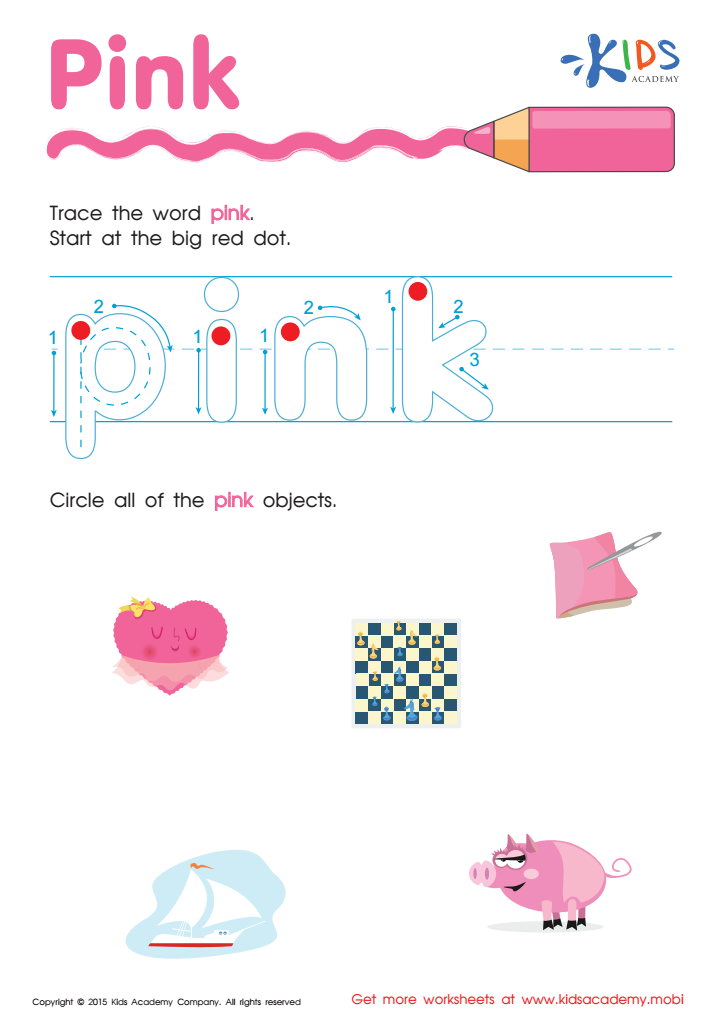
Pink Tracing Color Words Worksheet
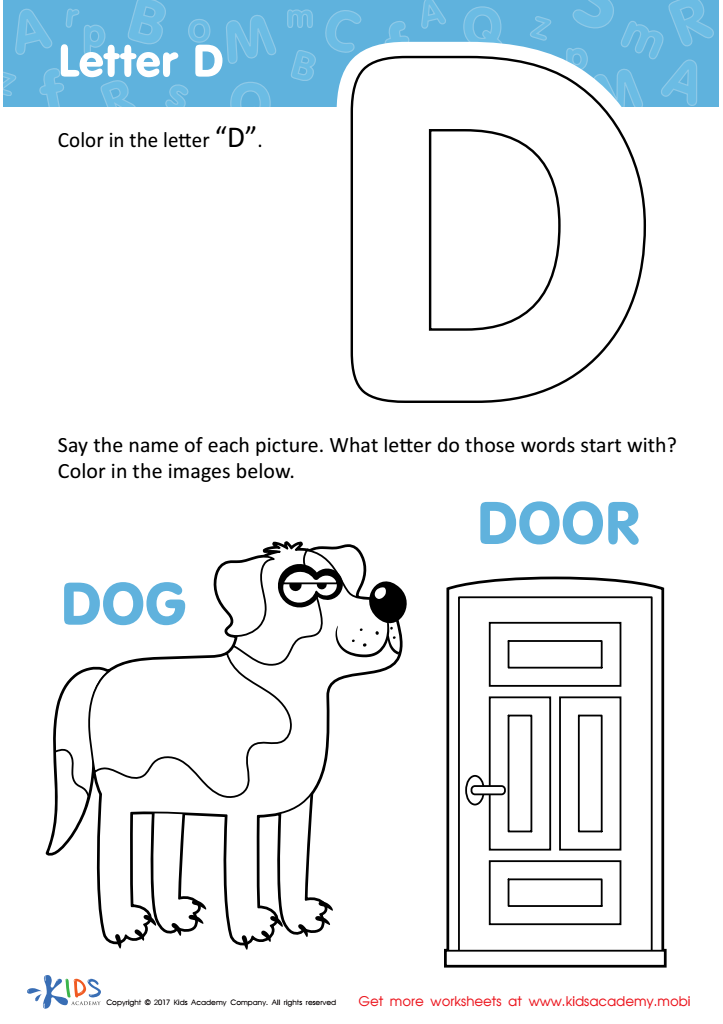
Letter D Coloring Sheet
Assign to My Students
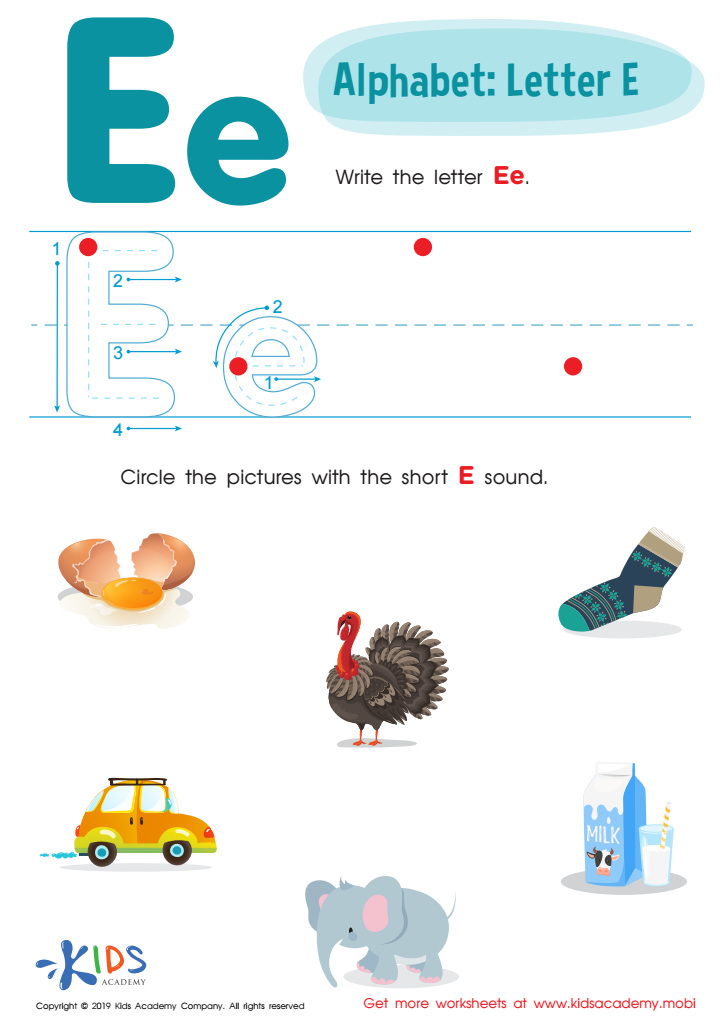
Letter E Tracing Worksheet
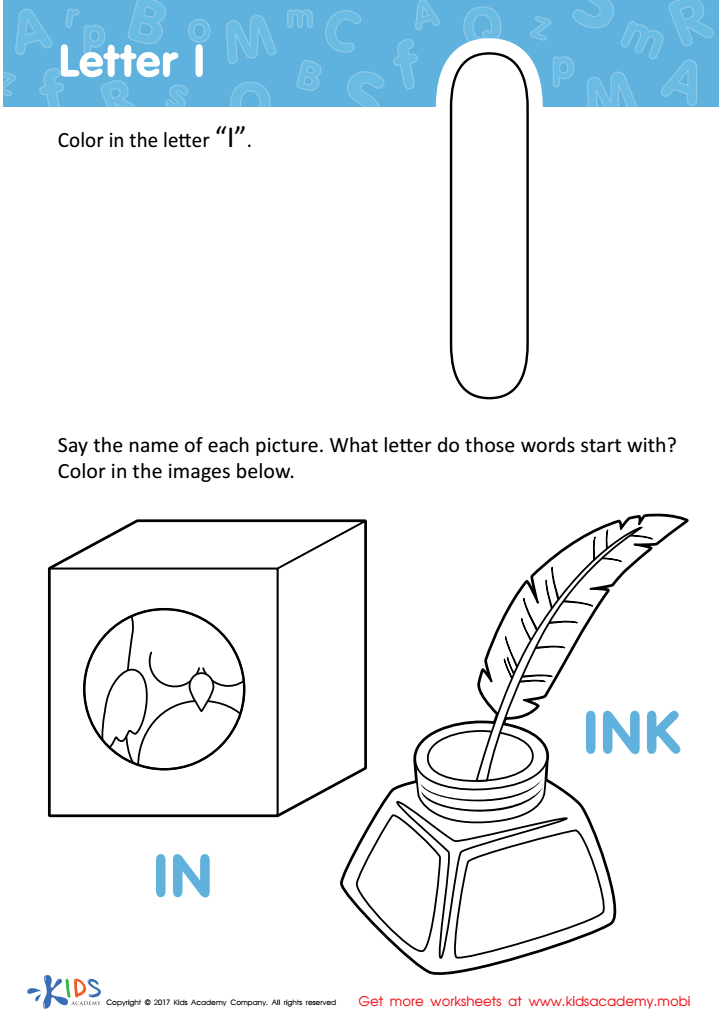
Letter I Coloring Sheet
Assign to My Students
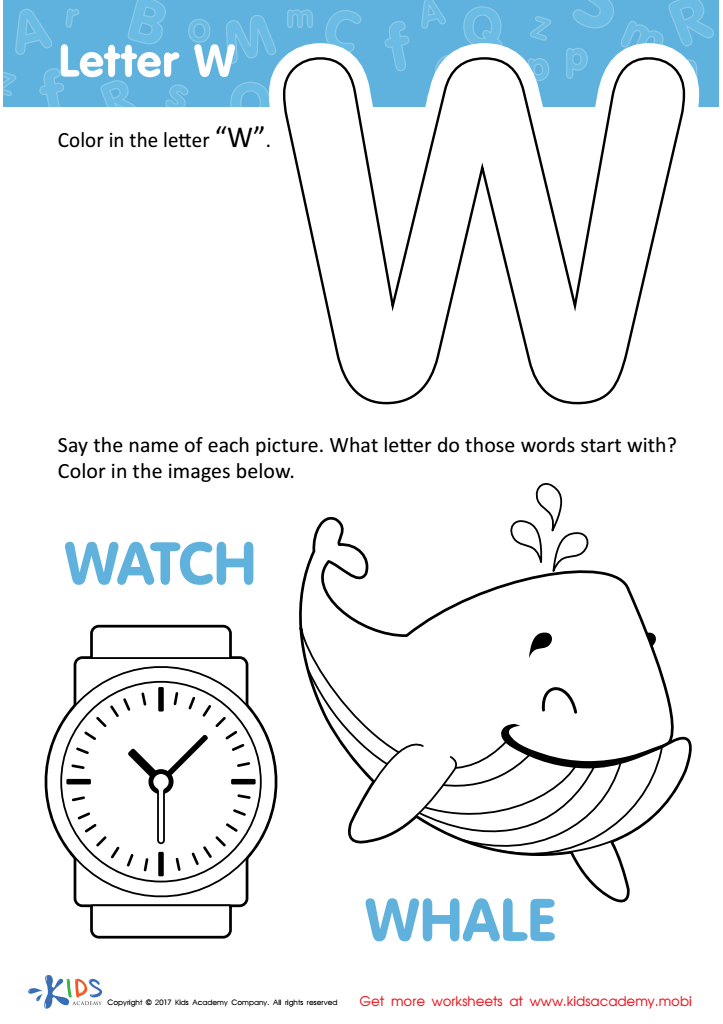
Letter W Coloring Sheet
Assign to My Students
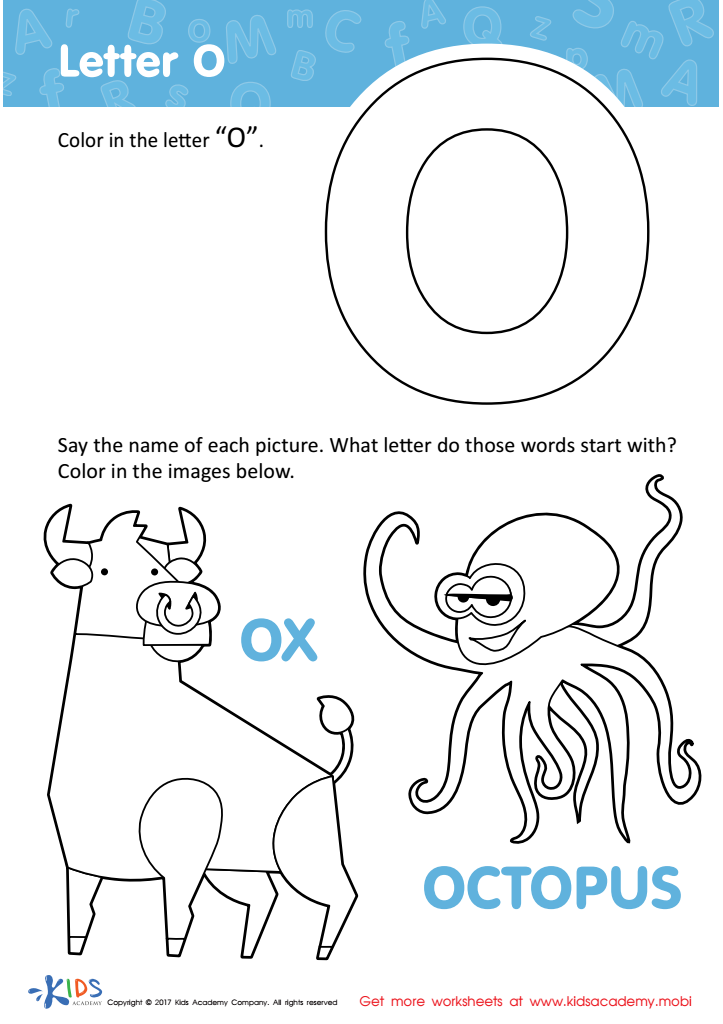
Letter O Coloring Sheet
Assign to My Students
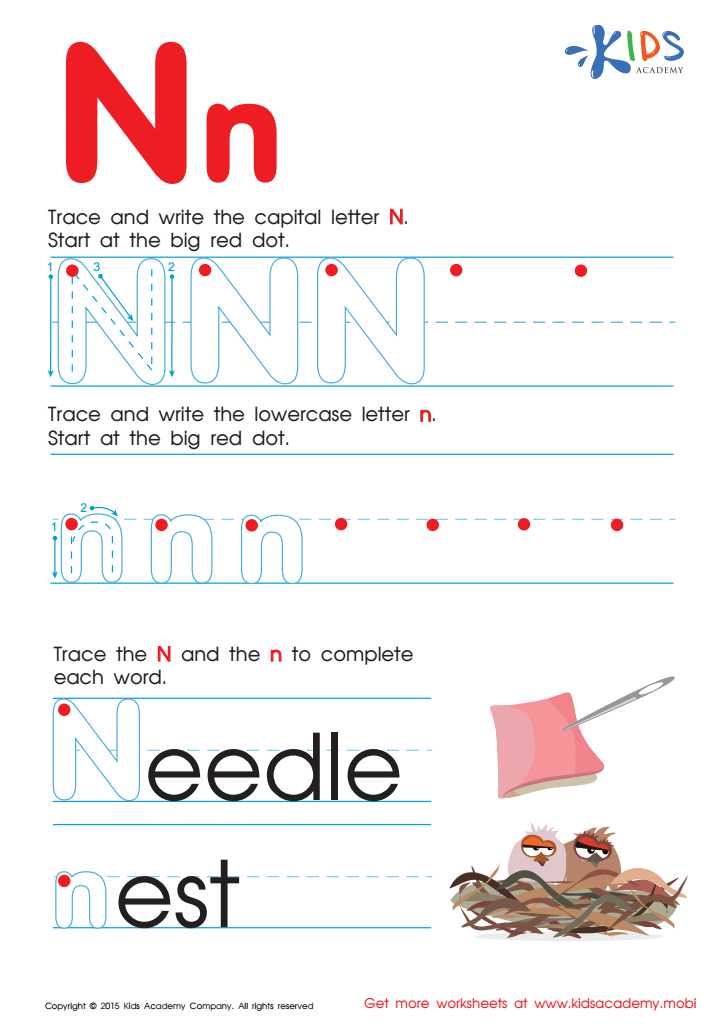
Letter N Tracing Page
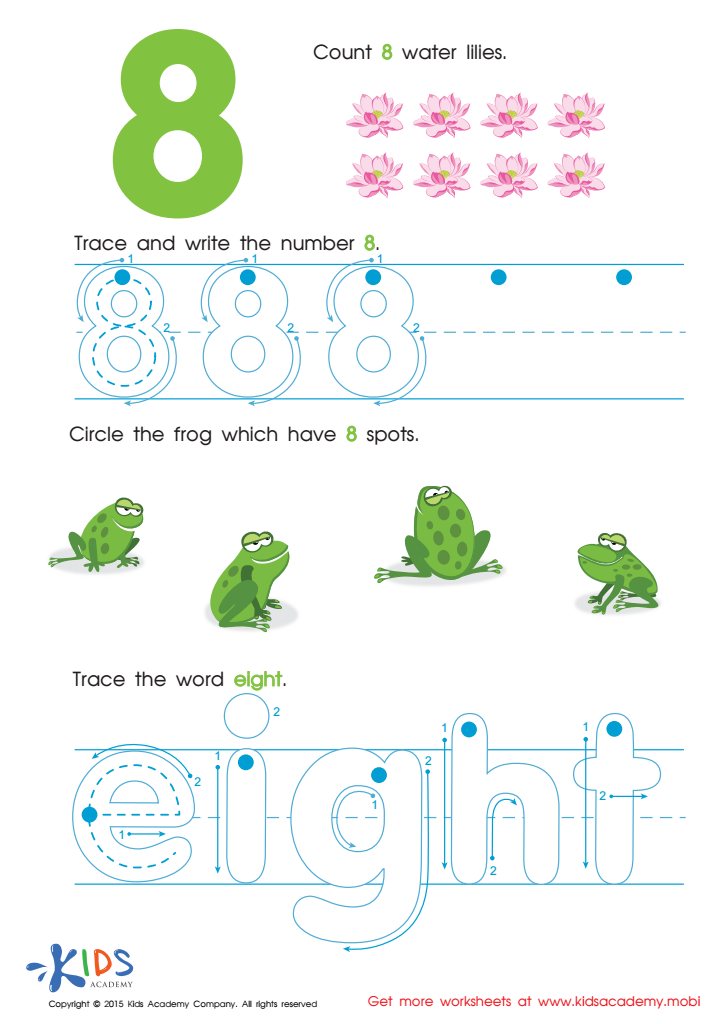
Learn Number 8 Easily Worksheet
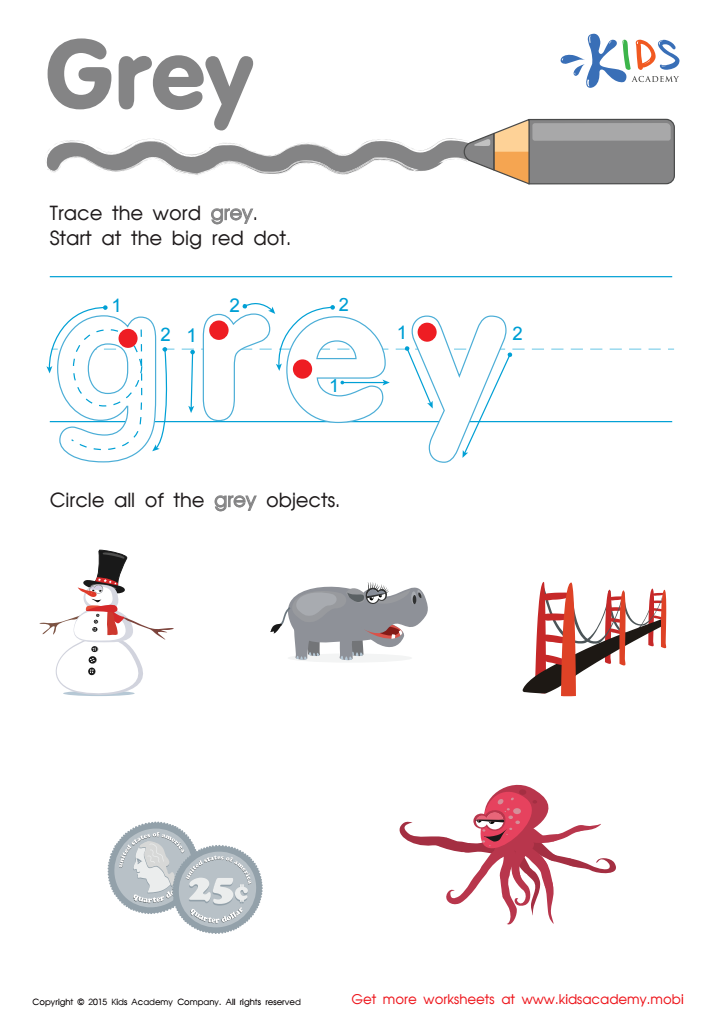
Grey Tracing Color Words Worksheet
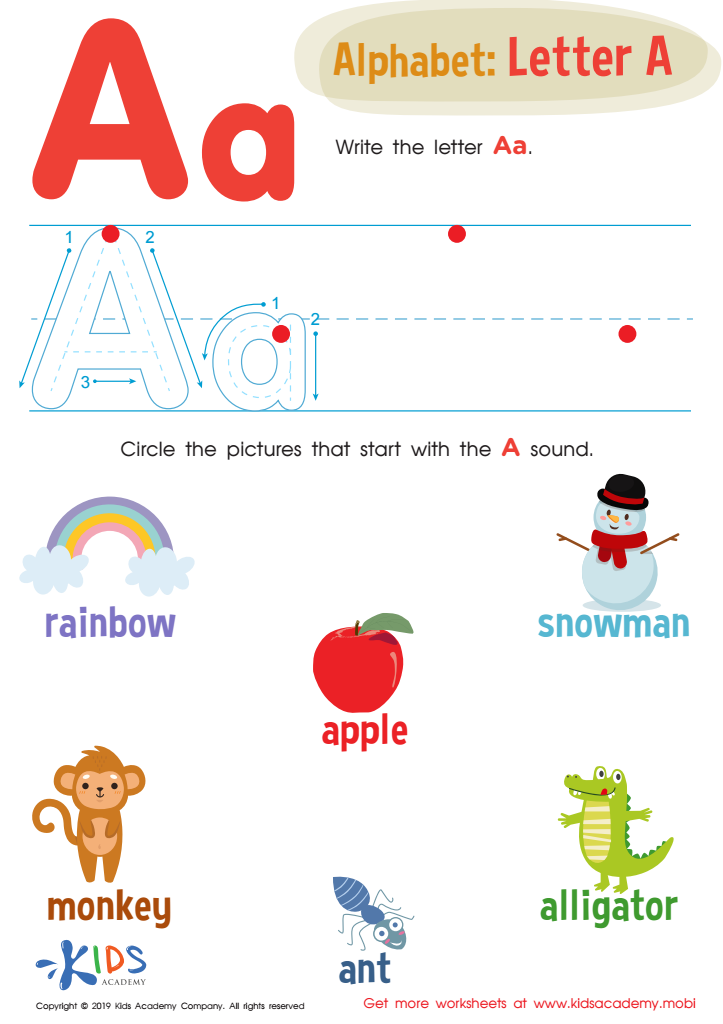
Letter A Tracing Worksheet
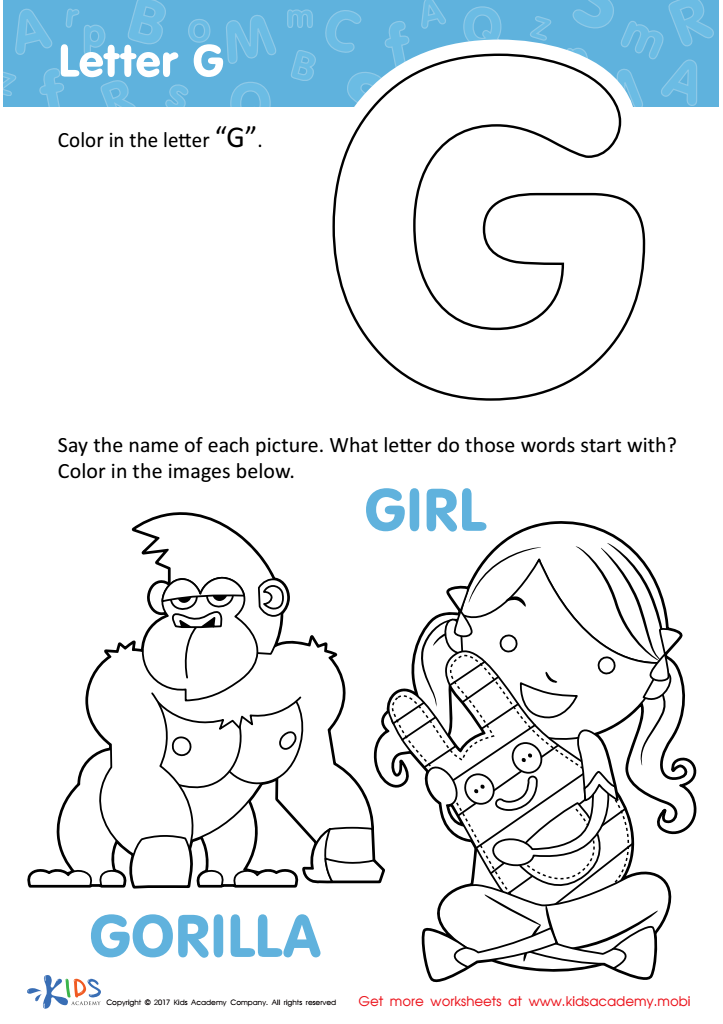
Letter G Coloring Sheet
Assign to My Students
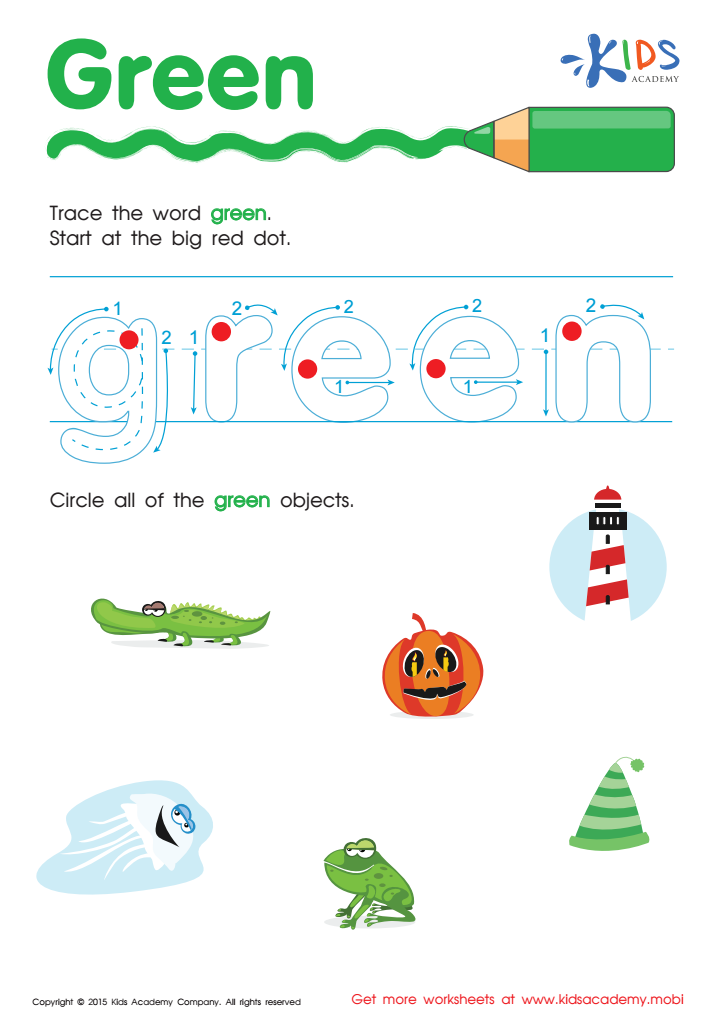
Green Tracing Color Words Worksheet
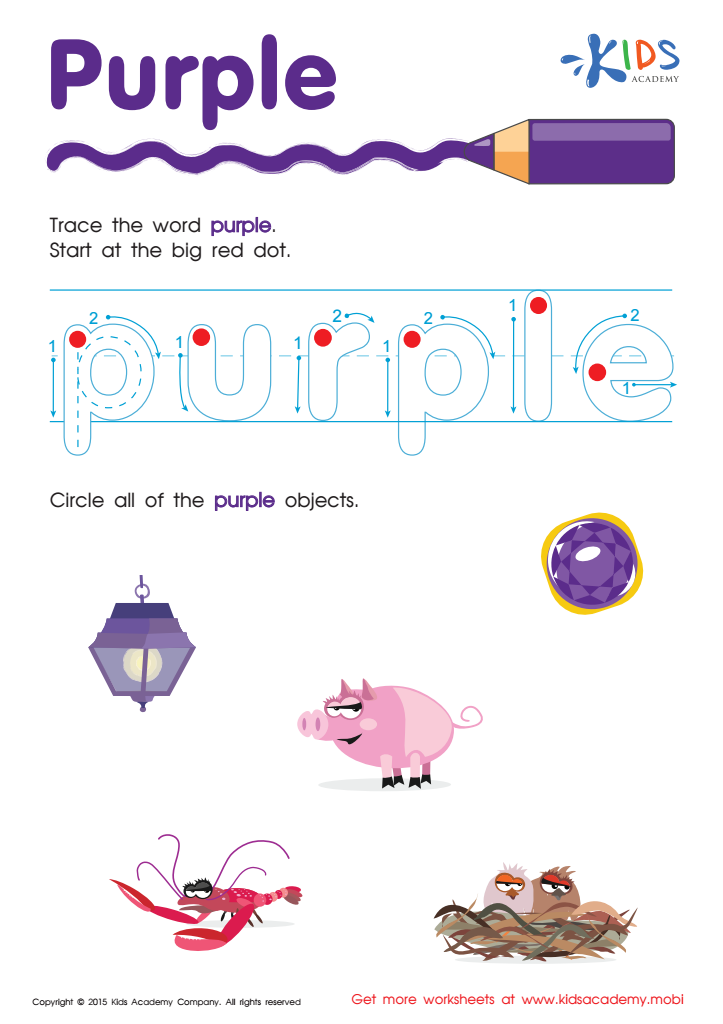
Purple Tracing Color Words Worksheet
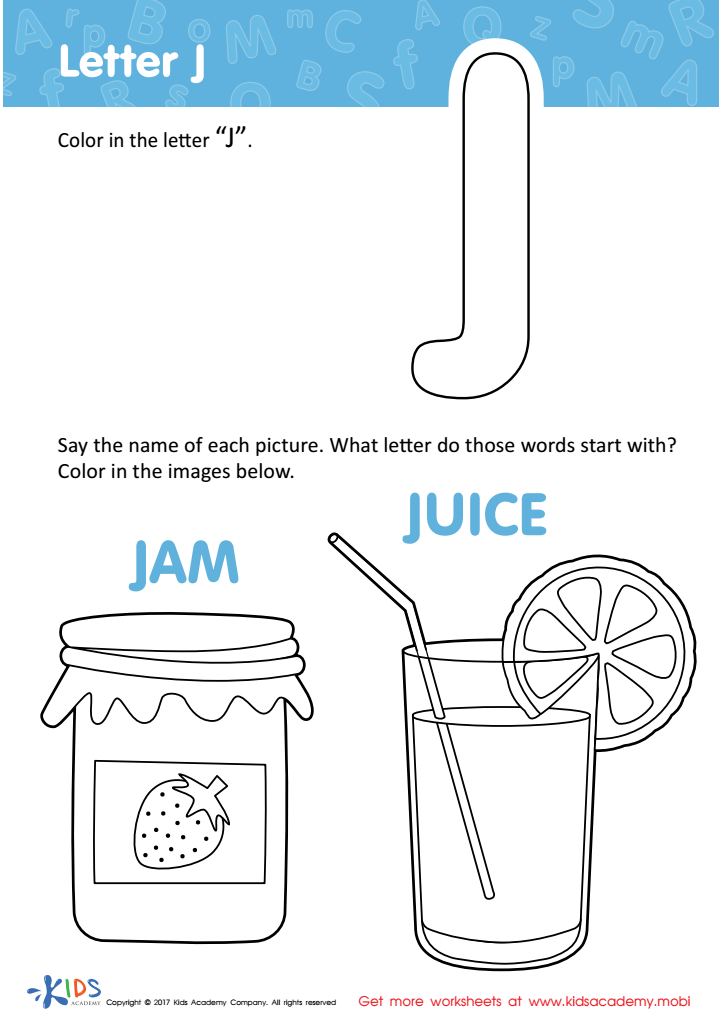
Letter J Coloring Sheet
Assign to My Students
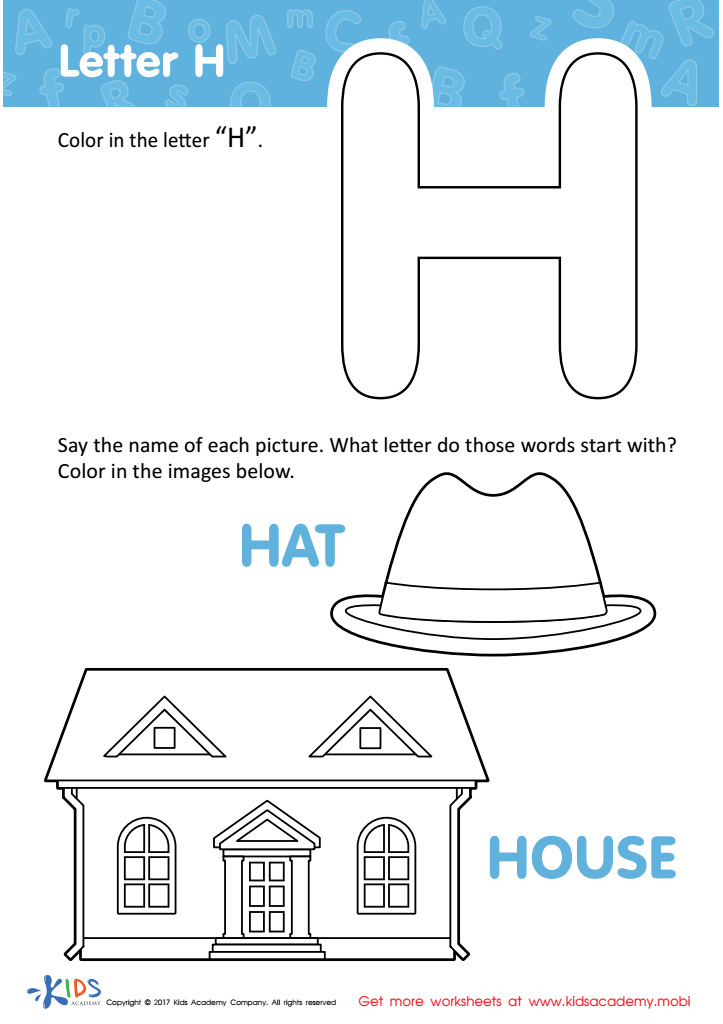
Letter H Coloring Sheet
Assign to My Students
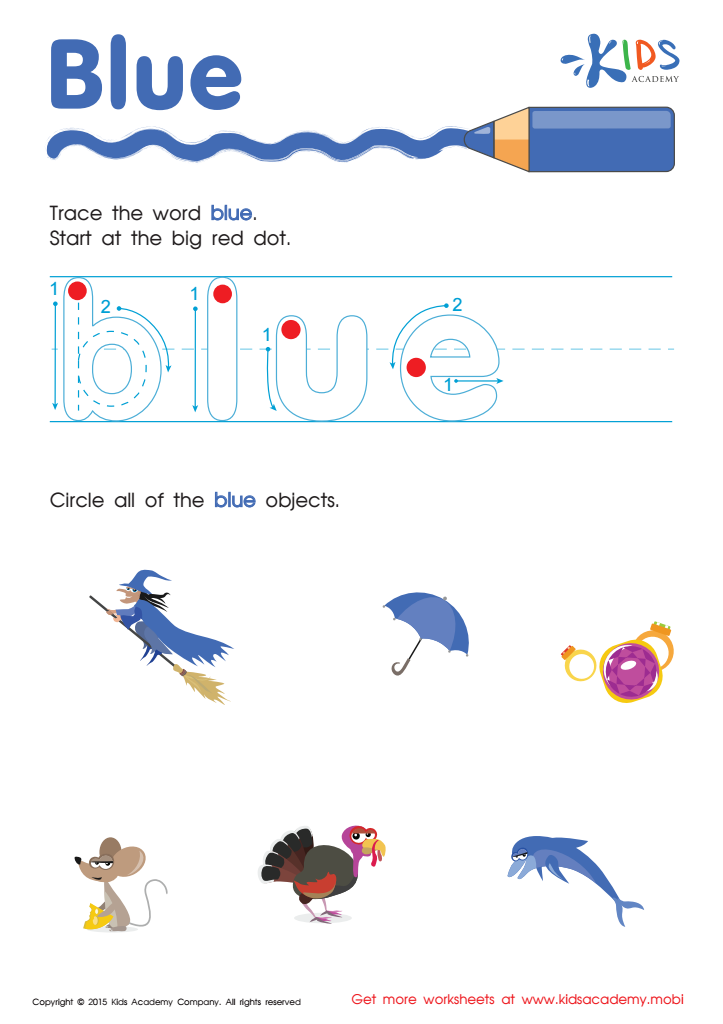
Blue Tracing Color Words Printable
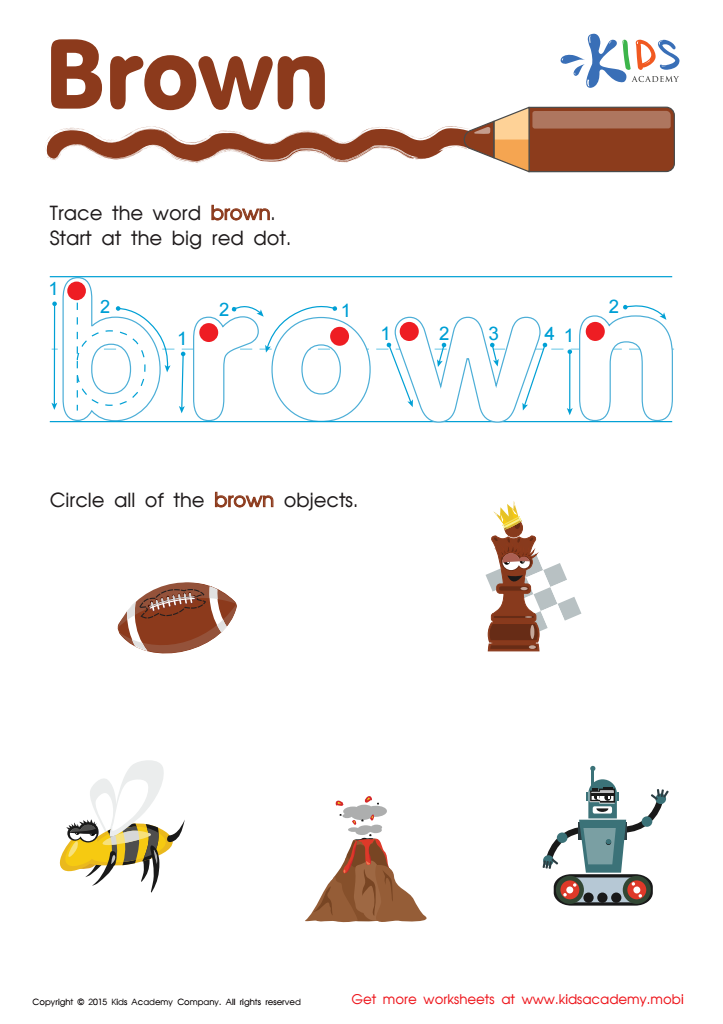
Brown Tracing Color Words Worksheet
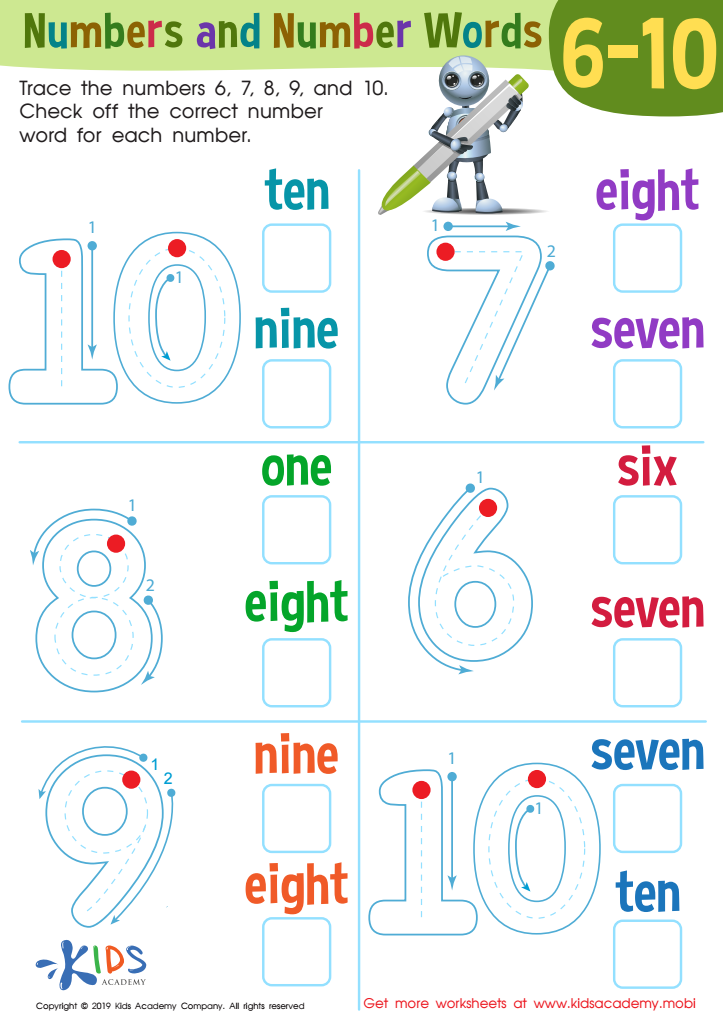
Numbers and Number Words 6–1 Worksheet
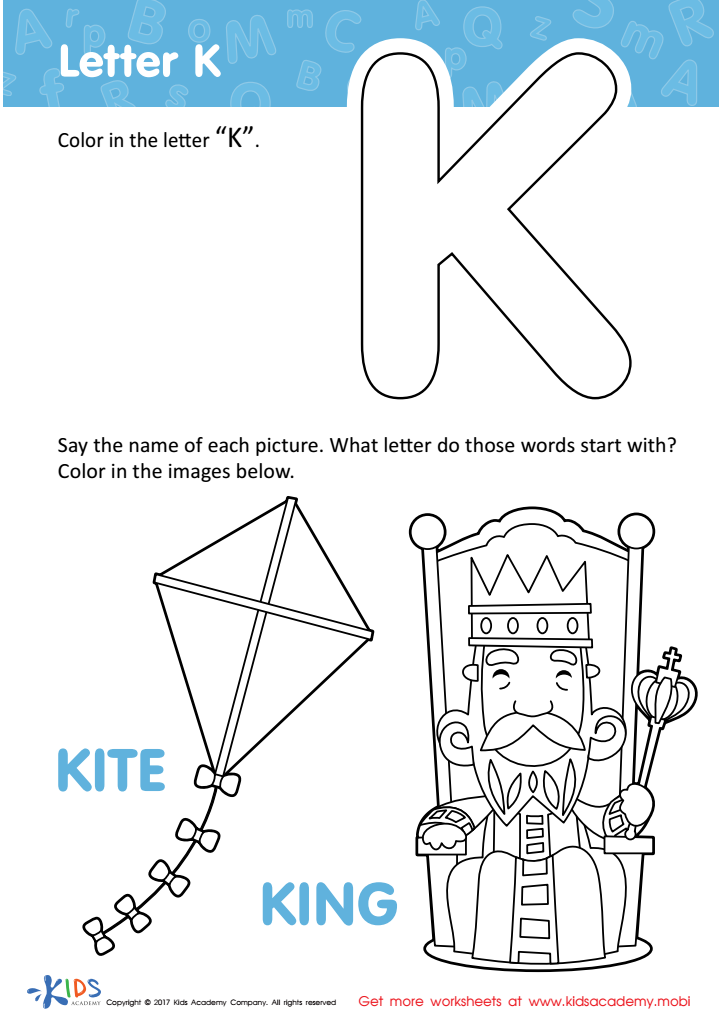
Letter K Coloring Sheet
Assign to My Students





Handwriting practice is crucial for children aged 5-9 for several key reasons. Firstly, developing good handwriting skills supports literacy. As children are learning to read and write, legible handwriting helps them express their thoughts clearly, reinforcing their understanding of language. It’s important for their emotional development, too; when kids can clearly write their ideas, they gain confidence in their abilities.
Secondly, handwriting enhances fine motor skills. The act of forming letters engages small muscles in the hands, which is necessary for everyday activities like buttoning clothes and using scissors. These skills contribute to overall physical development.
Additionally, handwriting fosters discipline and concentration. Practicing letters and words requires focus, teaching children the habits of persistence and attention to detail, which are beneficial for all areas of learning.
In today’s fast-paced digital age, where typing is prevalent, honing handwriting skills may seem less significant. However, the cognitive benefits gained from writing by hand—such as memory retention and improved comprehension—are invaluable.
In summary, parents and teachers should prioritize handwriting practice for young children, as it lays a foundational role in literacy, physical coordination, personal confidence, and cognitive development, essential for their long-term learning success.