Basic arithmetic practice Normal Worksheets for Ages 5-9
5 filtered results
-
From - To
Our Basic Arithmetic Practice Normal Worksheets cater to children ages 5-9, designed to build a strong mathematical foundation. Engage your child with fun and interactive exercises that enhance addition, subtraction, multiplication, and division skills. These worksheets provide a range of problems from simple calculations to more complex challenges, fostering both confidence and competence in math. Ideal for classroom use or at-home practice, our worksheets are crafted to align with early learning standards, ensuring your child is well-prepared for future academic success. Help your young learner excel in math with our expertly designed arithmetic practice sheets.
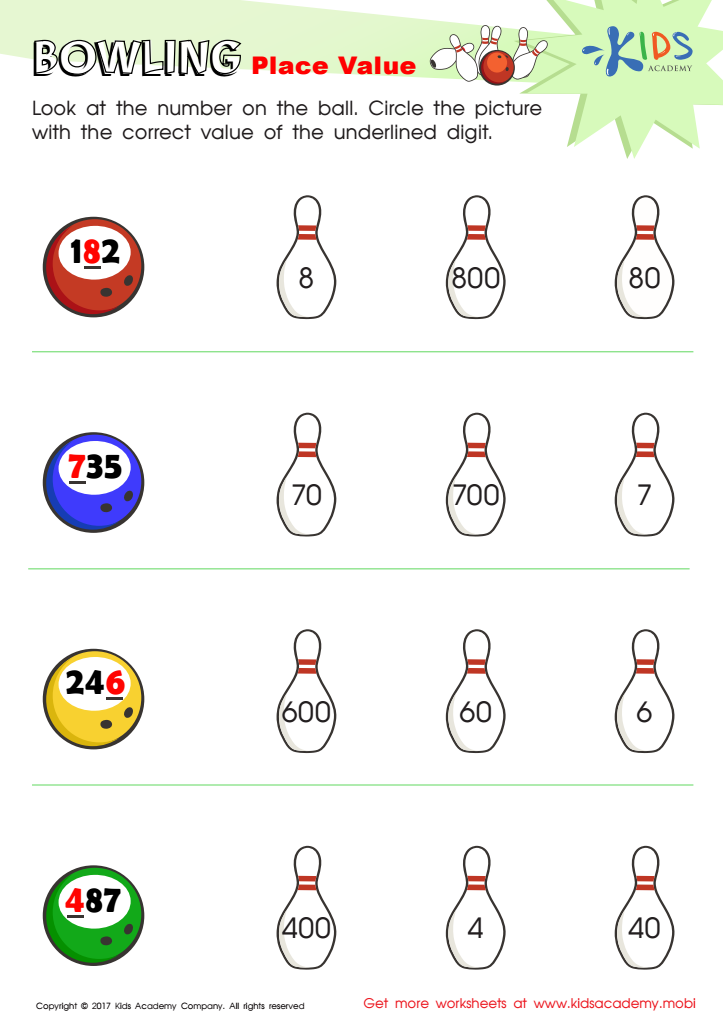
Place Value Worksheet
 Assign to My Students
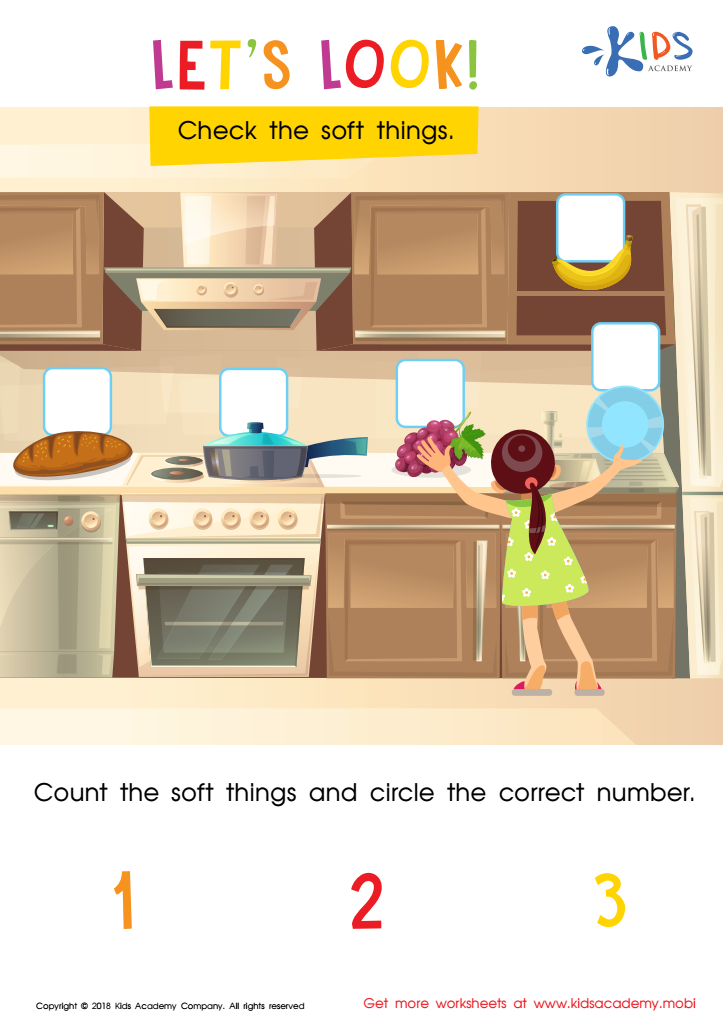
Let's Look! Assessment Worksheet
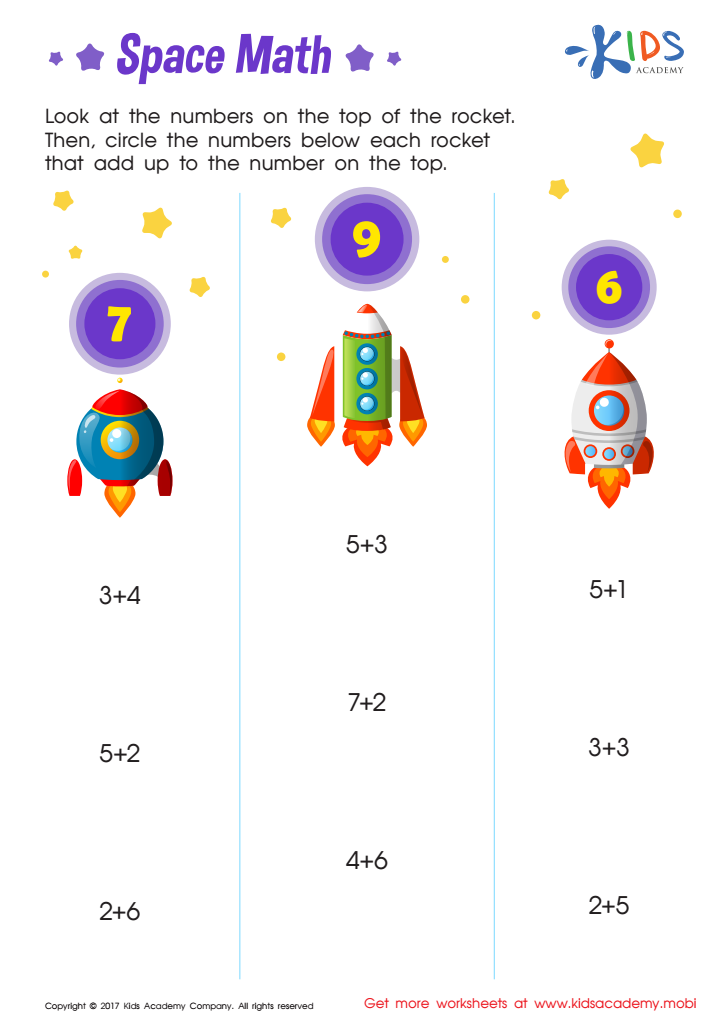
Addition: Space Math Worksheet
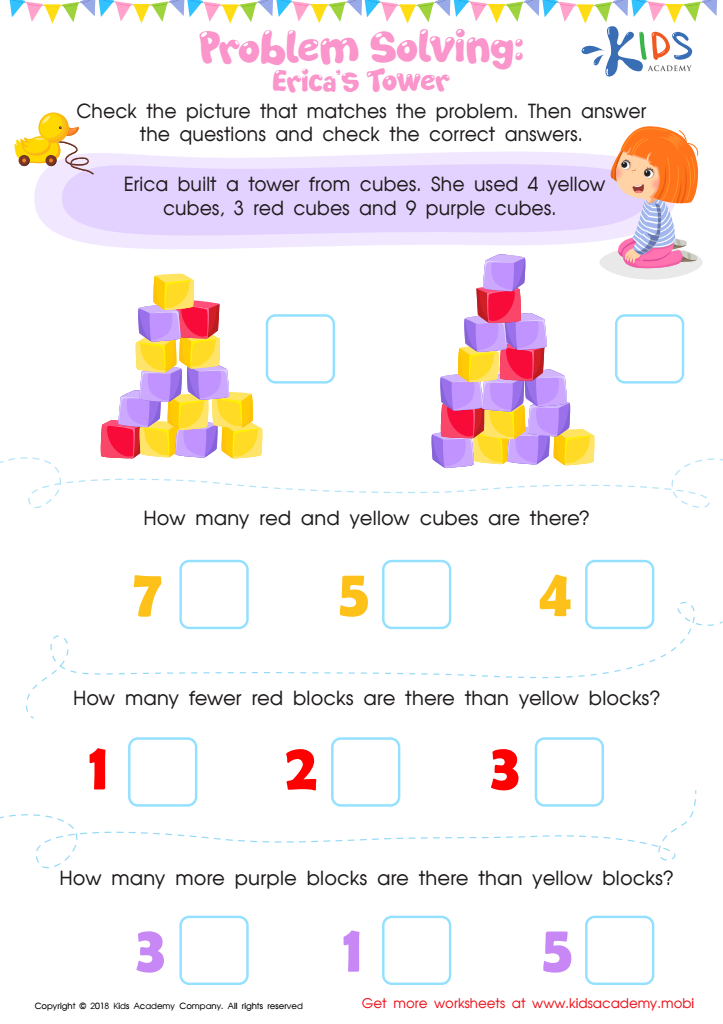
Problem Solving: Erica's Tower Worksheet
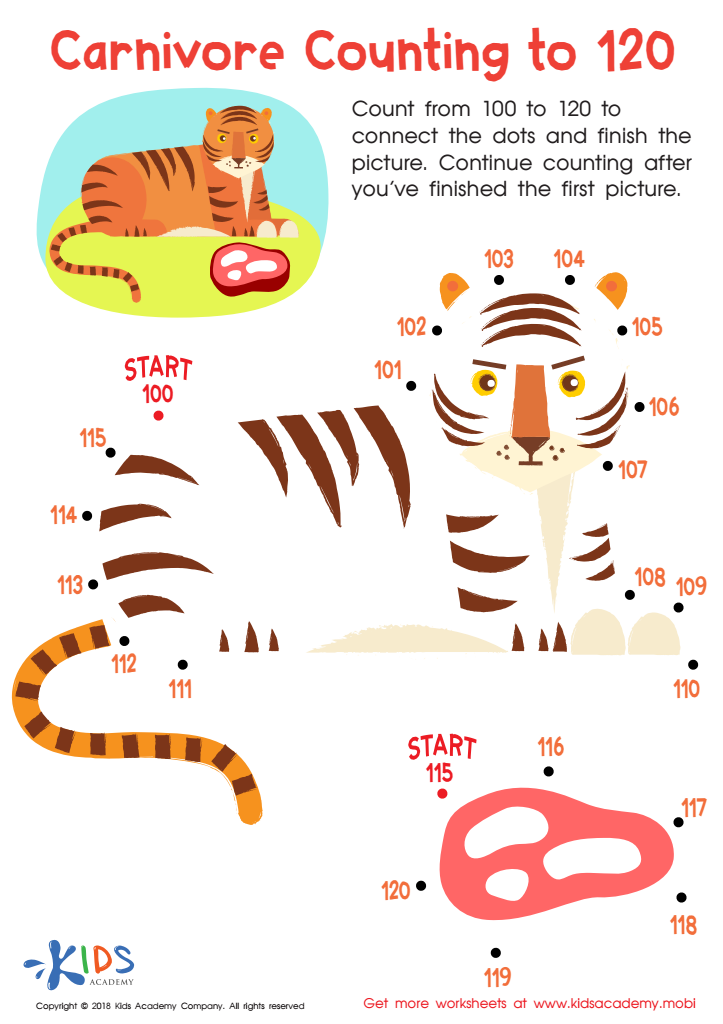
Carnivore Counting to 120 Worksheet







Basic arithmetic practice is fundamental for children aged 5-9 because it lays the groundwork for developing essential cognitive and problem-solving skills. During these formative years, children’s brains are highly adaptable and able to grasp foundational mathematical concepts like addition, subtraction, multiplication, and division. These skills translate into real-world applications and critical thinking abilities that are vital throughout their education and beyond.
Parents and teachers play a crucial role in facilitating this early learning process. Engaging in regular arithmetic practice helps build children’s confidence in using numbers, fostering a positive attitude toward math. This confidence is crucial because a positive early experience with math can lead to ongoing academic success and a greater willingness to tackle more complex problems in the future.
Additionally, arithmetic practice enhances fine motor skills and cognitive processes such as memory, attention, and logical reasoning. It provides children with a sense of achievement as they solve problems and see their progress. This sense of accomplishment can motivate them to continue learning and exploring other subjects with curiosity and enthusiasm.
By prioritizing basic arithmetic practice, parents and teachers set children on a path to academic and life-long success, ensuring they possess the numeracy skills necessary for everyday tasks and future career opportunities.








