Basic Math Skills Normal Worksheets for Ages 5-9 - Page 2
43 filtered results
-
From - To
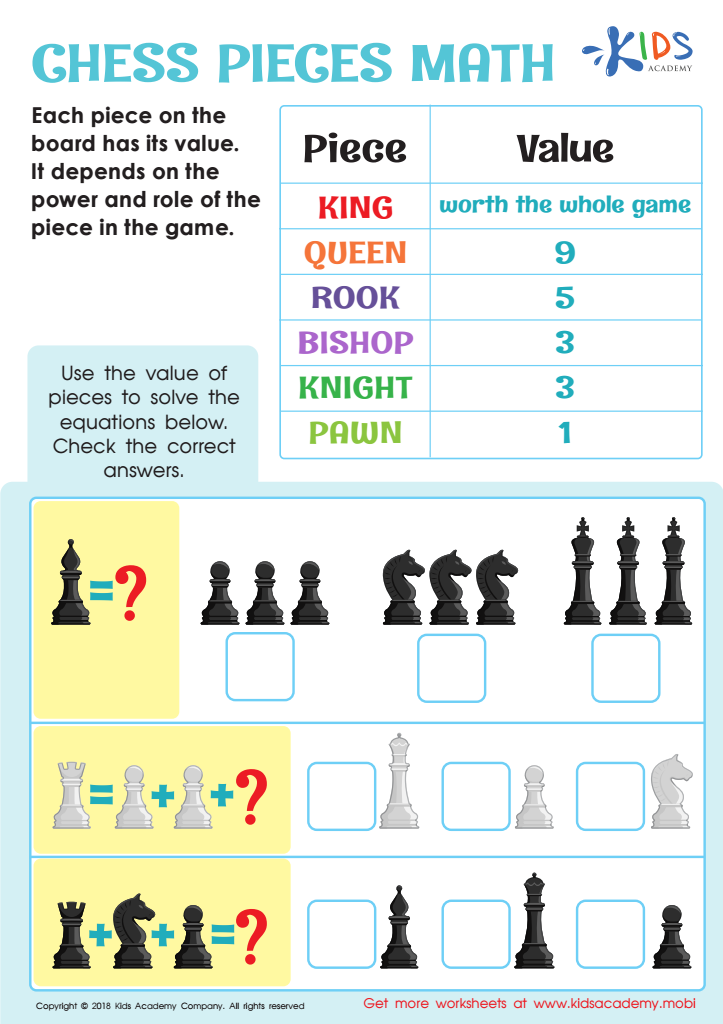
Chess Pieces Math Worksheet
 Assign to My Students
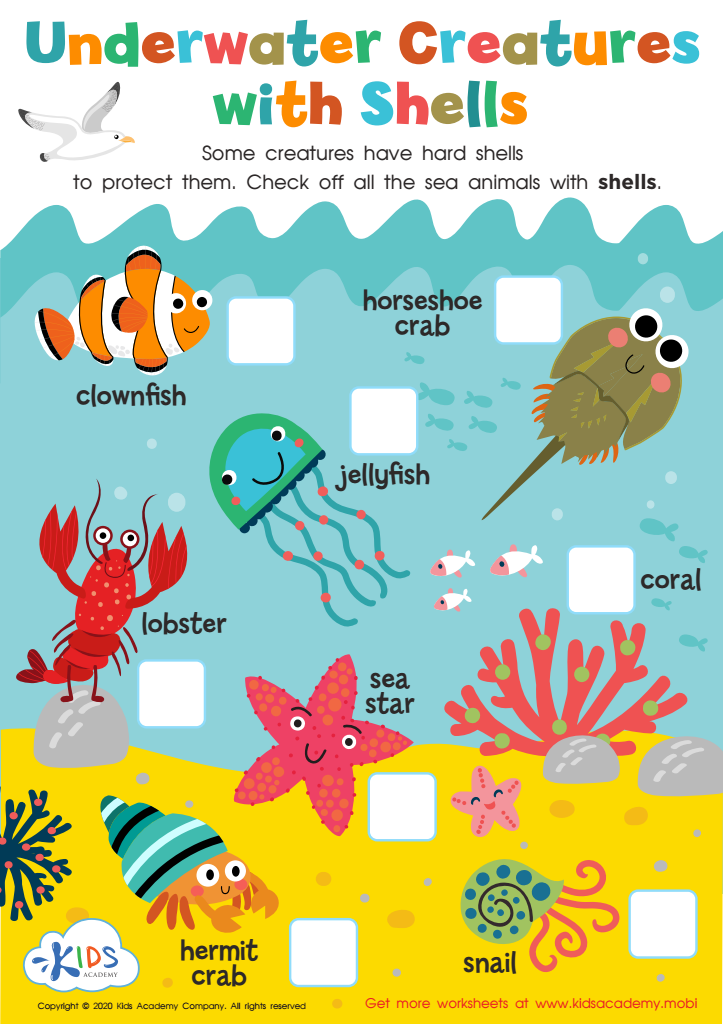
Underwater Creatures with Shells Worksheet
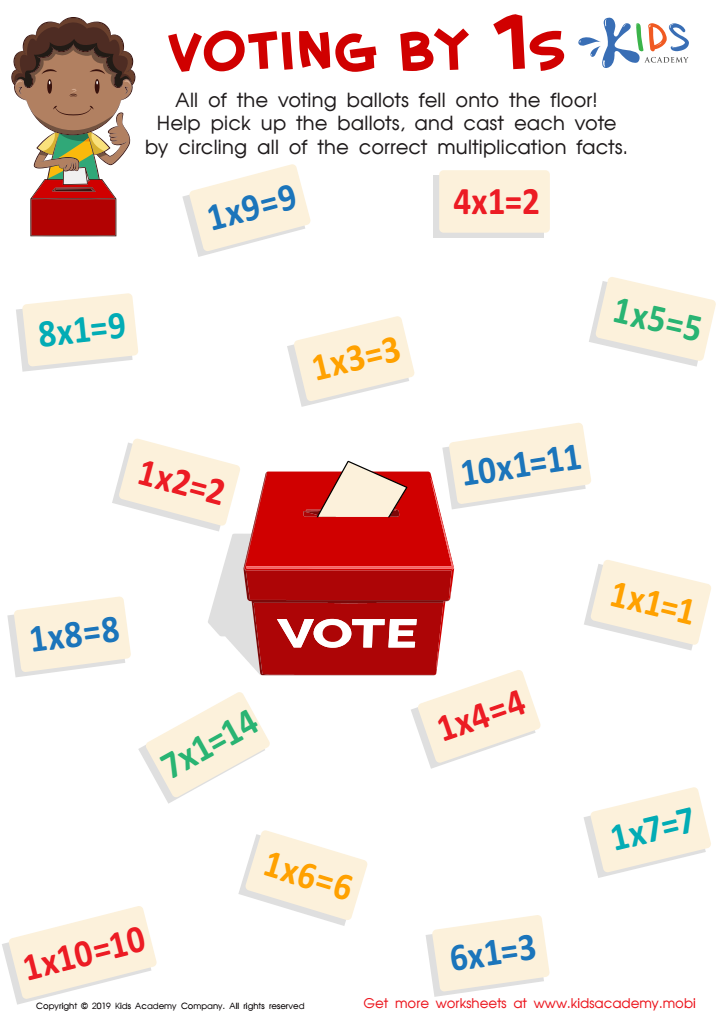
Voting by 1s Worksheet

Count and Match Vegetables and Points Math Worksheet
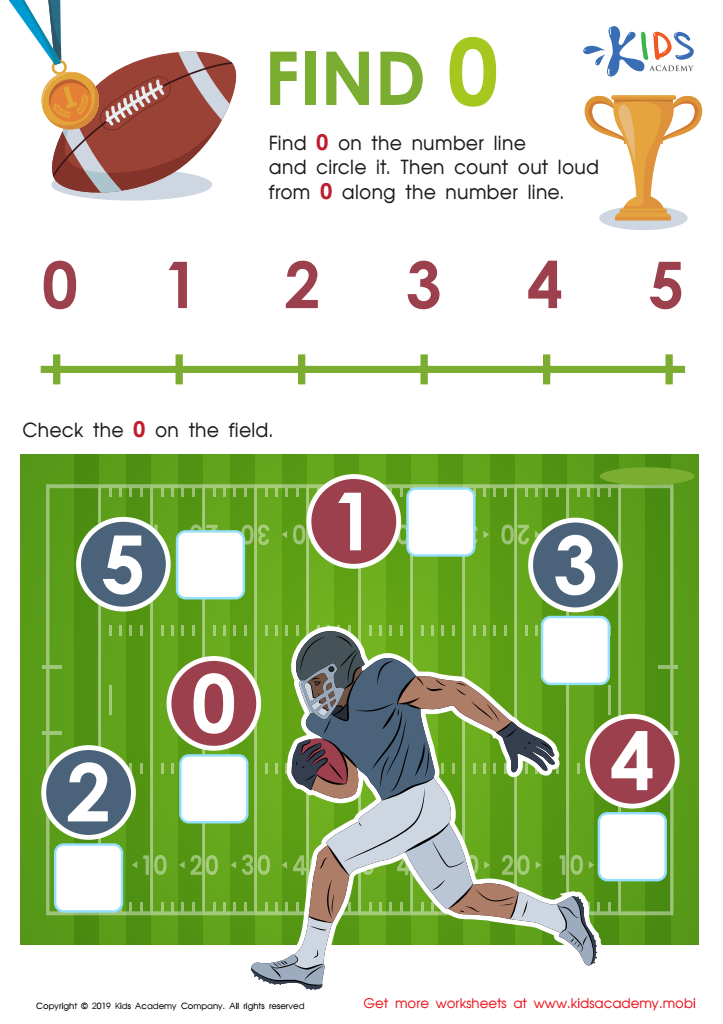
Find 0 Worksheet
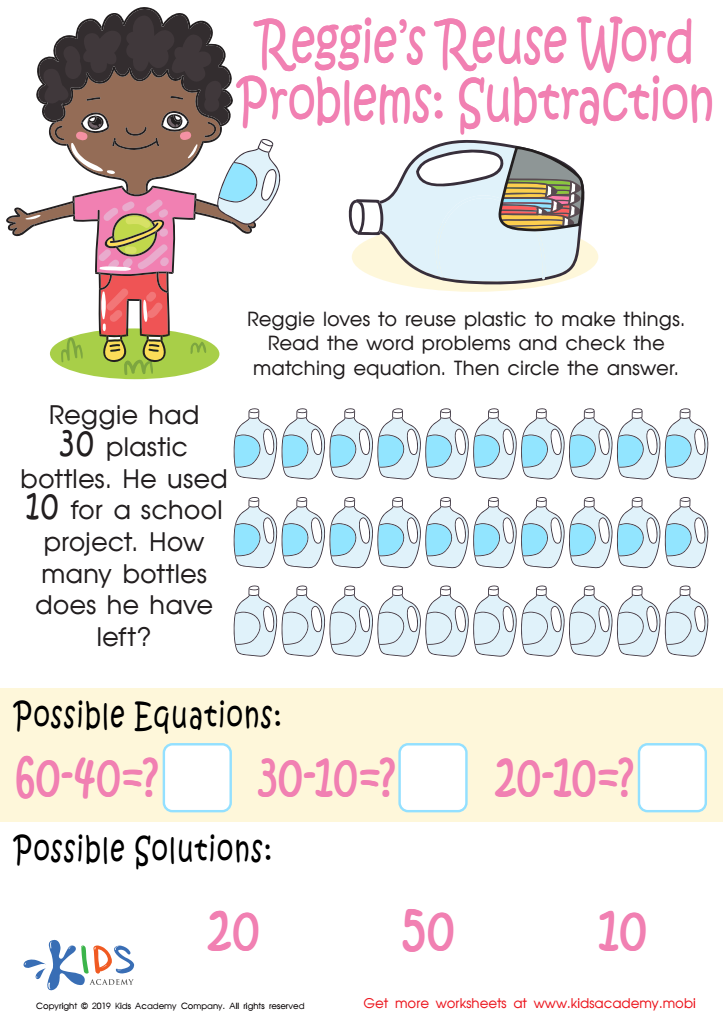
Reggie's Reuse Word Problems: Subtraction Worksheet
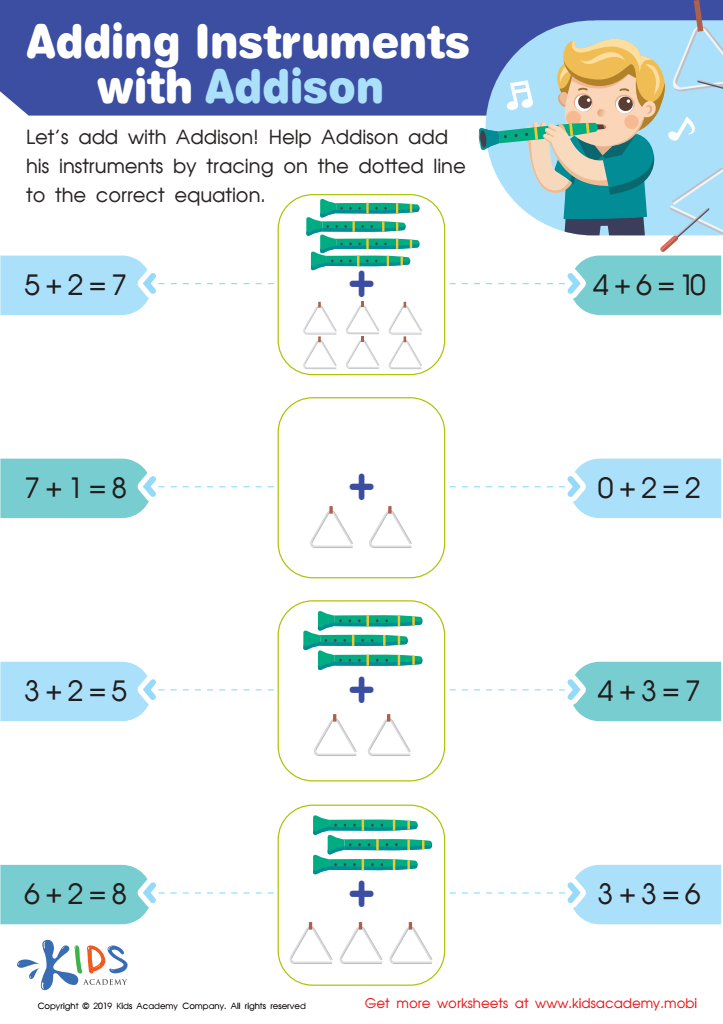
Adding Instruments with Addison Worksheet
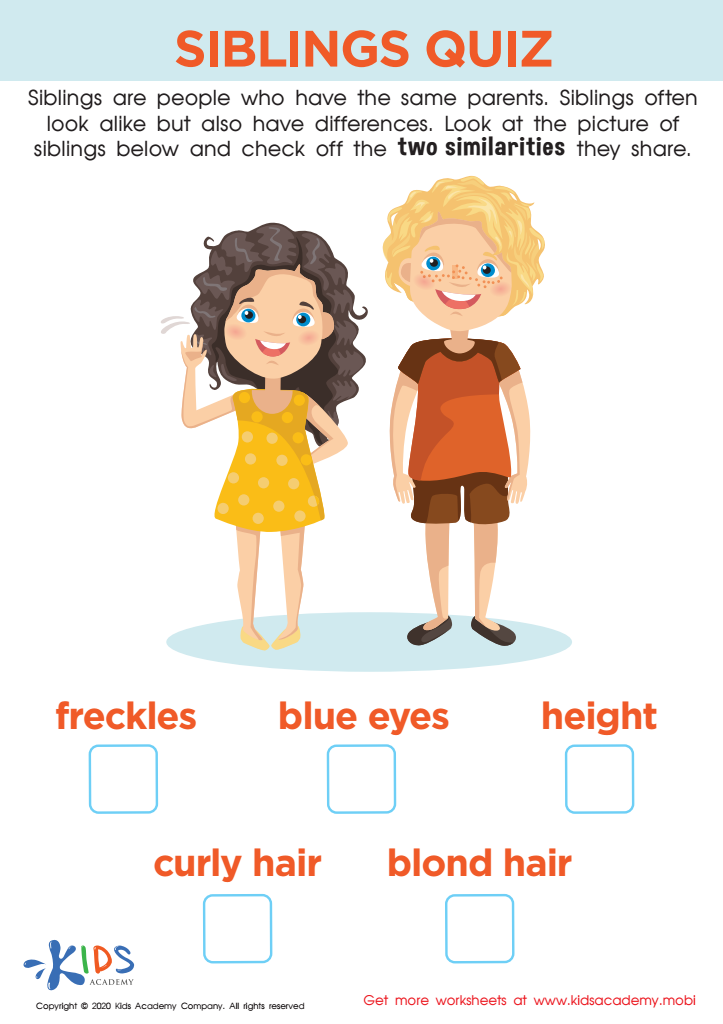
Siblings Quiz Worksheet
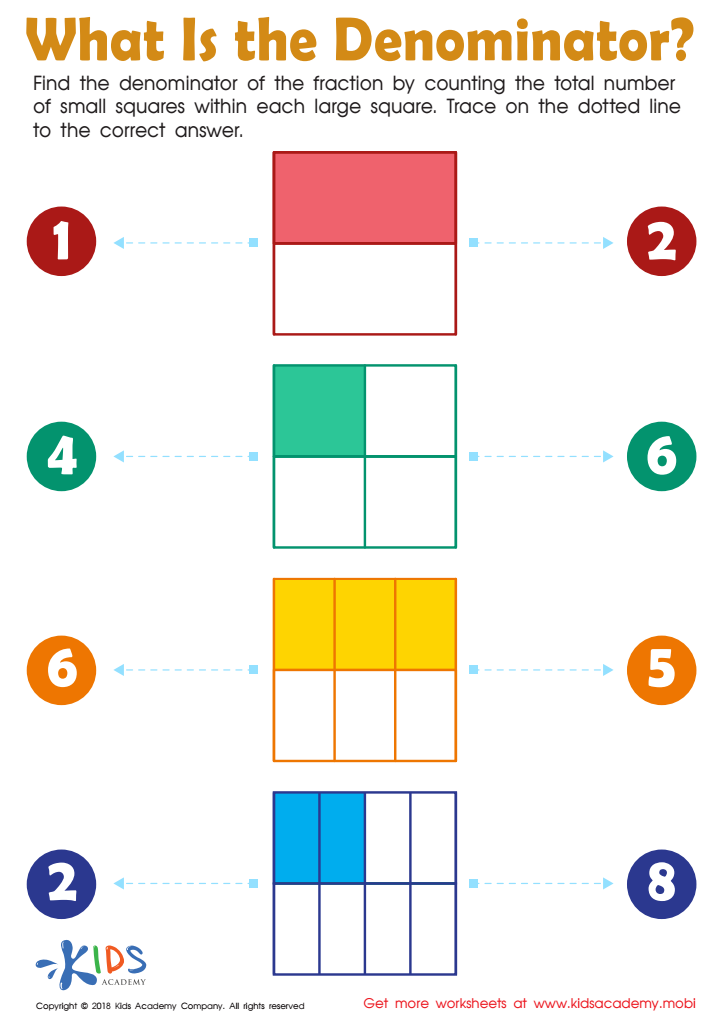
What Is the Denominator? Worksheet
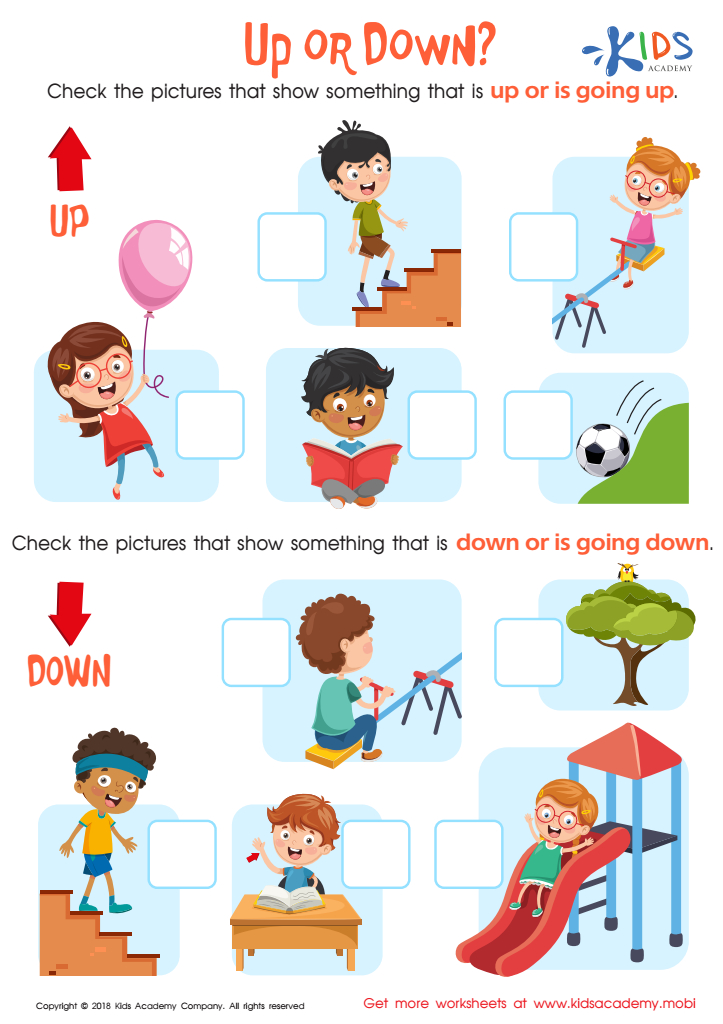
Up or Down Worksheet
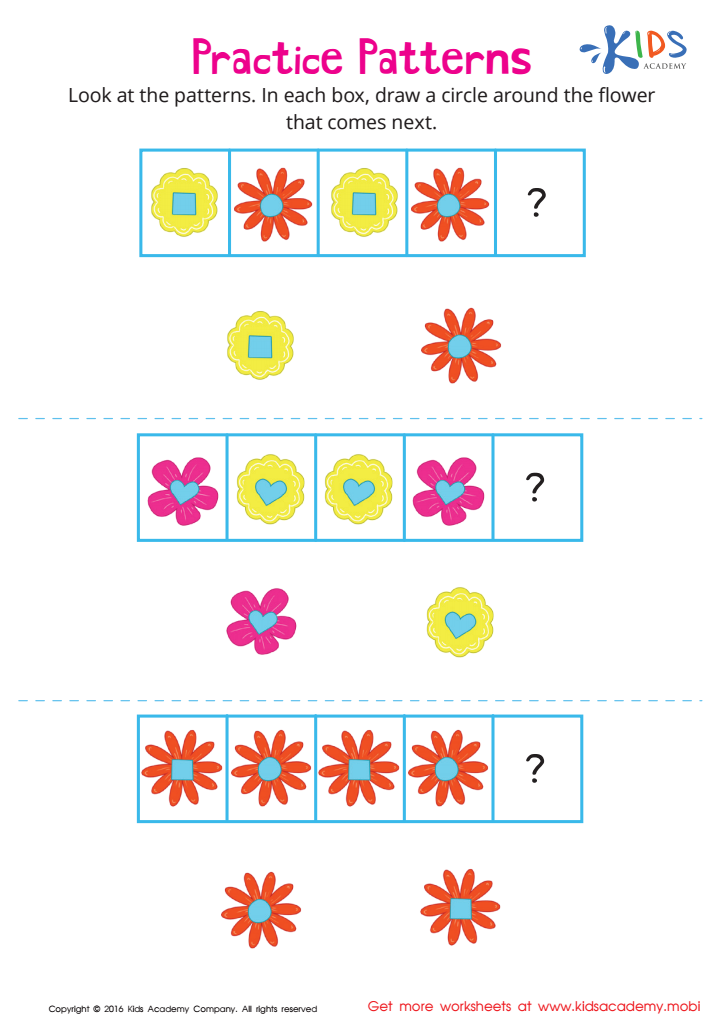

Count and Match Vegetables 1 – 5 Math Worksheet
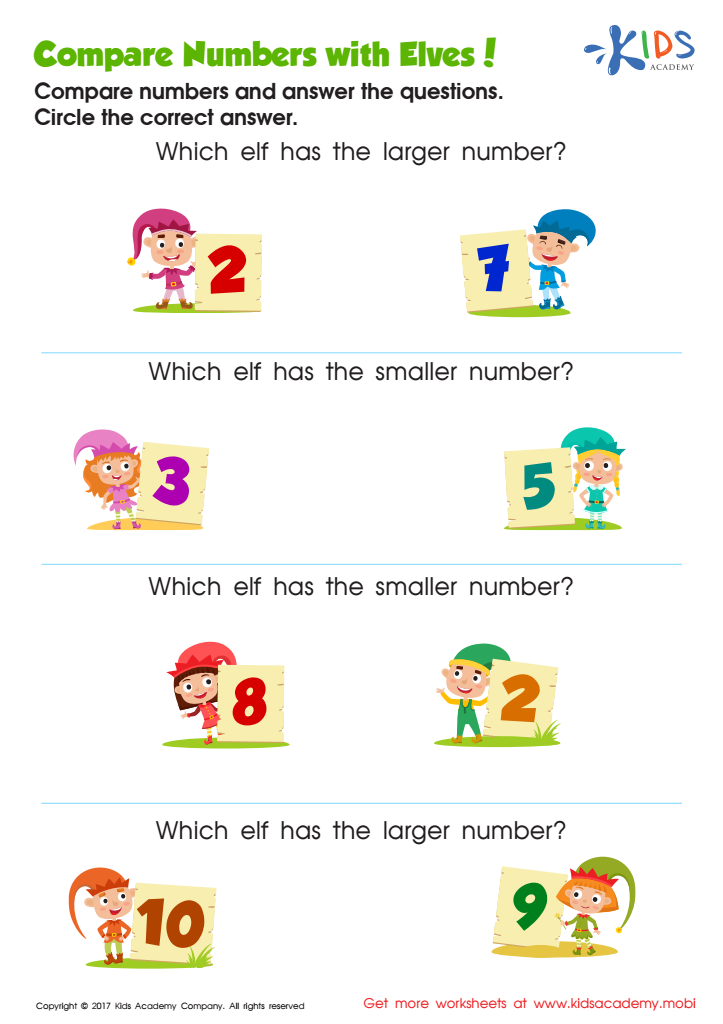
Comparing Numbers Worksheet for Kindergarten
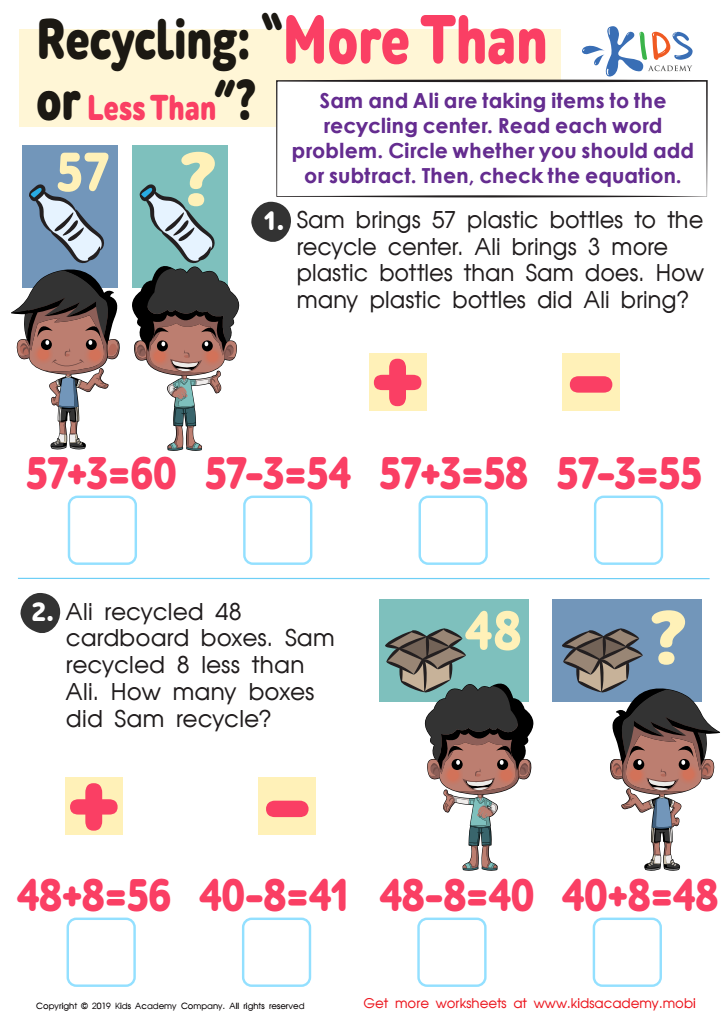
Recycling - More or Less Worksheet
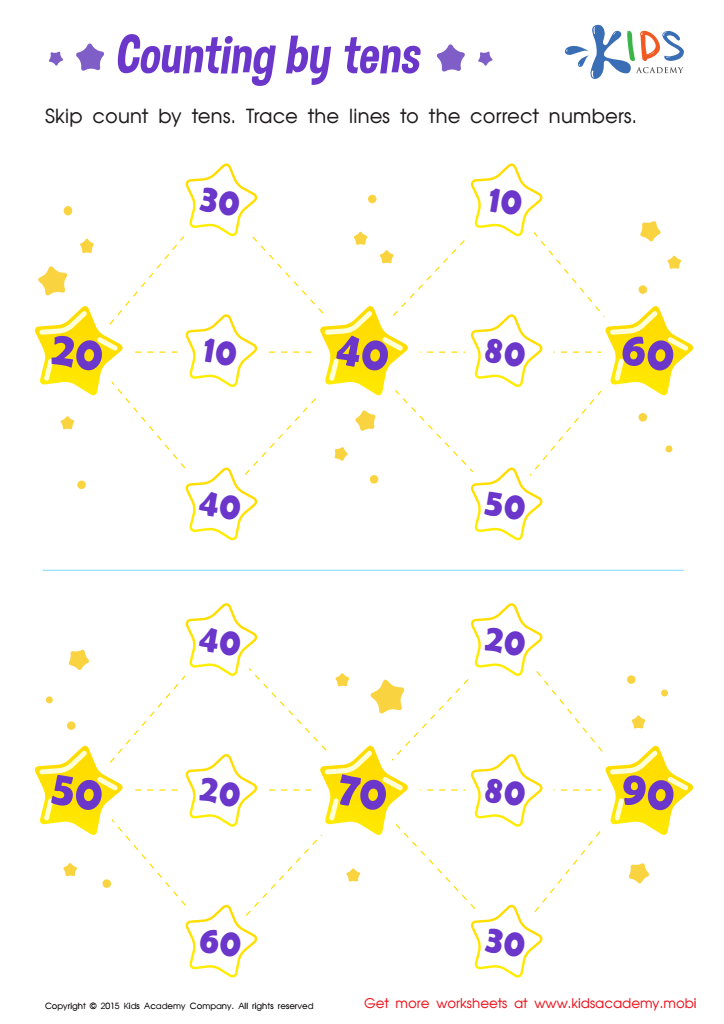
Learn Dozens: Counting by Tens Printable
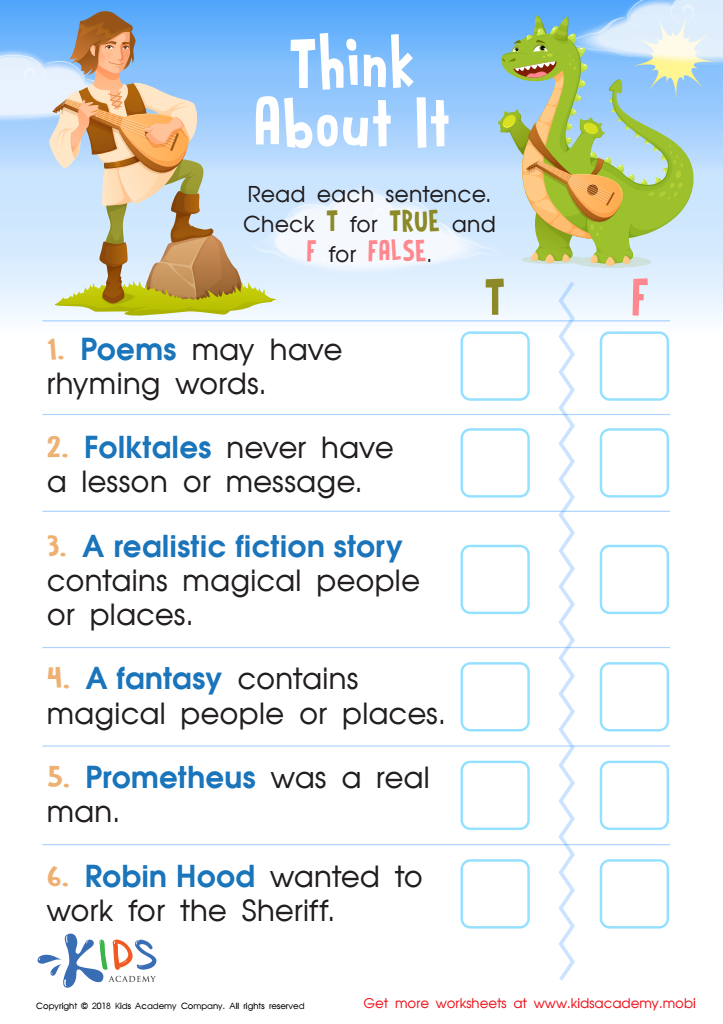
Think About It: Assessment Worksheet
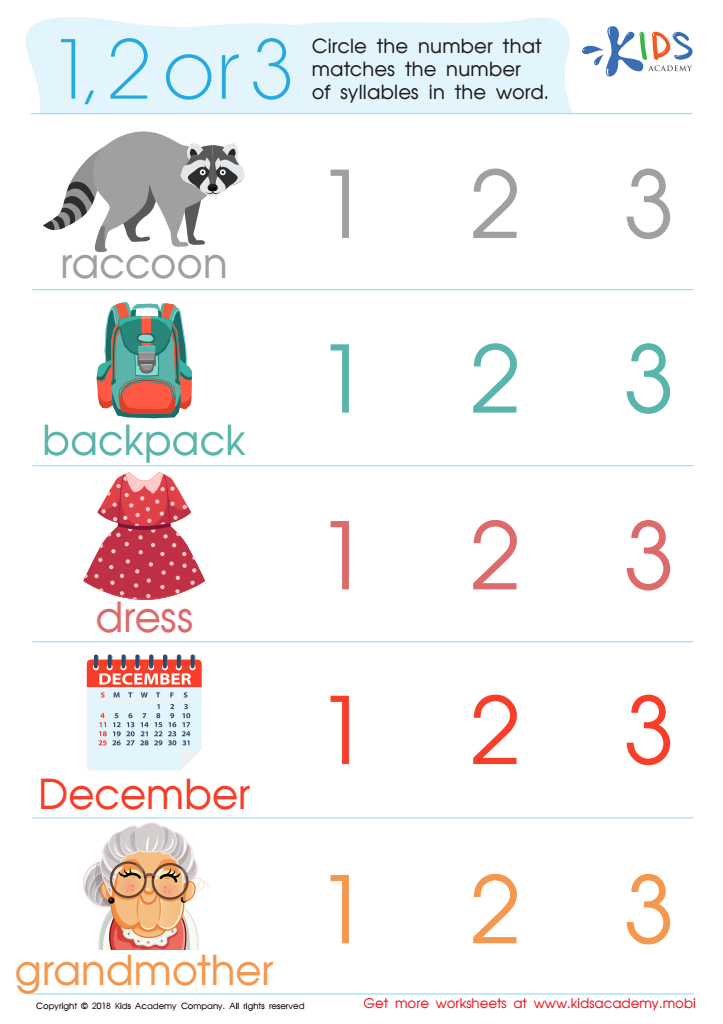
1, 2 or 3? Worksheet
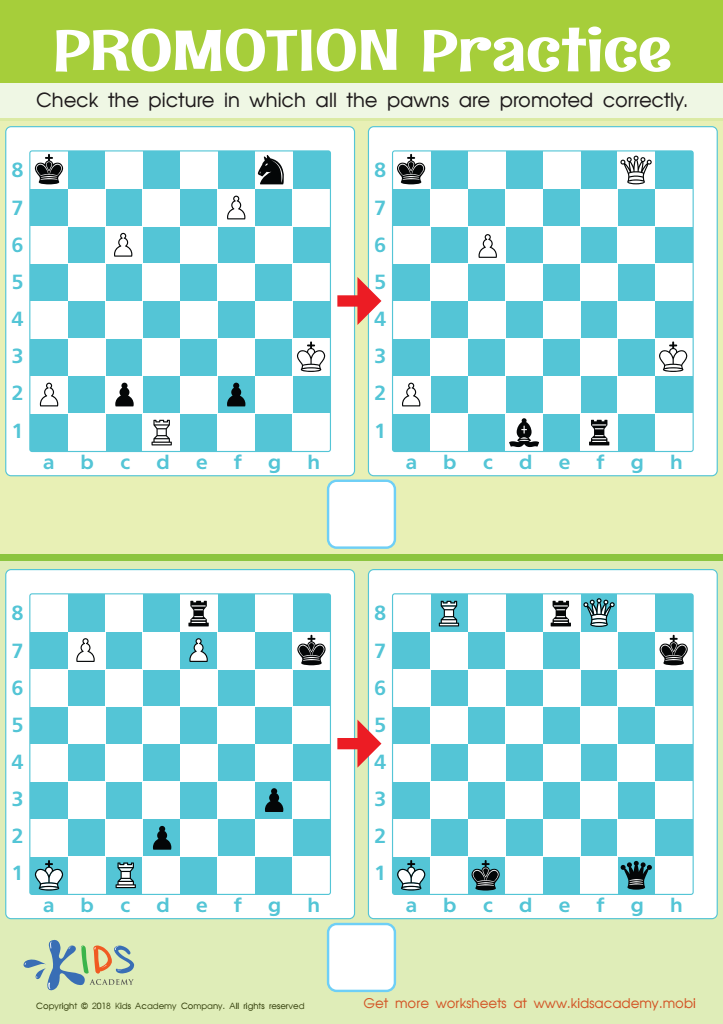
Promotion Practice Worksheet
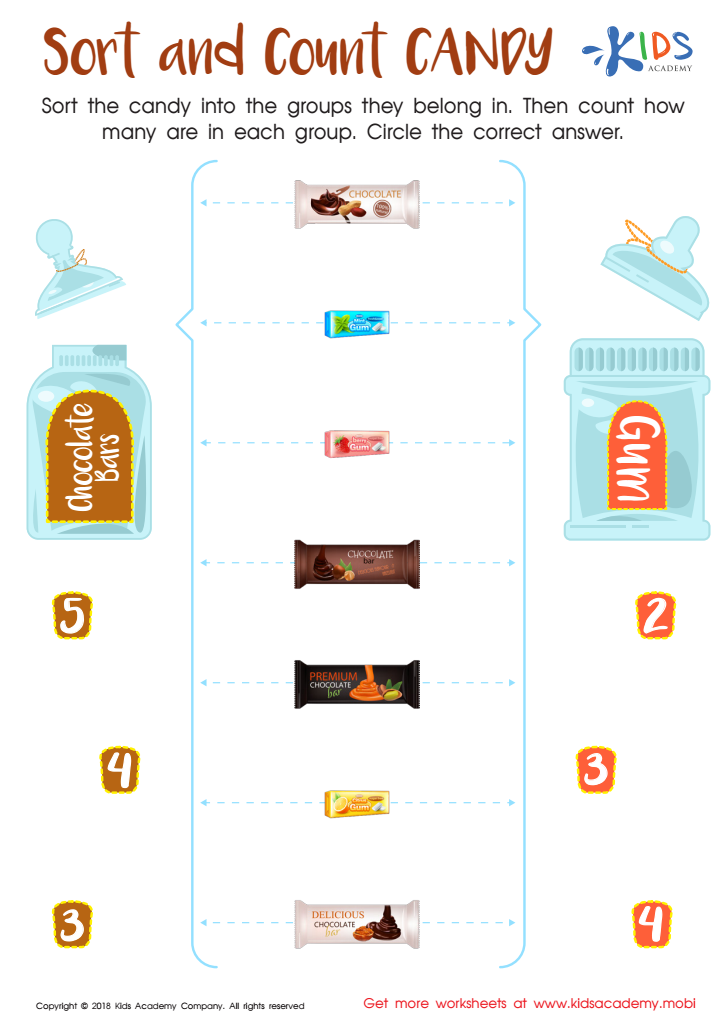
Sort and Count Candy Worksheet



.jpg)


Parents and teachers should prioritize basic math skills for children aged 5-9, as these foundational abilities are crucial for future academic success and everyday problem-solving. At this age, children are naturally curious and capable of grasping essential concepts such as counting, addition, subtraction, and understanding numerical relationships. Early mastery of these skills fosters confidence in their mathematical abilities, setting the stage for more complex topics in later grades.
Additionally, strong math skills are linked to enhanced logical reasoning, which benefits not only math classes but also subjects like science and technology. Early math education also promotes critical thinking and analytical skills, helping children to understand and interpret the world around them. By nurturing these skills, parents and teachers can also contribute to improved performance in standardized testing and overall academic achievement.
Furthermore, instilling a positive attitude toward math early on helps combat the common misconception that math is a challenging or unappealing subject. Engaging children in fun and interactive math activities can create lifelong learners who see math as an enjoyable challenge rather than a chore. Ultimately, investing in basic math skills during these formative years lays the groundwork for both personal and academic growth, shaping well-rounded and capable individuals.








