Categorizing objects Normal Worksheets for Ages 5-9
4 filtered results
-
From - To
Welcome to our Categorizing Objects Normal Worksheets designed for children aged 5-9! These engaging worksheets help young learners develop essential sorting and categorization skills. By grouping items based on common attributes, kids enhance their analytical thinking, improve vocabulary, and foster creativity. Our carefully crafted activities cover various themes and interests, making learning fun and accessible. Whether in a classroom or at home, these worksheets support early literacy and critical thinking, preparing your child for future academic success. Discover the joy of learning through play as your child explores and understands the world around them by categorizing everyday objects. Start learning today!
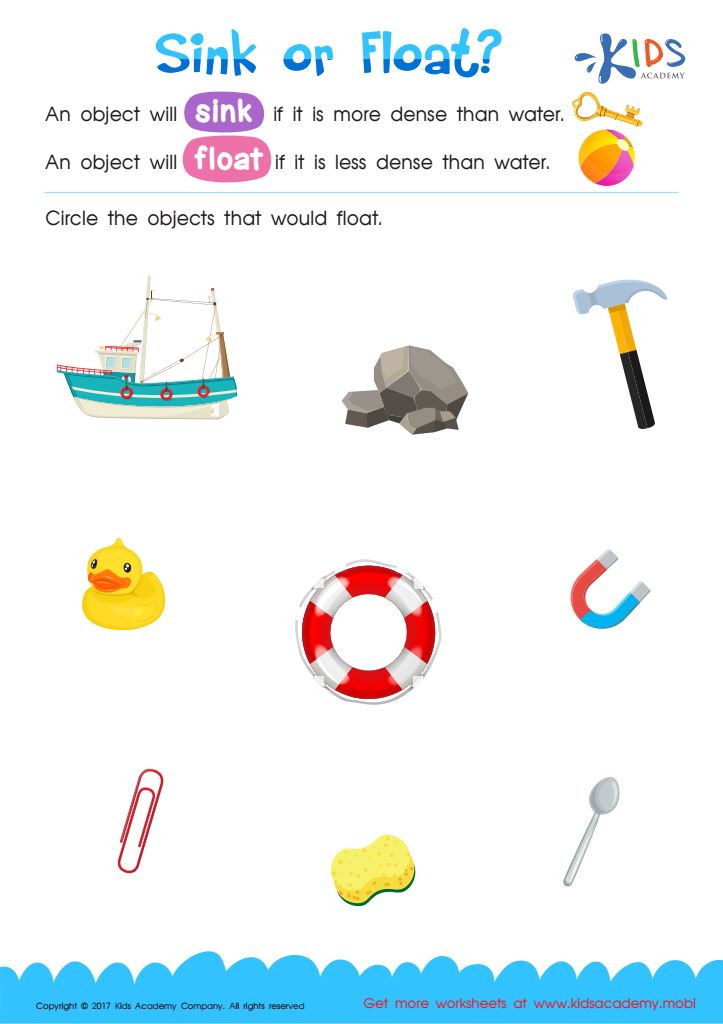
Sink or Float Printable
 Assign to My Students
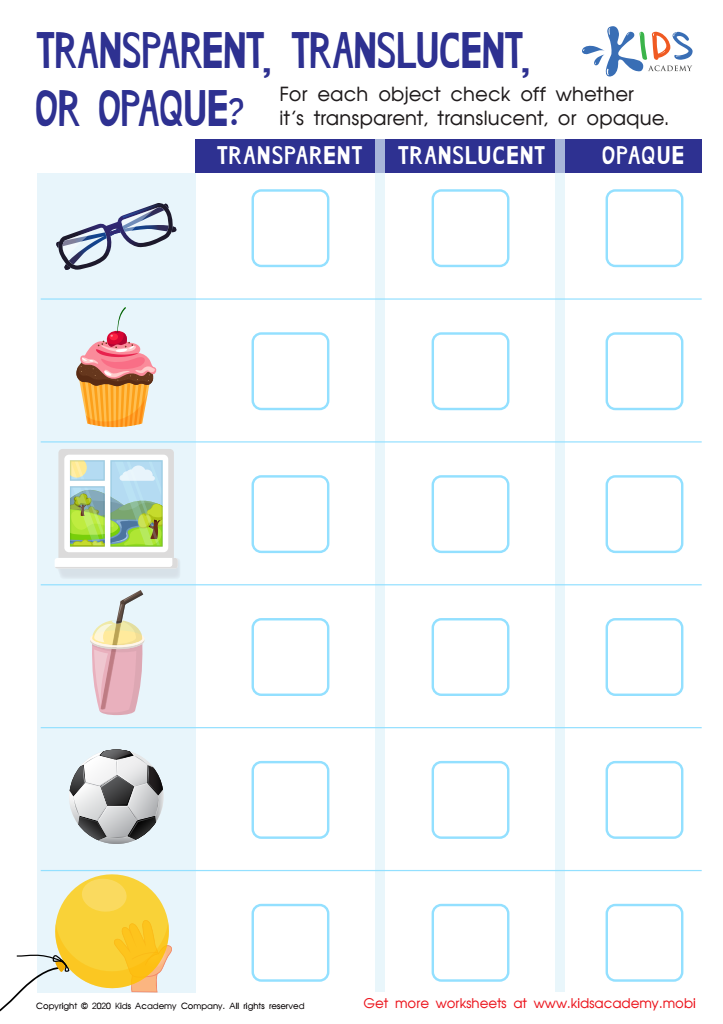
Transparent, Translucent, or Opaque Worksheet
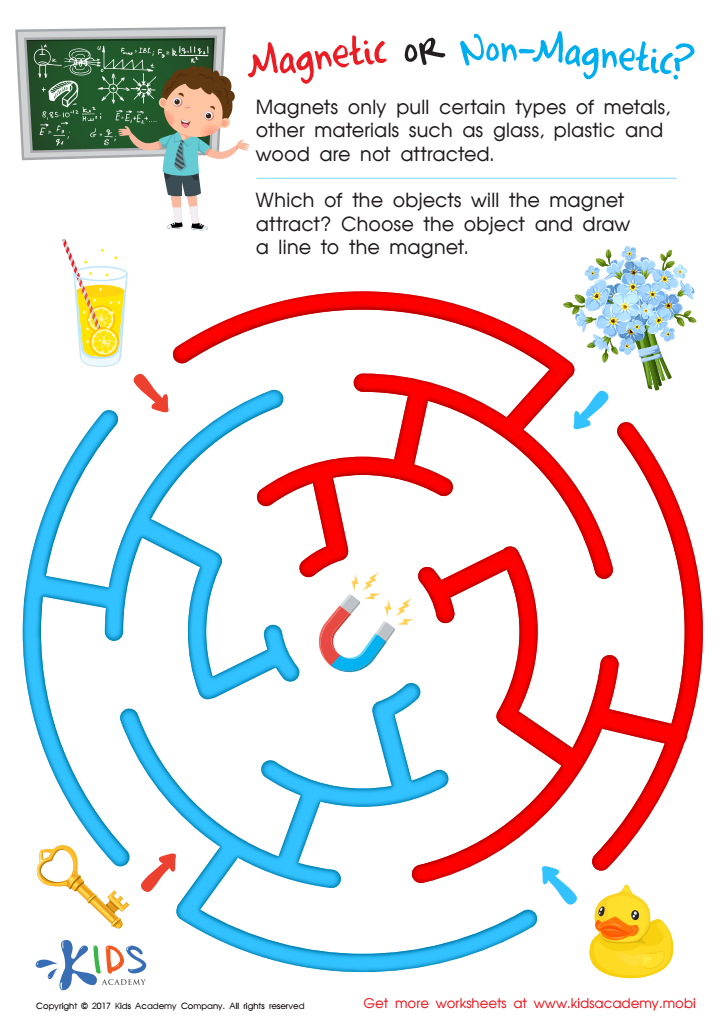
Magnetic or Non–Magnetic Worksheet
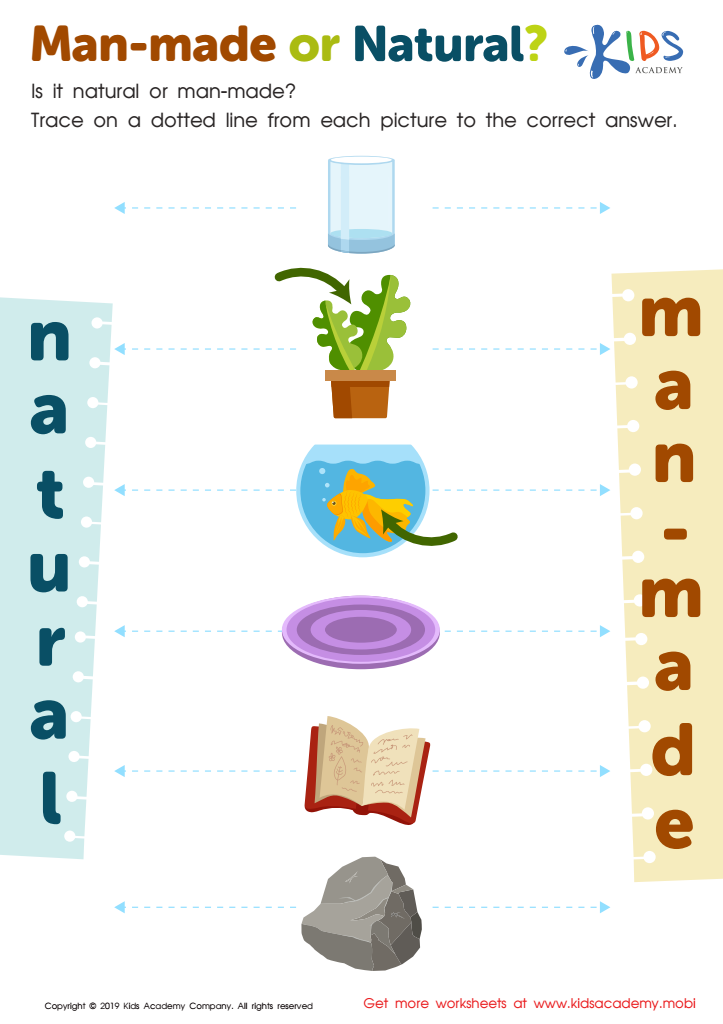
Man-Made or Natural? Worksheet






Categorizing objects is a fundamental skill for children aged 5-9, serving as a building block for cognitive development. Parents and teachers should care about this because it enhances critical thinking and problem-solving abilities essential for academic success. By learning to categorize, children develop the ability to identify similarities and differences among objects, which aids in logical reasoning and analytical skills.
Moreover, categorization promotes language development. When children learn to group objects, they also expand their vocabulary through the use of descriptive words and concepts, fostering effective communication. For instance, knowing 'transportation' means understanding various methods like cars, bicycles, and airplanes.
Socially, categorization can help children navigate the world around them, offering a framework for understanding complex environments and social situations. It empowers them to make connections with their peers, as they learn to categorize experiences and emotions.
Finally, engaging children in categorization activities, such as sorting toys or classifying animals, not only supports learning but also provides hands-on experience that makes learning enjoyable and relevant. This foundational skill is crucial not only within the classroom but also as children embark on lifelong learning experiences, making it significant for both educators and parents to prioritize.








