Counting skills Normal Worksheets for Ages 5-9
108 filtered results
-
From - To
Welcome to our Counting Skills Normal Worksheets for Ages 5-9! Designed to foster a love for numbers, these engaging worksheets help young learners develop essential counting skills through fun and interactive activities. With a variety of exercises, children can practice number recognition, counting, and basic addition in a creative way. Our worksheets cater to various learning styles, ensuring all students can grasp these foundational math concepts. Perfect for use at home or in the classroom, our resources make learning enjoyable and effective. Unleash your child's potential today with our thoughtfully crafted counting worksheets!
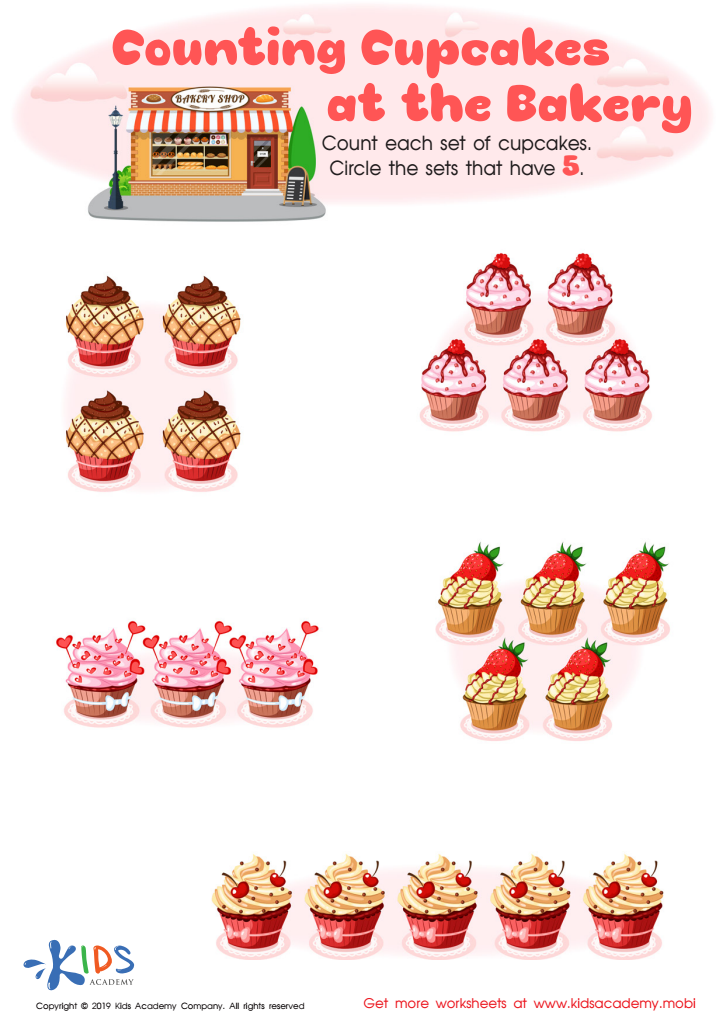
Counting Cupcakes Worksheet
 Assign to My Students
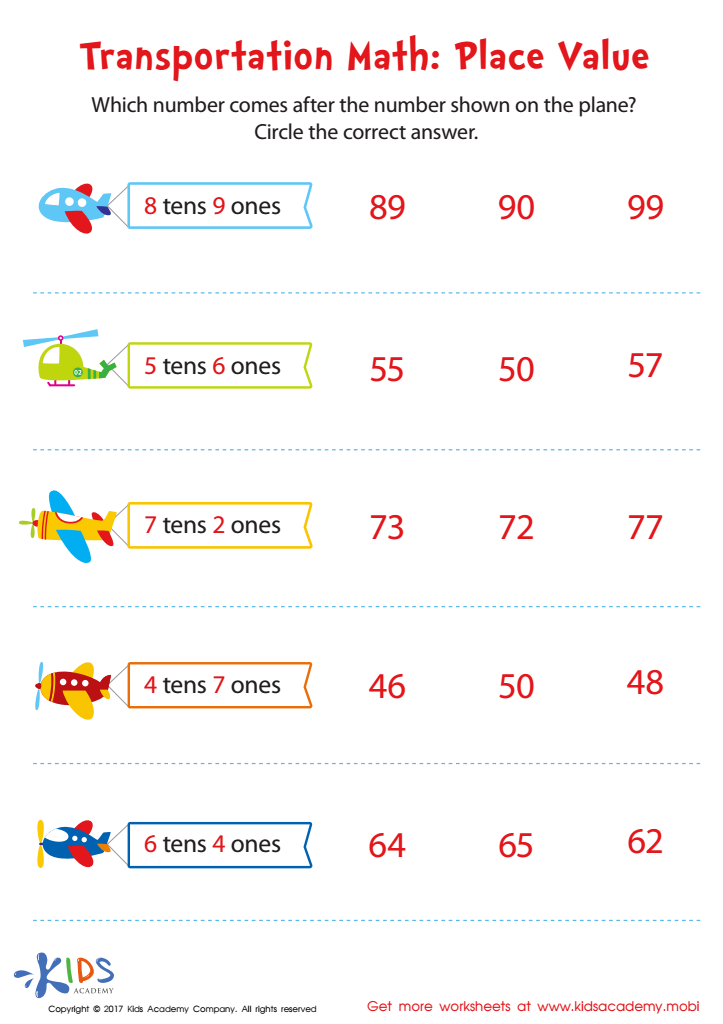
Transportation Math Printable
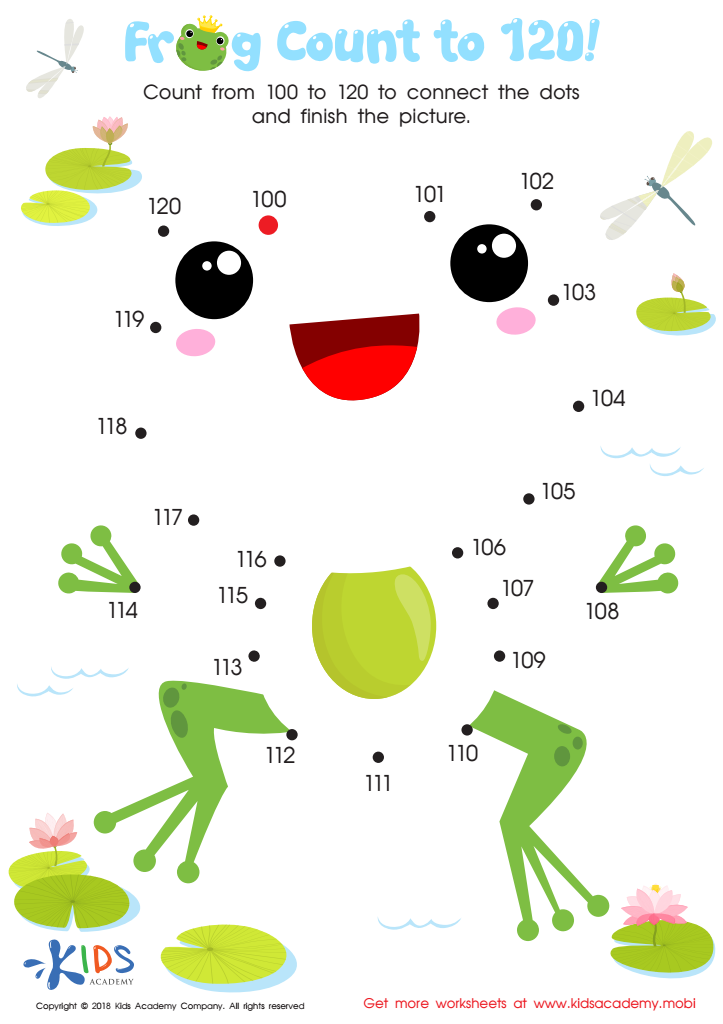
Frog Count to 120 Worksheet
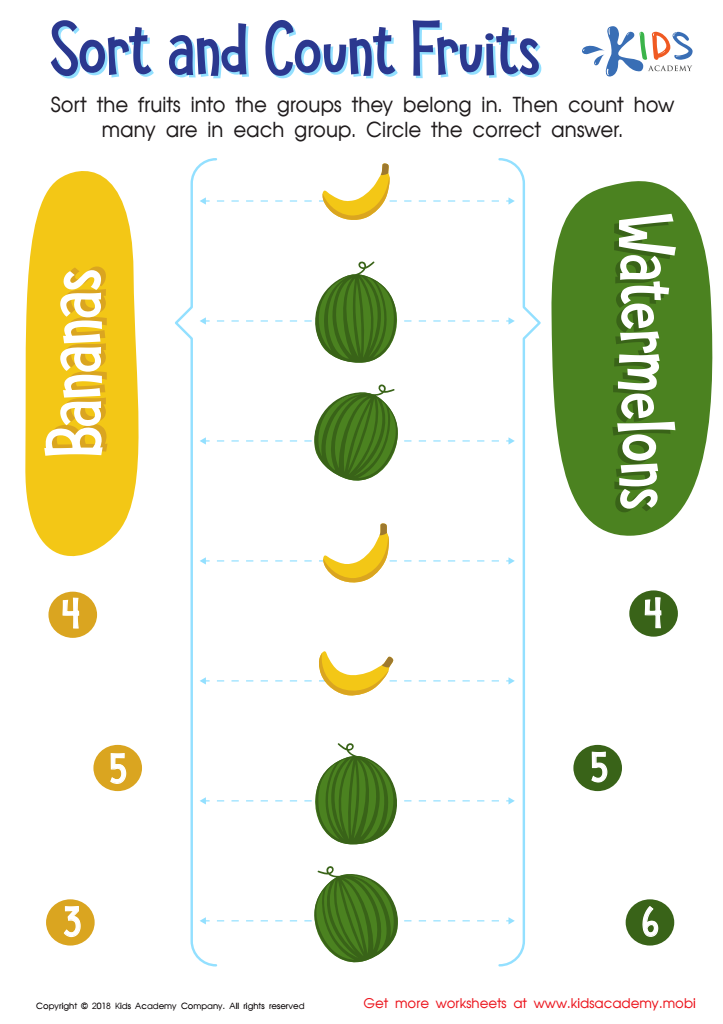
Sort and Count Fruits Worksheet
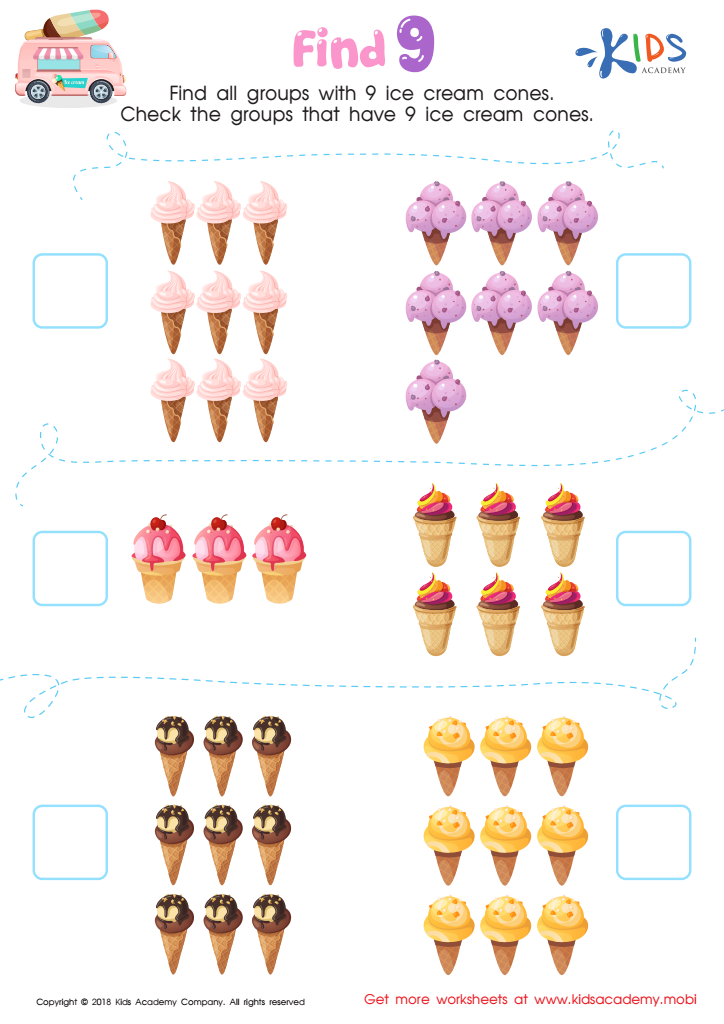
Find 9 Worksheet
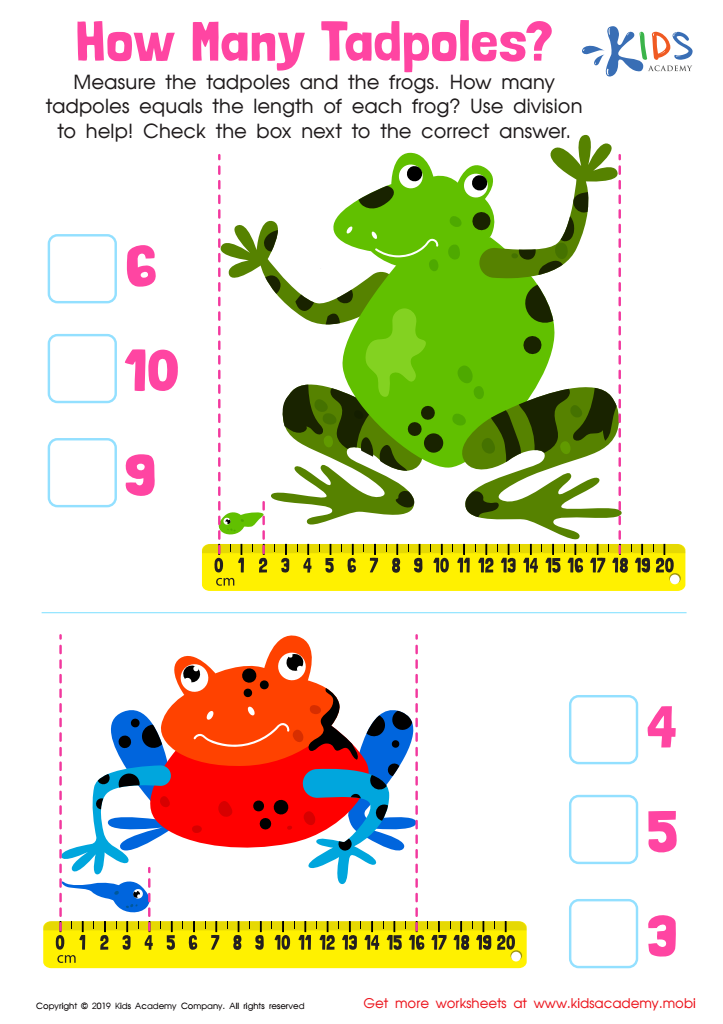
How Many Tadpoles Worksheet
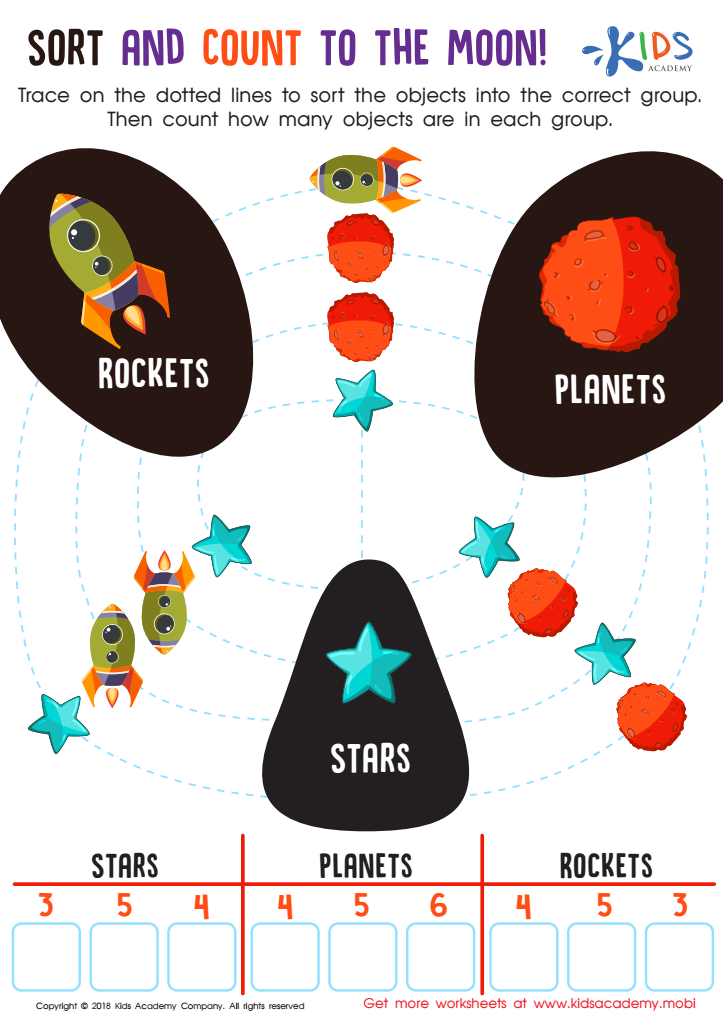
Sort and Count to the Moon Worksheet
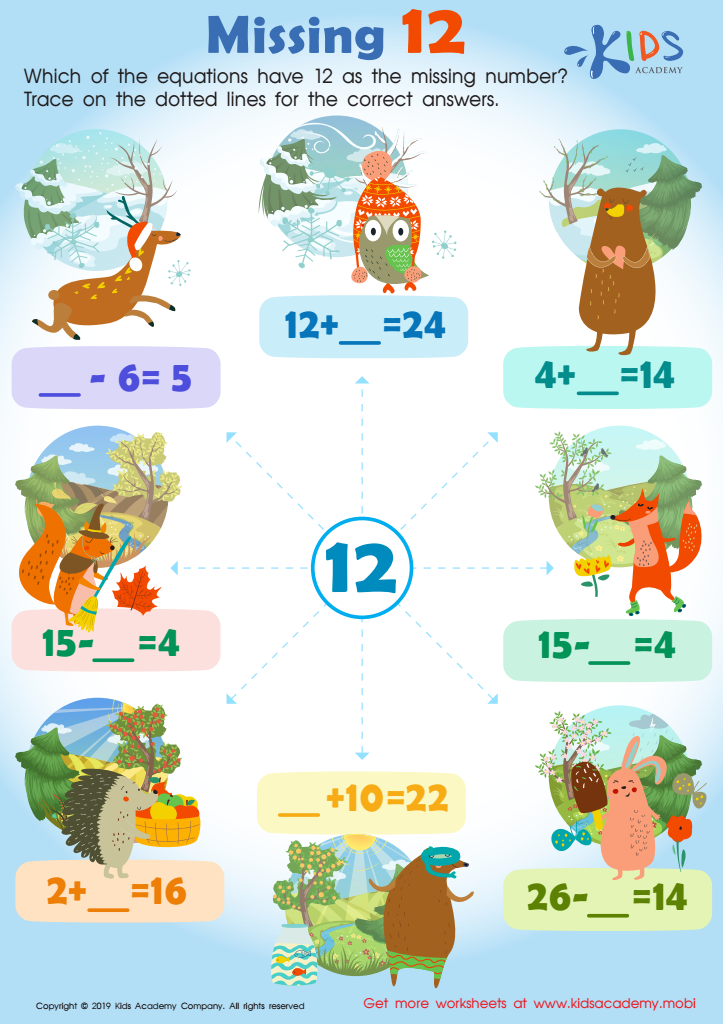
Missing 12 Worksheet
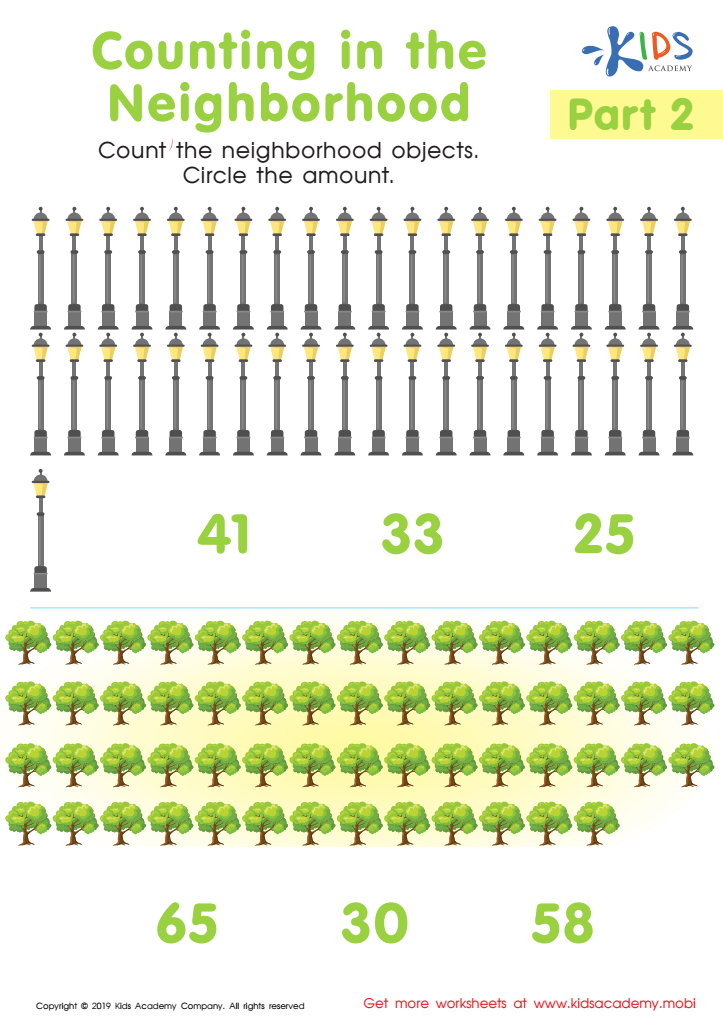
Counting In The Neighborhood Part 2 Worksheet
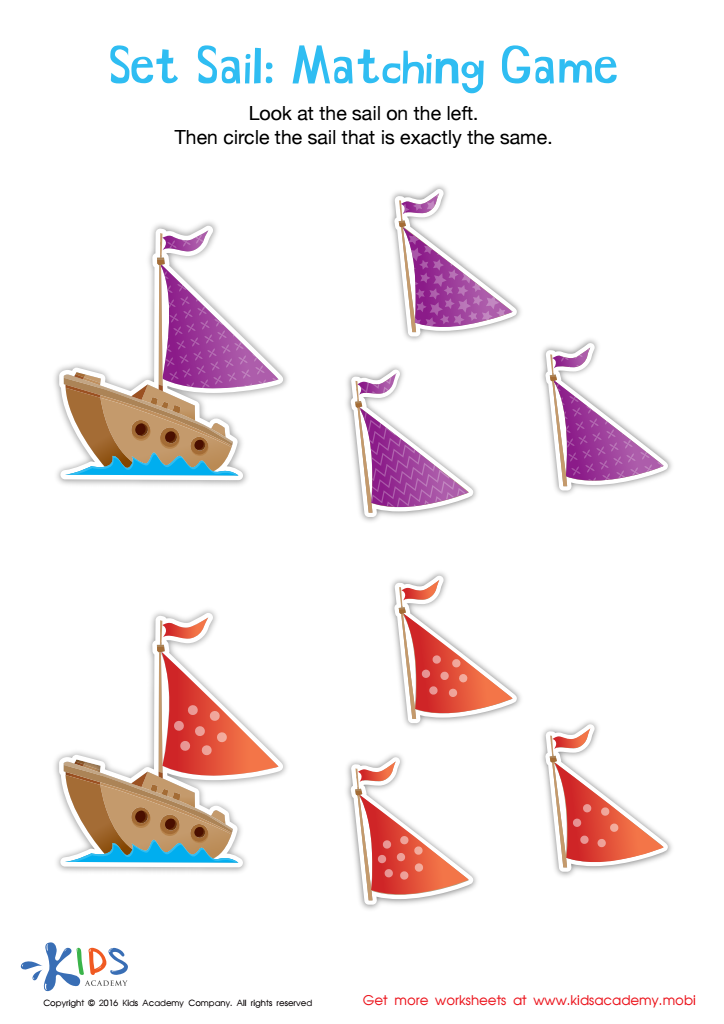
Set Sail Worksheet
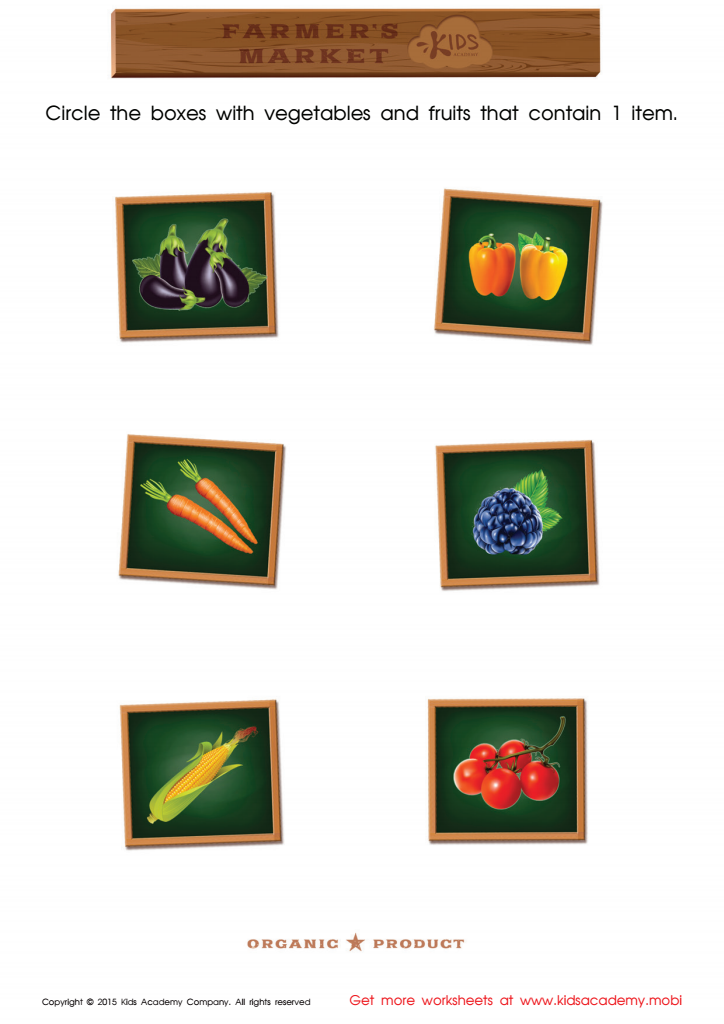
Count and Match Boxes with Vegetables
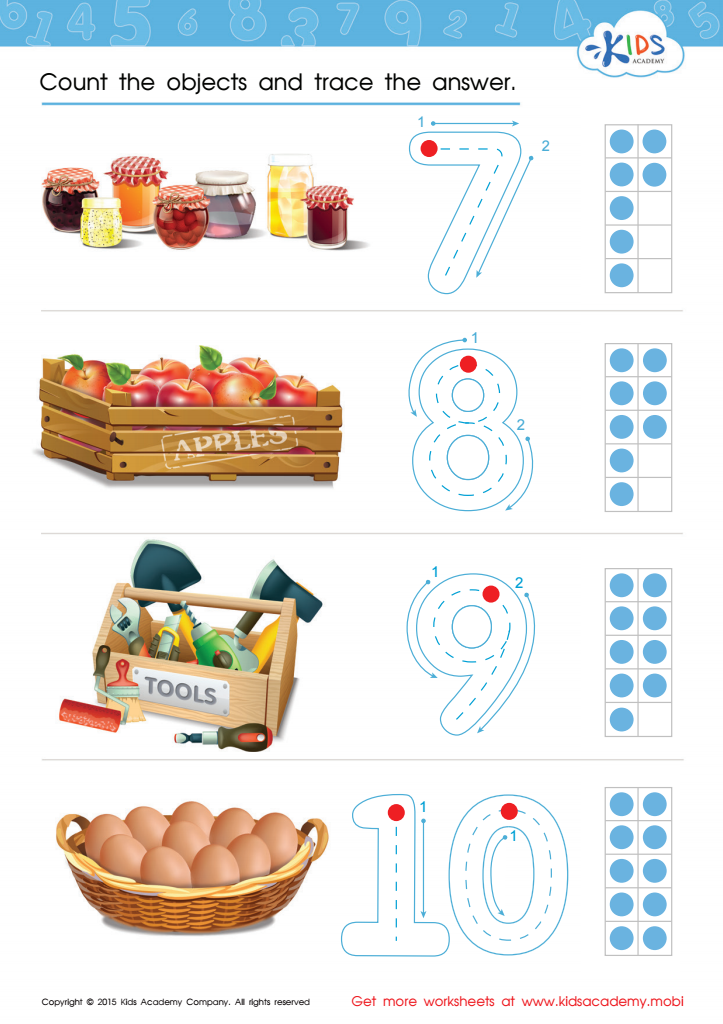
Count and Trace 7 – 10 Worksheet

African Wildlife: Giraffe Worksheet
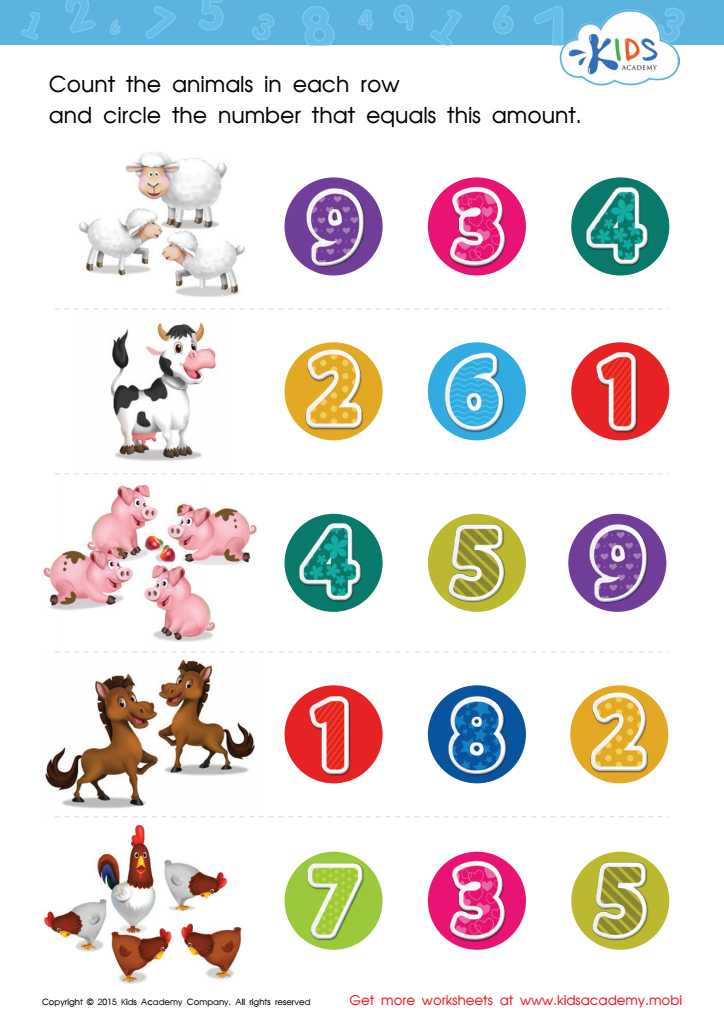
Count and Match 1 – 5 Math Worksheet
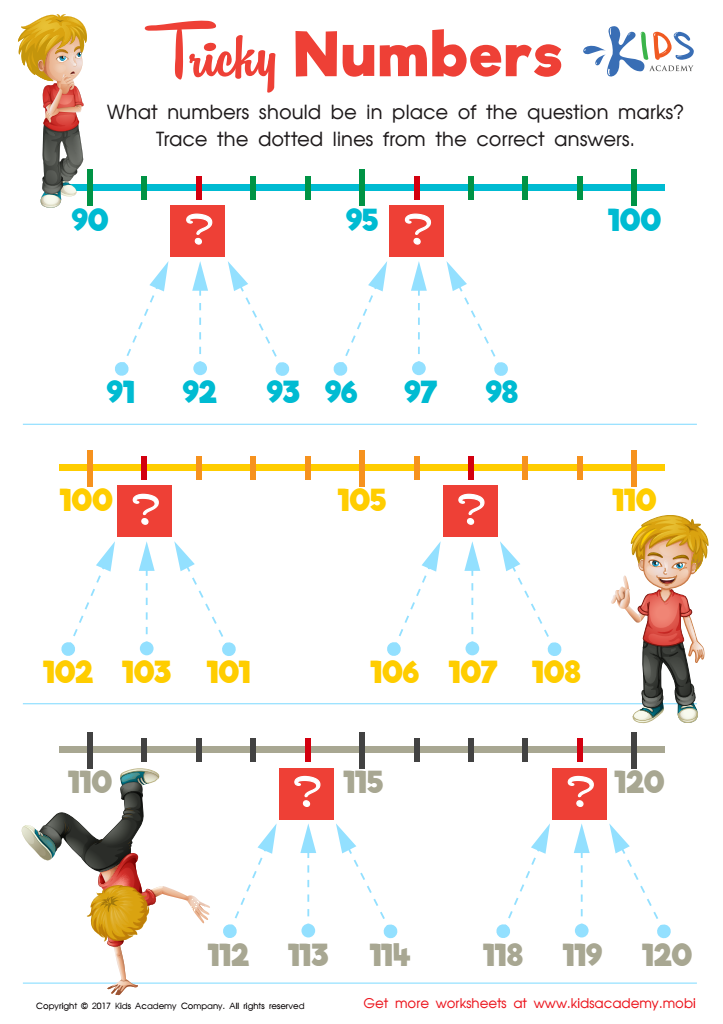
Tricky Numbers Worksheet
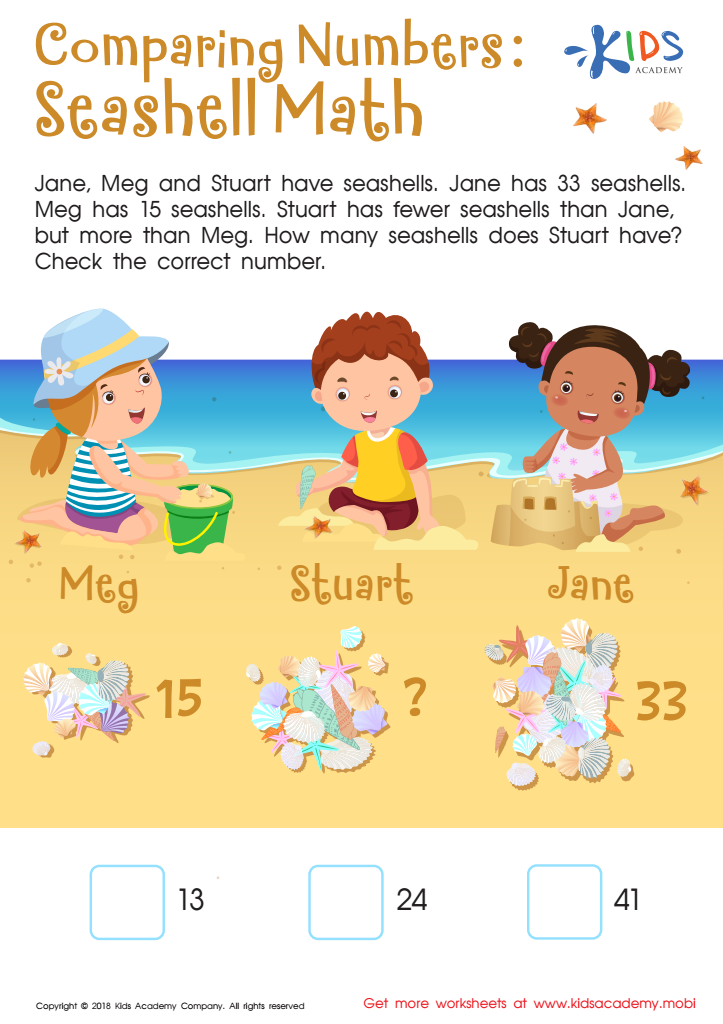
Seashell Collectors Worksheet
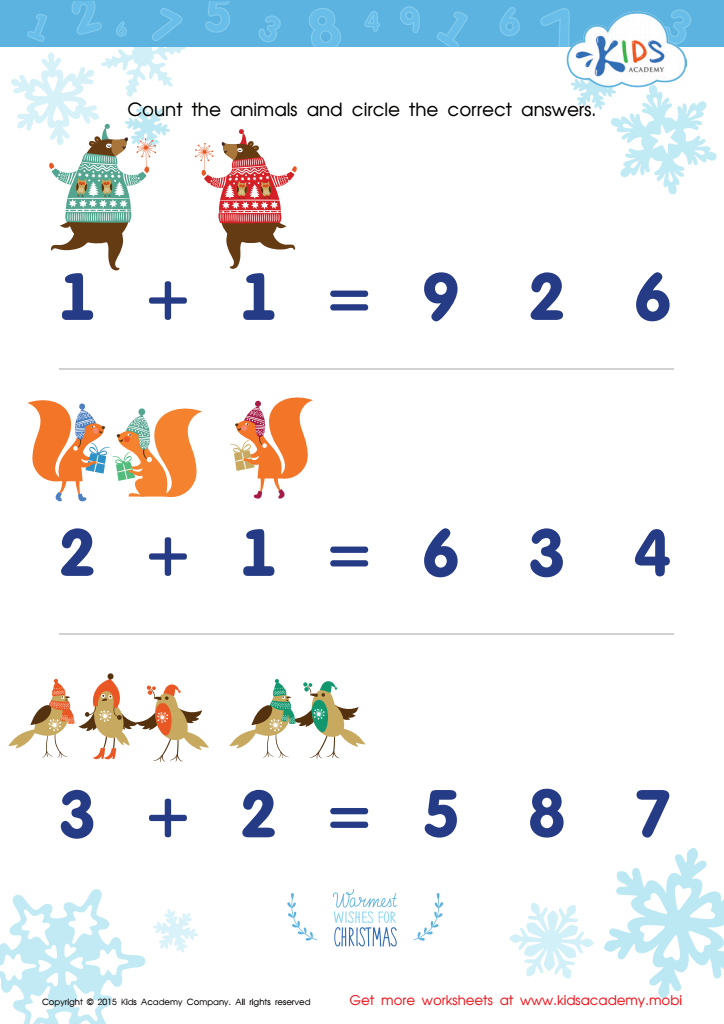
Count Funny Animals Worksheet
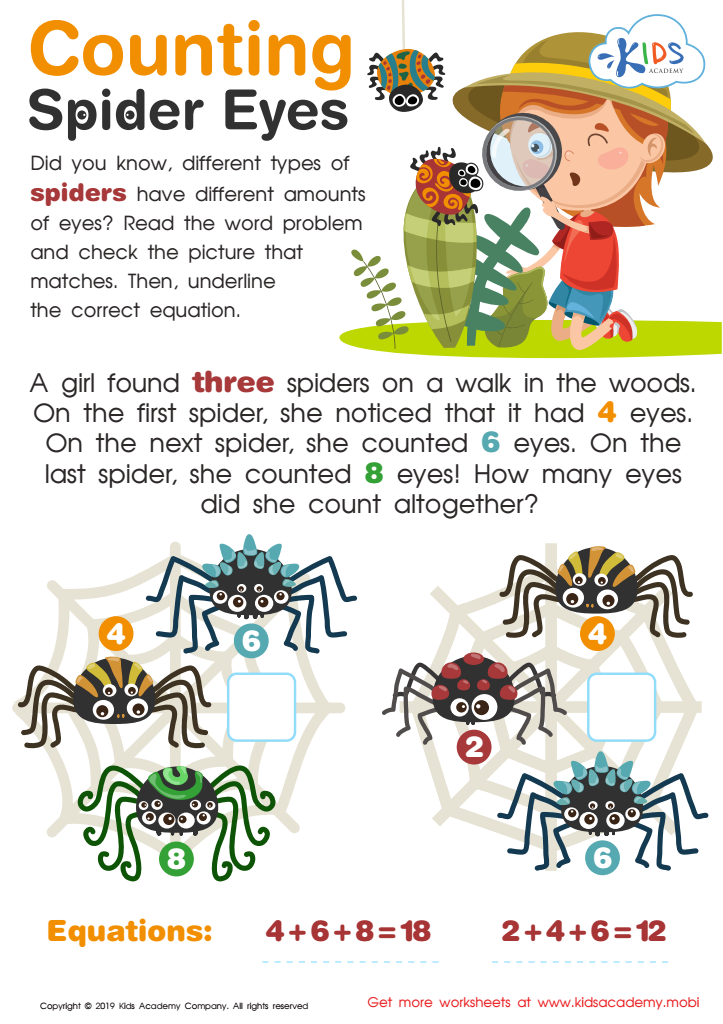
Counting Spider Eyes Worksheet
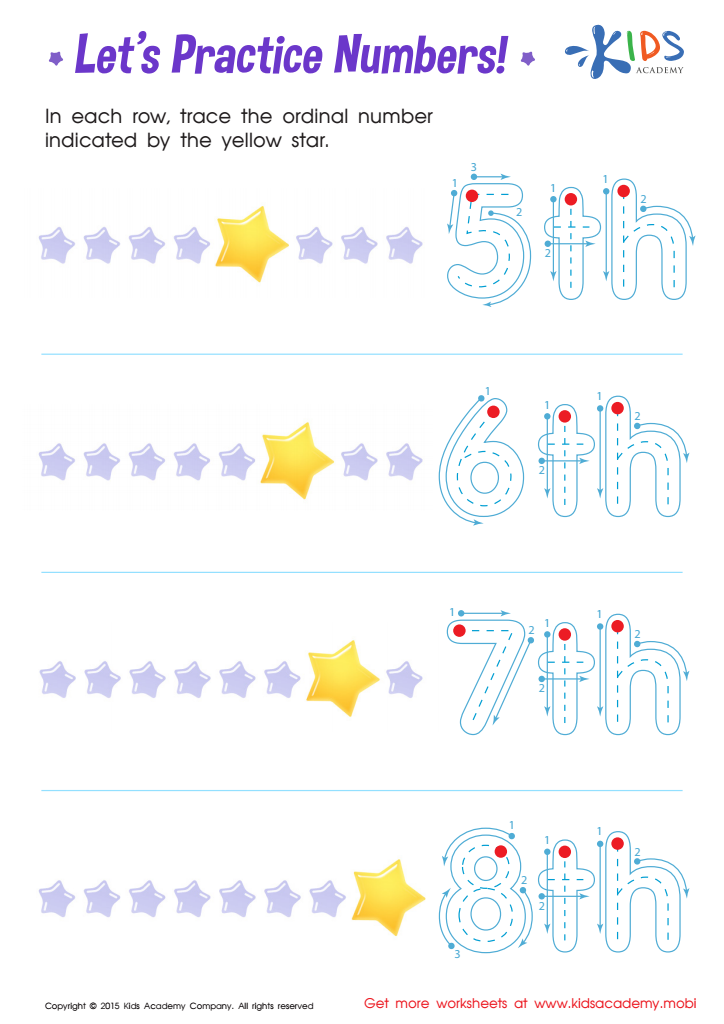
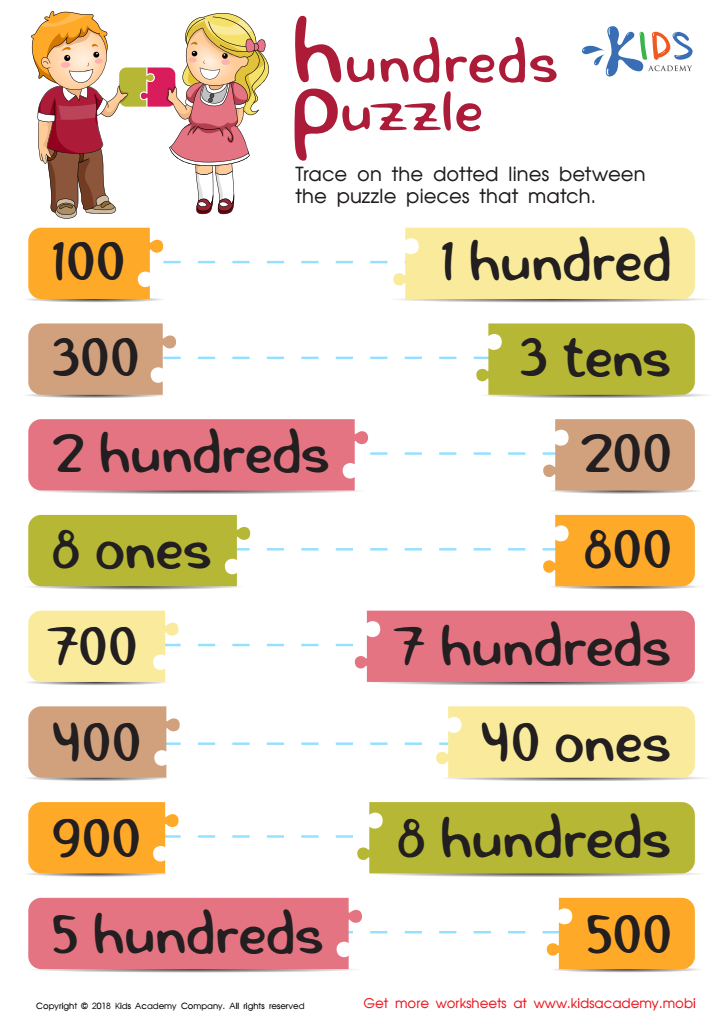
Hundreds Puzzle Worksheet
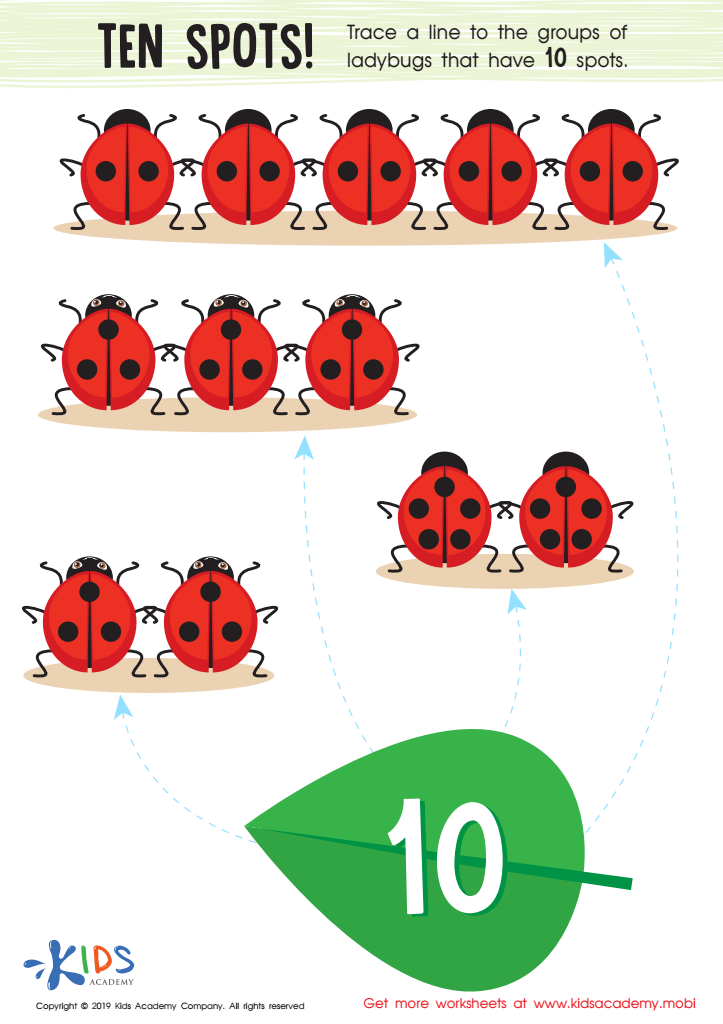
Ten Spots Worksheet
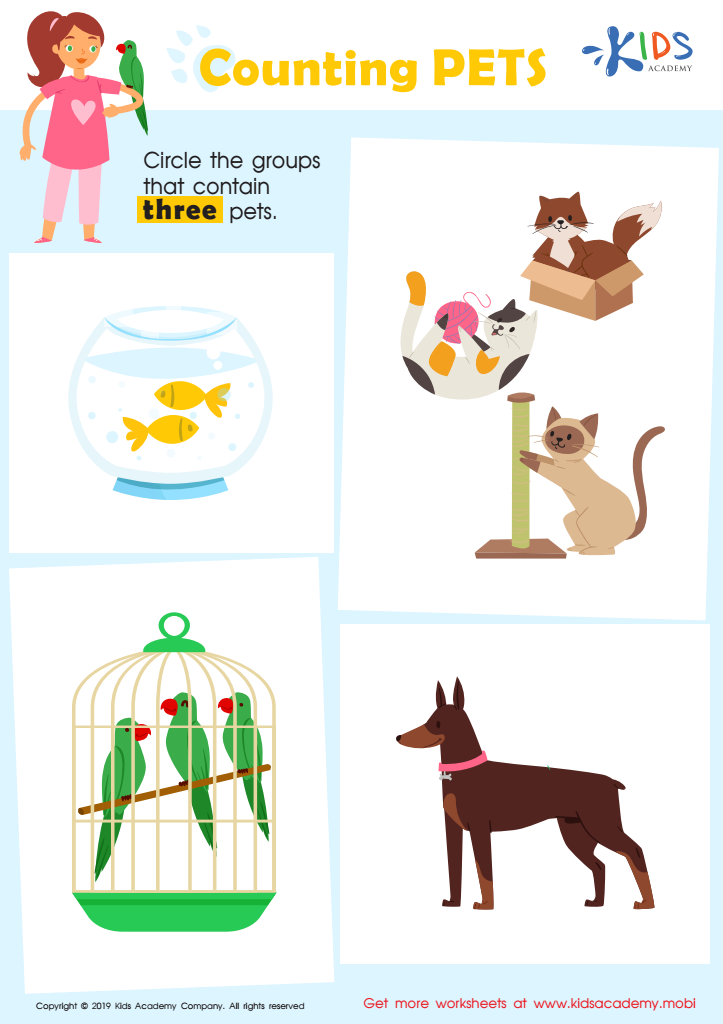
Counting Pets Worksheet
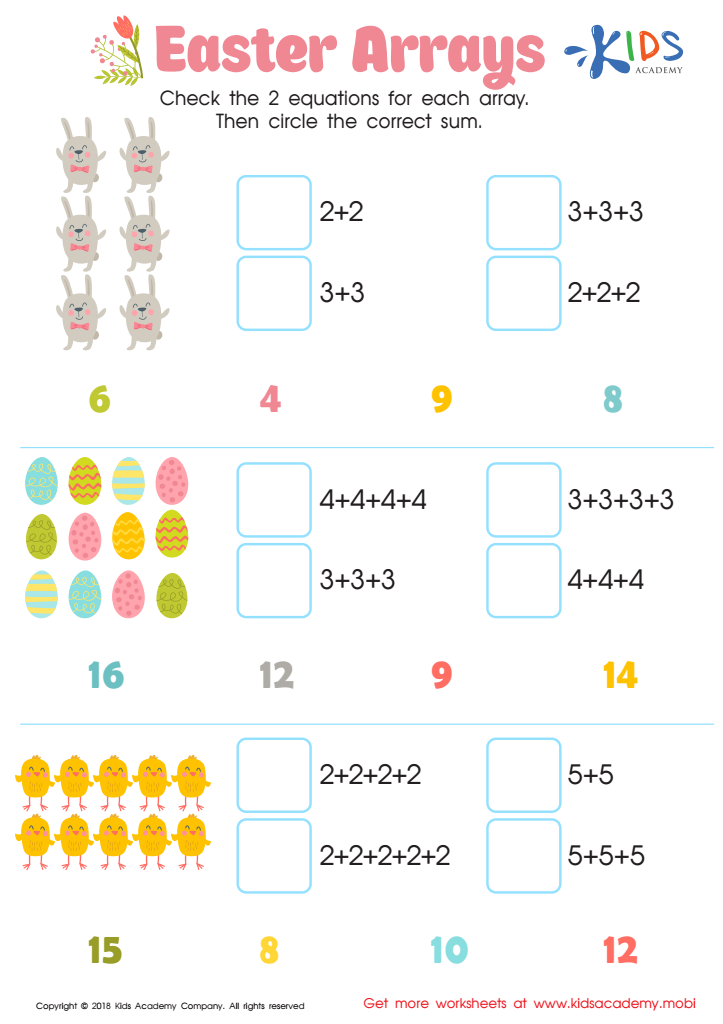
Easter Arrays Worksheet
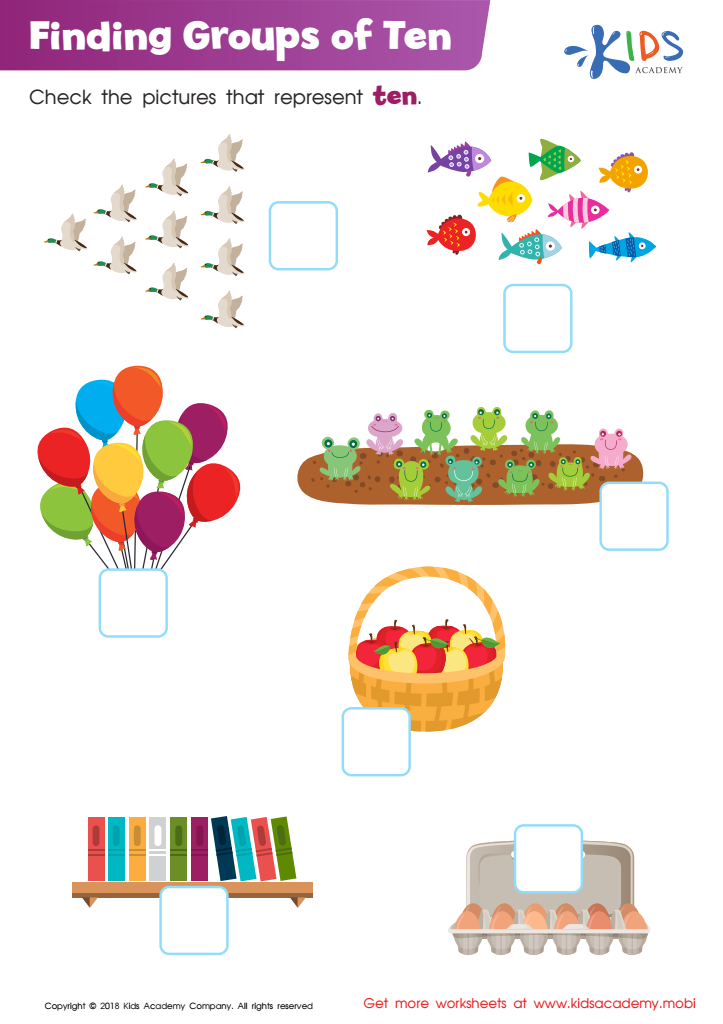
Finding Groups of Ten Worksheet








Counting skills are crucial for children aged 5-9 as they lay the foundation for mathematical understanding and cognitive development. At this stage, children begin to transition from basic counting to more complex arithmetic concepts. By mastering counting, they develop critical problem-solving abilities, enabling them to tackle daily tasks and future academic challenges more effectively.
For parents and teachers, nurturing counting skills can foster a child’s confidence and enthusiasm in learning mathematics, as success in early math can positively influence their overall school experience. Additionally, strong counting skills support future learning in areas such as addition, subtraction, and even geometry.
Moreover, counting helps children develop essential life skills, such as understanding quantities, categorizing objects, and recognizing patterns. These skills are integral to making sense of the world around them, from managing money to organizing their belongings.
Engaging in counting activities promotes a rich parent-child or teacher-student interaction, making learning fun and collaborative. By prioritizing counting skills, caregivers can ensure that children not only achieve academic success but also build a strong foundation for lifelong learning. In summary, counting skills play a significant role in shaping a child’s mathematical abilities and overall development, making it a vital area of focus for parents and educators.








